
Box Trucks For Sale in Minnesota
Browse box trucks for sale in Minnesota. Compare GVWR, body lengths, liftgates, diesel options, and delivery-ready straight truck specs.
No exact matches found for your search
Showing Box Trucks instead.
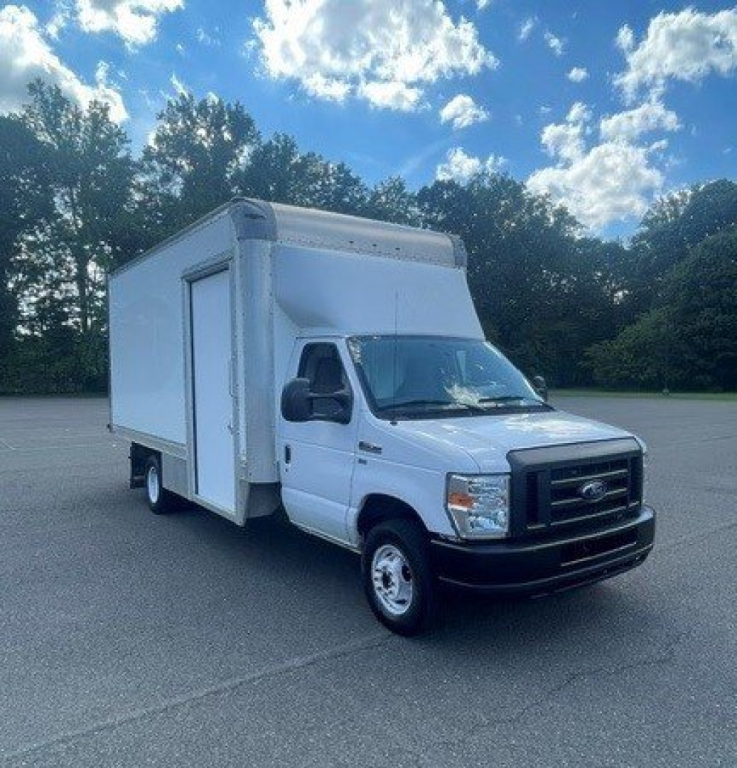
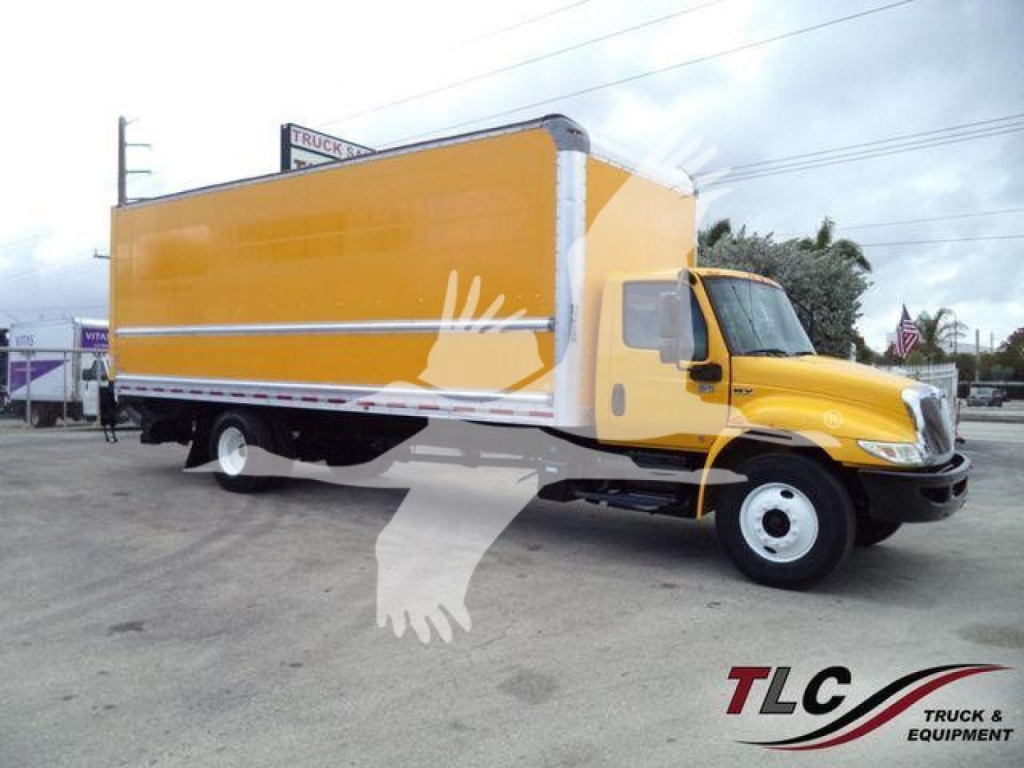
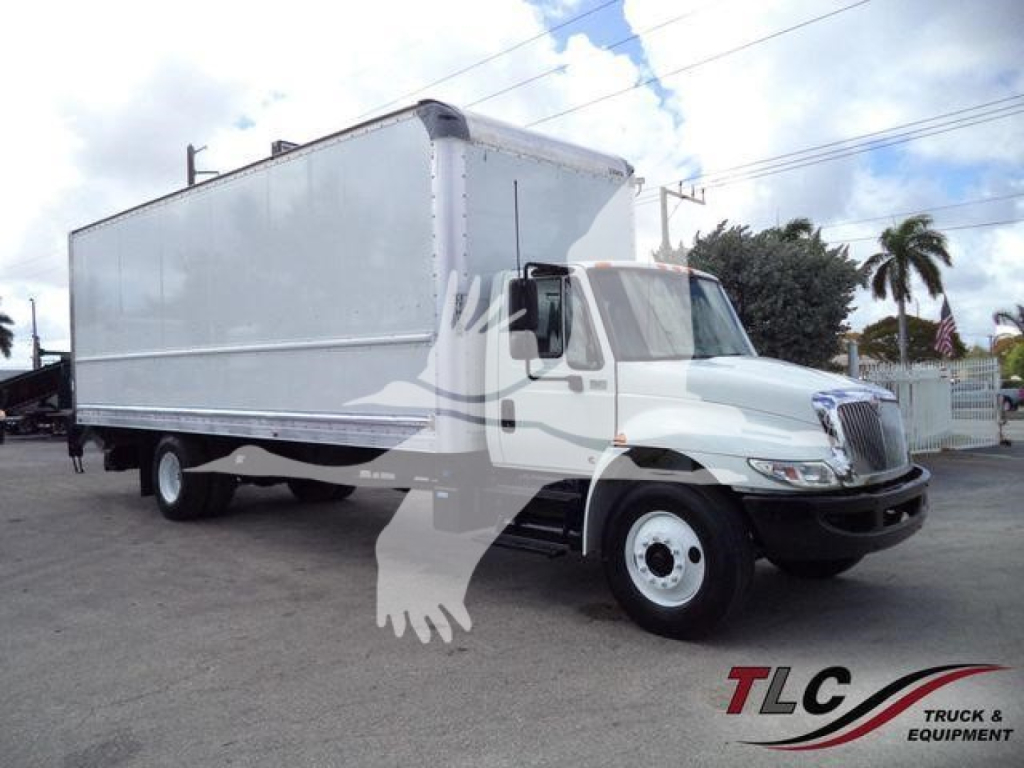
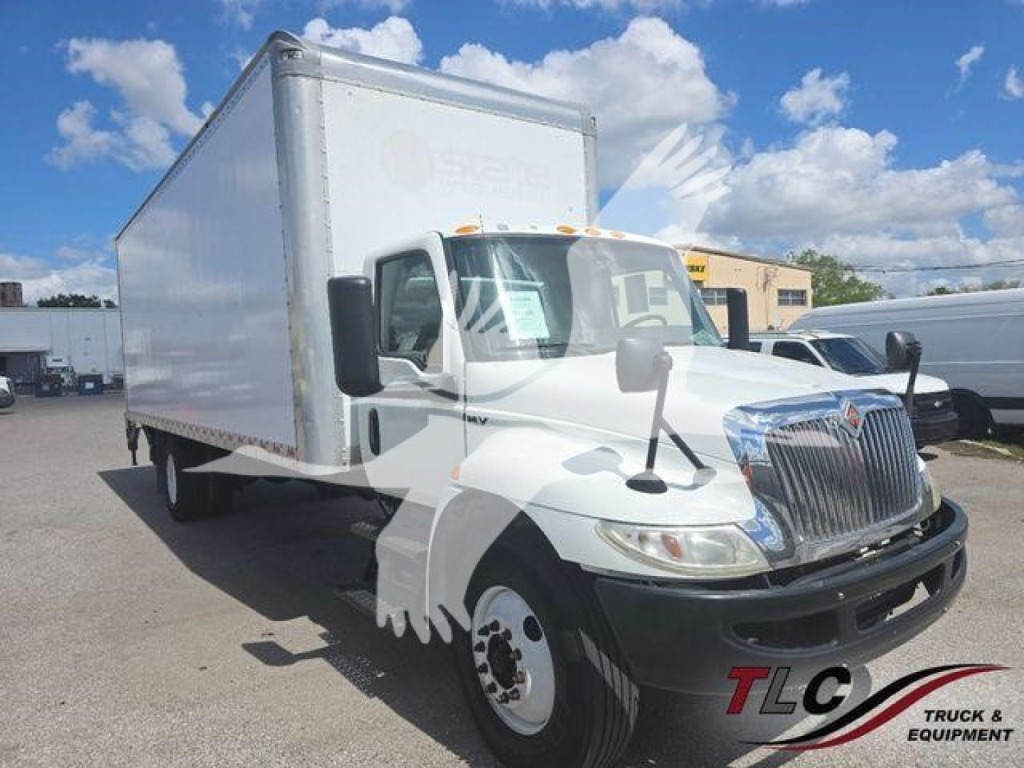
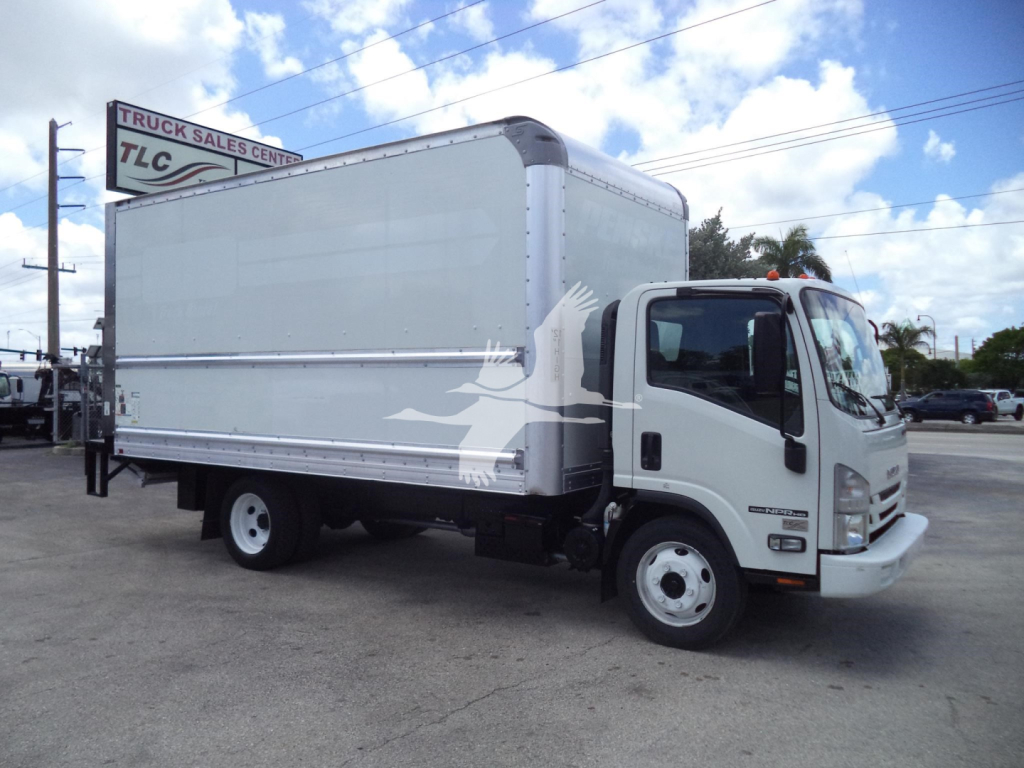
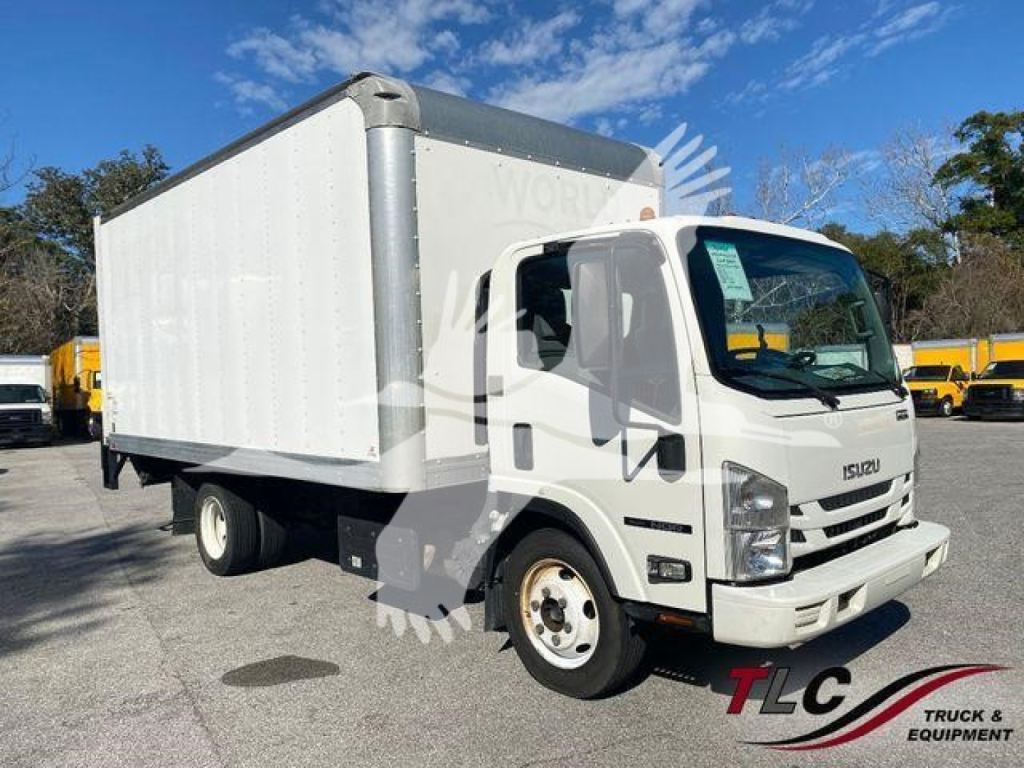
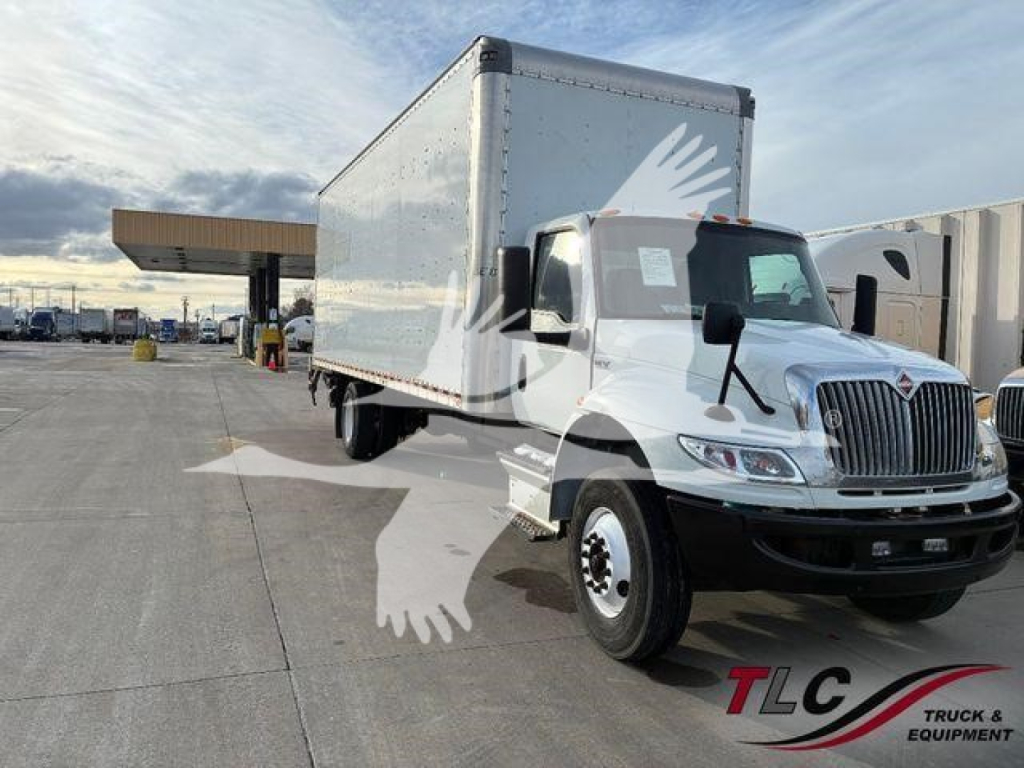
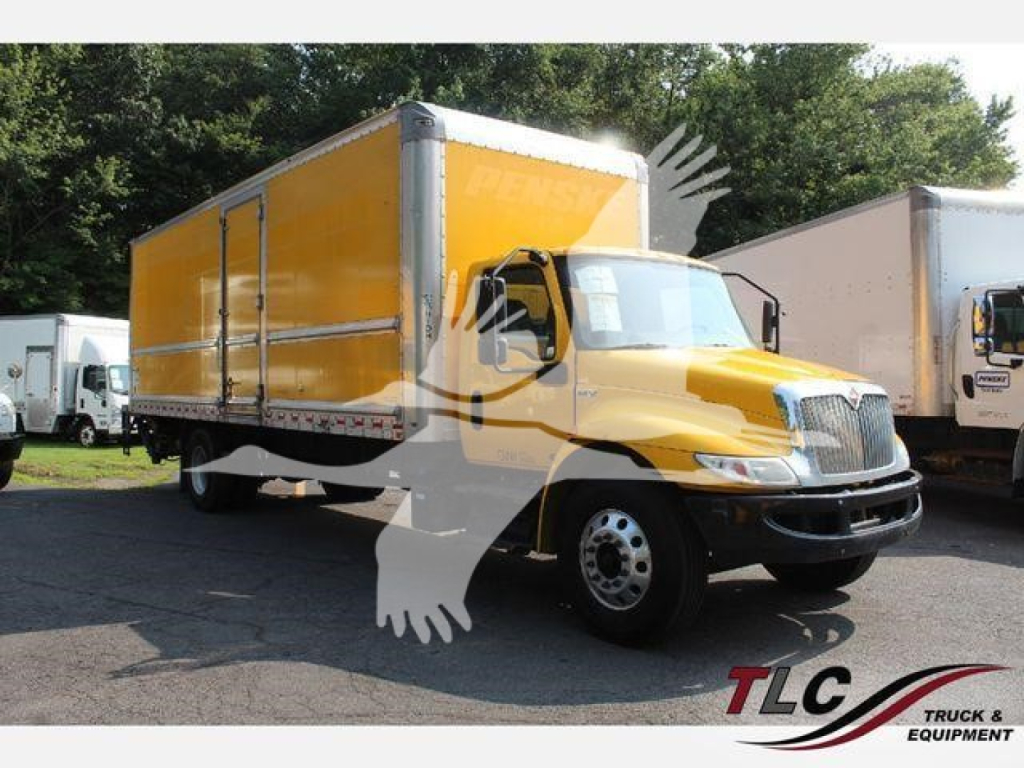
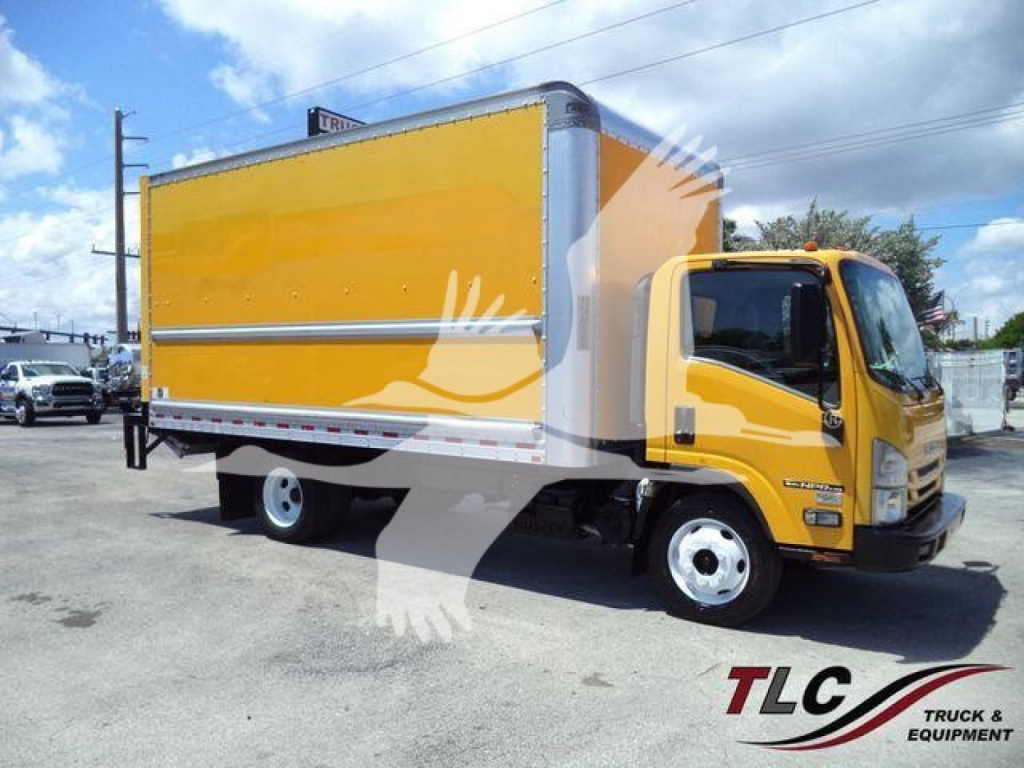
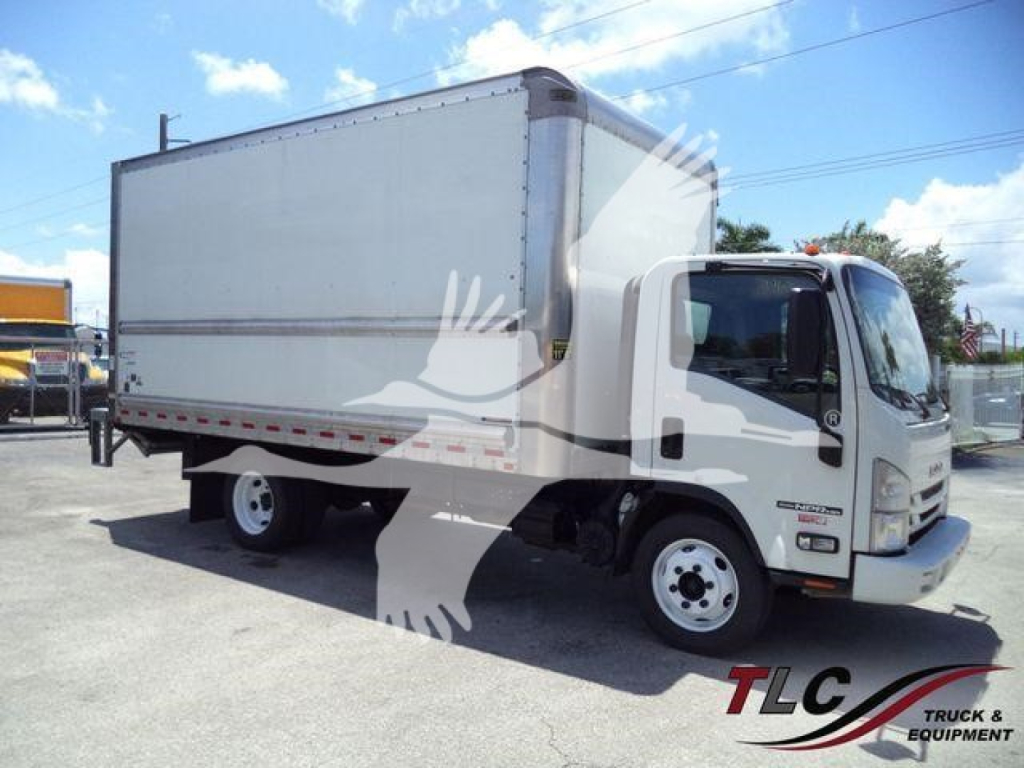
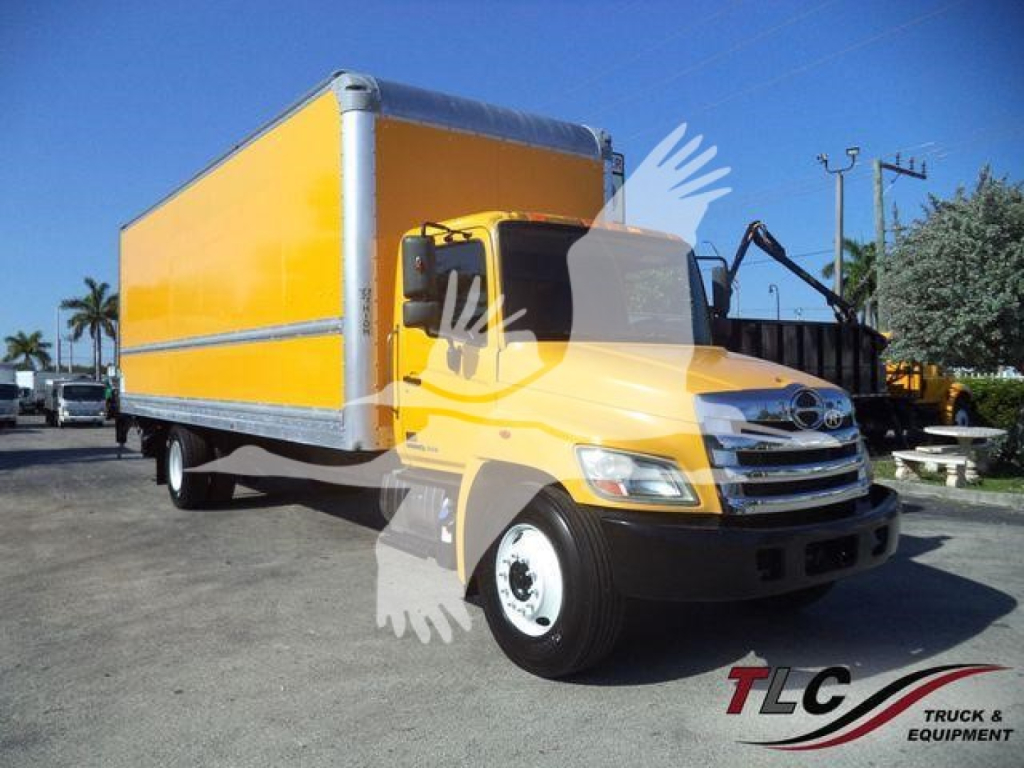
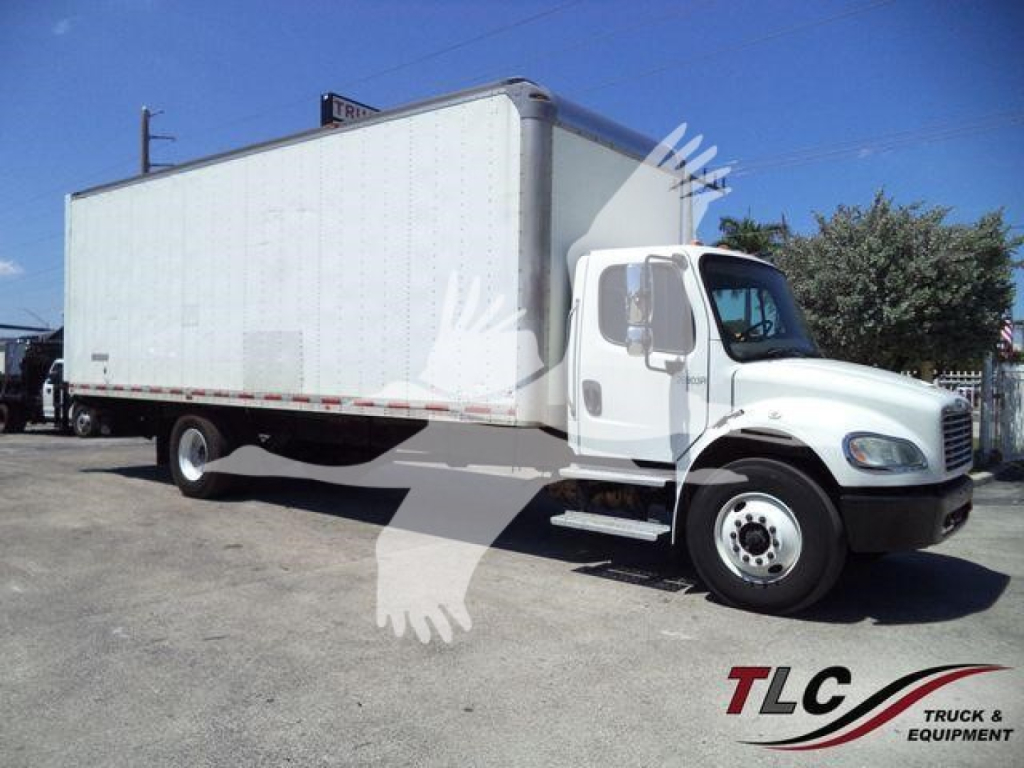
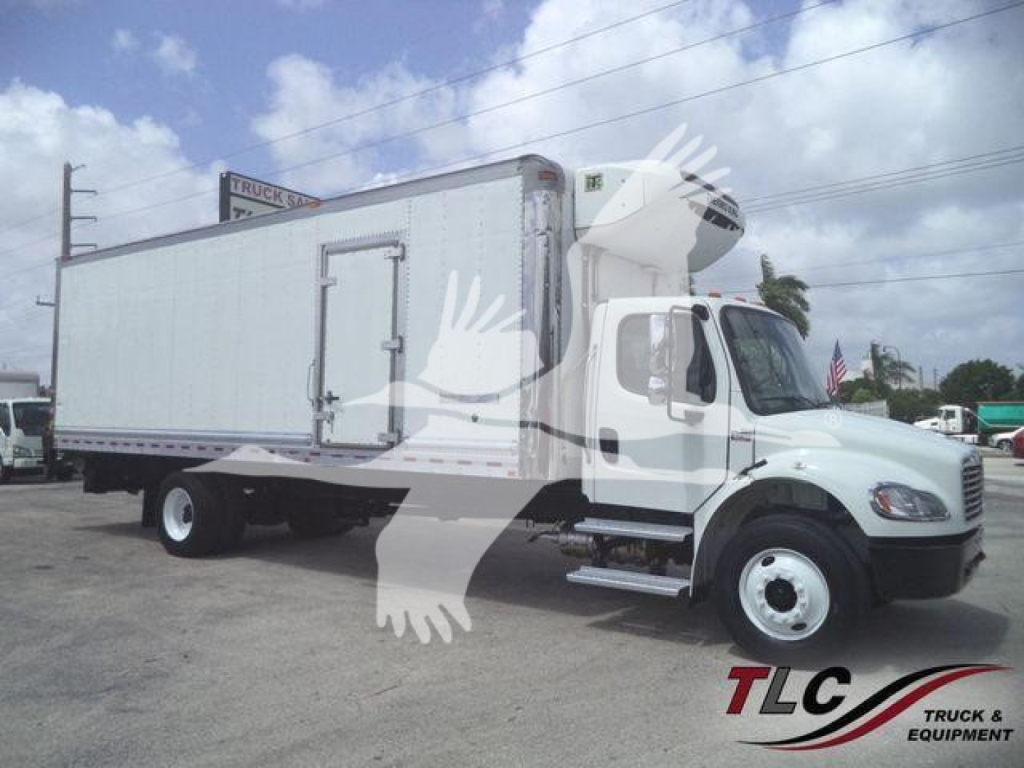
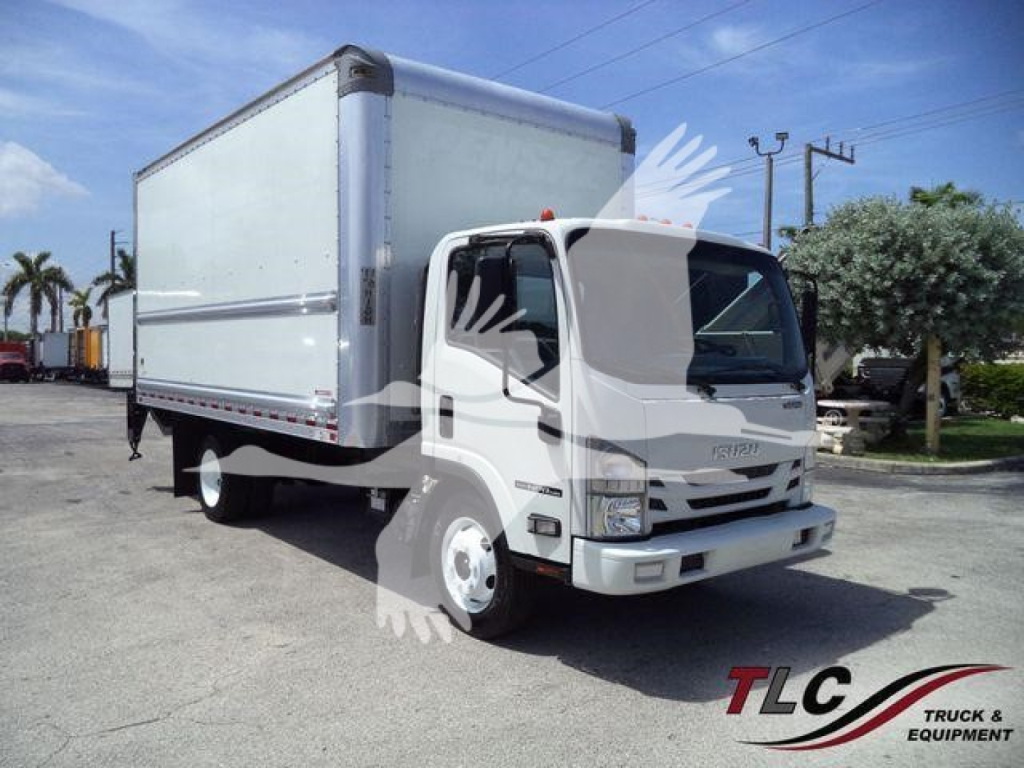
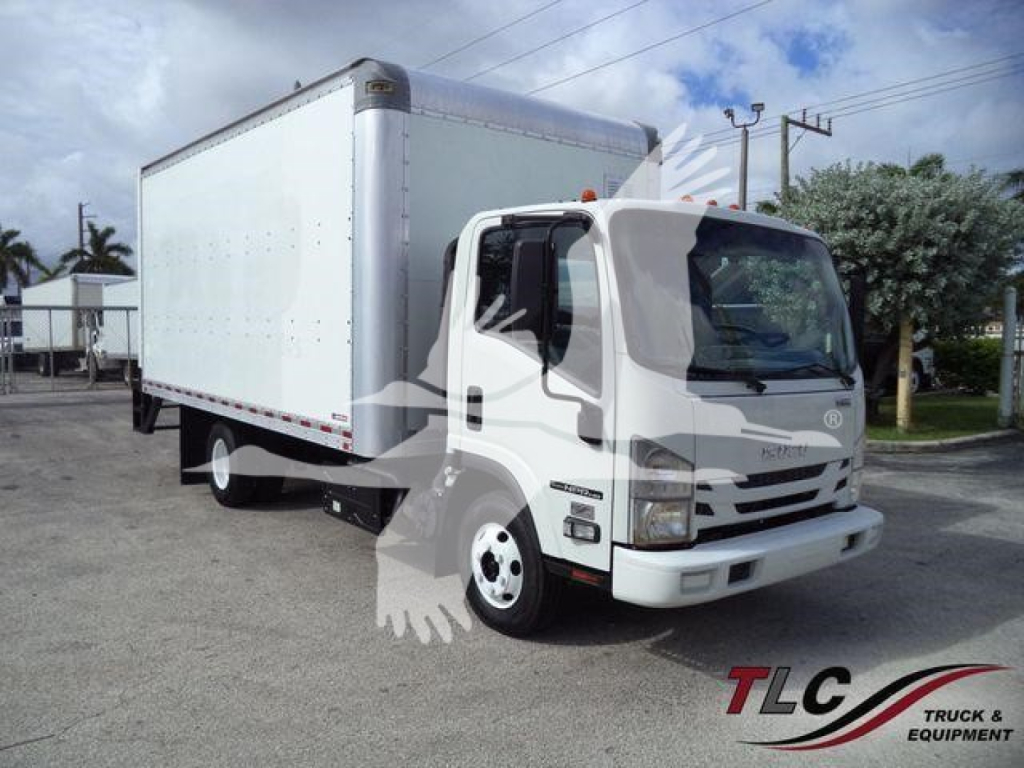
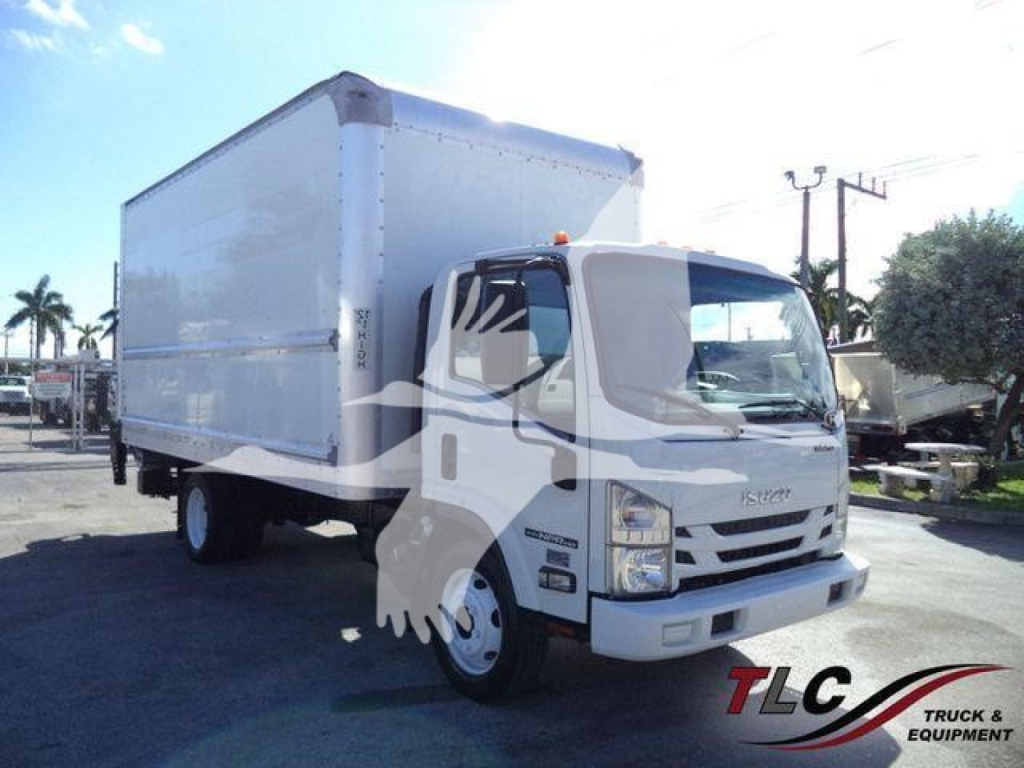
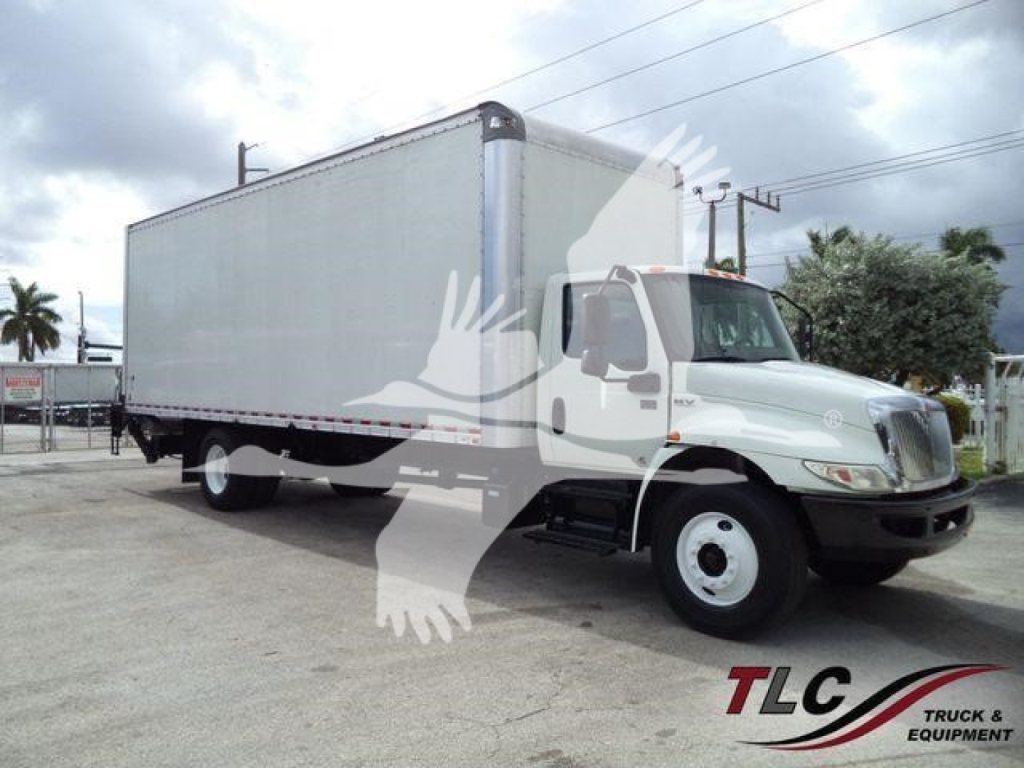
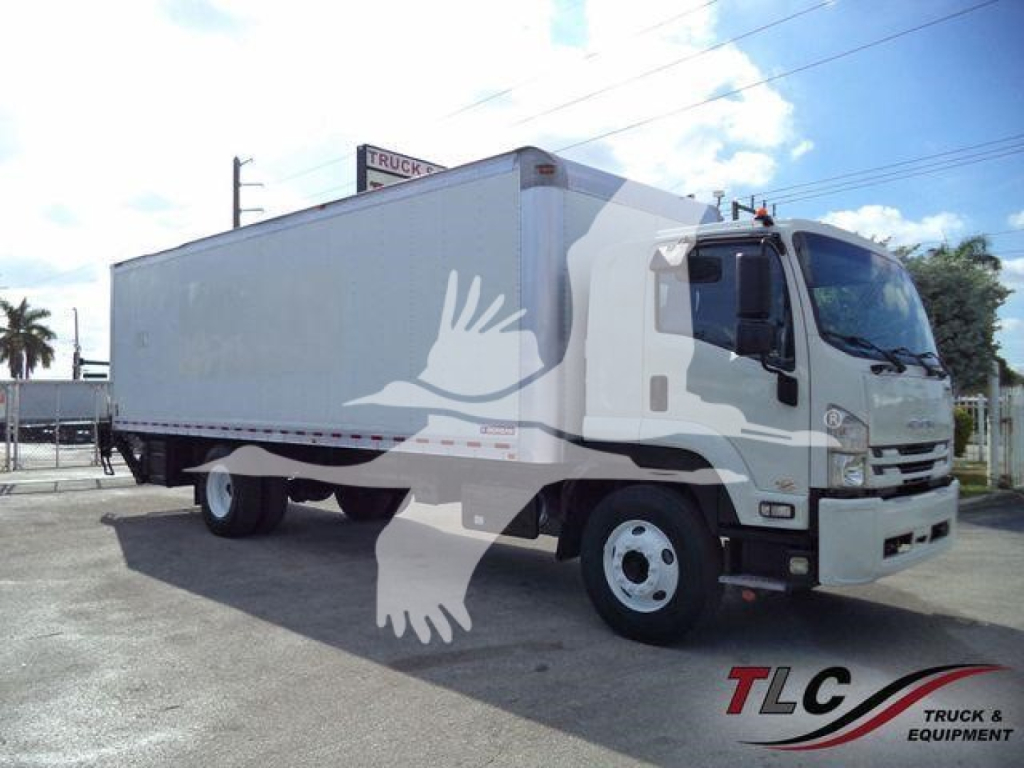
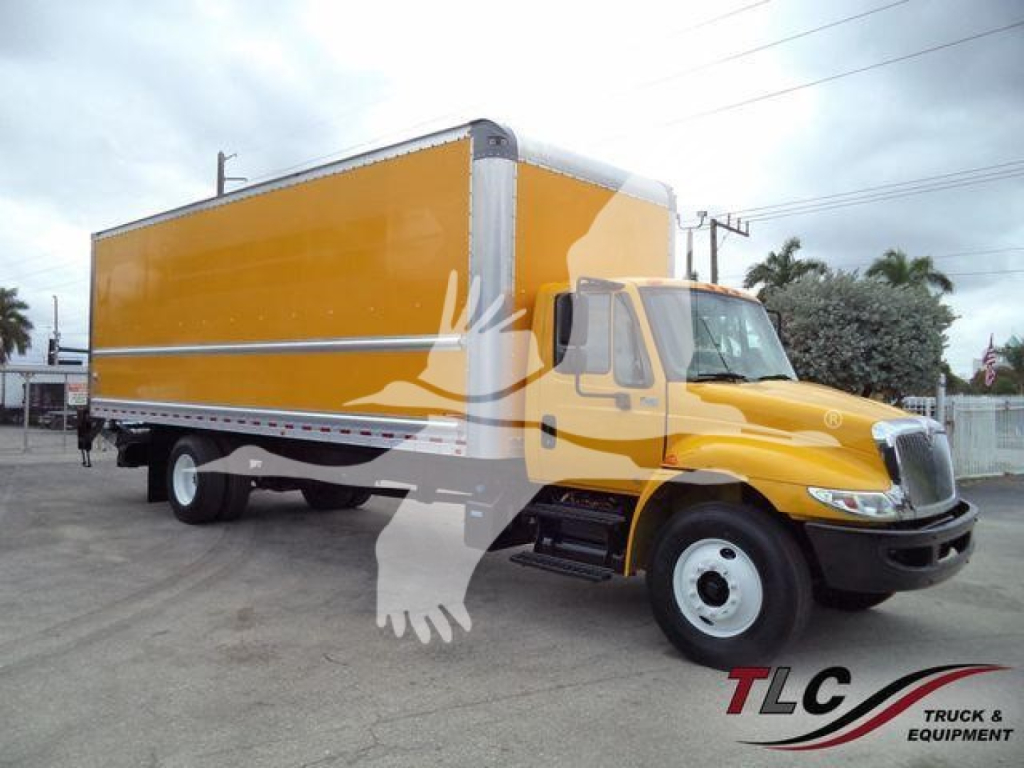
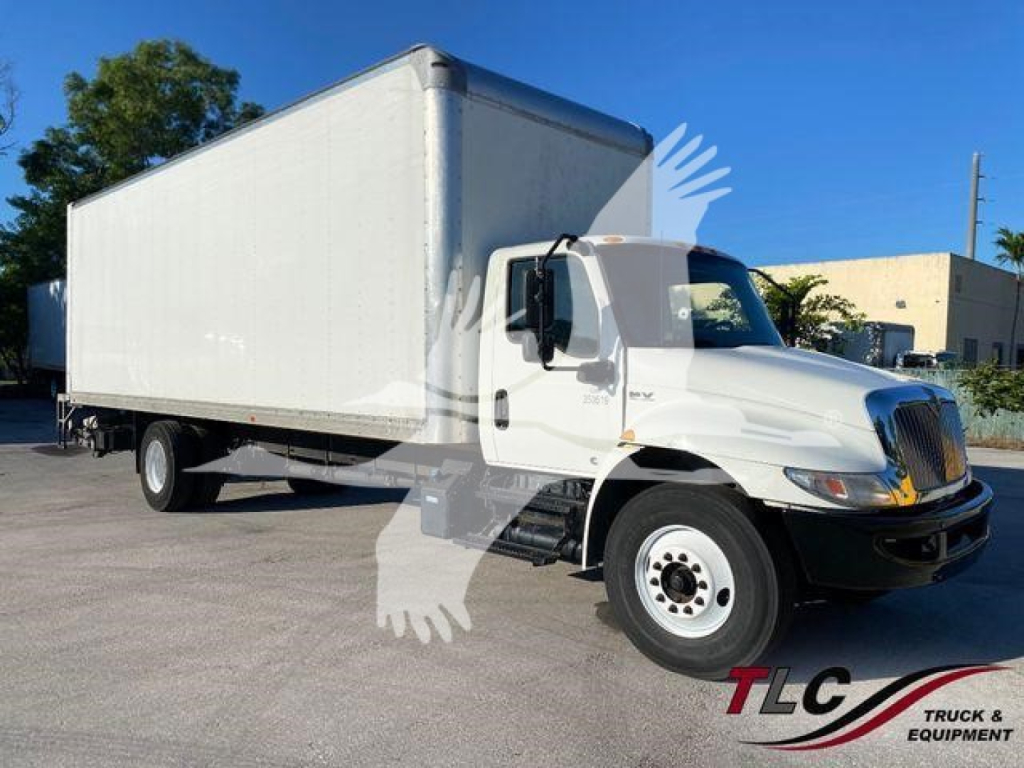
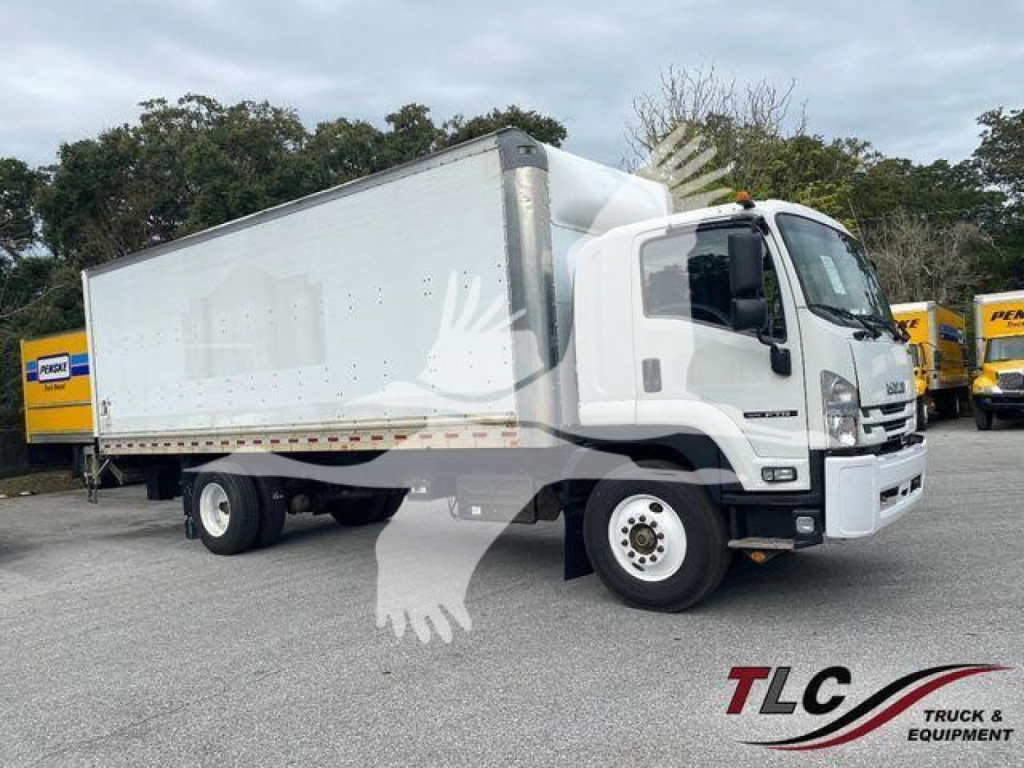
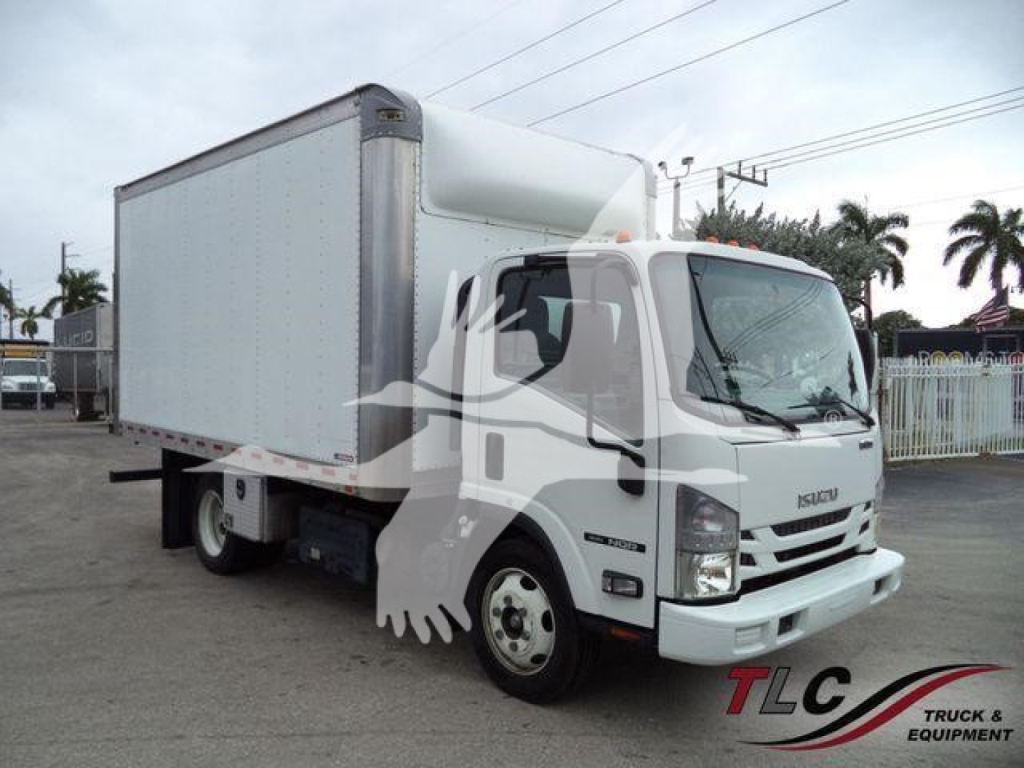
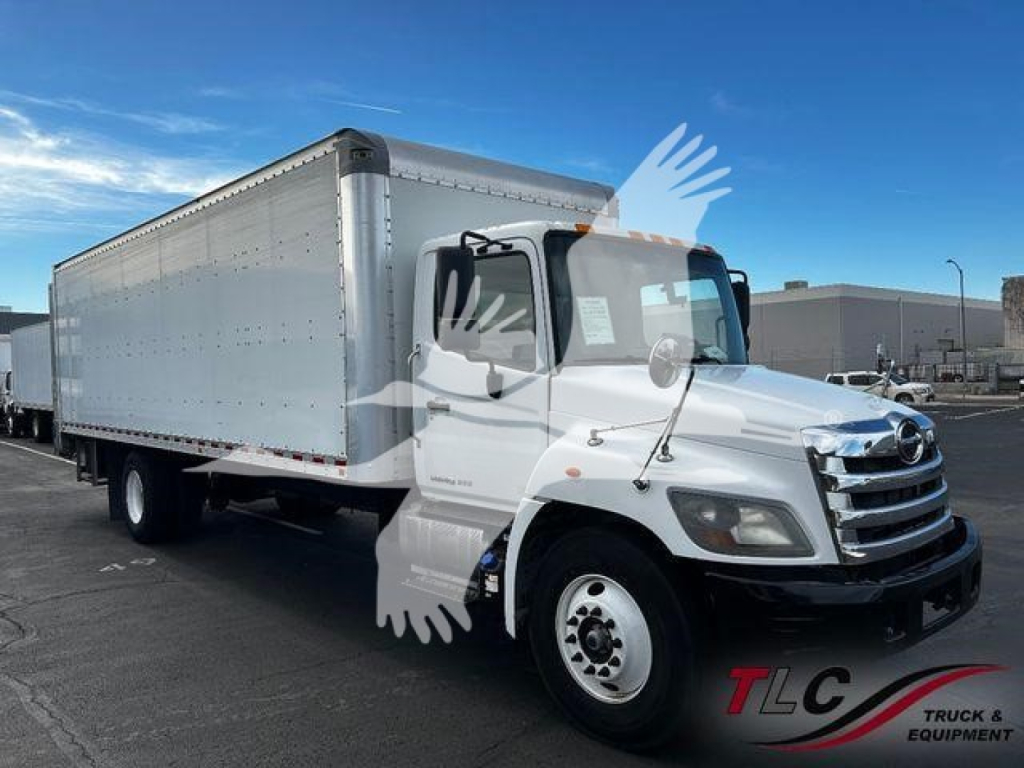
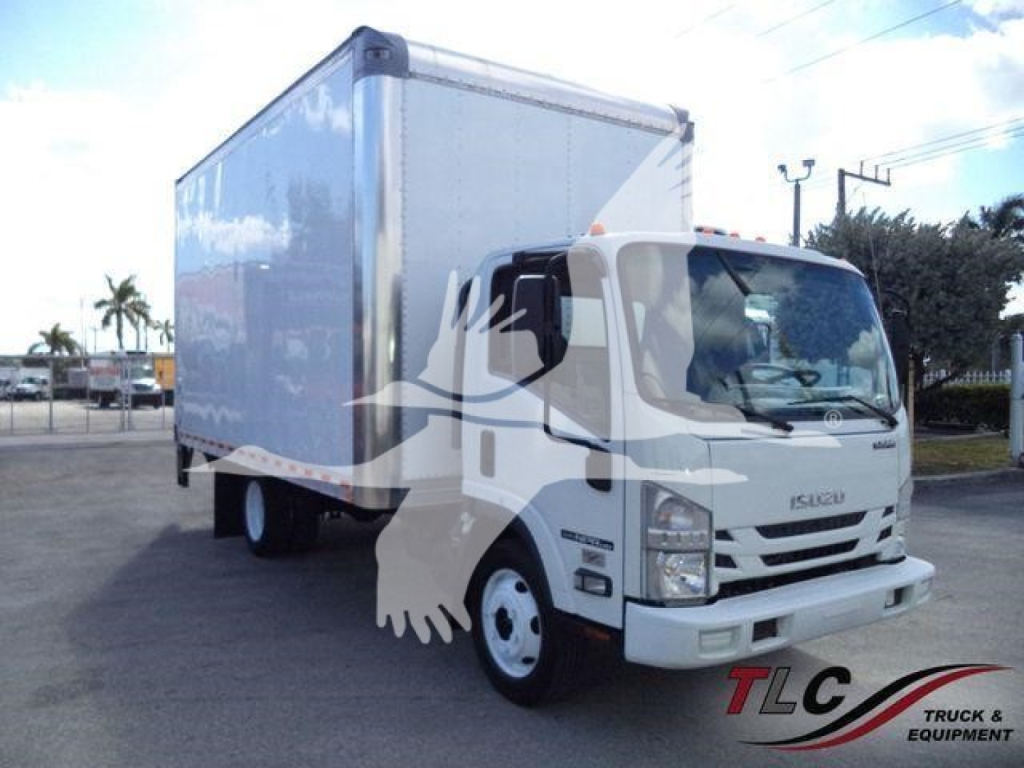
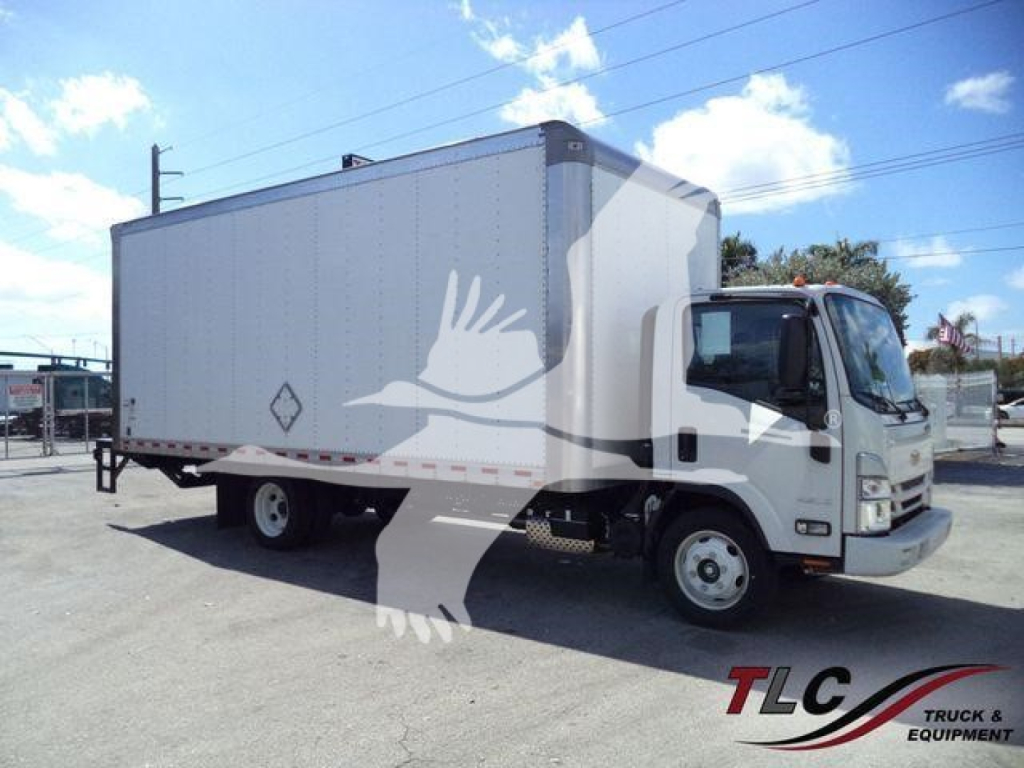
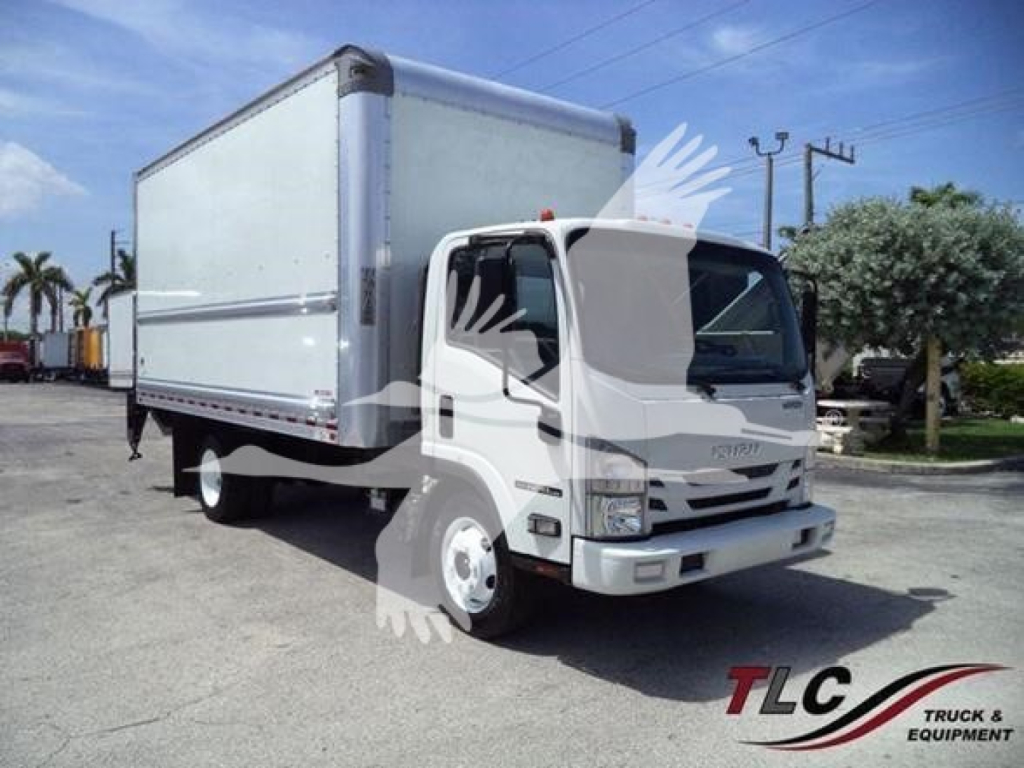
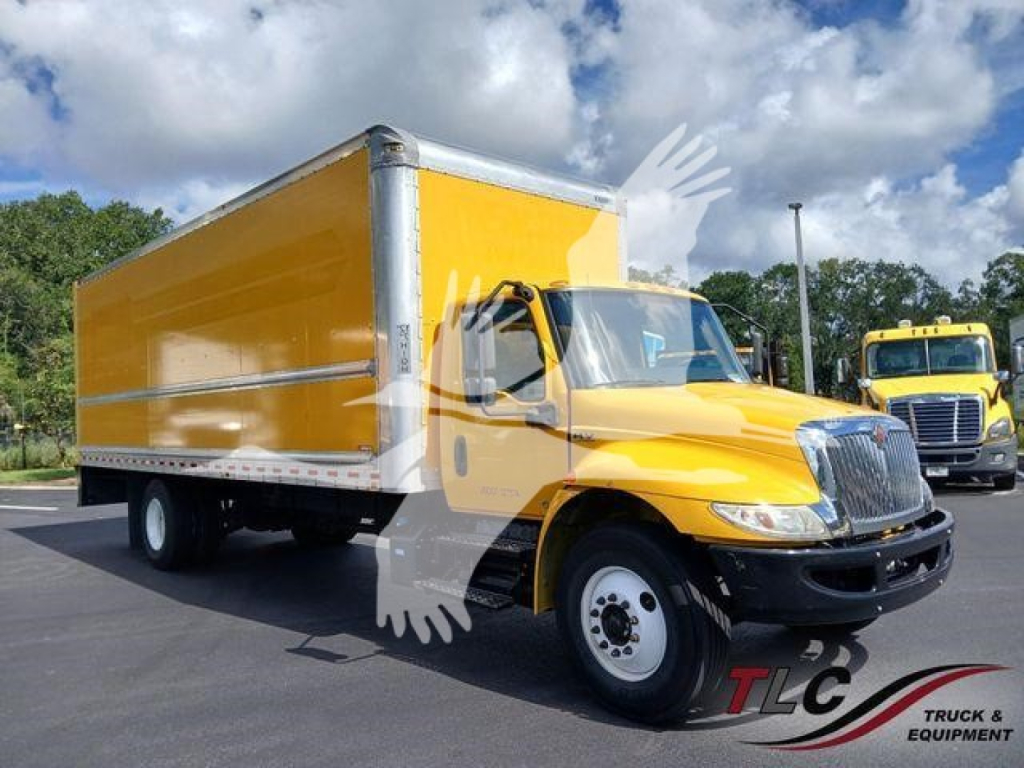
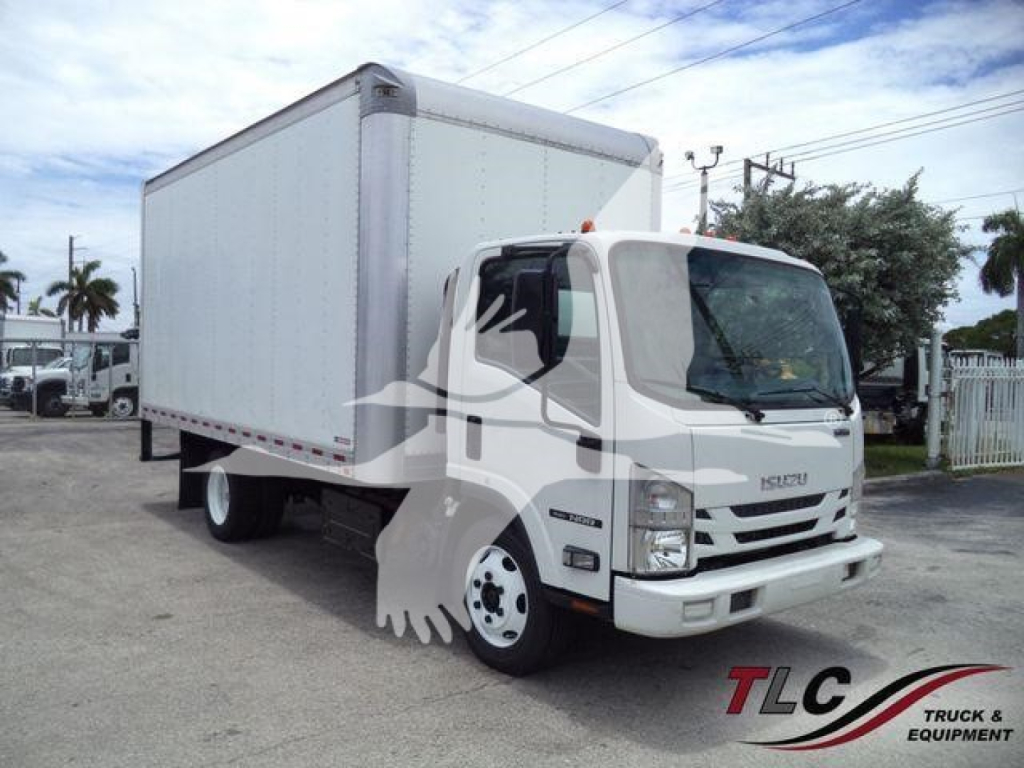
Showing 57 to 84 of 201 results
Selling a box truck? List your box truck for sale and reach thousands of commercial buyers.
Box Trucks in Minnesota
In this category, body lengths often range from around 10 to 26 feet, with Class 3 through Class 7 chassis depending on payload needs. Powertrains vary by age and application, but diesel engines remain common in medium-duty box trucks because they handle stop-and-go commercial use and higher payloads well. Gas-powered units can make sense for lighter-duty urban routes with lower annual miles. Key spec checks include wheelbase-to-body match, rear axle rating, transmission type, liftgate capacity, door opening height, and inside cargo dimensions. Buyers should also look closely at roof construction, floor material, scuff liners, E-track, roll-up versus swing doors, and whether the body was built for dry freight, refrigerated service, or a service-truck layout.
Minnesota buyers should pay extra attention to corrosion, cold-weather starting, and body integrity. Road salt can affect frame rails, brake lines, crossmembers, door hardware, and electrical connections, so underbody condition matters as much as engine hours or odometer miles. If the truck will run through winter, features like block heaters, strong batteries, good door seals, and reliable heater and defrost performance are worth checking early. Tire type, tread condition, and suspension setup also matter on mixed city and highway routes, especially when the truck sees loading docks, uneven yards, or seasonal weather changes.
A good box truck purchase comes down to matching the chassis to the route and the body to the freight. A lighter straight truck with a small van body may be ideal for tight residential deliveries, while a heavier F-650 or similar medium-duty platform can support larger payloads, tool storage, or specialized municipal and service use. Buyers comparing listings should focus on actual payload capability, body condition, service history, and equipment that affects daily productivity, especially liftgates, shelving, cargo securement, and cab accessibility. The best unit is not just the one with the biggest box, but the one whose axle ratings, body build, and operating costs fit the work.
Frequently Asked Questions about Box Trucks in Minnesota
What size box truck is best for local delivery work in Minnesota?
For local delivery, many buyers focus on a 16-foot to 26-foot box depending on stop density, dock access, and payload needs. Shorter box trucks are easier to maneuver in residential areas, alleys, and tight urban routes, while longer bodies offer more cubic capacity for furniture, parcel, and multi-stop freight. The right size depends on cargo weight as much as cargo volume, so GVWR, rear axle rating, and actual payload capacity should be reviewed before choosing body length alone.
Do you need a CDL to operate a box truck?
A CDL is generally required when the truck has a GVWR of 26,001 pounds or more, or when the combined weight and use case trigger federal or state requirements. Many box trucks fall below that threshold, which is one reason they are popular for delivery and service fleets. Buyers should still confirm Minnesota registration, licensing, air brake requirements, and any business-specific compliance rules before putting a truck into service.
What should I inspect on a used box truck in a cold-weather state like Minnesota?
In Minnesota, rust and winter-related wear should be high on the inspection list. Check frame rails, crossmembers, brake components, fuel and hydraulic lines, wiring, battery condition, door seals, floor softness, roof leaks, and liftgate operation in cold conditions. It is also smart to inspect the box corners, roll-up door tracks, and underbody for corrosion caused by road salt, because body repairs and electrical issues can become expensive quickly.
Is diesel or gas better for a box truck?
Diesel is often the better choice for medium-duty box trucks that carry heavier loads, run higher annual miles, or spend long days in commercial service. Gas engines can be a solid fit for lighter payloads, shorter urban routes, and operators who want lower upfront cost and simpler maintenance on some chassis. The decision should be based on route length, idle time, payload, maintenance capacity, and total operating cost rather than fuel type alone.
What box truck features add the most value for commercial buyers?
The most valuable features depend on the job, but liftgates, E-track, scuff liners, shelving, translucent roofs, and a well-built floor are consistently useful. Cab access, visibility, door type, and cargo height also affect productivity every day. For many buyers, a clean body with solid structural condition and practical loading equipment is more important than cosmetic appearance, because those details have the biggest impact on uptime and labor efficiency.