
2020 Hino Box Trucks For Sale
Shop 2020 Hino box trucks with key specs, GVWR, body lengths, liftgate options, and delivery-focused features buyers compare most.
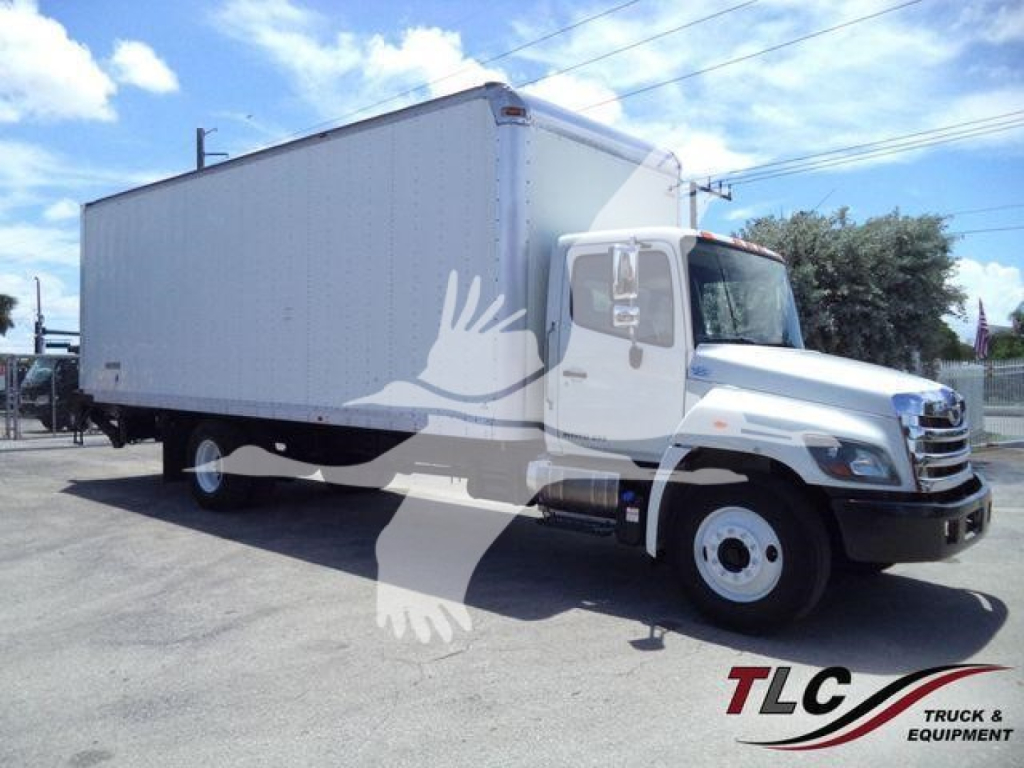
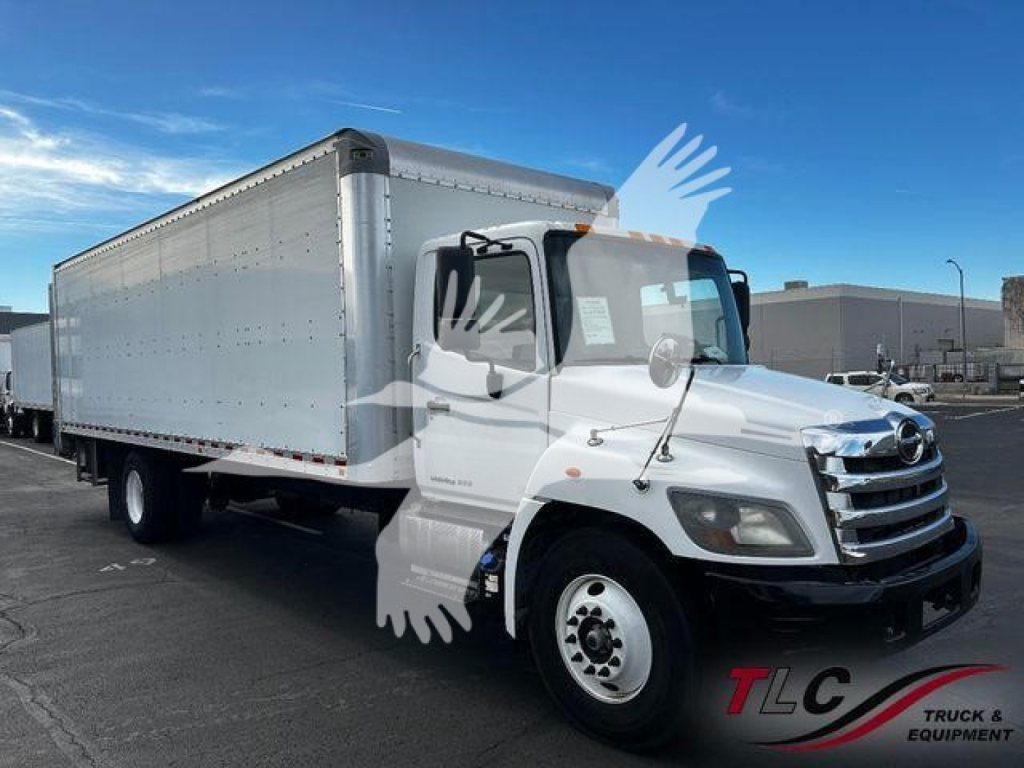
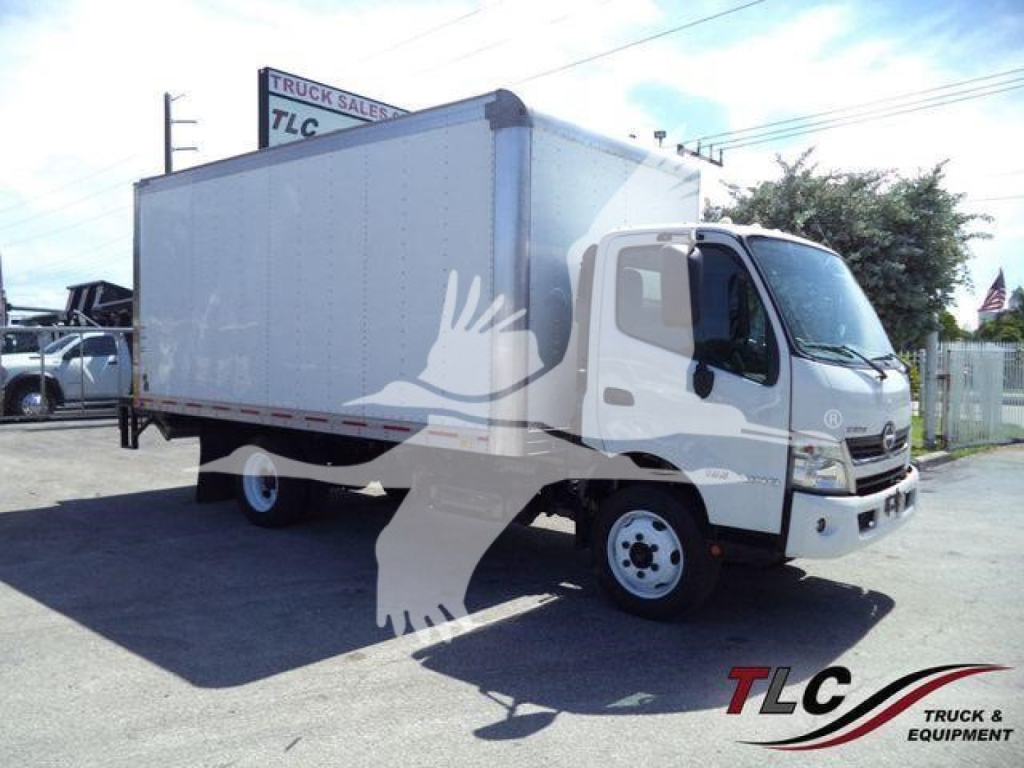

Selling a 2020 hino box truck? List your 2020 hino box truck for sale and reach thousands of commercial buyers.
2020 Hino Box Trucks
The core appeal of a 2020 Hino box truck is its medium-duty diesel platform paired with an Allison automatic transmission and a straightforward delivery body. Buyers should pay close attention to engine rating, rear axle ratio, suspension, and brake type because those specs affect stop-and-go performance, payload behavior, and maintenance costs. Typical body features in this class include roll-up rear doors, hardwood or laminated floors, E-track, scuff liners, translucent roof panels, and tuckaway or rail liftgates in the 2,500 to 3,500 lb range. If palletized freight is part of the job, inside width, interior height, door opening dimensions, and liftgate platform size are more important than the badge on the hood.
A 2020 Hino also stands out for cab ergonomics and visibility, which matter on dense urban routes. Drivers moving between tight alleys, loading docks, and residential streets usually want a clean sightline, manageable turning radius, and easy entry-exit through a day of frequent stops. Look at wheelbase in relation to box length, because a 26-foot body can feel very different depending on chassis spec. Air brakes versus hydraulic brakes, tire size, and suspension type also change how the truck behaves under load. For fleets, service history, current DOT inspection status, corrosion around the body mounts, and liftgate condition are often bigger value drivers than cosmetic appearance.
For most buyers, the best 2020 Hino box truck is the one whose body, GVWR, and route profile match the work. A lighter-spec under-CDL truck may be ideal for final-mile and city delivery, while a heavier Hino 338-style setup can make more sense for denser freight or a larger liftgate requirement. Check the body manufacturer, floor condition, roof integrity, and door seal wear just as carefully as the engine and transmission. On a used box truck, cargo box condition directly affects uptime, water intrusion risk, and resale value, so the truck should be judged as a complete package, not just as a chassis.
Frequently Asked Questions about 2020 Hino Box Trucks
What is the most common GVWR setup for a 2020 Hino box truck?
Many 2020 Hino box trucks are configured around 25,950 GVWR because that keeps the truck under the 26,001 lb CDL threshold in many applications while still allowing a 24-foot to 26-foot van body and a liftgate. This is a popular setup for route delivery, final-mile work, and fleets that want a broader hiring pool. Buyers still need to confirm local licensing rules, actual payload needs, and whether the body and liftgate combination leaves enough legal cargo capacity for the intended freight.
Which body length is most practical on a 2020 Hino box truck?
A 26-foot body is one of the most common and versatile choices because it supports multiple pallet positions and works well in furniture, appliance, parcel, and general freight service. A shorter body can be better in dense urban operation where maneuverability matters more than cube. The practical choice depends on wheelbase, dock layout, route density, and how often the truck backs into tight spaces. Body length should always be matched to real loading patterns rather than chosen on capacity alone.
Are 2020 Hino box trucks good for liftgate work?
Yes. Many 2020 Hino box trucks are equipped for liftgate service and are commonly paired with 2,500 lb to 3,500 lb liftgates. That makes them suitable for palletized freight, home delivery, and dock-independent stops. Buyers should inspect liftgate brand, platform dimensions, cycle condition, hydraulic performance, and any signs of frame or rear sill stress. A liftgate that is undersized for the freight mix will slow route times and increase wear on both the truck and the operator.
What should buyers inspect first on a used 2020 Hino box truck?
Start with the cargo body, not just the chassis. Check the floor for soft spots or delamination, inspect the roof and front wall for water intrusion, and look at the roll-up door, door frame, and seals for damage or misalignment. Then review maintenance records, engine and transmission operation, brake type, tire wear, and suspension condition. On delivery trucks, the box, liftgate, and rear structure often show the real history of the unit more clearly than the cab does.
What industries commonly use a 2020 Hino box truck?
This class is widely used in final-mile delivery, furniture and appliance transport, wholesale food distribution, office relocation, retail replenishment, beverage routes, and general dry freight. The reason is simple: a 2020 Hino box truck combines medium-duty diesel durability with enclosed cargo protection and relatively easy drivability. The exact fit depends on payload, body dimensions, liftgate requirement, and how much time the truck spends in urban stop-and-go service versus longer regional runs.