
Used Freightliner Box Trucks For Sale in California
Shop used Freightliner box trucks in California. Compare M2 and other models by GVWR, box length, liftgate, engine, and delivery use.
Learn more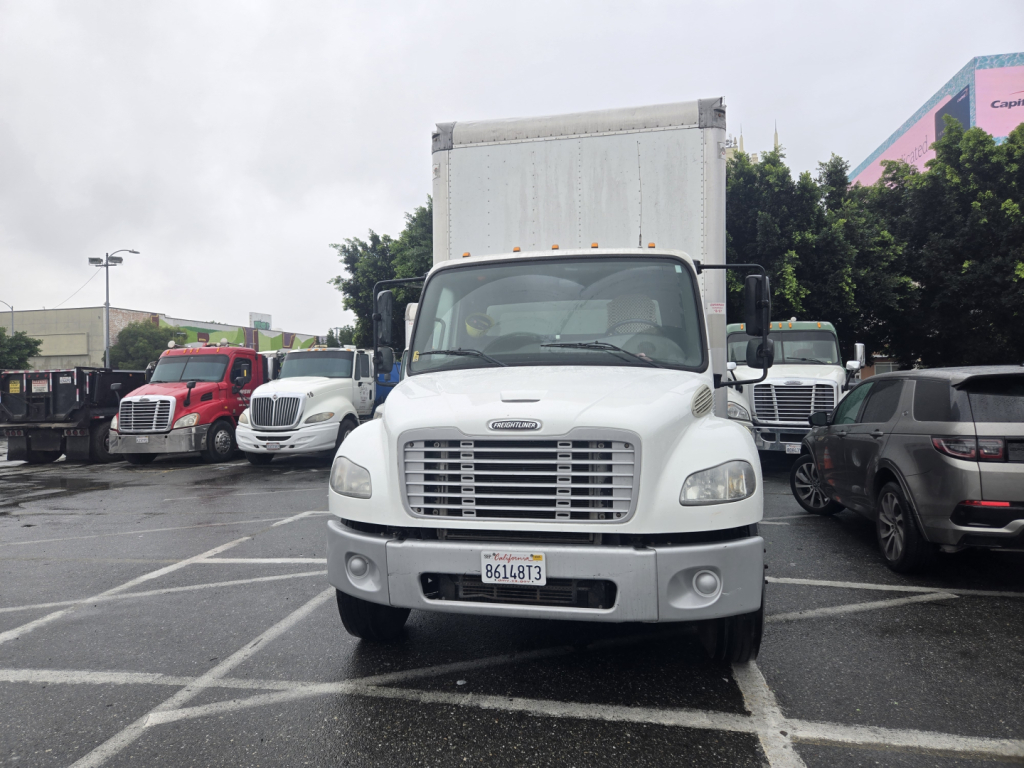

Have used freightliner box truck to sell? List it here to reach thousands of buyers.
About Used Freightliner Box Trucks in California
The first decision is usually chassis size and GVWR. Many used Freightliner box trucks are built in Class 6 or Class 7 configurations, often with diesel engines from Cummins paired to automatic transmissions. That combination suits stop-and-go delivery work and is generally preferred for ease of driver training and urban operation. Box dimensions matter just as much as the chassis. Common specs include 96-inch or 102-inch body width, interior heights around 96 to 108 inches, hardwood or laminated floors, E-track, translucent roofs, and roll-up rear doors. Liftgates are a major value point on used units, especially for final-mile freight, appliance delivery, beverage routes, and any operation without consistent dock access.
California buyers should pay close attention to engine year, aftertreatment system condition, and overall compliance requirements before narrowing down a used Freightliner box truck. CARB and local operating rules can affect where and how an older diesel truck is used. It also makes sense to inspect idle hours, maintenance history, DPF and DEF system records, tire wear, brake condition, and signs of body damage around the front corners, roof cap, and rear frame. On the box itself, look for water intrusion, floor soft spots, delamination, damaged scuff liners, and liftgate cycle or hydraulic issues. If the truck will run dense metro routes, wheelbase, turning radius, cab visibility, and door access can matter as much as engine specs.
A good used Freightliner box truck should match the freight, route density, and loading method of the job. Shorter wheelbase units work better in tight city deliveries, while 24-foot to 26-foot bodies are better suited to furniture, parcel, retail replenishment, and higher cube applications. Buyers comparing listings should look beyond mileage alone and weigh payload capacity, rear axle rating, body condition, and upfit features such as liftgates, backup cameras, cargo tie-down systems, and side doors. Freightliner remains a strong name in this segment because these trucks are familiar to technicians, widely supported in the used market, and available in configurations that fit everything from local delivery to regional route work.
Frequently Asked Questions
What is the most common Freightliner box truck model on the used market?
The Freightliner M2 is one of the most common box truck platforms on the used market. It is widely used for medium-duty delivery work because it offers good visibility, a comfortable cab layout, and broad service support. Many M2 box trucks are equipped with Cummins diesel engines and automatic transmissions, which makes them a practical fit for route delivery, moving, and general dry freight applications.
What box length is best for a used Freightliner box truck?
The right box length depends on the route and the freight. A 16-foot to 20-foot box is easier to maneuver in dense city streets, alleys, and tight customer locations. A 24-foot to 26-foot box provides more cubic capacity for furniture, retail, parcel, and general distribution work, but it can be harder to park and turn in urban areas. Buyers should compare cubic capacity, payload, wheelbase, and loading conditions rather than choosing by length alone.
Are liftgates important on used box trucks?
Liftgates are important if freight is loaded at ground level or delivered to locations without docks or forklifts. They are common on Freightliner box trucks used for final-mile delivery, appliances, beverages, office equipment, and moving work. On a used truck, the liftgate should be checked for platform damage, hydraulic leaks, corrosion, switch function, and cycle performance under load. A working liftgate can add real operational value, but a neglected one can become an immediate repair cost.
What should California buyers check on a used Freightliner box truck?
California buyers should verify emissions compliance, engine model year, and the condition of the aftertreatment system before purchase. Service records for the DPF, DEF system, and emissions-related repairs are especially important. Beyond emissions, inspect the box for leaks and floor wear, review brake and tire condition, and confirm that the truck’s GVWR and axle ratings match the intended payload. In California delivery service, maneuverability and uptime are often just as important as engine power.
Is mileage the most important factor when buying a used Freightliner box truck?
Mileage matters, but it should not be the only factor. A box truck with consistent maintenance records, a clean cargo body, and a well-kept liftgate can be a better value than a lower-mile truck with poor service history or heavy body damage. Buyers should also review engine hours, transmission operation, suspension wear, brake life, tire condition, and evidence of water intrusion or structural repairs in the box. Total operating condition is usually more important than odometer reading alone.