
Pro-Tote Boom Trucks For Sale
Browse Pro-Tote boom trucks and hydraulic fifth wheel wreckers built for medium-duty towing, recovery, transport flexibility, and fleet use.
Have pro-tote boom truck to sell? List it here to reach thousands of buyers.
Pro-Tote Boom Trucks
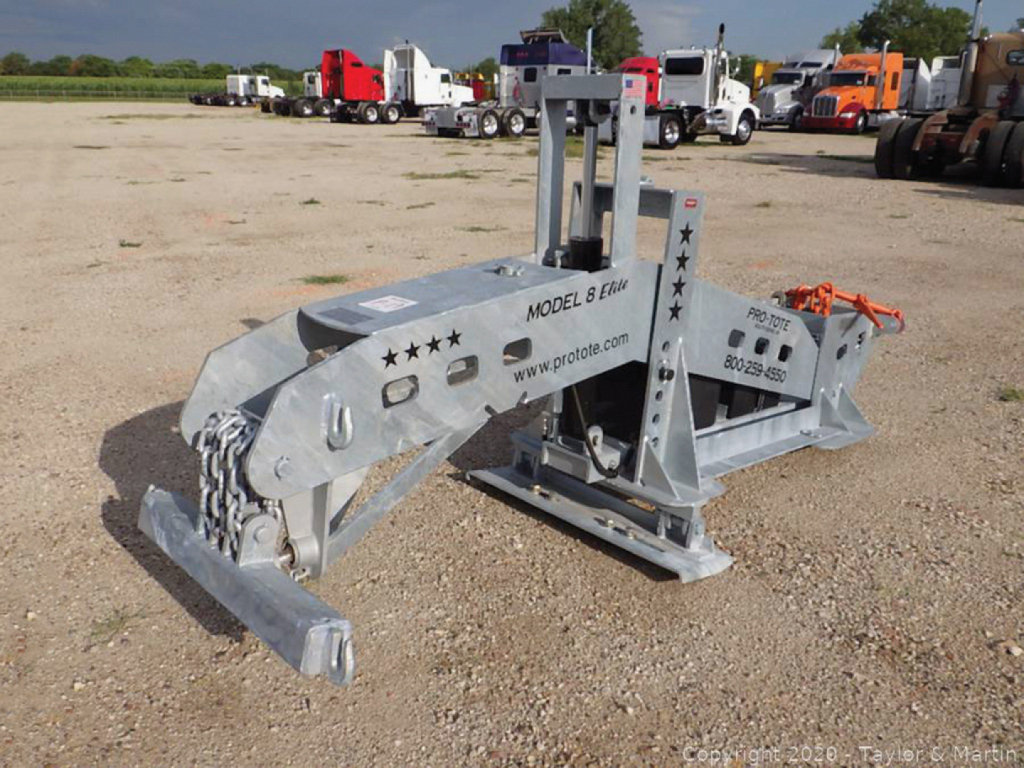
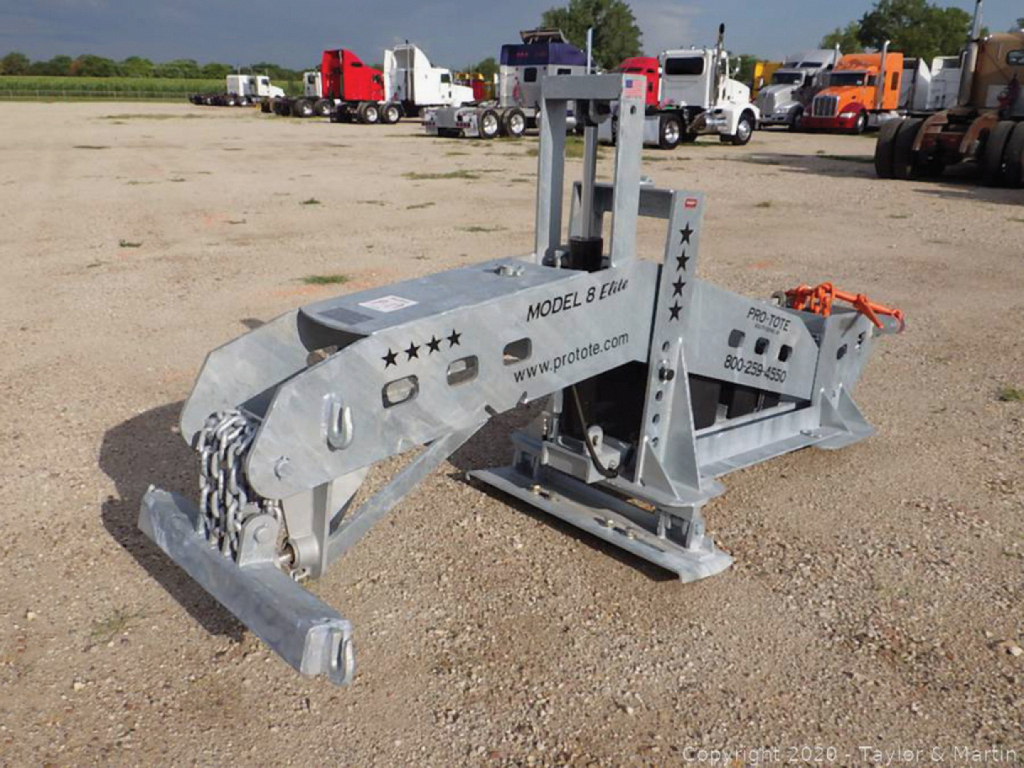
The key buying decision is matching the Pro-Tote body to the chassis and the work you expect it to do. Capacity ratings, underlift design, boom construction, hydraulic performance, wheelbase compatibility, and rear axle loading all matter. On hydraulic fifth wheel models, buyers should pay close attention to lift rating, reach, stinger movement, frame reinforcement, PTO and pump setup, and how the unit distributes weight when towing a loaded front axle. If the truck will be used for frequent recoveries instead of straight transport, look closely at winch specification, hydraulic control layout, rear overhang, and the practical working angles available at pickup.
A Pro-Tote boom truck can be a strong fit for fleets that need a tow unit without stepping up to a full rotator or large heavy-duty wrecker. These trucks are often chosen by towing operators, truck dealers, municipalities, fleet maintenance operations, leasing companies, and repossession or relocation specialists. In urban work, compact overall length and faster hookup can be an advantage. In regional hauling or service territory work, operators often value the ability to recover and transport disabled commercial vehicles with less complexity than a larger dedicated recovery truck.
Condition and installation quality are just as important as brand and model. Buyers should inspect crossmembers, subframe mounting, hydraulic cylinders, hose routing, boom pins, pivot points, controls, lighting, and any signs of stress around the frame or rear structure. On used units, ask about PTO engagement, hydraulic leaks, wear at the underlift, and any chassis modifications required for the body. A properly spec'd Pro-Tote boom truck can deliver efficient commercial towing capability, especially for operations focused on medium-duty transport, quick response work, and practical day-to-day recovery service.
Frequently Asked Questions about Pro-Tote Boom Trucks
What is a Pro-Tote boom truck typically used for?
A Pro-Tote boom truck is typically used for towing and transporting disabled commercial vehicles, medium-duty trucks, buses, vans, and similar equipment. Many Pro-Tote units are hydraulic fifth wheel wreckers, which makes them especially useful for quick front-end lifts and controlled vehicle relocation. They are commonly chosen for medium-duty towing work where a full heavy wrecker would add unnecessary size, cost, and operating weight.
What should I check when buying a used Pro-Tote hydraulic fifth wheel wrecker?
Focus on the lifting structure, hydraulic system, and installation quality. Check boom pins, pivot points, cylinders, hoses, PTO operation, pump performance, frame reinforcement, and rear axle loading. Inspect the underlift or fifth wheel pickup assembly for wear, welding repairs, cracks, and alignment issues. It is also important to confirm that the body was properly matched to the chassis and that the truck can legally and safely handle the towing loads you expect.
How is a Pro-Tote different from a full heavy-duty wrecker?
A Pro-Tote is generally a more compact towing solution aimed at medium-duty commercial recovery and transport. A full heavy-duty wrecker is built for larger recovery jobs, higher winch capacities, more advanced boom functions, and more demanding off-angle lifts. Pro-Tote units are often preferred when the job is primarily relocation and transport of disabled vehicles rather than complex heavy recovery scenarios.
Are Pro-Tote boom trucks a good fit for fleet and municipal use?
Yes, they can be a practical fit for fleet operators, municipalities, utilities, and service organizations that need to move disabled trucks or specialty vehicles without outsourcing every tow. A Pro-Tote-equipped truck can reduce downtime by giving an in-house team the ability to recover or relocate equipment quickly. The best fit depends on the expected vehicle weights, frequency of use, and whether the truck will perform straight towing, roadside recovery, or both.