
Used Autocar Trucks For Sale in California
Used Autocar trucks for sale in California: compare refuse, yard and vocational specs, verify CARB eligibility, and inspect hydraulics and CNG systems.
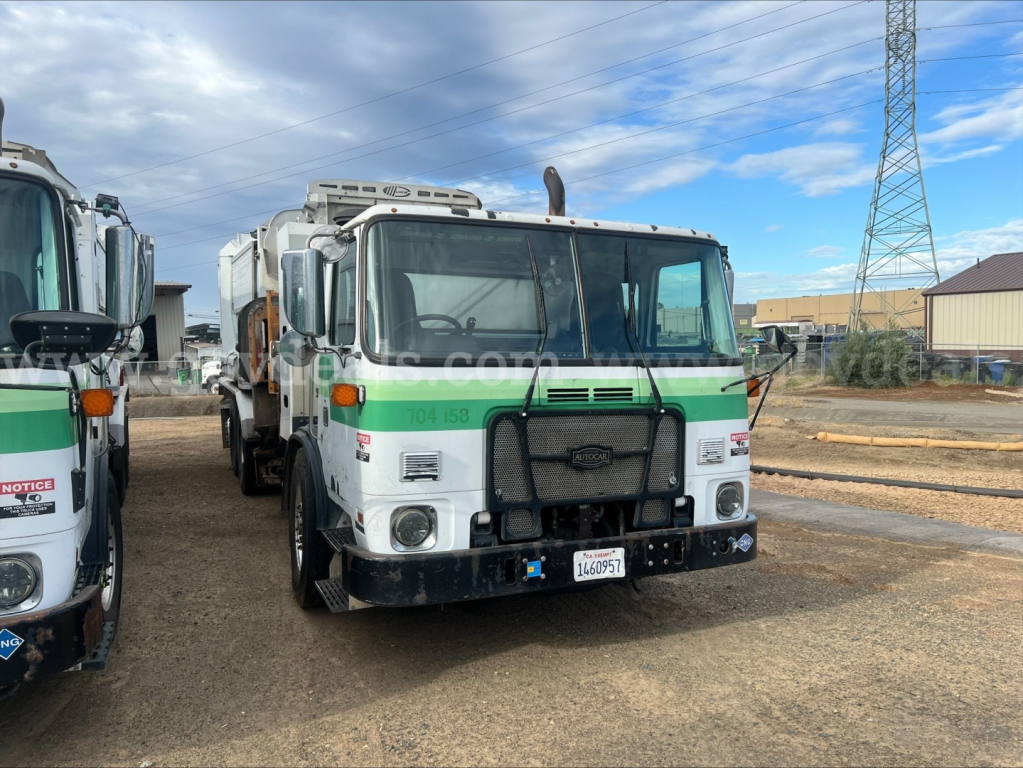
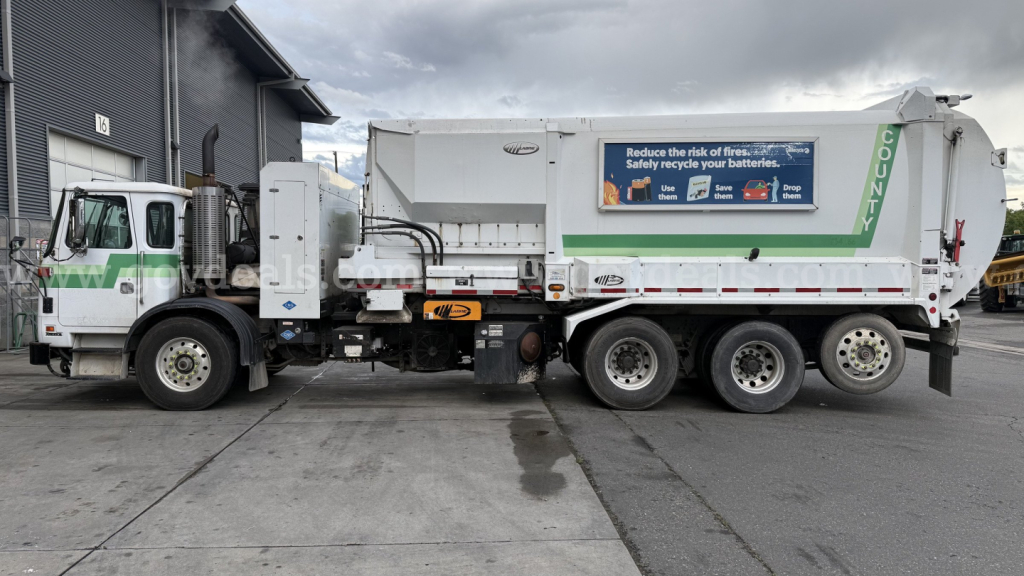

Selling a used autocar truck? List your used autocar truck for sale and reach thousands of commercial buyers.
Used Autocar Trucks in California
Cummins engines paired with Allison automatics are common across used Autocar applications, but fuel systems and emissions configurations vary substantially by model and age. Older CNG refuse chassis commonly use the Cummins ISL G, while many diesel Xspotters use a 6.7-liter Cummins. Verify the engine identification plate, emissions label, transmission model, and axle ratings rather than relying on a model badge. On-road diesels from the 2007 emissions era commonly have DPF systems; many 2010-era and later engines add SCR and DEF. Chassis year alone does not establish engine certification.
Engine hours, idle hours, PTO hours where recorded, and ECM fault history reveal work that mileage misses on collection trucks and yard tractors. Request maintenance records for cooling systems, injectors, transmission service, and emissions repairs. Inspect refuse packer floors, tailgate hinges, lifting gear, hydraulic cylinders, and body mounting points during operation. On a terminal tractor, check fifth-wheel lift operation, boom pivots, coupling jaws, air lines, and repeated forward-reverse engagement. Excessive hydraulic drift or delayed transmission engagement deserves diagnosis before purchase.
Axle ratings, wheelbase, turning clearance, and body weight determine whether a chassis fits the job. California collection routes can favor low-entry cabs and tight maneuverability, while roll-off and construction work require compatible hoists, adequate frame strength, and suitable axle spacing. Calculate legal payload from actual ready-to-work weight, not the body manufacturer's capacity alone. Additional axles do not automatically deliver their combined rated capacity legally; California axle limits, bridge spacing, and route restrictions still govern.
California operation also demands a separate compliance and climate inspection. Check applicable CARB Truck and Bus requirements and DMV registration eligibility before buying an older diesel for road work. Confirm whether a yard tractor was built and documented for highway use rather than assuming lights and mirrors establish eligibility. Central Valley heat and dust make radiator, charge-air cooler, and air-cleaner condition especially important. Coastal salt exposure warrants attention to electrical connectors, cab mounts, air tanks, and frame corrosion, even on equipment without a Snow Belt history.
Frequently Asked Questions about Used Autocar Trucks in California
Do used CNG Autocar trucks need California Clean Truck Check compliance?
CNG-powered Autocar trucks over 14,000 pounds GVWR generally fall under California's Clean Truck Check program when operated on public roads. The program covers qualifying non-gasoline heavy-duty vehicles, not just diesels, although inspection methods differ by engine technology. Verify the vehicle's reporting, testing, and compliance status through CARB records, and check applicable exemptions rather than assuming natural gas fuel removes the requirement.
Can an Autocar Xspotter yard truck be registered for highway use in California?
Only an appropriately certified and documented Autocar Xspotter should be considered for California highway registration. Terminal tractors can have materially different on-road and off-road configurations, and adding lights or obtaining a bill of sale does not establish highway eligibility. Verify the manufacturer's certification label, emissions certification, ownership documents, and DMV requirements before planning any public-road travel, including short moves between nearby yards.
How long do CNG tanks last on a used Autocar refuse truck?
The expiration date on each CNG cylinder label controls its permitted service life, not the age of the Autocar chassis alone. Cylinders can have different approved lifespans, so inspect every label and confirm that installation and inspection records match the installed tanks. Expired cylinders require replacement, and collision damage, abrasion, heat exposure, or damaged mounting straps can require removal from service before expiration.
Can I convert an Autocar side-loader garbage truck to a different body?
A used Autocar refuse chassis can sometimes accept a different body, but frame dimensions, axle loading, and hydraulic compatibility determine whether conversion is practical. Check available cab-to-axle space, frame reinforcement, PTO capacity, pump flow, and electronic control integration with the proposed body builder. Removing an existing packer does not establish suitability for a roll-off hoist, front loader, or other vocational installation.