
Ambulance Trucks For Sale in Massachusetts
Browse Ambulance trucks for sale in Massachusetts. Compare rescue body types, chassis, GVWR, powertrain, storage, and service-ready specs.
No exact matches found for your search
Showing Commercial Trucks instead.

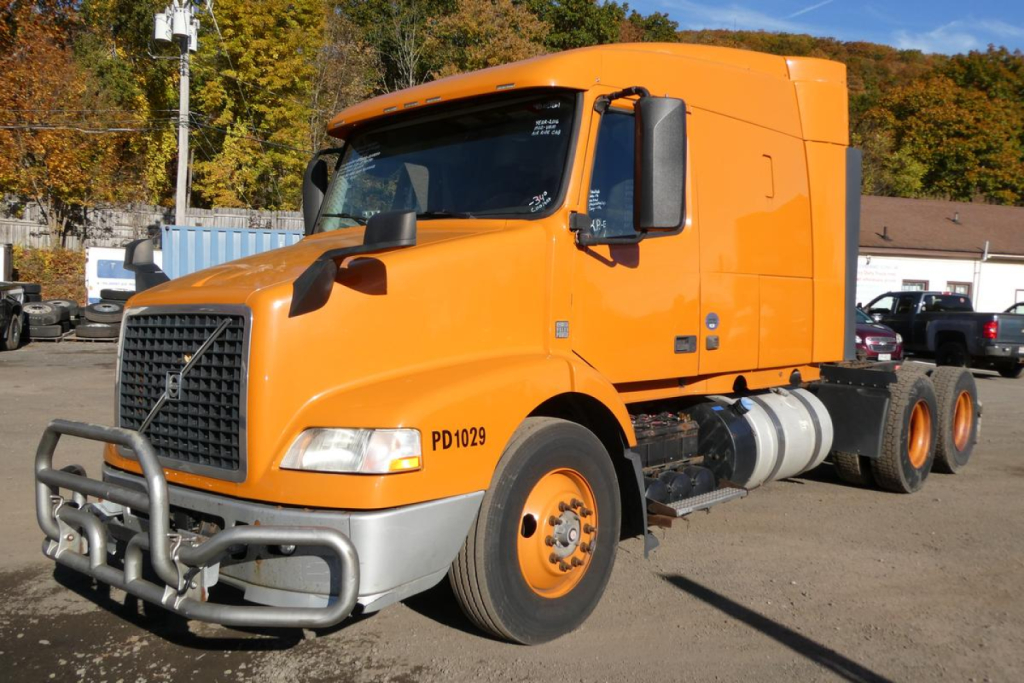
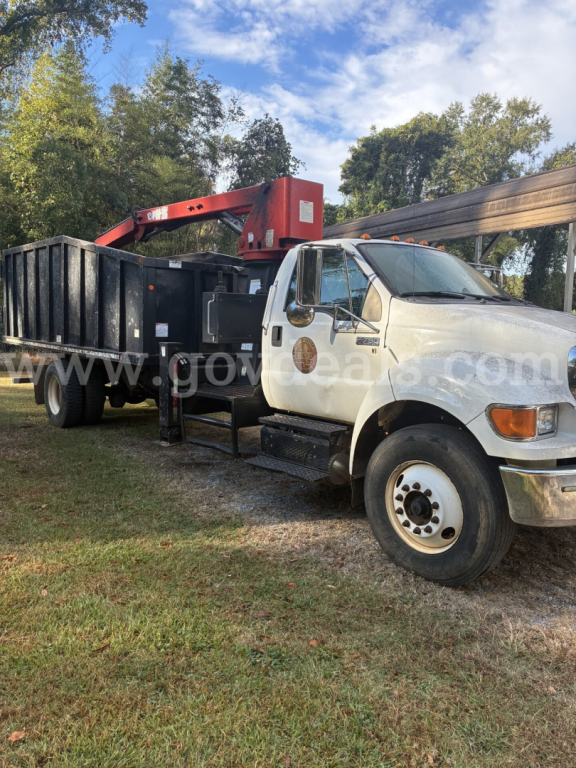
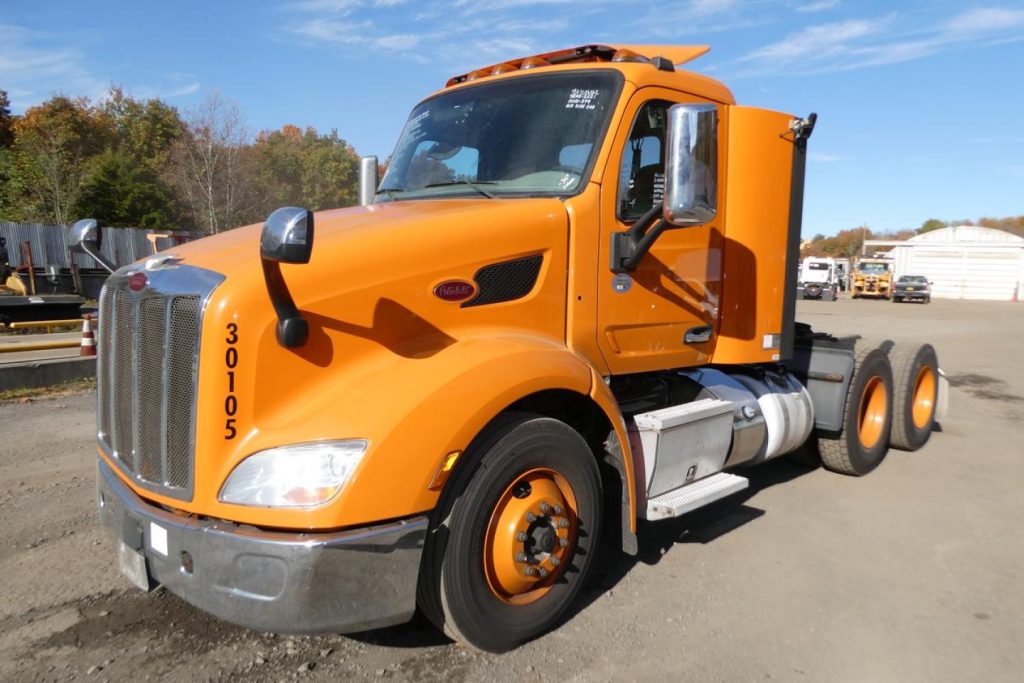

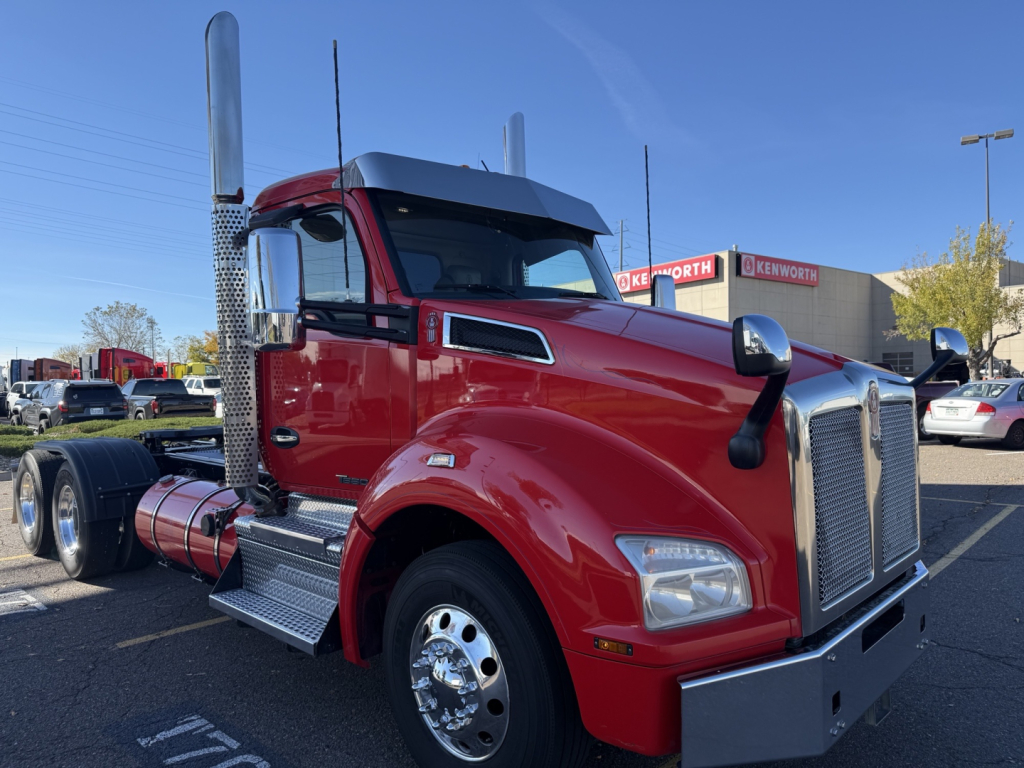
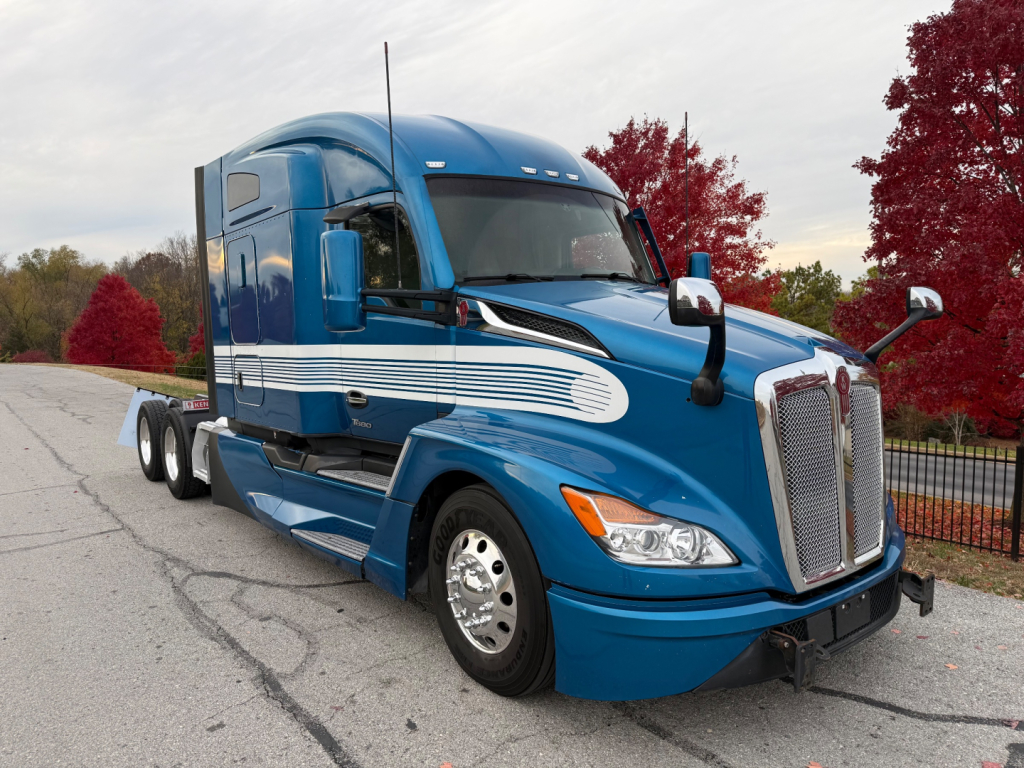
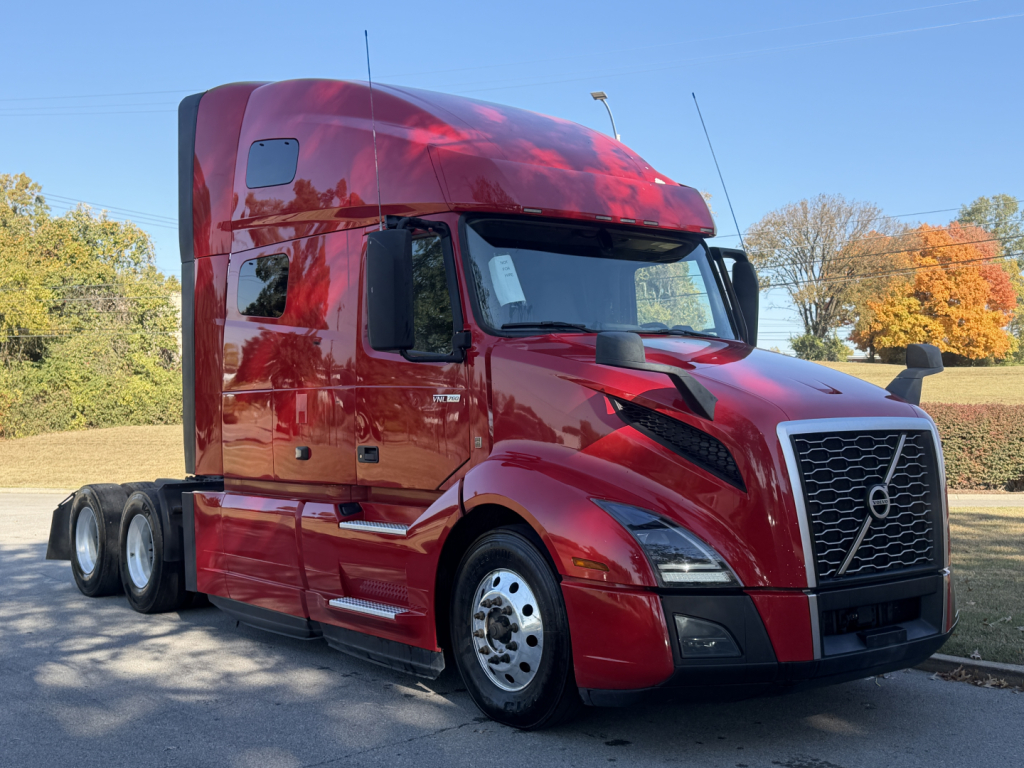
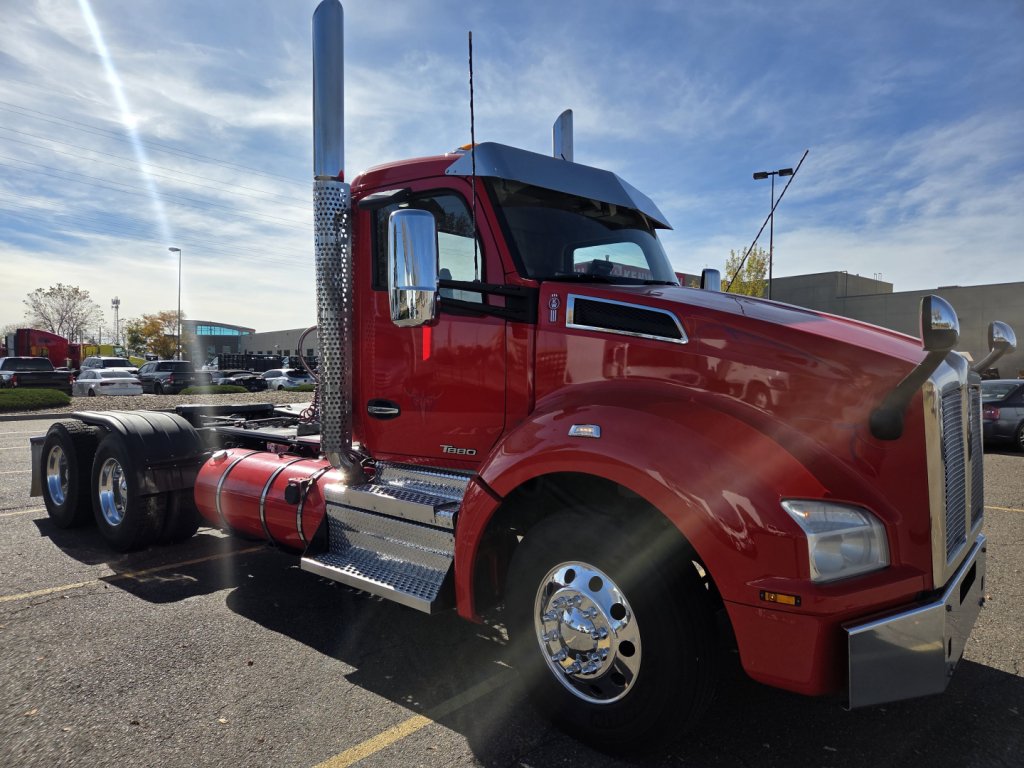
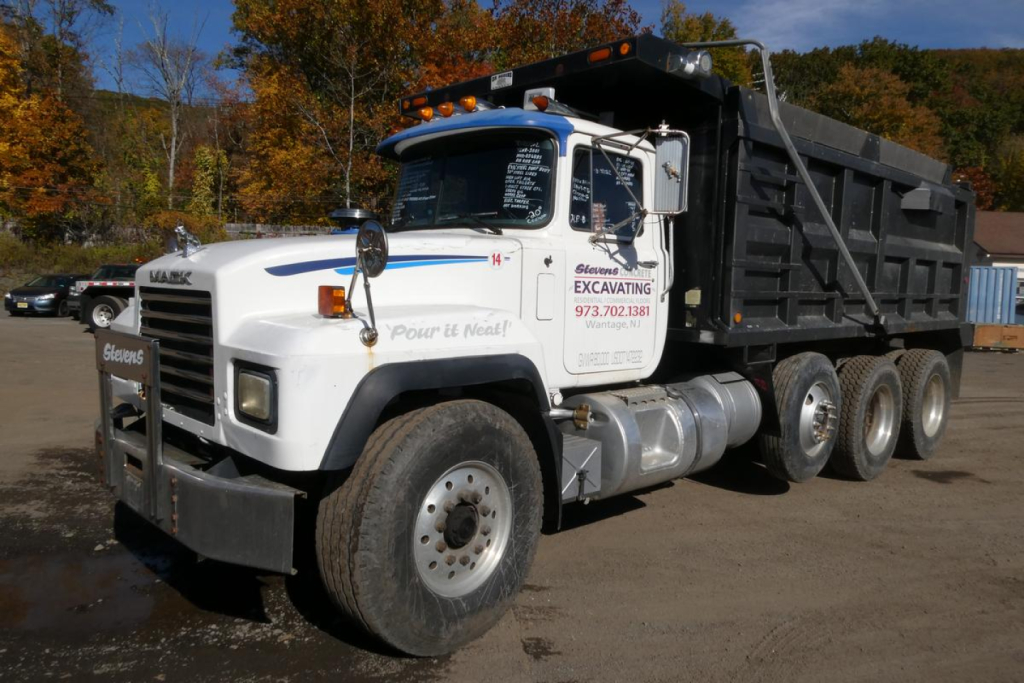

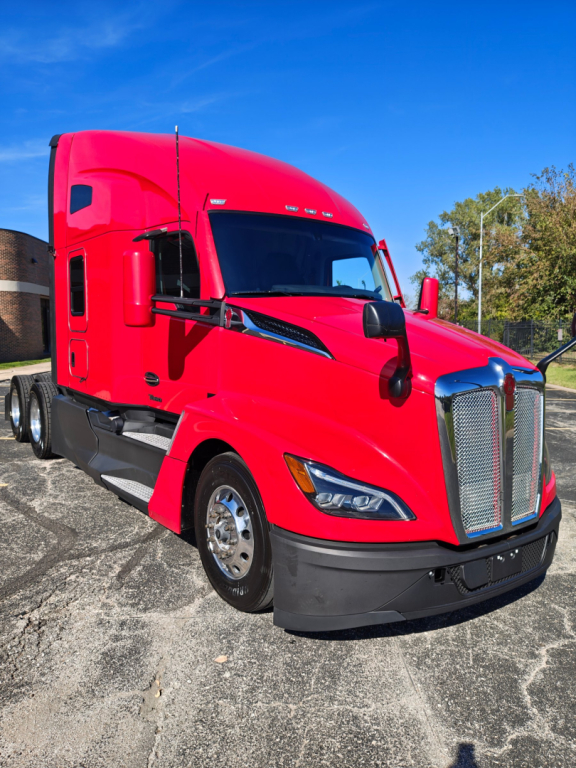
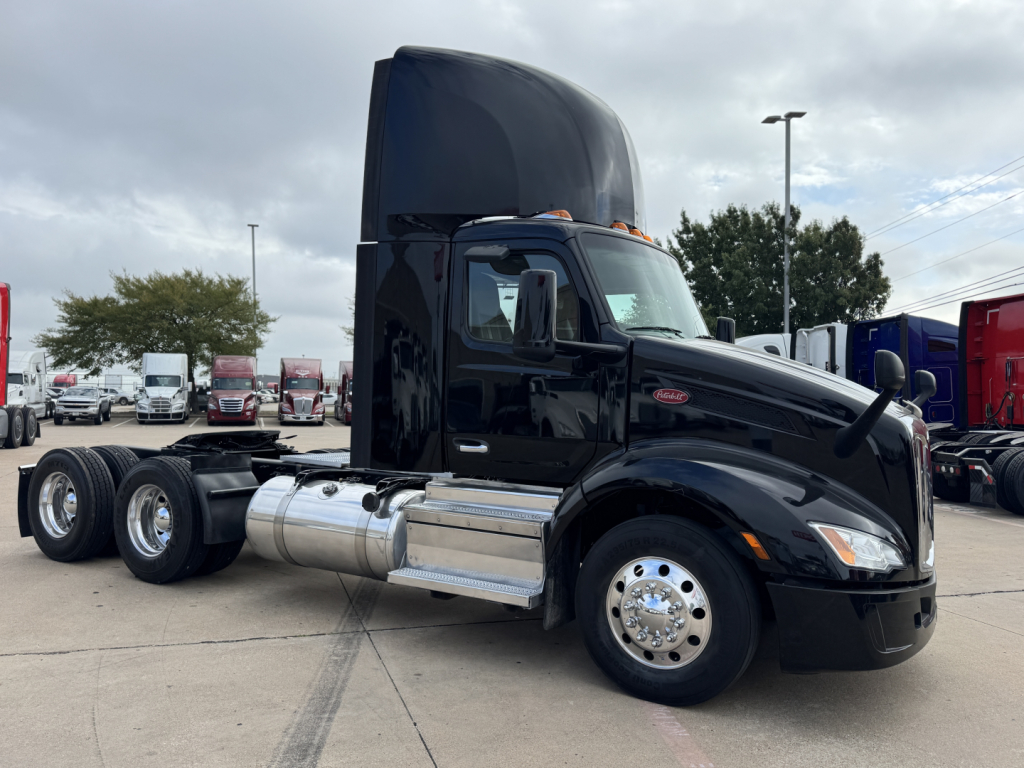
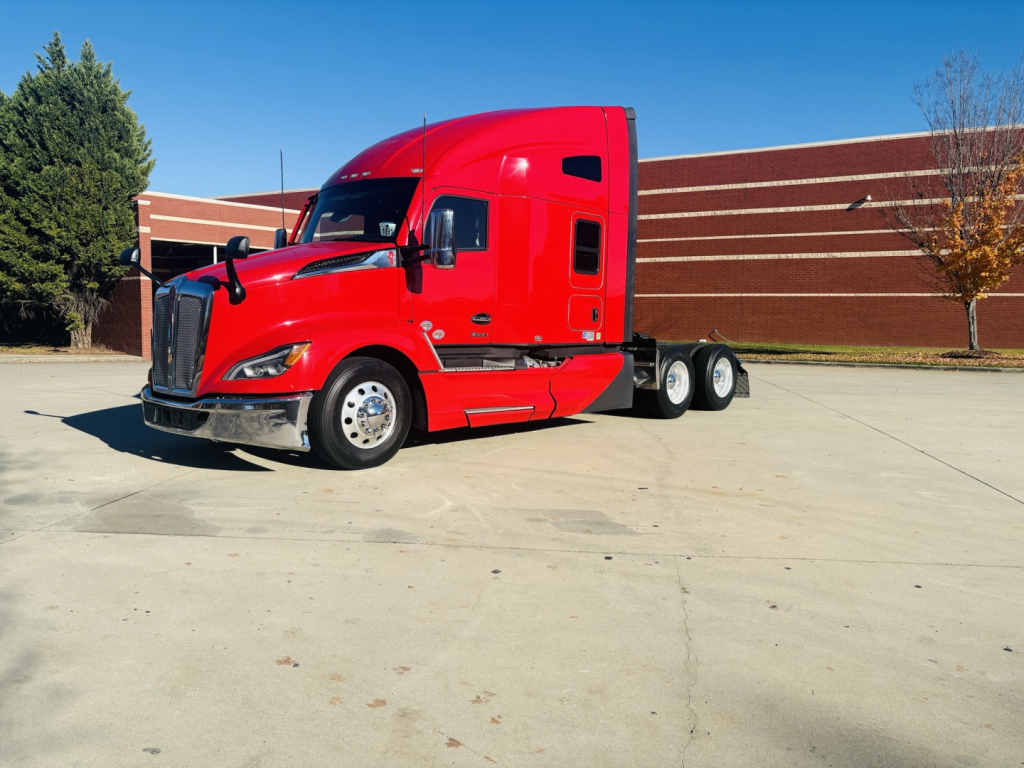
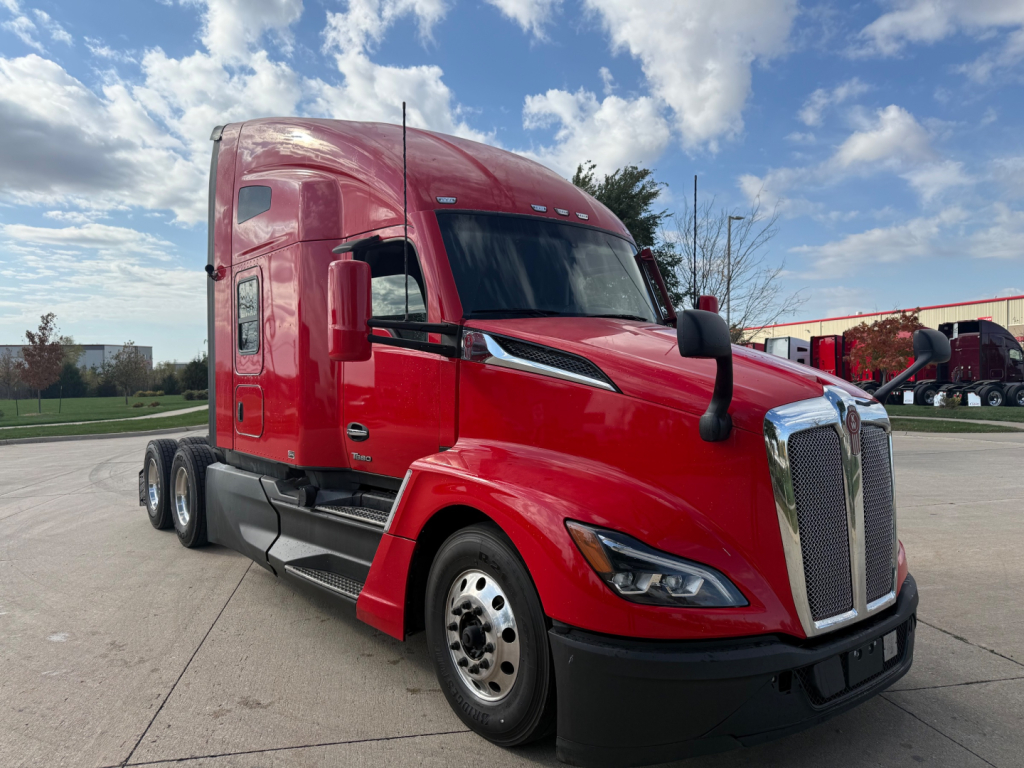
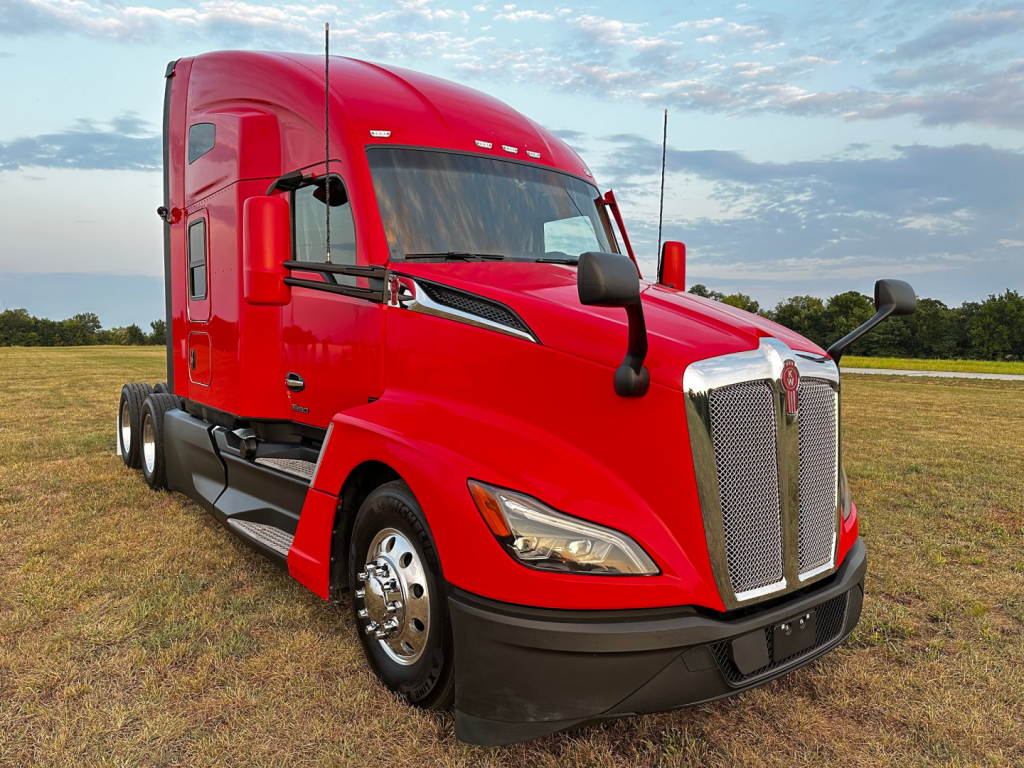
Showing 589 to 616 of 3,397 results
Selling a ambulance truck? List your ambulance truck for sale and reach thousands of commercial buyers.
Ambulance Trucks in Massachusetts
Body style matters as much as the chassis. Type I ambulance trucks typically use a pickup-style cab and truck frame with a separate box, while rescue body units may be configured for EMS, fire support, or municipal emergency service. Buyers should inspect compartment layout, cabinet hardware, squad bench condition, cot retention system compatibility, HVAC performance in the patient area, and shoreline charging equipment. Electrical systems are a major value driver on used ambulance trucks because warning lights, inverter systems, scene lighting, siren controls, battery isolators, and onboard medical power circuits add complexity that can be expensive to sort out after purchase. Corrosion around door frames, underbody compartments, and floor structure is especially important in New England service.
Powertrain choice depends on the intended second-life application. Some ambulance trucks remain in emergency service, but many are repurposed as rescue trucks, mobile command units, utility service bodies, event medical support vehicles, or specialty work trucks. Diesel chassis are common on heavier units and tend to suit operators who need torque, payload, and long service intervals. Gas engines can make sense for lighter-duty municipal or private fleet use where maintenance simplicity and lower acquisition cost matter more. Transmission condition, PTO or idle management setup, alternator output, and cooling system health all deserve close review because ambulance duty cycles are harder on driveline and charging components than typical vocational use.
A strong ambulance truck is defined by serviceability, safe upfit design, and documentation. Maintenance records, decommissioning paperwork, and evidence of regular fleet inspections can be as important as mileage. Buyers in Massachusetts should also confirm current compliance requirements for lighting, siren equipment, title status, and any needed modifications if the vehicle is being converted out of emergency service. When comparing listings, the smartest approach is to weigh body integrity, electrical functionality, and lifecycle maintenance history against the chassis age and intended application.
Frequently Asked Questions about Ambulance Trucks in Massachusetts
What is the difference between a Type I ambulance truck and other ambulance body styles?
A Type I ambulance truck uses a truck-style cab and chassis, usually based on a pickup or medium-duty platform, with a separate modular patient box mounted behind it. This differs from van-based Type II units and cutaway-based Type III units. Type I configurations are generally chosen for higher GVWR, better durability in severe service, and easier access to commercial truck parts, which can matter for fleets that run heavy equipment loads or operate in demanding weather and road conditions.
What should I inspect first on a used ambulance truck?
Start with the electrical system, body structure, and maintenance history. Ambulance trucks have heavy idle time, multiple battery systems, warning circuits, HVAC loads, shoreline charging, and auxiliary lighting that can create expensive problems if neglected. After that, inspect rust-prone areas such as compartment floors, door frames, body mounts, and undercarriage. Engine hours, charging system output, suspension wear, brake condition, and cooling system performance are also critical because emergency-service duty cycles are tougher than standard commercial use.
Are ambulance trucks practical for uses outside EMS?
Yes. Many ambulance trucks are repurposed successfully as rescue units, municipal service trucks, mobile workshops, incident command vehicles, disaster response units, and specialty utility bodies. Their value comes from secure exterior compartments, onboard electrical capacity, climate-controlled interior space, and commercial-grade chassis components. The best candidate depends on how much of the original emergency equipment remains and how easily the interior can be adapted for the next application.
Do miles tell the full story on an ambulance truck?
No. Odometer miles are only part of the picture because ambulance trucks often accumulate substantial engine hours while idling at scenes, hospitals, and staging areas. A lower-mile unit with very high idle hours can show more wear in the engine, alternator, batteries, cooling system, and emissions-related components than the mileage suggests. Buyers should compare mileage, idle hours if available, service records, and evidence of recent repairs before judging overall condition.
What matters most for buyers in Massachusetts?
Rust exposure, cold-weather reliability, and legal equipment configuration are major considerations in Massachusetts. Road salt can accelerate corrosion in body seams, compartment doors, wiring connections, and frame components. Cold-weather performance makes battery health, block heater function, HVAC output, and starting reliability especially important. Buyers should also verify title status and determine whether lights, sirens, and EMS-specific equipment need to be removed or reclassified for the truck's next use.