
2027 Trucks For Sale in Washington
Browse 2027 trucks for sale in Washington, including highway, vocational, medium-duty, and specialty truck configurations.
Learn more
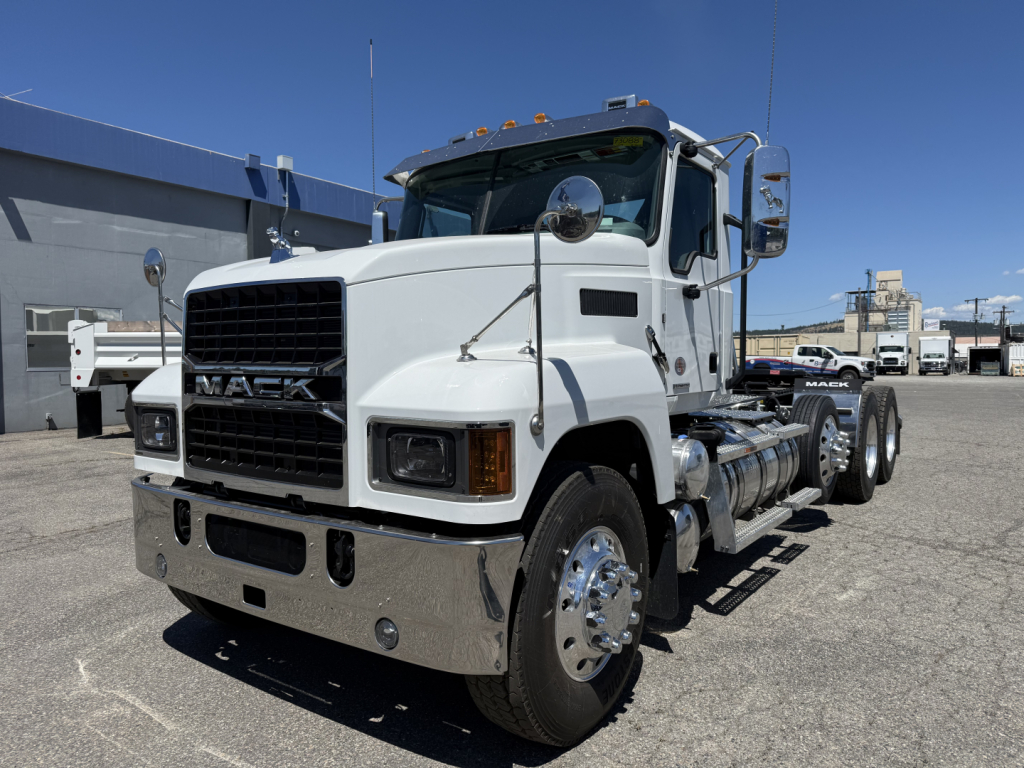
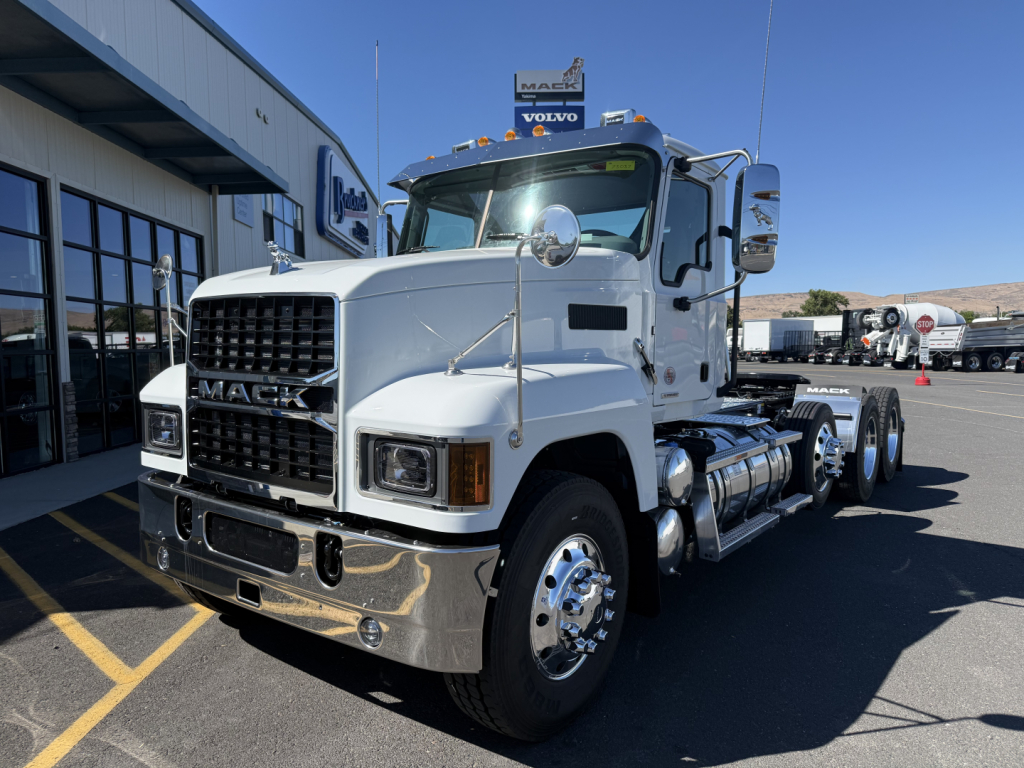
Showing 13 to 24 of 30 results
Have 2027 truck to sell? List it here to reach thousands of buyers.
About 2027 Trucks in Washington
The first decision is usually truck class and chassis layout. A tandem-axle sleeper with a high-horsepower diesel and automated manual transmission fits long-haul and heavy regional work, especially where gross combination weight and gradeability matter. A severe-duty vocational chassis is a different animal, with frame reinforcements, axle ratings, suspension packages, PTO provisions, and body-builder compatibility that matter more than cab amenities. Medium-duty 2027 trucks can include gas, diesel, or electric platforms for urban and suburban routes, where wheelbase, turning radius, GVWR, and upfit flexibility drive the buying decision. If the truck will operate around Seattle, Tacoma, Spokane, or port and warehouse corridors, cab-to-axle dimensions and maneuverability can be just as important as horsepower.
Powertrain specs deserve a close look because they define both performance and operating cost. On highway tractors, buyers often compare engines in the 400 to 515 horsepower range, torque output, rear axle ratio, and direct-drive or overdrive automated transmissions to match cruising speed and fuel economy goals. For vocational trucks, axle capacity, suspension type, transmission programming, low-speed control, and PTO integration usually matter more than top-road-speed efficiency. On medium-duty units, gas engines may offer simpler maintenance for lower annual miles, while diesel remains common for heavier payloads and longer service life. Electric trucks are also part of the 2027 market, especially in delivery and step-van applications, where predictable daily range, quiet operation, and reduced idle time can make sense.
Washington buyers should also pay attention to corrosion resistance, brake configuration, tire spec, and driver-assist systems. Trucks working in coastal moisture, mountain passes, or municipal service often benefit from the right frame coating, vocational lighting, traction-oriented tire choices, and suspension setups that stay stable under shifting loads. Newer 2027 trucks may include collision mitigation, lane-departure warning, electronic stability control, and telematics integration, all of which can matter for insurance, driver management, and uptime. The best choice is usually the truck whose axle ratings, wheelbase, engine, transmission, and intended body spec already line up with the job, rather than a chassis that will need major compromise after purchase.
Frequently Asked Questions
What should I compare first when shopping 2027 trucks in Washington?
Start with the truck’s intended application, then compare GVWR or GCWR, axle configuration, wheelbase, engine rating, transmission type, and suspension. A highway sleeper, a roll-off, and a medium-duty delivery truck can all be the same model year but have completely different chassis priorities. In Washington, terrain and weather also matter, so rear axle ratio, traction setup, and brake specification should be reviewed early instead of treated as secondary details.
Are 2027 trucks available with diesel, gas, and electric powertrains?
Yes. The 2027 truck market can include diesel for long-haul and heavy vocational work, gas for certain medium-duty and local-service applications, and electric platforms for urban delivery or step-van use. The right choice depends on payload, route length, charging or fueling access, annual miles, and idle time. Electric works best in repeatable duty cycles, while diesel still dominates higher-weight and longer-distance applications.
Why does wheelbase matter so much on a truck?
Wheelbase affects body fitment, axle loading, turning radius, bridge law positioning, and ride characteristics. A longer wheelbase may improve stability and allow a specific body or sleeper layout, but it can reduce maneuverability in tight urban yards or construction sites. On vocational and medium-duty trucks, wheelbase and cab-to-axle dimensions are critical because they determine whether the chassis will accept the body you need without compromising weight distribution.
What features matter most on a 2027 vocational truck?
For vocational use, focus on frame strength, front and rear axle ratings, suspension capacity, PTO readiness, transmission programming, brake setup, and body-builder compatibility. A vocational truck has to support the work attachment and the load cycle, not just move down the road. If the truck is being used for dump, roll-off, refuse, or equipment hauling, the correct chassis spec is more important than trim level or cosmetic options.
Do newer 2027 trucks usually include more safety technology?
In many cases, yes. Newer trucks often come with collision mitigation, stability control, lane-departure warning, improved camera visibility, and telematics support. These systems can improve driver awareness, reduce accident exposure, and help with fleet oversight. Buyers should still confirm which safety features are actually installed, because availability can vary by manufacturer, trim, and truck application.