
2027 Trucks For Sale in Texas
Shop 2027 trucks for sale in Texas, including highway and vocational models with current specs, emissions systems, safety tech, and drivetrain options.
Learn more
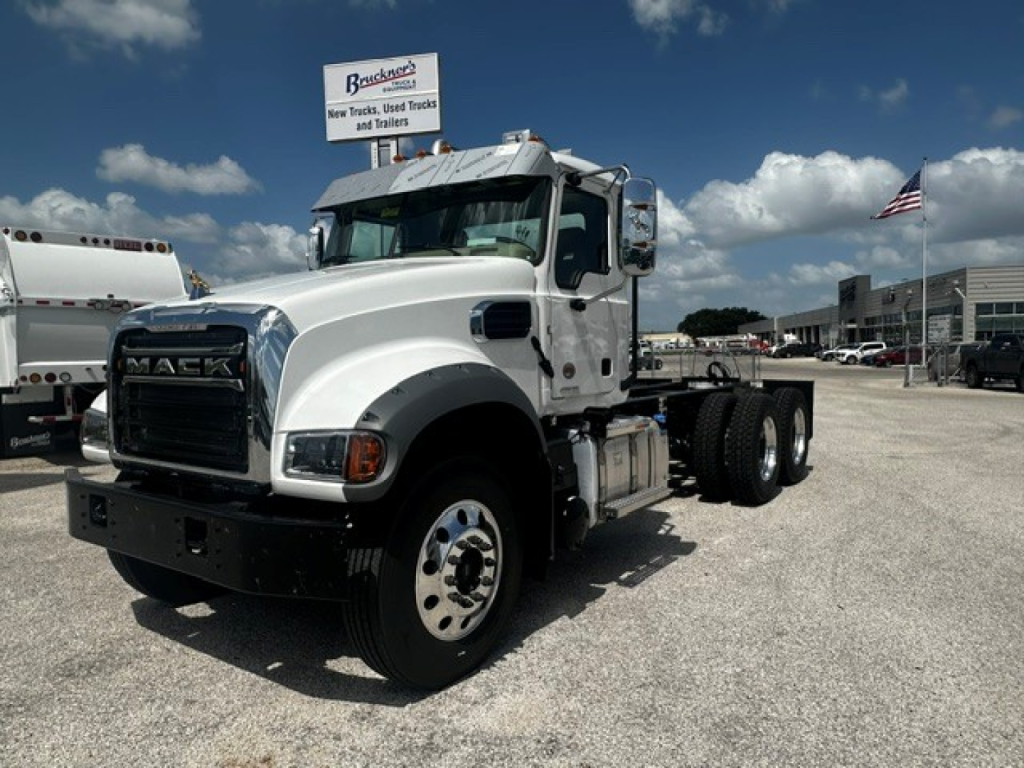
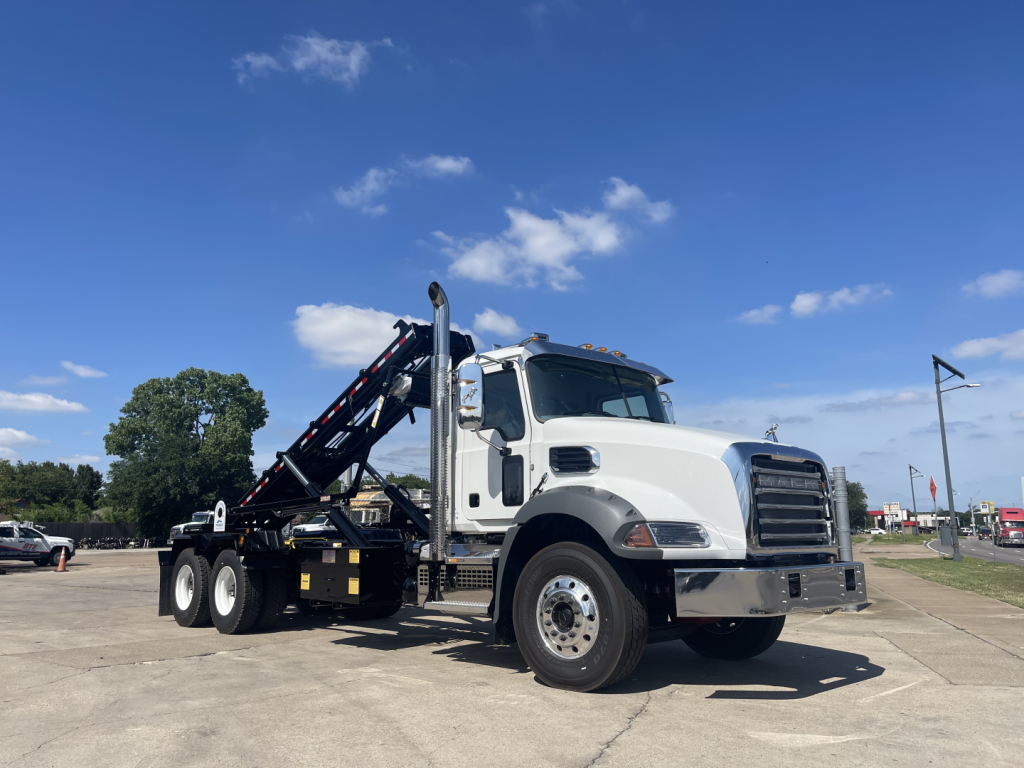
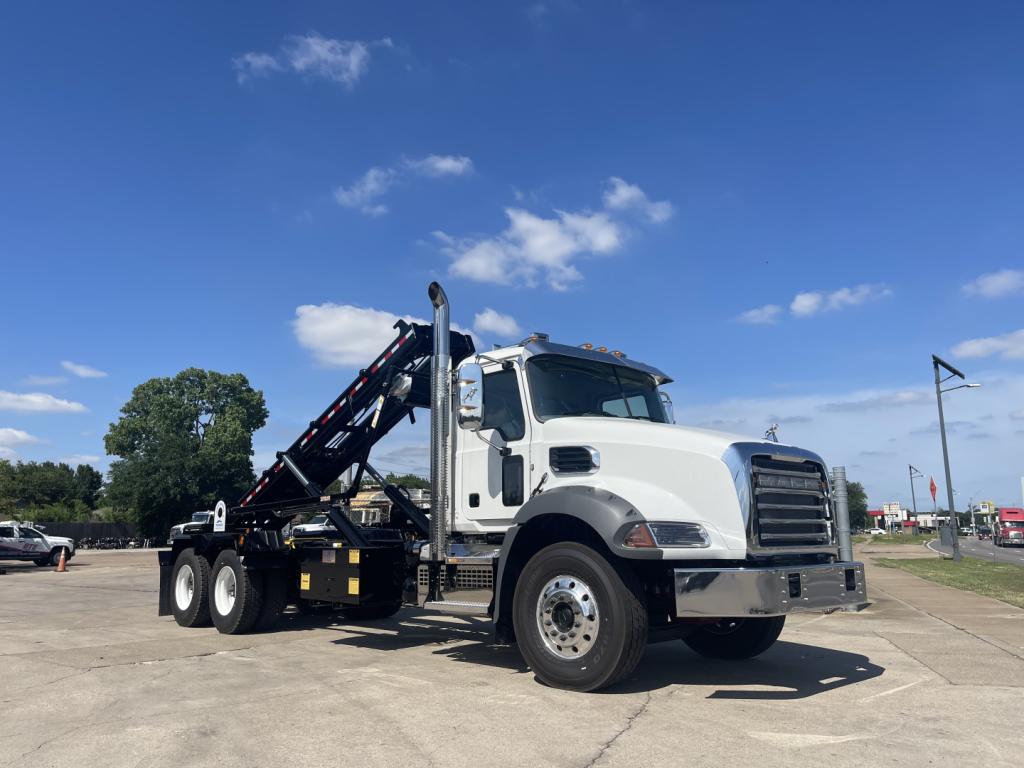
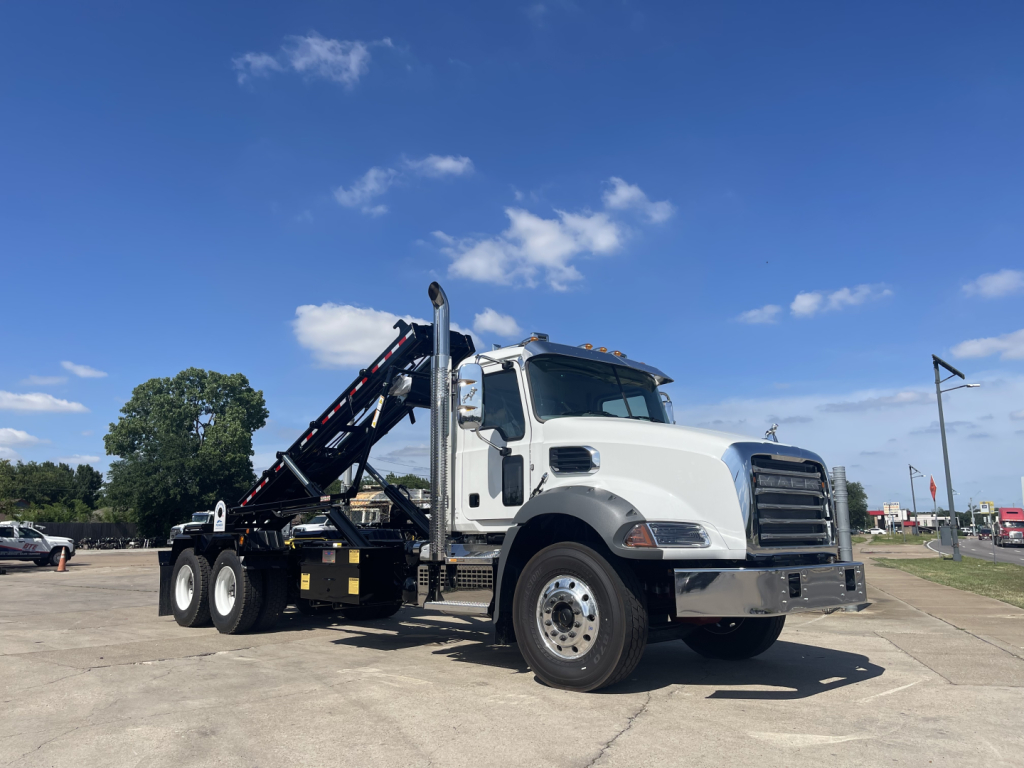
Showing 121 to 132 of 239 results
Have 2027 truck to sell? List it here to reach thousands of buyers.
About 2027 Trucks in Texas
On-road spec choices usually center on engine platform, horsepower, torque curve, transmission, and rear axle ratio. Common late-model combinations include 13-liter and 15-liter diesel engines paired with automated manuals, engine brakes, and tandem rears in the 40,000 to 46,000 pound range. Day cabs are common for short-haul, port, and construction support work, while sleepers remain the better fit for irregular route and over-the-road operations. Buyers comparing 2027 highway trucks should pay close attention to wheelbase, fifth wheel type, fuel capacity, fairings, and tire size, because those details affect maneuverability, bridge compliance, and total operating cost just as much as advertised horsepower.
Vocational 2027 trucks in Texas often include mixers, severe-duty day cabs, and other work-built chassis designed around payload and durability. These trucks commonly use heavier front axles, double-frame rails, higher GVWRs, and vocational suspensions such as air spring or other severe-service configurations. PTO capability, transmission calibration, steering gear, and frame layout matter if the truck will run a mixer barrel, wet kit, pump, or other auxiliary equipment. For concrete, aggregate, municipal, and energy-sector work, buyers should also review cab-to-axle dimensions, body upfit compatibility, and how easily the truck can be serviced in the regions where it will run.
A newer 2027 truck also brings more factory safety and emissions technology into the buying decision. Expect buyers to compare collision mitigation systems, lane departure alerts, electronic stability control, camera visibility packages, and telematics integration alongside engine aftertreatment design and warranty terms. In hot-weather Texas operation, cooling performance, idle management, and HVAC durability deserve extra attention. The best approach is to match the truck’s axle, frame, drivetrain, and cab configuration to the exact lane it will run, because a well-spec'd 2027 truck should deliver better uptime, stronger resale, and fewer compromises over its first ownership cycle.
Frequently Asked Questions
What should I look for first when comparing 2027 trucks for sale in Texas?
Start with the truck’s intended application, then verify the chassis and drivetrain match that job. For highway use, focus on cab type, engine rating, transmission, rear axle ratio, wheelbase, and fuel capacity. For vocational use, prioritize front and rear axle ratings, frame strength, suspension, PTO provisions, and body or equipment compatibility. In Texas, cooling performance, service network access, and durability in long-distance or high-heat operation are also important buying factors.
Are 2027 trucks mainly available as highway tractors or vocational trucks?
The 2027 model year can include both highway and vocational configurations. Buyers may see conventional sleepers and day cabs for freight work, along with severe-duty models used for mixers, dumps, municipal service, and construction support. The key difference is in the spec. Highway trucks are usually built around fuel efficiency and driver comfort, while vocational trucks are built around axle capacity, frame integrity, and equipment integration.
What engine and transmission specs are common on late-model 2027 trucks?
Many 2027 trucks use modern diesel platforms in the 13-liter to 15-liter range, with horsepower commonly spanning regional-fleet ratings up to heavy-haul and vocational outputs. Automated manual transmissions are common in both highway and vocational applications because they help with fuel economy, driver consistency, and ease of operation. Buyers should compare torque, transmission programming, engine brake performance, and rear axle ratio together rather than treating horsepower as the only decision point.
Why do axle ratings and wheelbase matter so much on a 2027 truck?
Axle ratings determine legal and practical load capability, and wheelbase affects turning radius, bridge spacing, body fit, and fifth wheel placement. A truck with the wrong wheelbase can be harder to maneuver, limit trailer compatibility, or complicate body installation. On vocational trucks, front axle capacity is especially important because equipment weight, PTO hardware, and jobsite demands can put more load on the steer axle than buyers expect.
Do newer 2027 trucks have different technology compared with older models?
Yes. A 2027 truck will often include more advanced safety systems, emissions controls, electronic diagnostics, and telematics capability than older equipment. Depending on make and configuration, that can include collision mitigation, lane departure warning, electronic stability control, and integrated fleet monitoring. These systems can improve uptime and driver support, but buyers should still evaluate warranty coverage, sensor placement, serviceability, and how the technology fits the operating environment.