
2027 Trucks For Sale in Colorado
Shop 2027 trucks in Colorado with advanced emissions, light chassis, strong floors, thermal integrity and corrosion resistance for mountain work duty.
Learn moreTop Categories
Top Makes
40 Listings
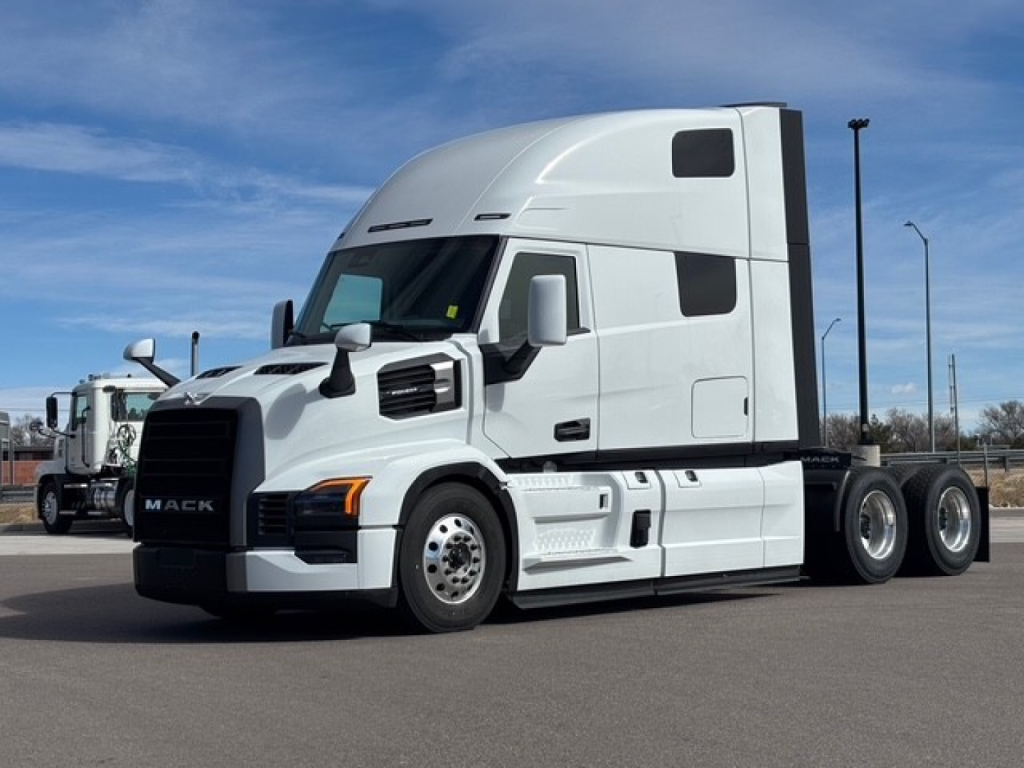
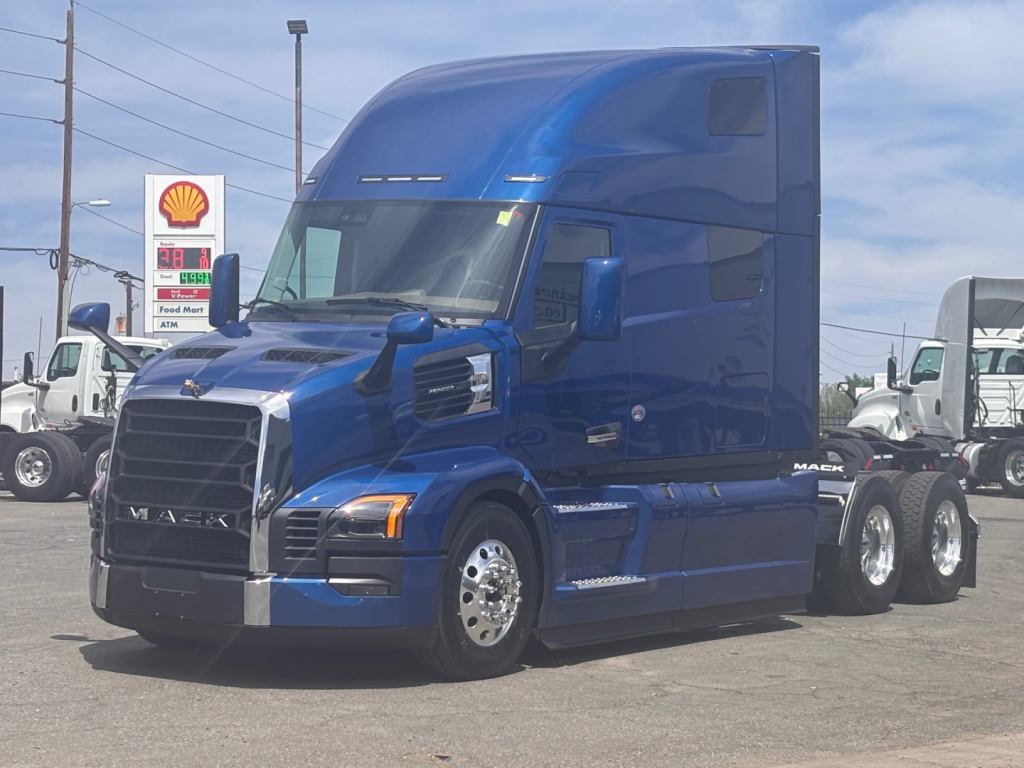
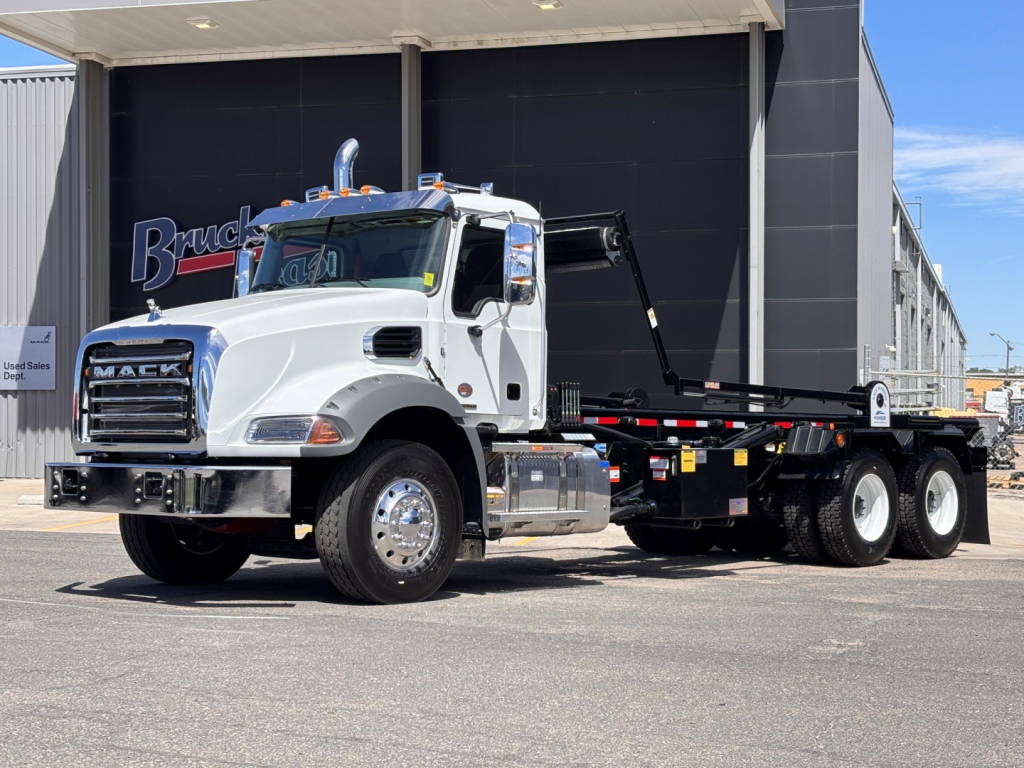
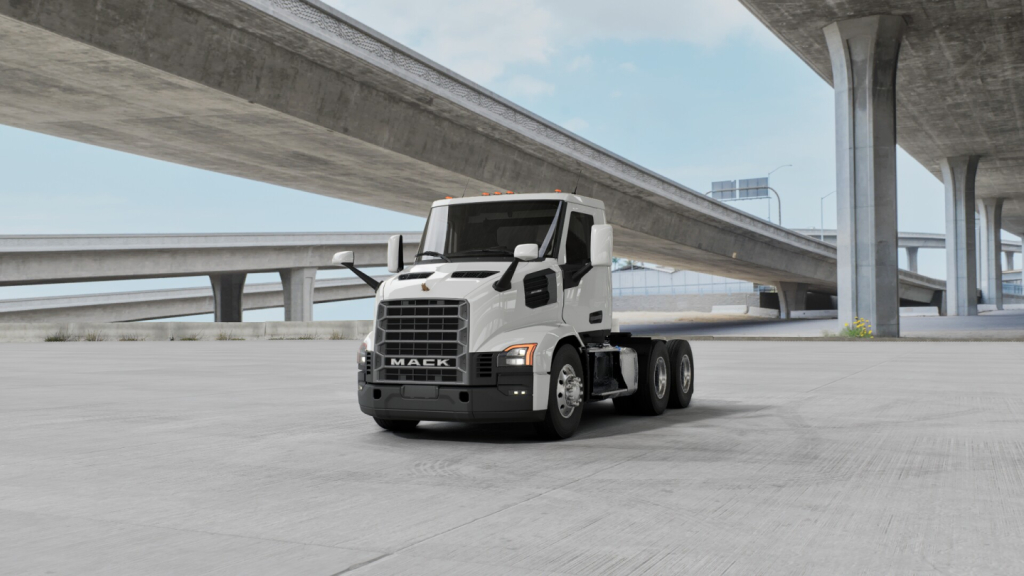
Showing 37 to 40 of 40 results
Have 2027 truck to sell? List it here to reach thousands of buyers.
About 2027 Trucks in Colorado
2027 trucks for sale in Colorado deliver cleaner calibrations, longer emissions durability and smarter aerodynamics, with automated manuals that hold low rpm cruise without sacrificing gradeability. Class 8 sleepers, day cabs and vocational chassis benefit from stronger braking packages, improved electronic architectures and more refined driver assist features. Medium duty box and reefer trucks add efficient diesel, gasoline or zero emission options suited to urban deliveries at altitude.
Tare weight matters on steep grades and at high GCW. Aluminum cabs and wheels, optimized frame rails, wide base singles and 6x2 tandems can strip out hundreds of pounds, though winter traction often favors 6x4 tandems and duals in Colorado. Wheelbase affects both ride and turning circle, short wheelbases help in tight mountain towns, longer wheelbases allow larger fuel, DEF and battery capacity. Verify axle ratings, suspension type and frame section modulus against payload goals, and use a sliding fifth wheel with adequate travel to balance axle loads across varied kingpin settings.
Load floors and body integrity determine cycle life. On van and reefer bodies, look for dense hardwood or aluminum plank floors, 12 to 16 inch crossmember spacing, reinforced thresholds and scuff liners to resist pallet jack and forklift point loads. Forklift rated floors often add stringers and wear plates, which increases tare, so weigh that trade off against actual dock practices. Vocational trucks need abrasion resistant dump floors, double framed sections where needed and high lift hoists that do not twist the body. Corrosion resistance is critical in Colorado’s magnesium chloride, seek e coated frames, powder coated crossmembers, stainless or polymer fasteners, aluminum tanks and sealed harness connectors to reduce long term rust and electrical faults.
Thermal integrity affects driver comfort, uptime and emissions control. Tight cab sealing, insulated sleepers, electric HVAC for idle reduction, APUs or bunk heaters lower fuel burn and maintain cab temperature in subzero nights. For cold starts at altitude, spec higher CCA batteries, block heaters and heated fuel filtration. Modern aftertreatment strategies improve heat retention, shortening regens and maintaining NOx performance in winter stops. For I 70 climbs and descents, prioritize high capacity cooling modules, robust engine brakes or retarders, disc brakes and axle ratios that hold speed on grades without overheat; battery electric trucks require route planning and charging that accounts for cold weather range impact.
Tare weight matters on steep grades and at high GCW. Aluminum cabs and wheels, optimized frame rails, wide base singles and 6x2 tandems can strip out hundreds of pounds, though winter traction often favors 6x4 tandems and duals in Colorado. Wheelbase affects both ride and turning circle, short wheelbases help in tight mountain towns, longer wheelbases allow larger fuel, DEF and battery capacity. Verify axle ratings, suspension type and frame section modulus against payload goals, and use a sliding fifth wheel with adequate travel to balance axle loads across varied kingpin settings.
Load floors and body integrity determine cycle life. On van and reefer bodies, look for dense hardwood or aluminum plank floors, 12 to 16 inch crossmember spacing, reinforced thresholds and scuff liners to resist pallet jack and forklift point loads. Forklift rated floors often add stringers and wear plates, which increases tare, so weigh that trade off against actual dock practices. Vocational trucks need abrasion resistant dump floors, double framed sections where needed and high lift hoists that do not twist the body. Corrosion resistance is critical in Colorado’s magnesium chloride, seek e coated frames, powder coated crossmembers, stainless or polymer fasteners, aluminum tanks and sealed harness connectors to reduce long term rust and electrical faults.
Thermal integrity affects driver comfort, uptime and emissions control. Tight cab sealing, insulated sleepers, electric HVAC for idle reduction, APUs or bunk heaters lower fuel burn and maintain cab temperature in subzero nights. For cold starts at altitude, spec higher CCA batteries, block heaters and heated fuel filtration. Modern aftertreatment strategies improve heat retention, shortening regens and maintaining NOx performance in winter stops. For I 70 climbs and descents, prioritize high capacity cooling modules, robust engine brakes or retarders, disc brakes and axle ratios that hold speed on grades without overheat; battery electric trucks require route planning and charging that accounts for cold weather range impact.