
2024 Commercial Trucks For Sale in Arkansas
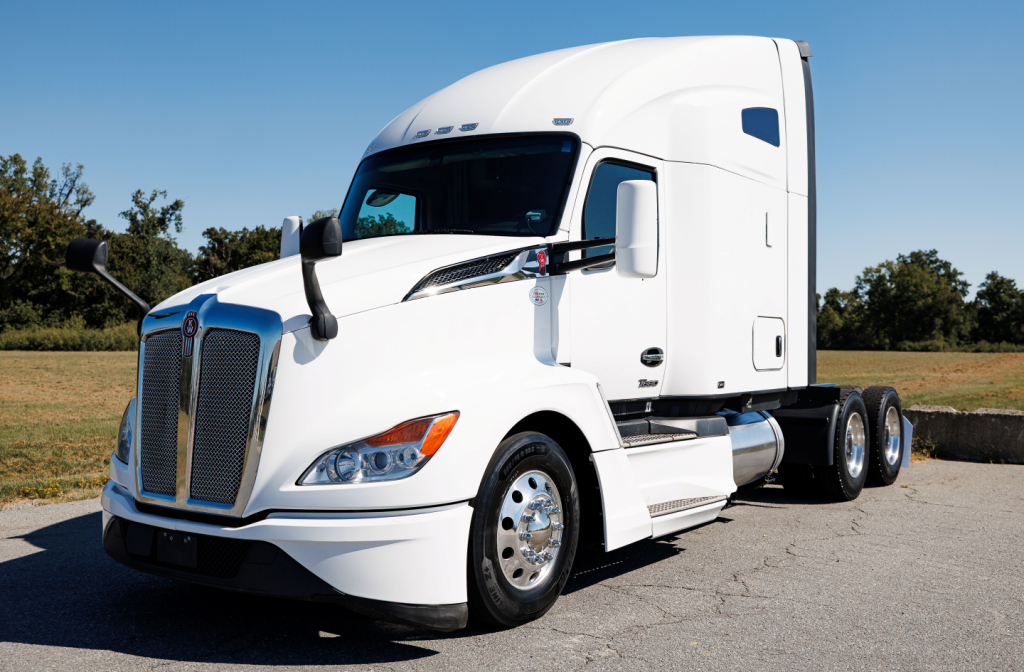
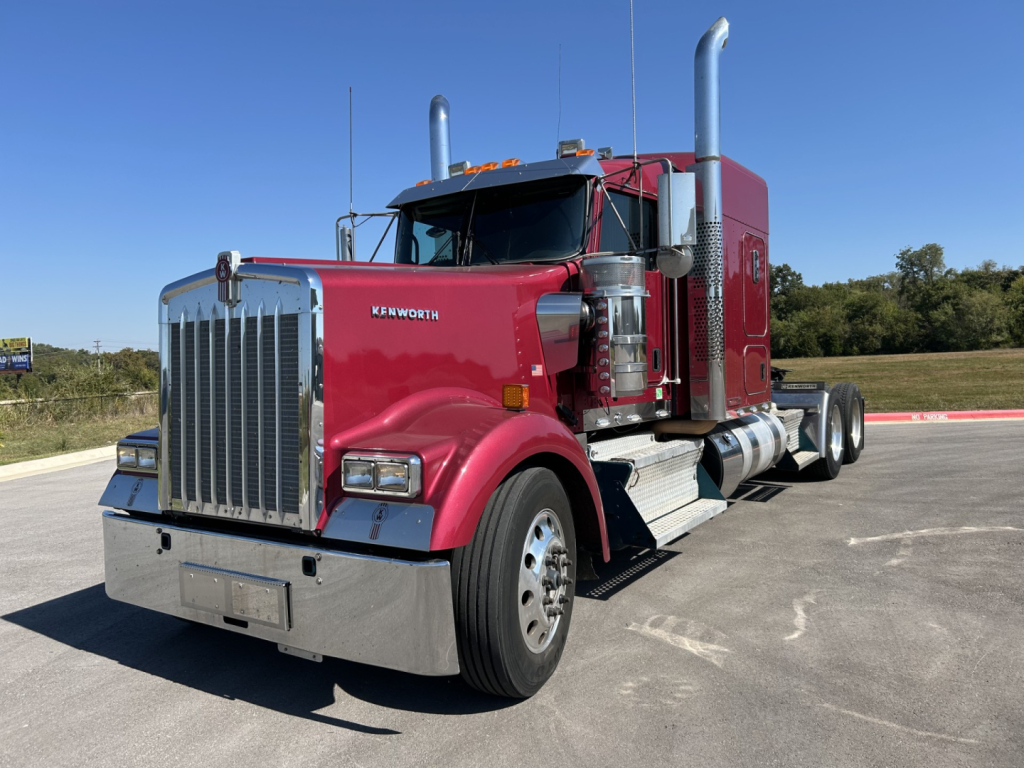
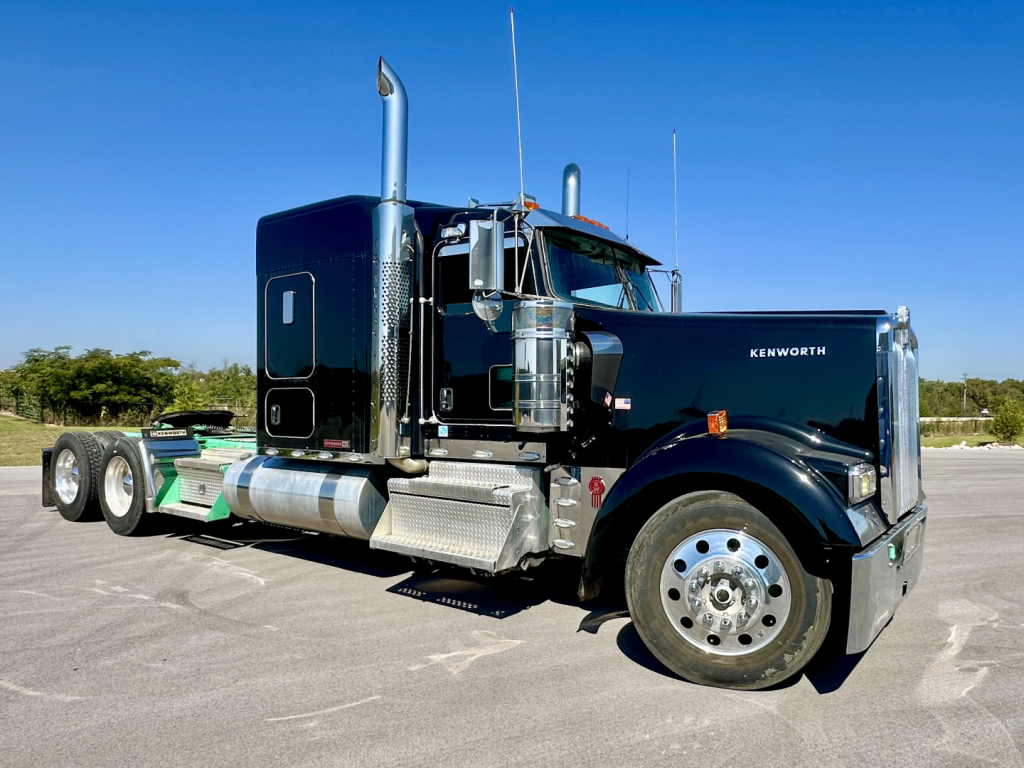
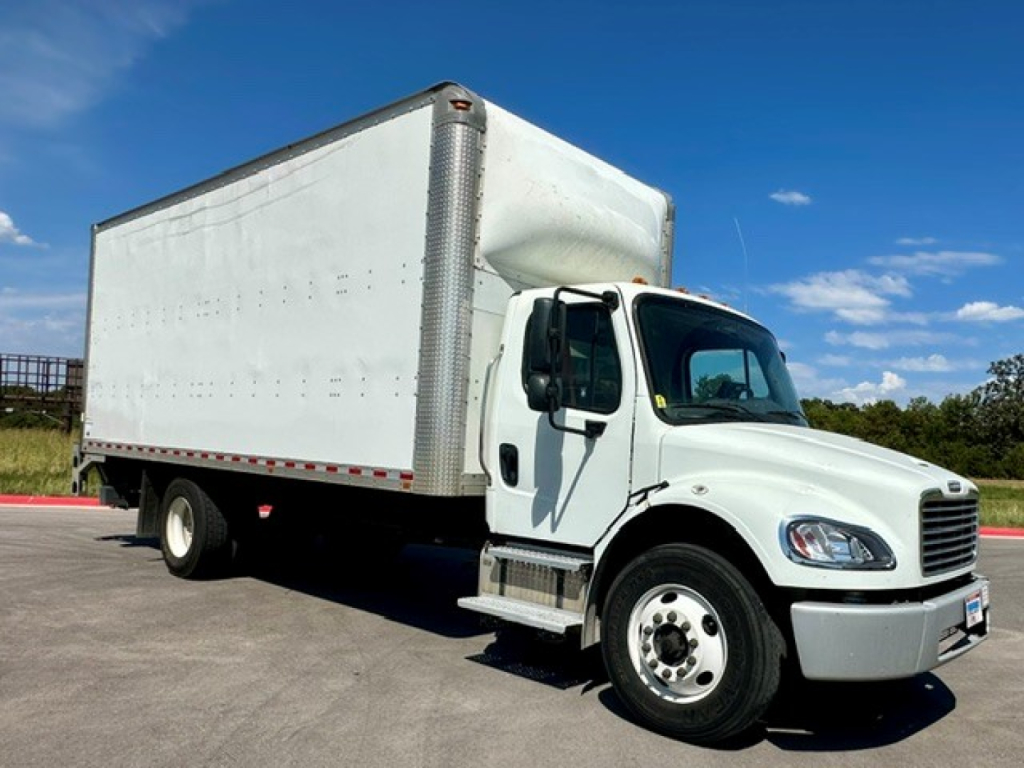
Browse 2024 trucks for sale in Arkansas, including medium-duty and vocational models with common specs, GVWR ranges, and body-ready chassis options.
Selling a 2024 commercial truck? List your 2024 commercial truck for sale and reach thousands of commercial buyers.
2024 Commercial Trucks in Arkansas
Frequently Asked Questions about 2024 Commercial Trucks in Arkansas
What should I look for first when comparing 2024 trucks for sale in Arkansas?
Start with GVWR, wheelbase, and intended body application. Those three items determine whether the truck can legally and practically handle the work. A cab and chassis built for a service body or dump insert will be spec'd differently than a truck intended for a flatbed, plow, or vacuum unit. Buyers should also confirm front and rear axle ratings, rear suspension type, PTO compatibility, and cab-to-axle dimensions before focusing on brand or cosmetic details.
What engines and transmissions are common in 2024 medium-duty trucks?
Many 2024 medium-duty trucks use proven diesel platforms such as the Cummins B6.7 or ISB6.7 paired with Allison automatic transmissions like the 2500 RDS, 3000 RDS, or 3500 RDS. Horsepower in this segment commonly falls around 260 to 325 HP, which is enough for regional delivery, municipal service, equipment hauling, and vocational work. Automatic transmissions remain popular because they simplify driver training, improve consistency in stop-and-go service, and integrate well with PTO-driven equipment.
Why does wheelbase matter so much on a truck listing?
Wheelbase affects body fit, ride quality, axle loading, and maneuverability. A shorter wheelbase is easier to handle in urban routes, municipal work, and jobsite access, while a longer wheelbase supports larger bodies such as flatbeds, tilting lumber dumps, van bodies, or certain utility upfits. Buyers should compare wheelbase with cab-to-axle and usable frame length to make sure the chassis matches the body they plan to install. A truck can have the right GVWR and still be a poor fit if the frame dimensions are wrong.
Are de-rated 2024 trucks a good option?
A de-rated truck can be a smart choice when registration, CDL thresholds, insurance, or route restrictions matter. Some medium-duty trucks carry heavier hardware but are assigned a lower GVWR on the VIN label, such as 25,950 pounds, to fit a specific operating requirement. That can help a fleet avoid unnecessary licensing complications while still getting a robust chassis. Buyers should verify the exact legal GVWR, axle ratings, and how the de-rate affects payload and intended body capacity.
What matters most on a vocational 2024 truck in Arkansas conditions?
For Arkansas use, pay close attention to cooling capacity, suspension spec, rear axle ratio, and corrosion exposure tied to the truck’s duty cycle. Trucks running rural highways, construction access roads, municipal routes, or seasonal storm response need the right gearing and suspension for load startability and durability. Rear ratios around 5.57 to 6.14 are common on vocational specs where low-speed pulling power matters more than highway fuel economy. If the truck will power hydraulic or mechanical equipment, make sure the transmission includes PTO provision and that the frame is suitable for the upfit.