
2023 Commercial Trucks For Sale in Kansas
Browse 2023 trucks for sale in Kansas, including day cabs, sleepers, cab and chassis, and straight trucks for regional, local, and highway work.
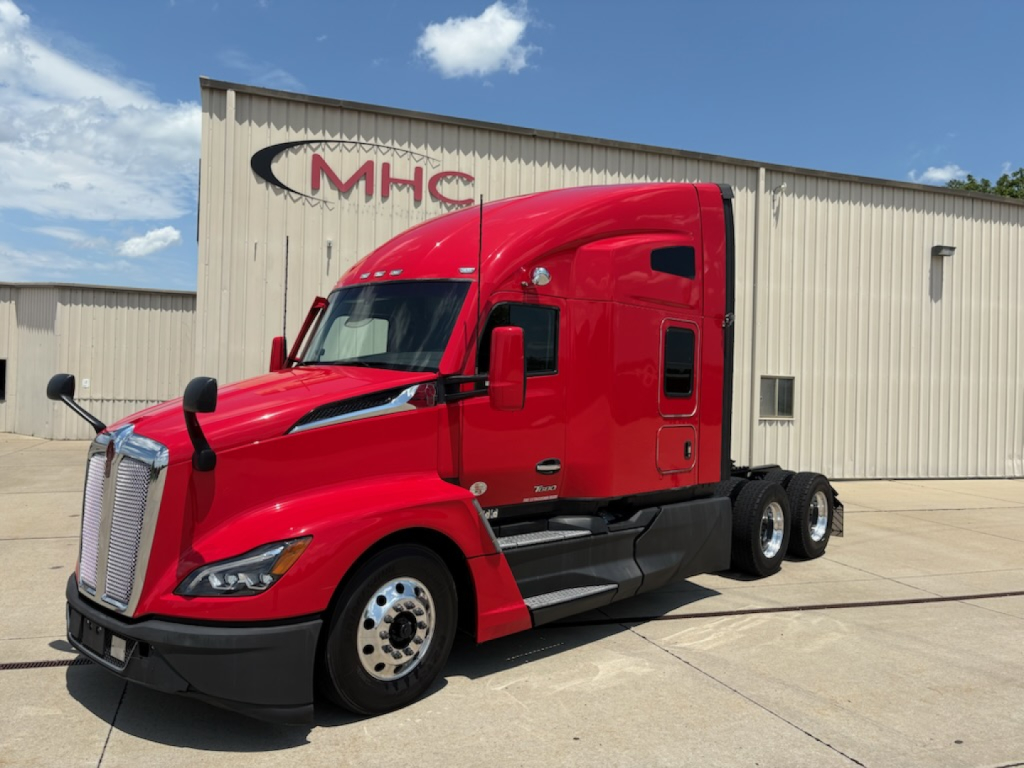
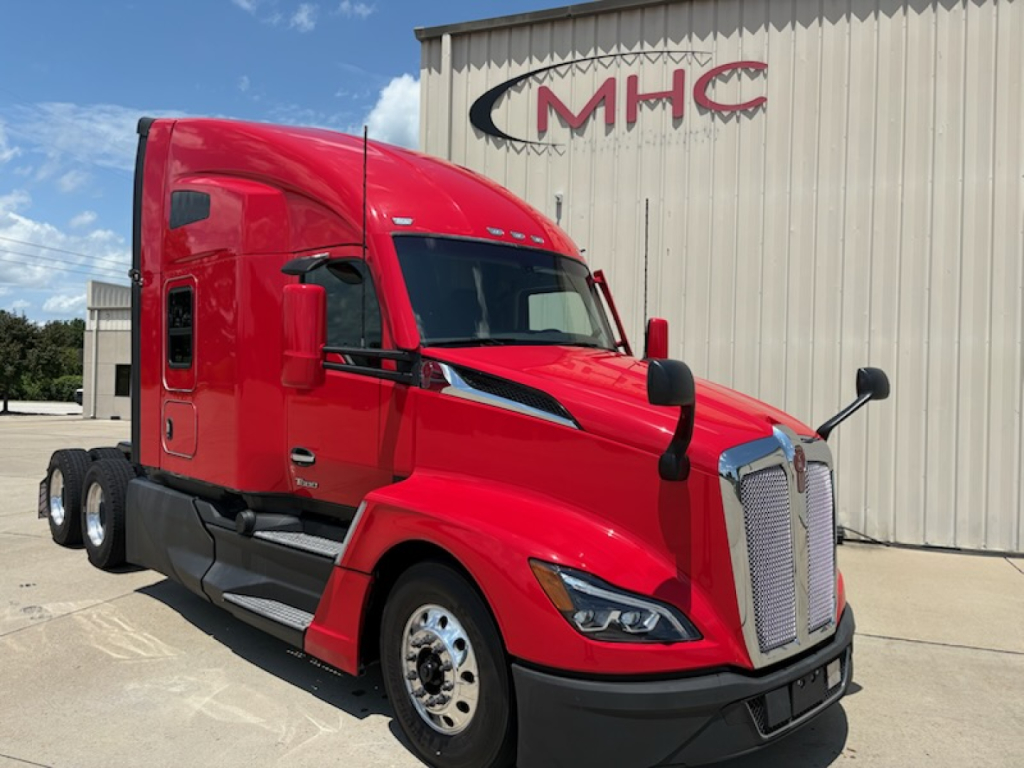
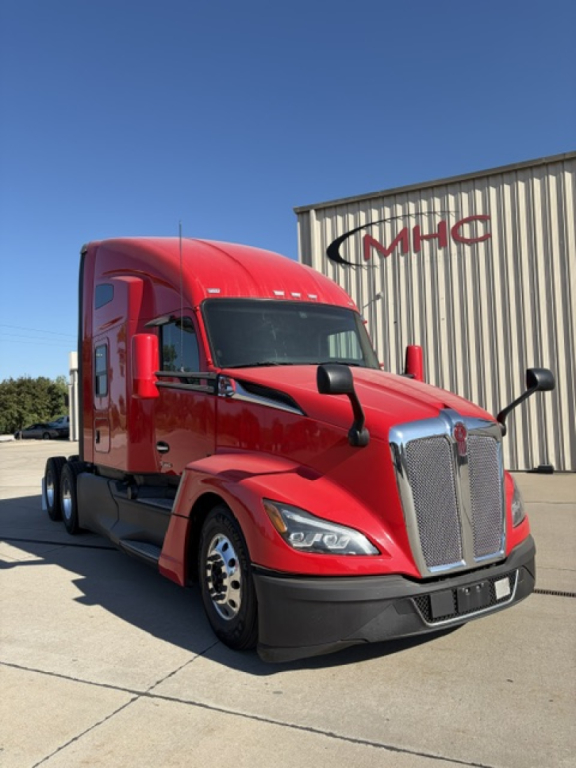
Selling a 2023 commercial truck? List your 2023 commercial truck for sale and reach thousands of commercial buyers.
2023 Commercial Trucks in Kansas
The first decision is usually application. A 2023 conventional sleeper is built for over-the-road work, with common specs such as 12- or 13-liter diesel engines, automated manual transmissions, tandem rear axles, and wheelbases set up for highway stability and sleeper capacity. A 2023 day cab is more common in regional haul, dedicated lanes, drayage, and short-turn freight where aerodynamics, lighter curb weight, and easier yard maneuvering are more important than bunk space. Cab and chassis trucks are often selected for dump bodies, van bodies, flatbeds, mechanics bodies, service bodies, and other vocational installations, so buyers should pay close attention to cab-to-axle measurement, frame length, PTO provisions, axle ratings, and suspension compatibility. Cabover trucks, also known as cab-over-engine trucks, remain a practical choice for urban pickup and delivery because of their tight turning radius, short overall length, and easy body length optimization.
For spec review, focus on the parts that affect total cost of operation and job fit. Engine horsepower in this class can range from roughly 200 HP in lighter cabovers and medium-duty delivery trucks up to 400 to 500-plus HP in highway tractors. Transmission choice is usually an Allison automatic in medium-duty work or an automated manual such as mDrive, I-Shift, or similar 12-speed setups in heavy-duty tractors. Rear axle ratio, suspension type, front axle capacity, and gross vehicle weight rating should be matched to terrain, payload, and duty cycle. Kansas buyers often prioritize fuel economy on long, open routes, but crosswinds, seasonal weather, and mixed rural-to-urban running can also make wheelbase, fairings, traction setup, and driver-assist features important. Late-model 2023 trucks may also include collision mitigation, adaptive cruise, disc brakes, improved telematics, and driver comfort upgrades that help with retention and uptime.
Condition and configuration still matter as much as model year. A clean 2023 truck with the wrong wheelbase, axle rating, fifth wheel setup, or body dimensions can be a poor fit for the work. Buyers comparing multiple 2023 trucks for sale in Kansas should look closely at engine family, transmission model, rear ratio, brake type, suspension, tire size, fuel capacity, and any body or PTO equipment already installed. For tractors, check for air-slide fifth wheels, axle spacing, and intended trailer pairing. For straight trucks and cab and chassis units, verify frame integrity, upfit history, and whether the truck is already optimized for van, stake, dump, or service use. The best 2023 truck is the one whose spec matches the lane, payload, and maintenance plan without forcing expensive changes after purchase.
Frequently Asked Questions about 2023 Commercial Trucks in Kansas
What are the main types of 2023 trucks for sale in Kansas?
The 2023 truck market in Kansas typically includes conventional day cabs, sleeper tractors, cab and chassis trucks, cabovers, and straight trucks. Day cabs are common for regional freight and local hauling, sleepers are used for over-the-road work, cab and chassis units are built for body upfits, and cabovers or straight trucks are often used in delivery and urban service. The right category depends on route length, payload, body requirements, and how much maneuverability the job demands.
What should I check first when comparing 2023 trucks?
Start with the truck’s intended application and then confirm the core spec matches that work. Key items include engine horsepower, transmission type, rear axle ratio, wheelbase, axle capacities, suspension, GVWR, and any installed body or fifth wheel equipment. A late-model truck can still be a poor fit if the ratio is too fast for heavy loads, the frame is wrong for a body installation, or the wheelbase does not match the operating environment.
Are 2023 trucks a good choice for fleets that want newer technology without buying brand-new equipment?
Yes. A 2023 truck often delivers many of the benefits buyers want from newer equipment, including updated emissions systems, modern safety features, improved aerodynamics, and current transmission and telematics technology. For many buyers, that makes the 2023 model year a practical middle ground between older trucks with fewer features and brand-new units with a higher acquisition cost.
What specs matter most for Kansas hauling conditions?
Kansas operators usually pay close attention to fuel economy, axle ratio, and stability-related specs because many routes involve sustained highway speeds, open terrain, and variable weather. For regional and long-haul tractors, aerodynamic packages, overdrive automated manuals, and efficient rear ratios are often important. For vocational or mixed-use trucks, buyers may prioritize higher axle ratings, more durable suspensions, PTO capability, and wheelbases that work well on job sites or in town.
Is a 2023 cab and chassis different from a 2023 straight truck?
Yes. A cab and chassis is sold as the truck chassis and cab without a completed body, so it is intended for an upfit such as a box, flatbed, dump, or service body. A straight truck already has the body installed and is ready for the type of work that body supports. Buyers should verify cab-to-axle length, frame dimensions, and PTO needs on a cab and chassis before planning any body installation.