
2020 Commercial Trucks For Sale in Nebraska
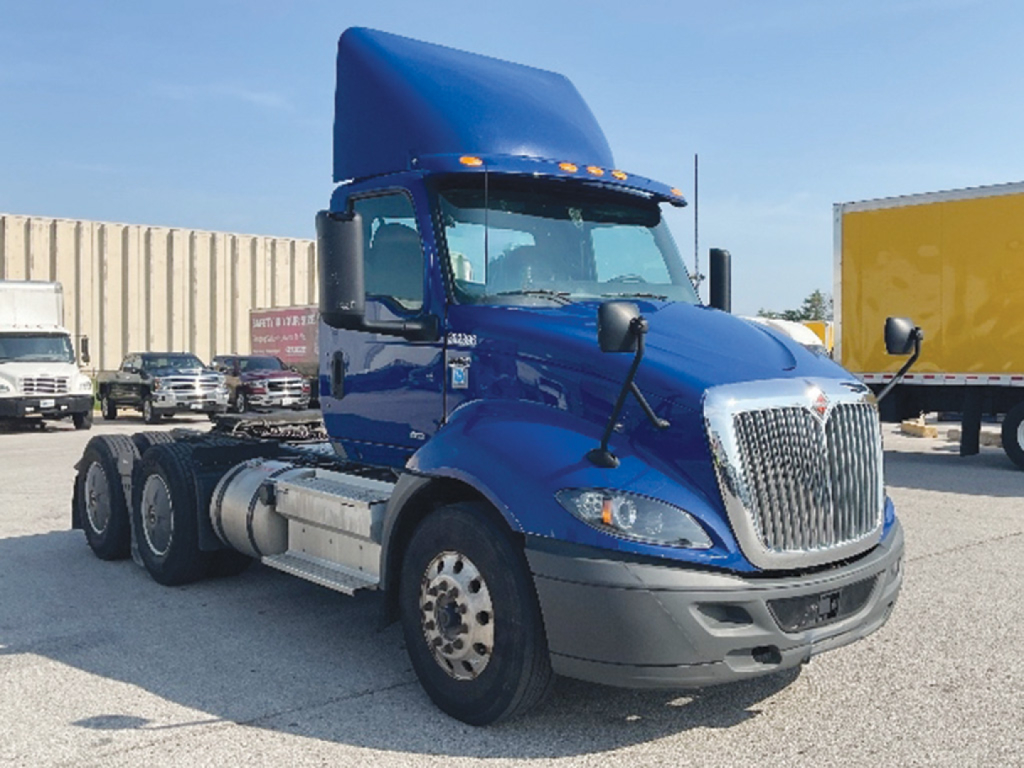
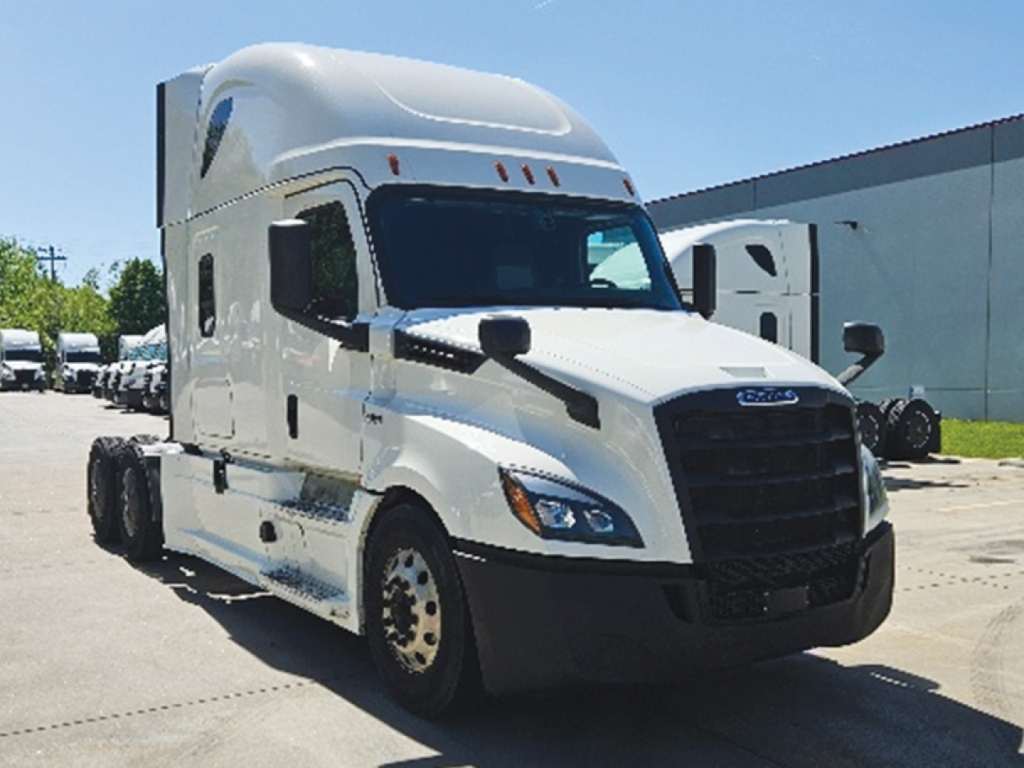
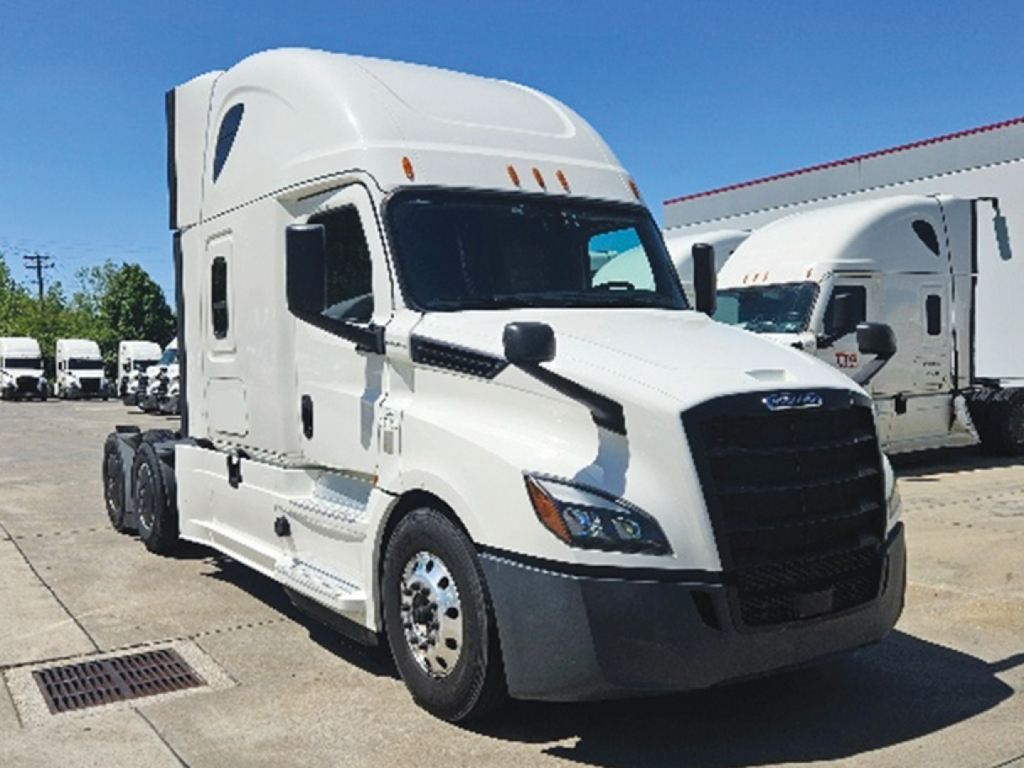
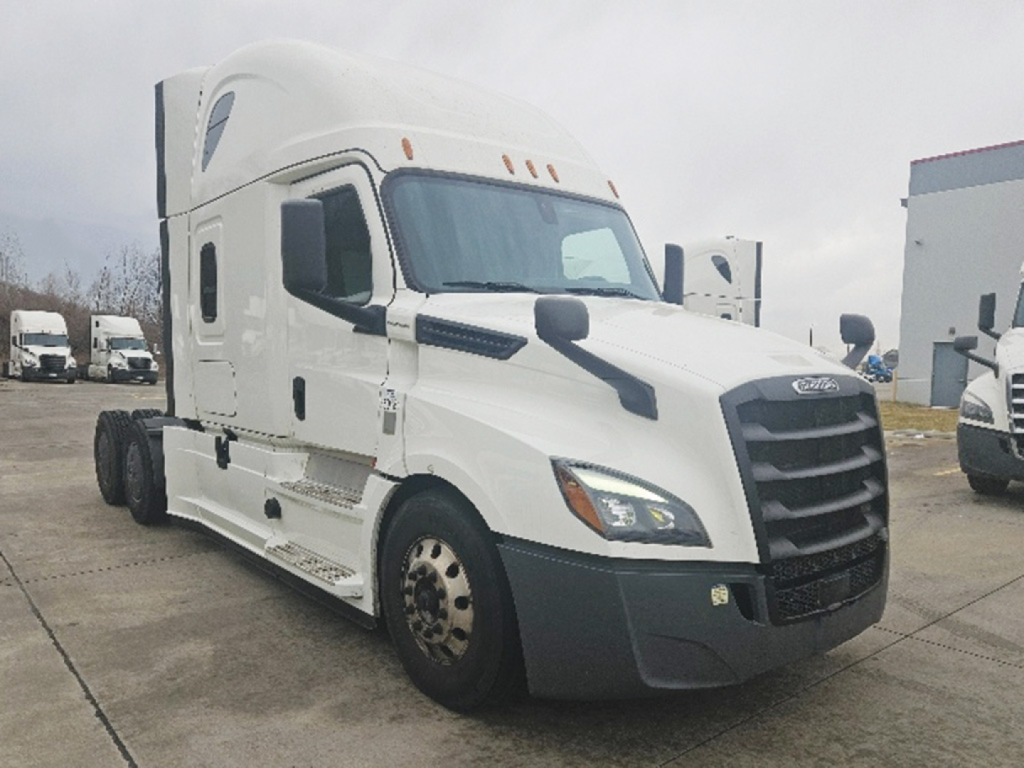
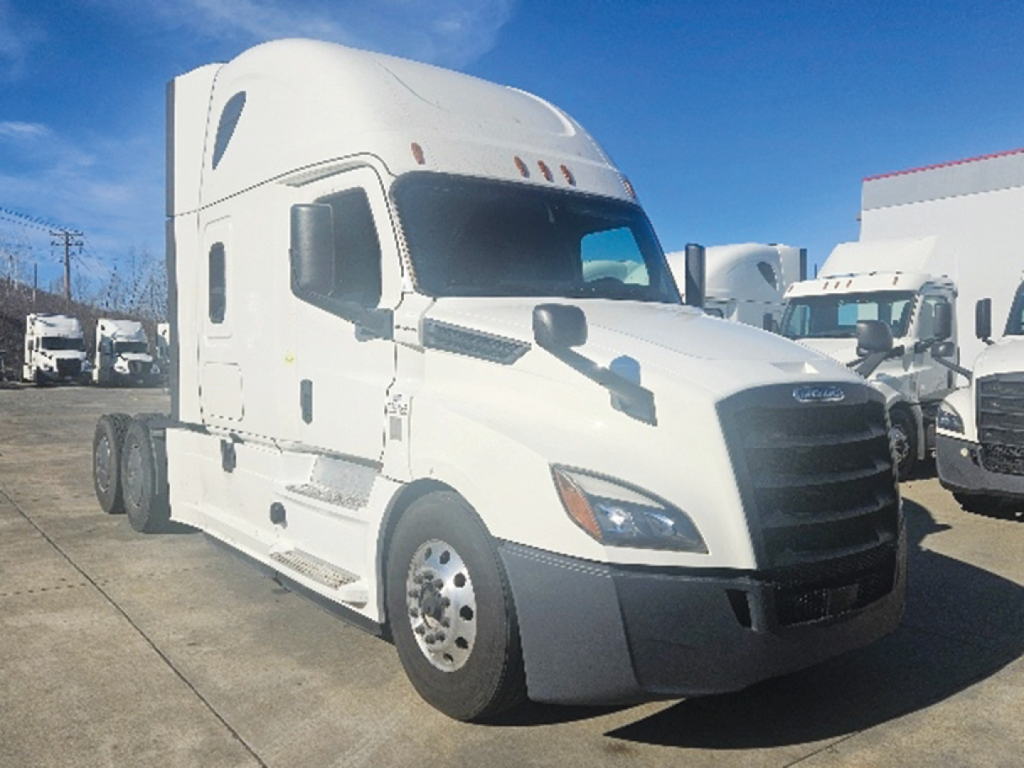
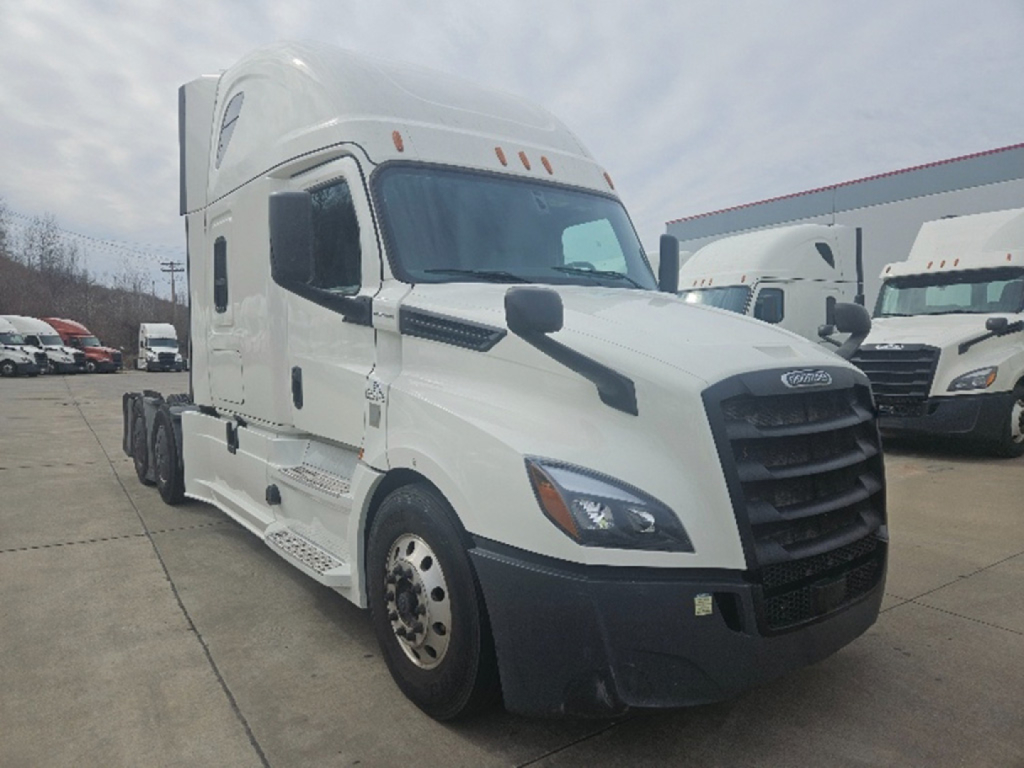

Showing 25 to 32 of 32 results
Have 2020 commercial truck to sell? List it here to reach thousands of buyers.
2020 Commercial Trucks in Nebraska
For a 2020 truck, the first decision is usually sleeper versus day cab. Sleeper trucks are built for over-the-road use and commonly carry 70-inch class raised-roof sleepers, larger fuel capacity, and wheelbases in the 220 to 230 inch range. Day cabs are usually shorter, lighter, and easier to maneuver for regional freight, dedicated routes, and local shuttle work. Engine choices in this class often include Detroit DD13 and DD15, Cummins X15, PACCAR MX series, and Volvo D13 platforms, typically paired with automated manual transmissions such as DT12, I-Shift, or Endurant. Horsepower in the 400 to 500 HP range is common, and rear axle ratios like 2.64, 2.79, 2.85, or 3.23 can tell you a lot about whether the truck was spec'd for fuel economy, heavier loads, or mixed terrain.
Buyers should look closely at the full operating spec, not just engine make and mileage. Wheelbase affects trailer gap, bridge law flexibility, and ride quality. Fifth wheel type matters if the truck will switch between trailer lengths or kingpin settings. Disc brakes, low rolling resistance tires, collision mitigation, APUs, bunk heaters, and dual aluminum fuel tanks can all add value depending on the route profile. A Nebraska truck may also show signs of winter exposure, so frame condition, cab corrosion points, air system health, and aftertreatment service history deserve extra attention. On 2020 emissions-era trucks, documented maintenance for the DPF, DEF system, sensors, and software updates is just as important as the drivetrain itself.
The strongest 2020 truck purchase is the one matched to its next job. A fleet buyer may prioritize standardized powertrains, telematics compatibility, and lower downtime risk. An owner-operator may care more about sleeper comfort, fuel economy, and serviceability across a wide dealer network. If the truck will spend most of its time on I-80 with van or reefer freight, a downsped spec with an automated transmission can make sense. If it will pull heavier loads or work shorter regional cycles, a different axle ratio and horsepower package may be the better fit. In this category, the most important comparison points are sleeper size, engine family, transmission model, rear axle rating, ratio, suspension, brake type, and maintenance history.
Frequently Asked Questions about 2020 Commercial Trucks in Nebraska
What should I look for first when comparing 2020 trucks for sale in Nebraska?
Start with the truck’s intended application, then compare the hard specs that affect operating cost and performance. Sleeper versus day cab, engine family, transmission type, rear axle ratio, wheelbase, and axle ratings should all line up with the freight you plan to haul. In Nebraska, many 2020 trucks were used on highway lanes and regional routes, so fuel economy specs are common. After that, review maintenance records closely, especially for emissions components, brake wear, suspension condition, and any signs of corrosion from winter road treatment.
Are 2020 trucks a good balance between price and technology?
Yes, for many buyers a 2020 truck is a strong middle ground. Trucks from this model year are modern enough to include improved aerodynamics, automated manual transmissions, collision mitigation on some specs, and more refined powertrain controls. At the same time, they are generally less expensive than newer late-model units. The key is not just the year itself, but how the truck was maintained, how it was spec'd, and whether its prior application matches your next use.
Which engines and transmissions are common in 2020 highway trucks?
In 2020 highway tractors, common engine platforms include the Detroit DD13 and DD15, Cummins X15, Volvo D13, and PACCAR MX-13. Many of these trucks were spec'd with automated manual transmissions such as the Detroit DT12, Volvo I-Shift, Eaton Endurant, or similar 12-speed units. Manual transmissions still exist in this year range, but automatics and AMTs are much more common in fleet and over-the-road use because they help with driver consistency, fuel economy, and clutch life.
How important is rear axle ratio on a 2020 truck?
Rear axle ratio is one of the most important specs on any road tractor because it directly affects cruise RPM, fuel economy, launch performance, and gradeability. Ratios such as 2.64 or 2.79 are often associated with downsped highway applications focused on fuel savings, while 3.08 or 3.23 may be better suited to heavier freight, steeper terrain, or more stop-and-go work. A low ratio can be excellent on long interstate runs, but only if it is matched correctly to tire size, transmission gearing, and engine torque curve.
What maintenance areas matter most on a used 2020 truck?
Emissions system history should be near the top of the list. Ask for records covering DPF service, DEF components, EGR work, sensor replacement, and any software updates or warranty repairs. Then inspect the chassis and cab carefully, including brake condition, suspension wear, tire wear patterns, steering components, and frame rust. On sleeper trucks, also check the HVAC, bunk heater, APU if equipped, and all electrical accessories. A well-documented 2020 truck with consistent preventive maintenance is usually a far better buy than a newer truck with incomplete service history.