
2019 Trucks For Sale in North Carolina
Browse 2019 used trucks for sale in North Carolina, including day cabs, vocational trucks, buses, tank units, and municipal fleet equipment.
Learn more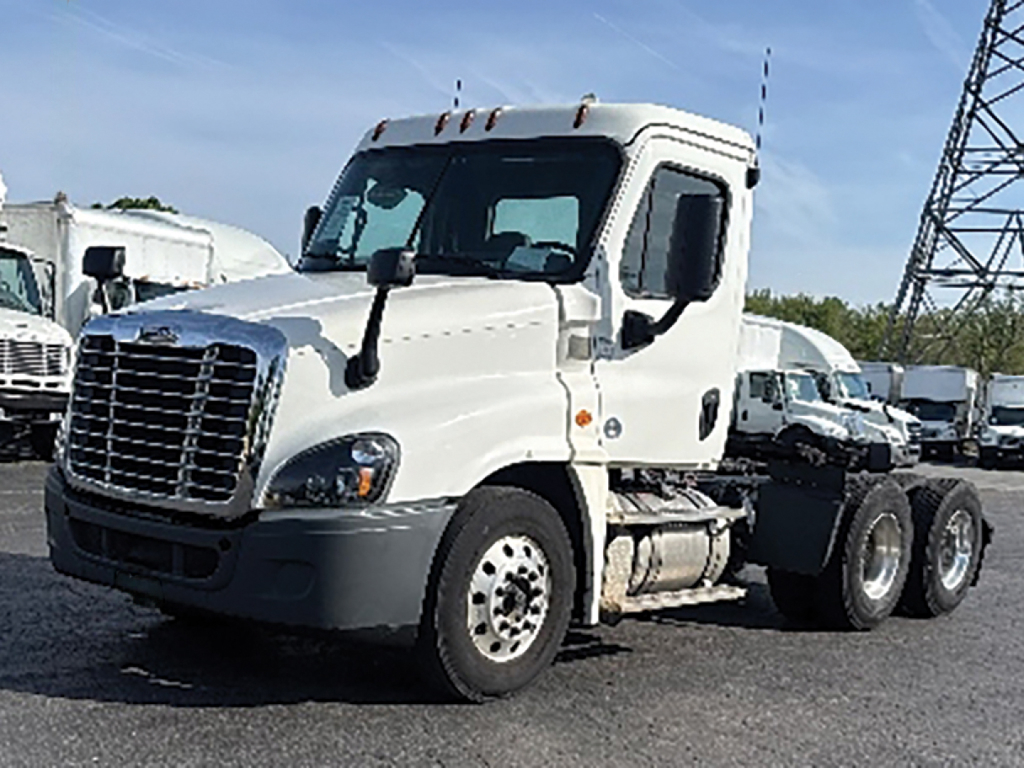
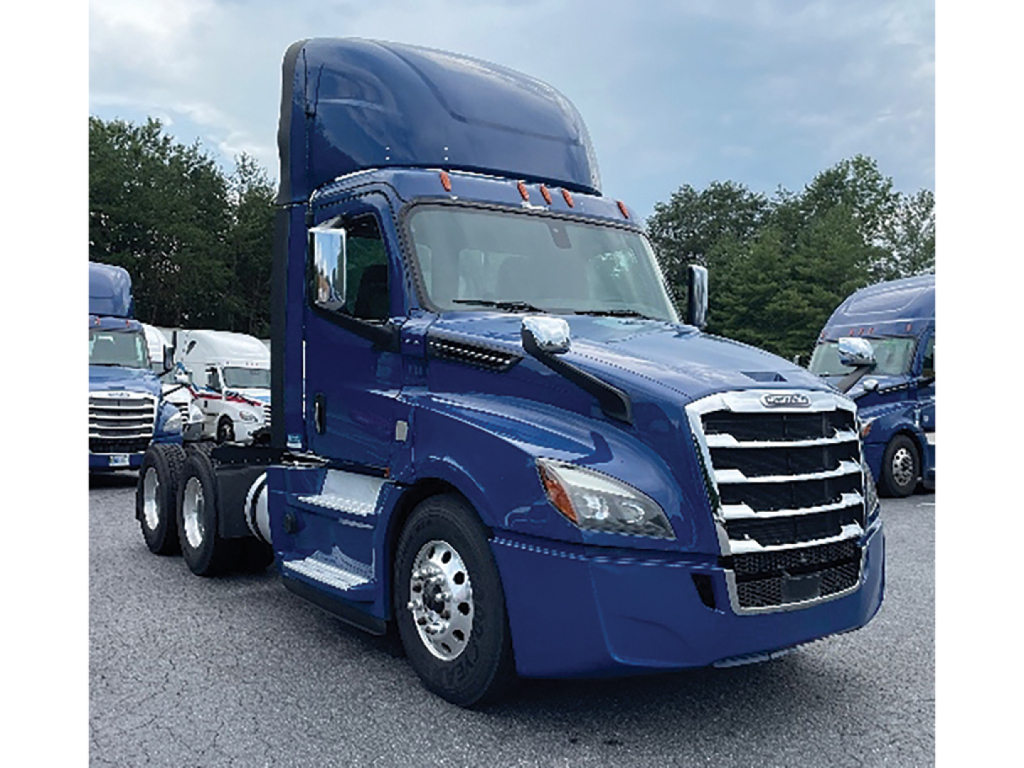
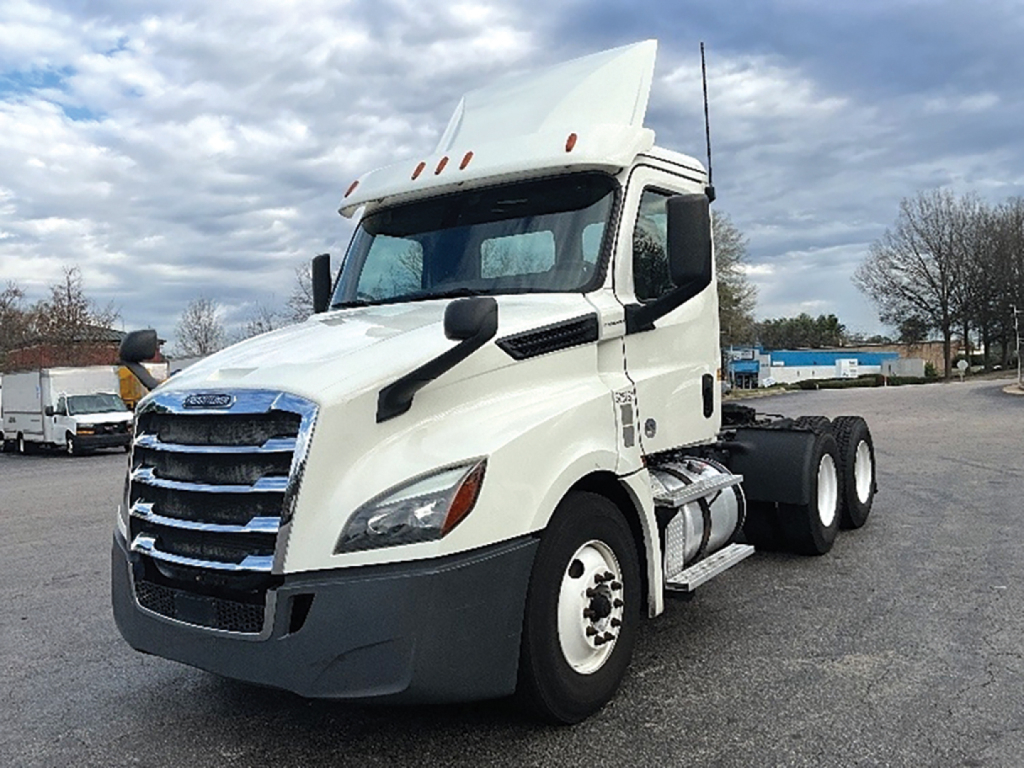
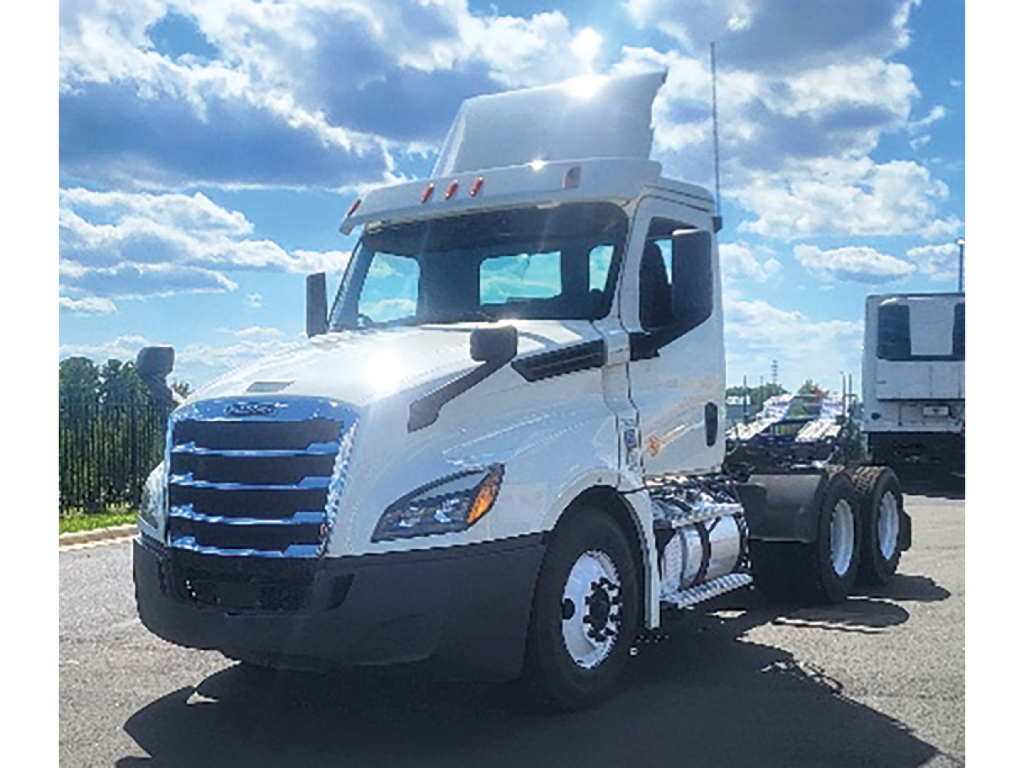
Showing 13 to 16 of 16 results
Have 2019 truck to sell? List it here to reach thousands of buyers.
About 2019 Trucks in North Carolina
Powertrain decisions should come first because they drive operating cost more than paint, trim, or even body style. On-road 2019 trucks commonly show up with diesel platforms such as the Detroit DD13, Volvo D13, PACCAR MX, Cummins X12 or X15, and automated manual transmissions including DT12, I-Shift, and Endurant. Buyers looking at day cabs in this year range should pay close attention to horsepower, rear axle ratio, wheelbase, and whether the truck is spec'd for regional freight, drayage, or heavier local hauling. A single-axle truck with a fast ratio can be efficient for lighter lanes, while a tandem-axle setup with higher rear axle capacity fits heavier payloads, dump work, tanker service, or other vocational use. For municipal and specialty trucks, verify PTO operation, pump hours, body controls, hydraulic function, and body manufacturer support as closely as the chassis itself.
North Carolina buyers also need to think about application and geography. Trucks running Charlotte, Greensboro, Raleigh, or the I-85 corridor often benefit from specs built for stop-and-go regional service, including air ride suspension, engine brakes, disc brakes, and aerodynamic packages. Coastal and municipal applications may require extra attention to corrosion, cab mounts, frame condition, tank integrity, and electrical connections exposed to moisture. If the truck has a body, the body condition can determine value just as much as engine mileage. On refuse, tank, bus, or service configurations, inspect subframe condition, hoist or pump systems, hydraulic leaks, interlocks, and any signs of hard municipal duty cycles.
A smart 2019 truck purchase comes down to matching the spec to the job and checking maintenance records against real wear points. Look at engine hours versus odometer miles, aftertreatment service history, transmission calibration records, suspension wear, brake type, tire size, and axle ratings. In a 2019 model, cab technology and driver comfort are usually better than older equipment, with more trucks offering improved HVAC, steering wheel controls, cruise, telematics capability, and upgraded interiors. Those details matter on resale and driver retention, but the core buying decision is still simple: buy the truck with the right axle capacity, wheelbase, powertrain, and body for the work you plan to do in North Carolina.
Frequently Asked Questions
What should I check first on a 2019 used truck?
Start with the powertrain and service history. Engine make, horsepower, transmission model, rear axle ratio, axle rating, and emissions maintenance records tell you more about suitability and long-term cost than cosmetic condition alone. On a 2019 truck, review DPF and SCR service, fault history, engine hours, and any records showing clutch, transmission, or aftertreatment repairs. If it is a vocational truck, check PTO operation and body functions right away.
Is a 2019 truck a good balance between price and technology?
Yes. A 2019 model year often gives buyers a practical mix of modern driveline technology, better cab comfort, and broad parts availability at a lower acquisition cost than newer trucks. Many 2019 trucks have automated manual transmissions, improved aerodynamics, updated interiors, and electronic safety features that older trucks may lack. The key is making sure those systems have been maintained properly, especially emissions and transmission controls.
Are 2019 trucks in North Carolina commonly spec'd for regional or local work?
Many are. North Carolina regularly sees day cabs, regional tractors, municipal trucks, buses, and specialty vocational units built for shorter-haul freight and local service. That means buyers will often find practical specs such as automatic or automated transmissions, air ride suspension, engine brakes, moderate wheelbases, and single-axle or tandem-axle configurations tailored to stop-and-go routes. The exact fit still depends on GVWR, rear axle rating, and body setup.
What matters most when buying a 2019 vocational truck instead of a highway tractor?
The body and its supporting systems matter just as much as the chassis. On a tank truck, refuse truck, bus, or service body, inspect pumps, hydraulics, PTO engagement, controls, interlocks, tank or body structure, and corrosion at mounting points. A strong engine and transmission do not offset a worn-out body system with expensive repair needs. Body manufacturer support and replacement parts availability should also be part of the buying decision.
How important are axle ratio and wheelbase on a 2019 truck?
They are critical because they determine how the truck performs in its intended application. A faster rear axle ratio can improve fuel economy in lighter regional work, while a deeper ratio helps startability and heavier hauling. Wheelbase affects turning radius, body fitment, bridge law considerations, and how the truck handles in city work, jobsite access, or trailer setups. These specs should match the actual load, route, and operating environment.