
2019 Conventional Sleeper Trucks For Sale in North Carolina
Shop 2019 conventional sleeper trucks in North Carolina. Compare roof height, sleeper size, engine, transmission, axle ratio, and wheelbase.
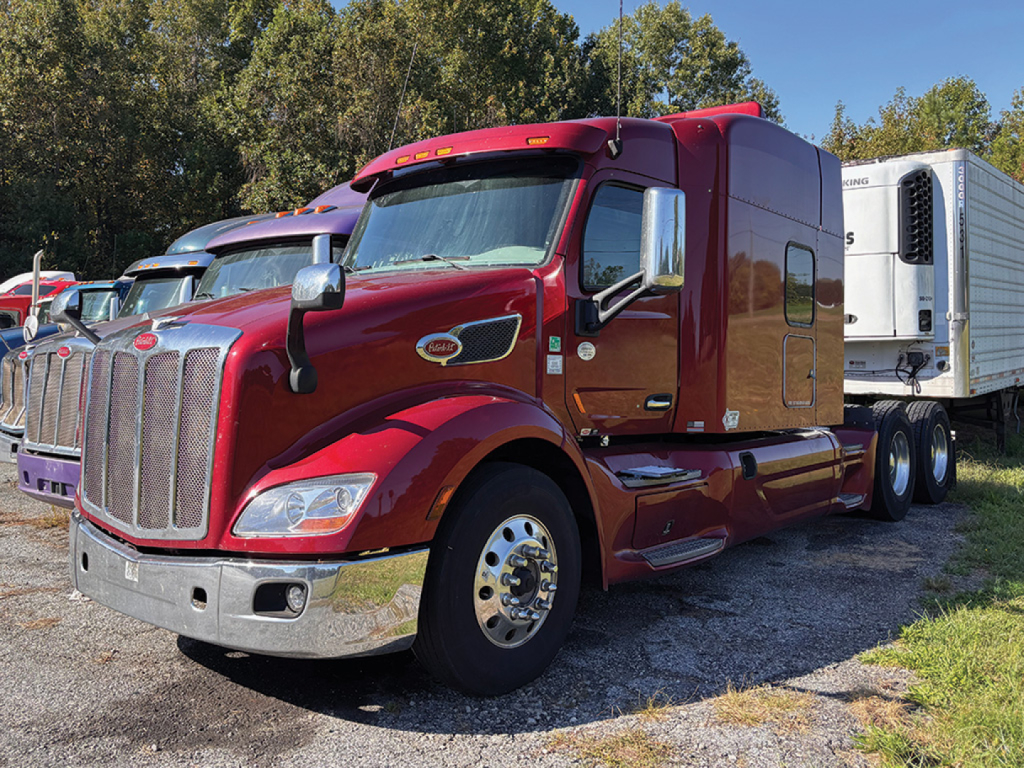
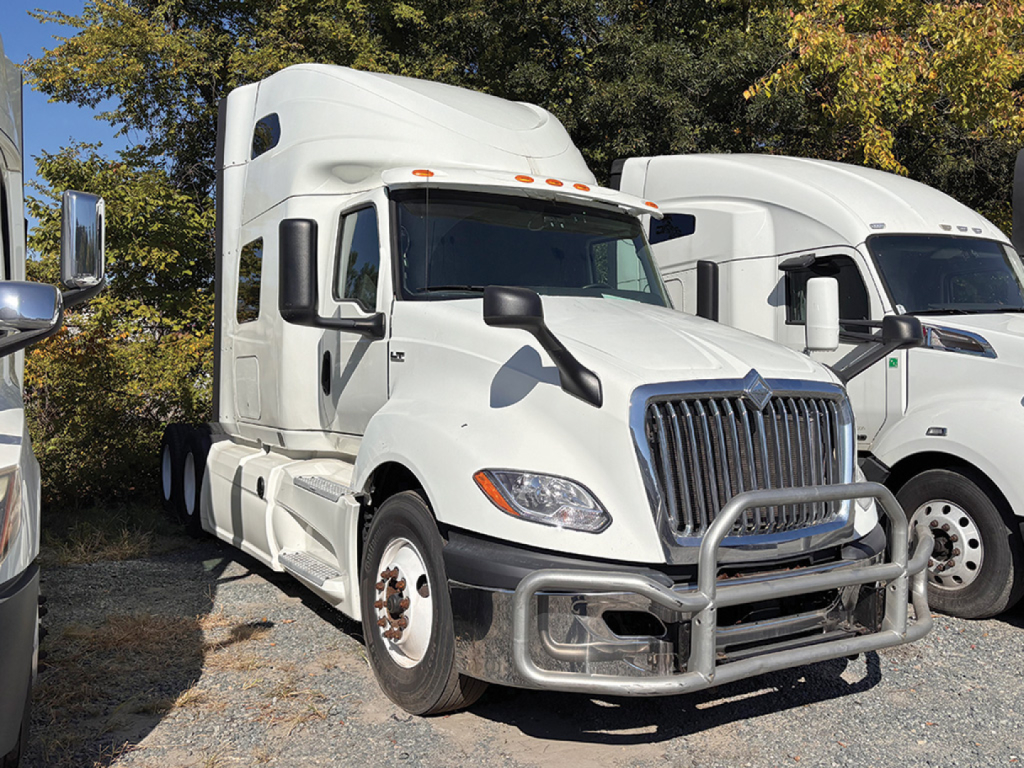

Selling a 2019 conventional sleeper truck? List your 2019 conventional sleeper truck for sale and reach thousands of commercial buyers.
2019 Conventional Sleeper Trucks in North Carolina
For most 2019 conventional sleepers, expect raised-roof or mid-roof configurations with sleepers in the 60-inch to 80-inch range, tandem rear axles around 40,000 pounds, and engines commonly rated from about 400 to 505 horsepower. Automated manual transmissions are the norm in this year range, including DT12, I-Shift, mDrive, Endurant, and PACCAR automated options, though some trucks still carry manual 10-speed or 13-speed setups. Rear axle ratios often fall in the 2.47 to 3.36 range depending on intended speed and terrain. Lower ratios generally support fuel economy on flatter interstate work, while deeper ratios make more sense for heavier loads, mountain routes, and buyers who want stronger gradeability. Wheelbase, fairings, fuel capacity, and fifth wheel travel matter just as much if the truck will switch between van, reefer, or bulk applications.
A buyer comparing 2019 sleeper trucks should pay close attention to engine family and aftertreatment history. In this segment, common engines include the Detroit DD15, Cummins X15, Volvo D13, Mack MP8, and PACCAR MX-13. Service records for the DPF, DOC, SCR system, EGR components, and one-box or aftertreatment updates are important because downtime costs can erase any upfront savings. Mileage and idle hours should be reviewed together, especially on trucks with APUs, bunk heaters, or battery HVAC systems. Interior condition matters more than many buyers expect on a sleeper tractor because worn bunks, cabinets, seats, and controls usually point to overall use level. Driver-assist features such as collision mitigation, adaptive cruise, lane departure warning, and tire pressure monitoring became much more common by 2019 and can add value for fleet safety programs.
In North Carolina, a 2019 conventional sleeper often makes sense for interstate freight running the I-40, I-85, I-95, and Southeast port and distribution lanes. Buyers hauling dry van, refrigerated freight, dedicated contract loads, and general long-distance freight should match roof height and bunk layout to the amount of nights on the road. A larger sleeper with upper bunk, bunk heater, inverter, and more cabinet space helps team operations and extended runs. A shorter sleeper or lighter spec may be better for regional work where payload, maneuverability, and lower tare weight matter more. The best truck in this category is the one with a documented maintenance history, a lane-appropriate drivetrain, and a sleeper configuration that fits the freight and driver schedule.
Frequently Asked Questions about 2019 Conventional Sleeper Trucks in North Carolina
What should I look for first when comparing 2019 conventional sleeper trucks?
Start with the original operating spec, not the paint or badge. Engine rating, transmission type, rear axle ratio, wheelbase, sleeper size, and fuel capacity will tell you what kind of work the truck was built to do. A fuel-mileage fleet tractor with a tall overdrive spec may not be the right choice for heavy freight or mountain lanes, while a heavier vocational-style sleeper spec can cost more to run on standard interstate freight. Maintenance records, emissions repairs, and fault code history should be reviewed before cosmetic condition.
Are 2019 sleeper trucks mostly automatic?
Yes. By 2019, automated manual transmissions had become the standard in most conventional sleeper truck fleets. Systems like Detroit DT12, Volvo I-Shift, Mack mDrive, Eaton Endurant, and PACCAR automated transmissions were common because they improve driver consistency and usually help fuel economy. Manual transmissions still appear in some trucks, but they are less common in this model year and are usually tied to owner-operator preference or a specific application.
What engine options are common in a 2019 conventional sleeper?
The most common engines in this class are the Detroit DD15, Cummins X15, Volvo D13, Mack MP8, and PACCAR MX-13. Most are spec'd in the 400 to 505 horsepower range with torque ratings matched to linehaul work. The best choice depends on service network preference, fuel economy goals, driver familiarity, and maintenance history. Buyers should look beyond horsepower and confirm software updates, aftertreatment service, injector history, oil analysis if available, and any major engine work already completed.
How important is sleeper size on a 2019 road tractor?
Sleeper size has a direct effect on driver comfort, storage, and how well the truck fits the route. A 60-inch to 72-inch sleeper is common for solo over-the-road use and many regional applications. Larger 70-inch to 80-inch raised-roof sleepers offer more room for standing, upper bunks, cabinets, and extended stays on the road. If the truck will be used for team operation or week-long trips, the larger sleeper usually justifies its weight and wheelbase. If the truck is running short regional cycles, a smaller sleeper may be more practical.
Why do axle ratio and wheelbase matter so much on a 2019 conventional sleeper truck?
Axle ratio and wheelbase affect fuel economy, drivability, turning radius, and trailer compatibility. A faster ratio such as 2.64 or 2.79 usually favors highway fuel mileage at cruising speed, especially with downsped powertrains. A deeper ratio such as 3.25 or 3.36 can help when hauling heavier freight or running in hilly terrain. Wheelbase influences ride quality, tank capacity, and how easily the tractor can work with different trailer lengths and kingpin settings. Buyers should match both specs to the freight, roads, and average gross weight they expect to run.