
2019 Conventional Daycab Trucks For Sale in North Carolina
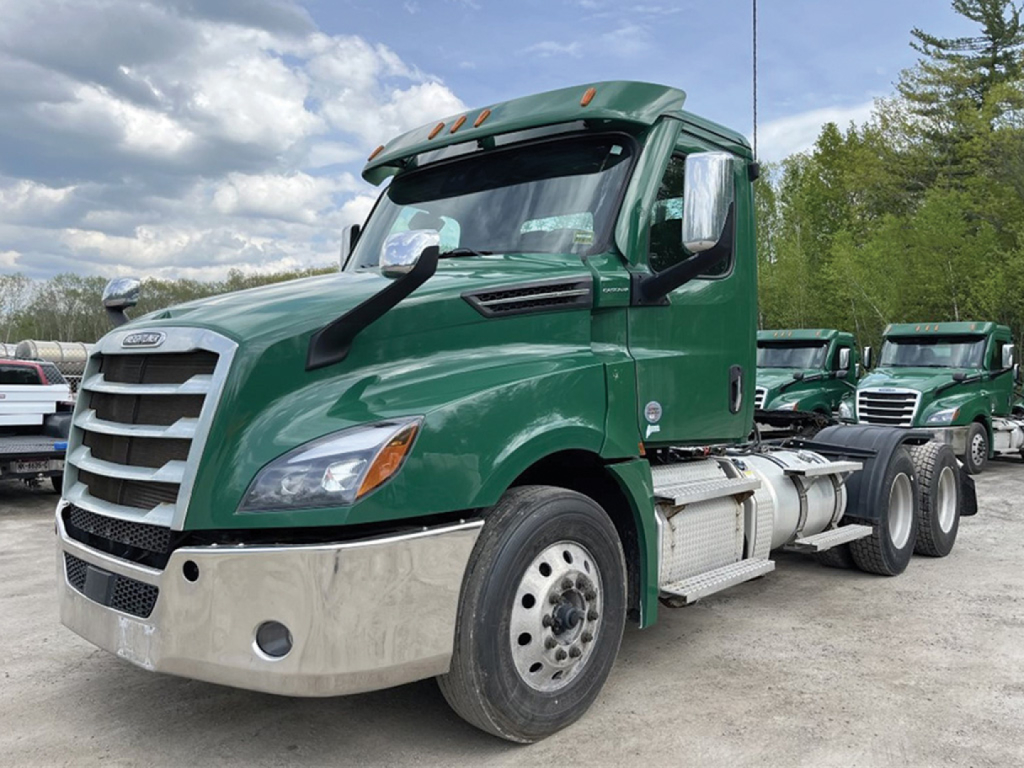
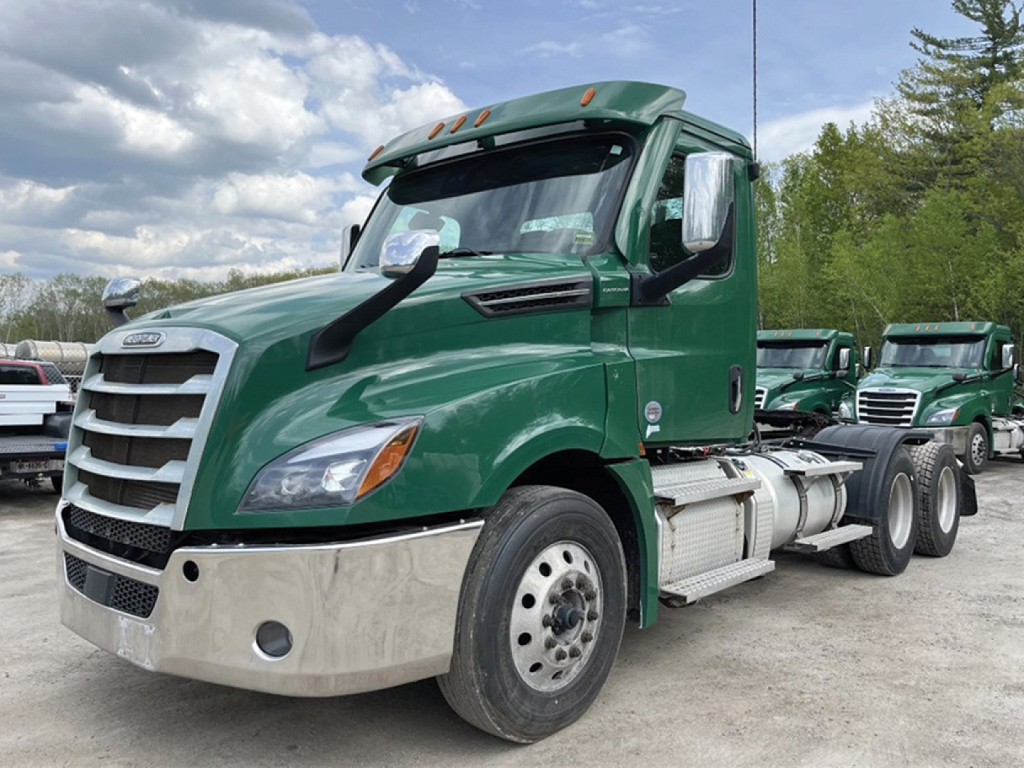
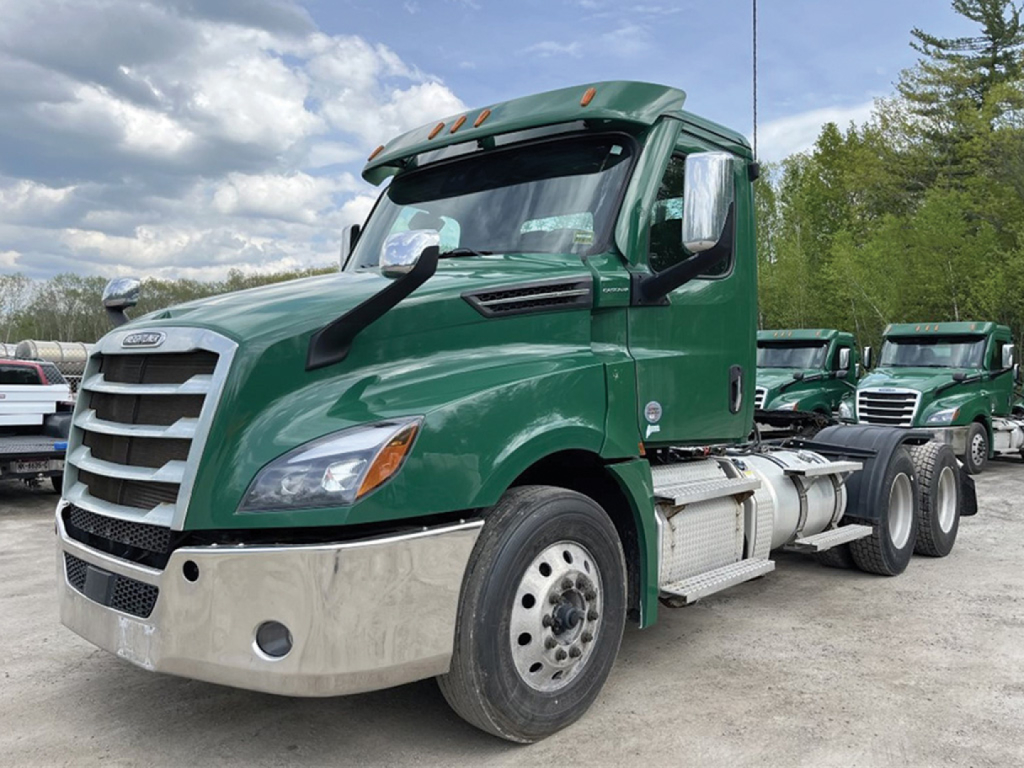
Shop 2019 conventional daycab trucks with popular specs for local and regional hauling, port work, P&D, municipal fleets, and vocational use.

Selling a 2019 conventional daycab truck? List your 2019 conventional daycab truck for sale and reach thousands of commercial buyers.
2019 Conventional Daycab Trucks in North Carolina
In the 2019 model year, conventional daycabs commonly show up with diesel engines in the 220 to 500 horsepower range, depending on whether the truck is a medium-duty straight truck or a Class 8 highway tractor. Popular engines include the Cummins X15 and ISB/ISL family, Detroit DD13 and DD15, Paccar MX-11 and MX-13, Volvo D11 and D13, and International A26. Automated manual transmissions are very common in this year range, including DT12, I-Shift, Endurant, and UltraShift-type spec, though some fleets still preferred full manuals or Allison automatics for vocational use. Rear axle ratings often range from around 20,000 pounds on single-axle tractors up to 40,000 pounds on tandem units, with gear ratios selected for the job. A 2.64 to 3.08 ratio usually points to fuel-efficient regional highway work, while 3.42 to 4.10 or deeper ratios are more common where startability, heavier loads, or PTO applications matter.
The best 2019 daycab for your operation depends on how the truck earns its keep. For local freight and drop-and-hook trailer work, look closely at wheelbase, fifth wheel travel, suspension type, and cab access. Air ride suspension is preferred for ride quality and driver comfort, while spring suspension still has a place in harsher vocational service. If the truck will run in city traffic, check for collision mitigation, lane departure warning, and disc brakes, because many 2019-spec fleet trucks began adding those safety features. If the truck will be used with specialized trailers or bodies, confirm frame length, PTO provisions, hydraulic setup, and fuel tank placement. Daycabs also tend to be easier to service and lighter than comparable sleepers, which can improve payload and reduce complexity for short-route fleets.
A careful buyer should also evaluate emissions history, idle hours, transmission calibration, and rear axle wear, not just engine mileage. By 2019, most conventional daycabs were fully into modern aftertreatment systems, so DPF, DEF, and SCR service records matter. For regional North Carolina use, corrosion is usually less severe than in heavy road-salt markets, but coastal exposure can still affect wiring, air tanks, frame hardware, and cab mounting points. A good 2019 conventional daycab should match the route, trailer, and duty cycle first, then the horsepower badge second. When the wheelbase, axle spec, gearing, and suspension are right, these trucks remain one of the most versatile and cost-effective platforms in the used commercial market.
Frequently Asked Questions about 2019 Conventional Daycab Trucks in North Carolina
What is a conventional daycab truck used for?
A conventional daycab truck is used for local and regional hauling where the driver does not need a sleeper berth. Common applications include dry van, reefer, flatbed, tanker, drayage, refuse, dump, municipal service, and dedicated distribution routes. The shorter cab and chassis layout usually improve maneuverability, reduce empty weight, and simplify daily entry and exit compared with a sleeper tractor.
What should I look for when buying a 2019 conventional daycab?
Start with axle configuration, wheelbase, rear axle ratio, suspension, and transmission because those specs determine how the truck will perform in your specific duty cycle. After that, review engine hours, maintenance records, aftertreatment history, brake type, tire wear, and any evidence of frame modifications or PTO installation. A truck that is correctly spec'd for the route and load is usually a better buy than one with higher horsepower but the wrong gearing or chassis layout.
Are 2019 daycab trucks mostly automatic or manual?
Most 2019 conventional daycab trucks on the market are equipped with automated manual transmissions, especially in fleet and regional highway service. These transmissions improve driver consistency, help protect the driveline, and can support better fuel economy. Manual transmissions still appear in older fleet carryover specs and certain vocational applications, while full automatics are more common in medium-duty, municipal, and stop-and-go operations.
Is a single-axle or tandem-axle daycab better?
A single-axle daycab is often better for lighter regional loads, tighter urban work, and operations where lower weight and lower operating cost are priorities. A tandem-axle daycab is better suited for heavier trailers, higher GCWR requirements, and applications that need more traction and durability. The right choice depends on legal weight, trailer type, terrain, and how much frame space you need for equipment such as a sliding fifth wheel or hydraulic system.
Do 2019 conventional daycabs have modern safety and emissions systems?
Yes. Most 2019 conventional daycabs use modern diesel emissions equipment including DPF, DEF, and SCR systems, and many were also spec'd with newer safety technology. Depending on make and trim, you may see collision mitigation, adaptive cruise, lane departure warning, electronic stability control, and air disc brakes. These features can improve uptime and driver confidence, but buyers should verify that all sensors, cameras, and aftertreatment components have been maintained properly.