
2019 Trucks For Sale in New York
Browse 2019 trucks for sale in New York, including day cabs, dump trucks, and cab & chassis models with diesel power and commercial specs.
Learn more
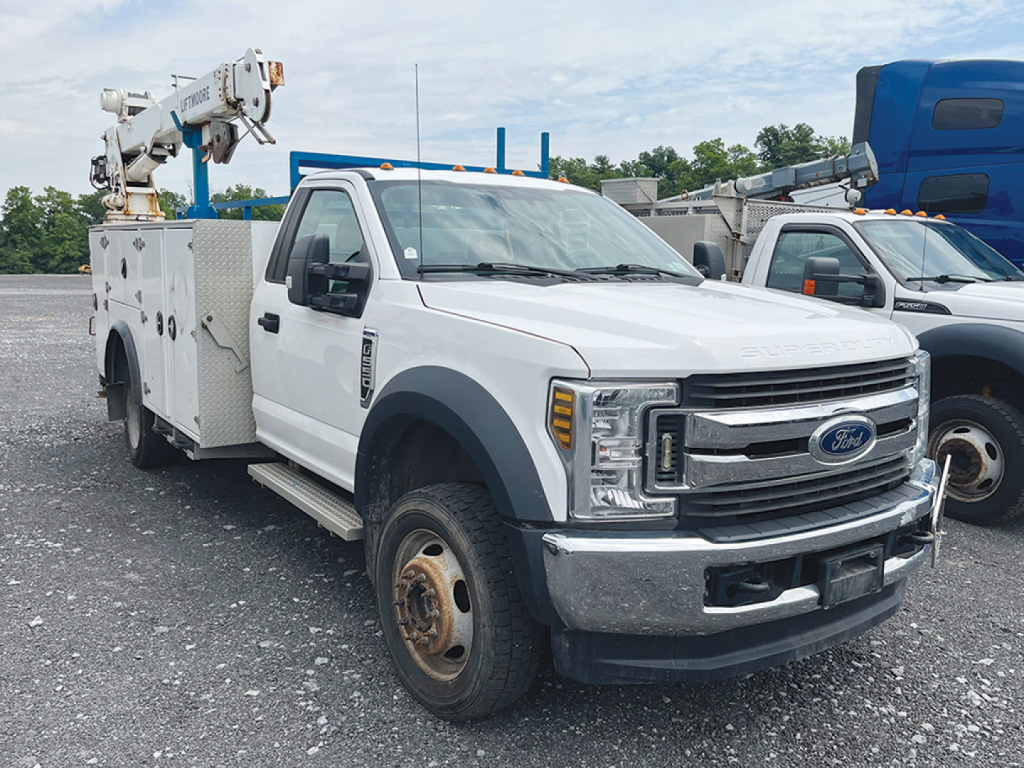
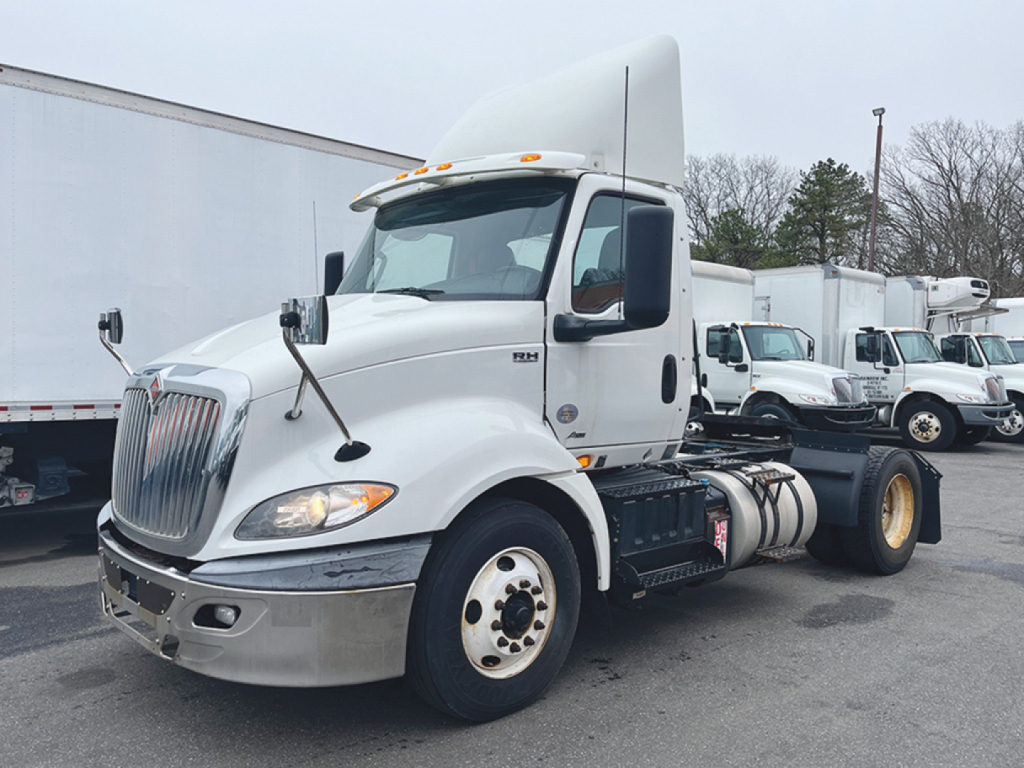
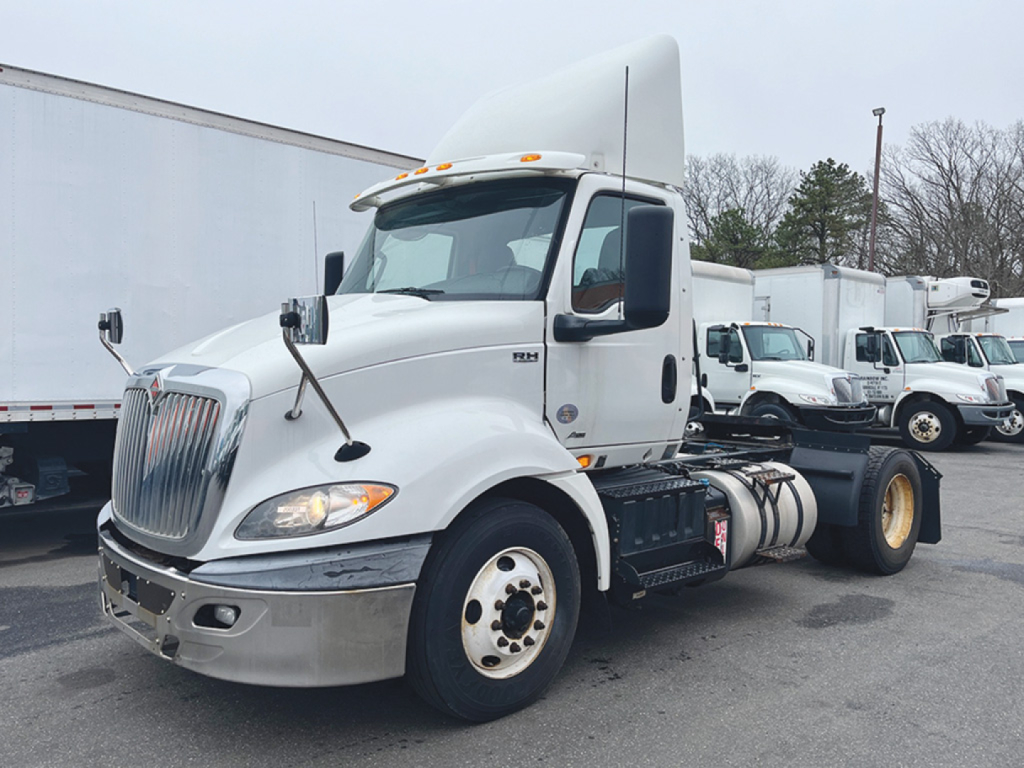
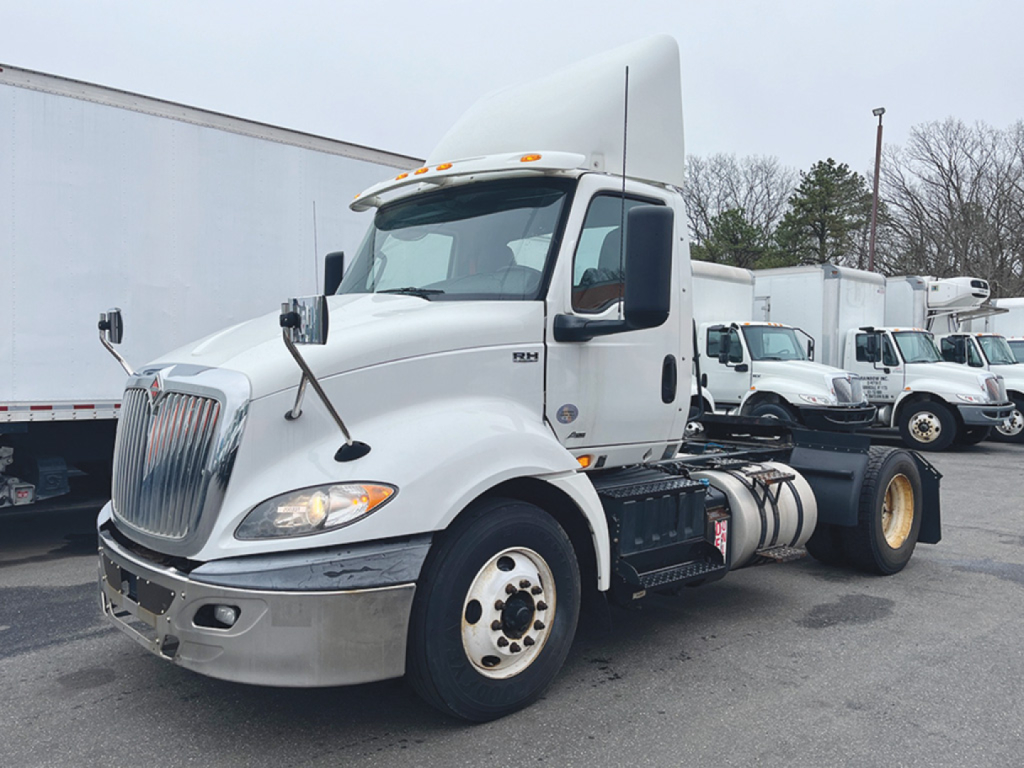
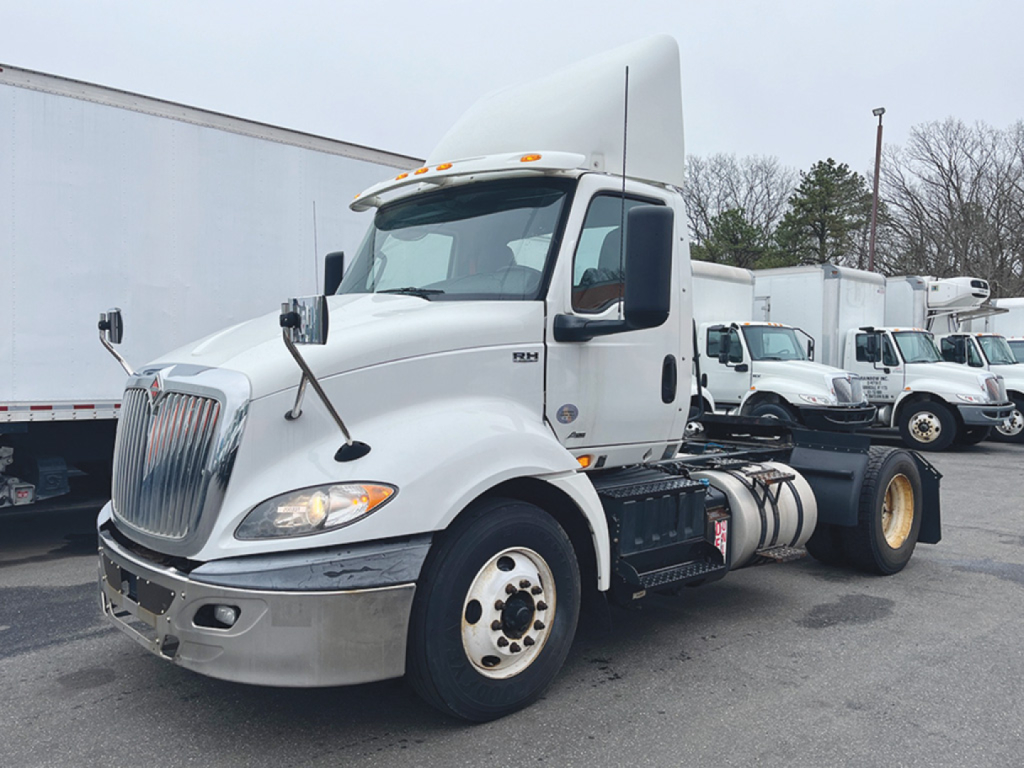
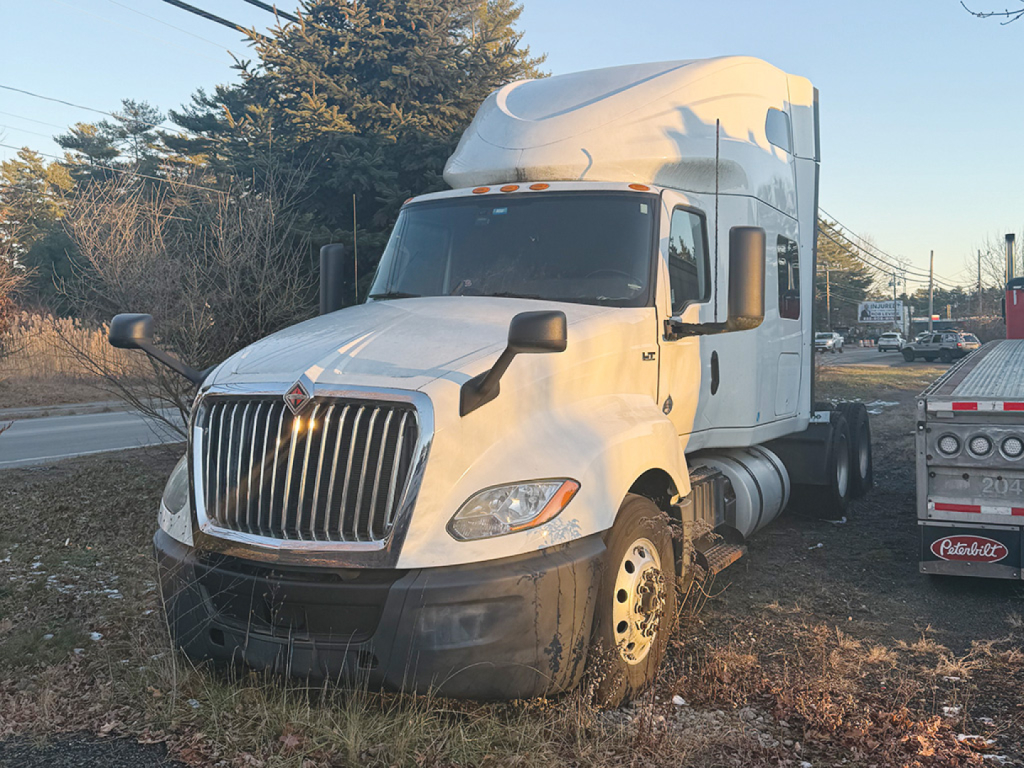
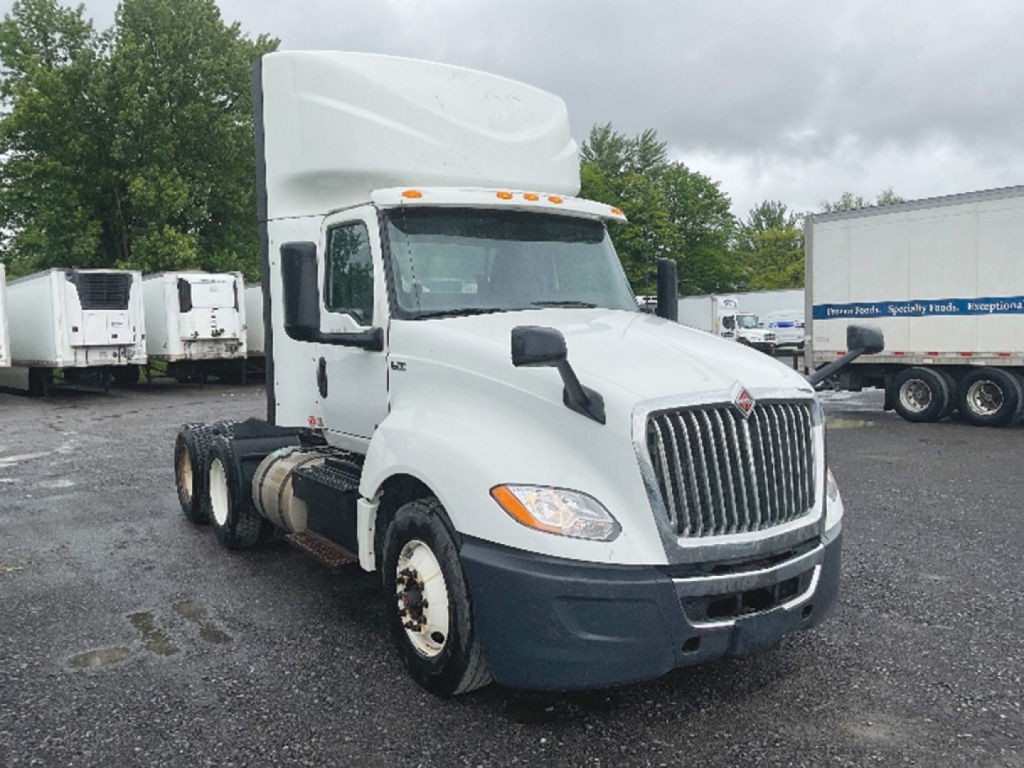
Showing 1 to 24 of 36 results
Have 2019 truck to sell? List it here to reach thousands of buyers.
About 2019 Trucks in New York
The first decision is usually truck class and body style. In this year range, buyers will see conventional day cabs for local and regional freight, dump trucks for construction and municipal work, and cab and chassis units that can be upfitted with van bodies, flatbeds, hooklifts, service bodies, or landscape bodies. Typical specs vary widely by application. A medium-duty 2019 truck may carry a GVWR from around 14,500 to 33,000 pounds, while heavy-duty highway tractors are commonly spec'd with 12,000-pound front axles, 20,000- to 40,000-pound rears, air ride suspensions, and wheelbases selected around body length or kingpin setting requirements. Transmission choice is another major separator, with automated manuals dominating many fleet-spec tractors while some vocational trucks still use Allison automatics or manual gearboxes.
For New York use, buyers should pay close attention to axle configuration, turning radius, and corrosion exposure. A 4x2 day cab can be a practical fit for regional freight, port work, and tight terminal operations, while 6x4 setups remain common for dump, snow, and heavier vocational use. If the truck spent time in the Northeast, frame condition, cab corners, brake lines, crossmembers, spring hangers, and electrical connections deserve a close inspection because road salt can shorten component life. On diesel trucks with 2019 emissions equipment, it is smart to review aftertreatment history, including DPF cleanings, DEF system repairs, NOx sensor replacement, and any derate events. Service records and engine hours often tell more than the odometer on trucks that have spent long periods idling or working PTO-driven equipment.
A good 2019 truck purchase comes down to matching the spec to the job instead of shopping by year alone. Check wheelbase, cab-to-axle, PTO capability, rear axle ratio, brake type, suspension design, and tire size against the route and payload you expect to run. For tractors, look at fifth wheel style, frame setup, and whether the truck was built for van, tanker, flatbed, or city P&D work. For vocational and upfit candidates, confirm the frame is suitable for the body you plan to mount and that the electrical and hydraulic provisions are already in place if needed. The 2019 model year remains attractive because it is modern enough to support fleet service expectations, telematics integration, and driver comfort, but old enough to offer a broad mix of price points and specifications.
Frequently Asked Questions
What types of 2019 trucks are commonly available in New York?
The 2019 truck market in New York usually includes heavy-duty day cabs, dump trucks, medium-duty cab and chassis units, straight trucks, and other vocational configurations. Buyers can find trucks built for local freight, construction, municipal work, delivery, towing, and body upfit applications. The exact mix depends on prior use, but 2019 is a broad model year that spans light-duty through Class 8 equipment.
Is a 2019 truck a good balance between price and modern features?
For many buyers, yes. A 2019 truck is new enough to offer updated engine platforms, emissions systems, better cab ergonomics, and safety technology that is more common on later-model equipment. At the same time, it is typically priced below newer trucks, which can make it attractive for owner-operators, small fleets, and vocational buyers trying to control acquisition cost while still moving into a more current platform.
What should I inspect closely on a used 2019 truck in the Northeast?
In New York and the surrounding region, corrosion is a major inspection point. Look closely at the frame rails, crossmembers, cab mounts, suspension brackets, brake components, wiring, fuel tank straps, and body mounting areas. On diesel units, review the maintenance history for the DPF, SCR, DEF pump, injectors, and NOx sensors. Tire wear, brake wear, engine hours, PTO operation, and any signs of previous derates or electrical issues should also be checked before purchase.
Are 2019 trucks mostly automatic or manual?
Many 2019 highway tractors and regional trucks were spec'd with automated manual transmissions, especially in fleet service, because they help with driver training, fuel economy, and consistency. Vocational trucks may still have Allison automatics or traditional manuals depending on the application. Transmission type matters because it affects drivability, maintenance planning, PTO compatibility, and how well the truck fits stop-and-go work versus highway use.
What specs matter most when comparing 2019 trucks for sale?
The most important specs depend on the job, but buyers usually start with GVWR or GCWR, axle rating, axle configuration, engine horsepower and torque, transmission type, rear axle ratio, wheelbase, suspension, and brake setup. For tractors, fifth wheel position and frame layout matter. For cab and chassis or vocational trucks, cab-to-axle, PTO provisions, and body compatibility are critical because they determine whether the truck can be used as-is or needs additional modification.