
2019 Conventional Sleeper Trucks For Sale in New York
Shop 2019 conventional sleeper trucks in New York. Compare aero sleepers, engine options, sleeper sizes, wheelbases, and highway specs.
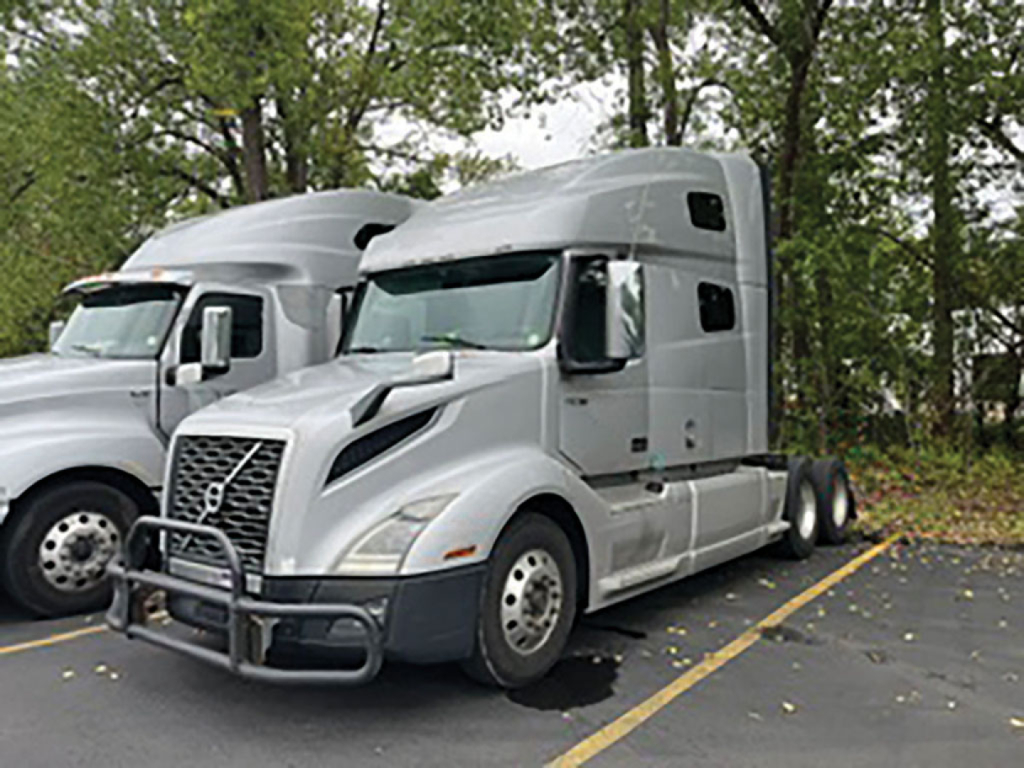

Have 2019 conventional sleeper truck to sell? List it here to reach thousands of buyers.
2019 Conventional Sleeper Trucks in New York
The first buying decision is usually sleeper size and drivetrain. A 60-inch to 72-inch raised-roof sleeper works well for many fleet and lease applications, while 73-inch and larger sleepers add storage, bunk space, and room for idle reduction or hotel loads. Common engines in this segment include the Cummins X15, Detroit DD15, PACCAR MX-13, and Volvo D13. Rear axle ratios such as 2.47, 2.64, and 3.25 have a major effect on cruise RPM, gradeability, and fuel burn, so the right ratio depends on terrain and average gross combination weight. In New York and the Northeast, that matters more than many buyers expect because a truck spec'd for flat interstate freight may feel under-geared in hill country or in stop-and-go regional service.
A typical 2019 conventional sleeper will have air ride suspension, an air slide fifth wheel, dual fuel tanks, engine brake, 22.5 low-profile tires, and an automated transmission such as a DT12, Endurant, or I-Shift. Wheelbase often lands around 220 to 235 inches, and that dimension affects trailer gap, weight distribution, maneuverability, and bridge law flexibility. Buyers should also look closely at comfort and safety equipment because 2019 trucks were commonly spec'd with collision mitigation, adaptive cruise, bunk heaters, APUs or idle reduction systems, refrigerators, and upgraded climate control. For teams or extended over-the-road use, upper bunks, cabinet layout, and inverter capacity deserve the same attention as engine and transmission specs.
Condition still comes down to service history and application. On a 2019 sleeper tractor, pay attention to emissions system performance, aftertreatment maintenance, clutch and shift actuator history on AMTs, steer tire wear, suspension condition, and signs of excessive idle time. A truck that spent its life on consistent highway miles will usually wear differently than one used in Northeast urban freight. The best choice is the one with a sleeper layout, axle ratio, wheelbase, and maintenance profile that match your lanes and trailer mix, not just the badge on the hood.
Frequently Asked Questions about 2019 Conventional Sleeper Trucks in New York
What is a 2019 conventional sleeper truck best used for?
A 2019 conventional sleeper truck is built primarily for over-the-road and regional hauling where the driver needs a dedicated sleeping area. It is commonly used for dry van, refrigerated freight, dedicated contract freight, and some flatbed applications. Compared with a day cab, the sleeper adds rest space, storage, and often better long-distance driver retention value. Compared with older sleepers, many 2019 models also bring better aerodynamics, more automated transmissions, and improved safety technology.
What engines and transmissions are common in 2019 conventional sleeper tractors?
The most common engines in this class are the Cummins X15, Detroit DD15, Volvo D13, and PACCAR MX-13, usually rated around 400 to 455 horsepower. Most 2019 models in fleet service are paired with automated manual transmissions such as the Volvo I-Shift, Detroit DT12, Eaton Endurant, or similar 10- to 12-speed units. These combinations are popular because they balance fuel economy, driver acceptance, and highway performance while reducing clutch wear from inexperienced shifting.
What sleeper size should a buyer look for in a 2019 conventional truck?
Sleeper size should match the freight network and time away from home. Smaller sleepers are often enough for regional runs or dedicated routes with limited layovers, while 72-inch to 73-inch raised-roof sleepers are more practical for long-haul work. Larger sleepers typically provide more cabinet space, room for a refrigerator or inverter setup, and a more comfortable living area for solo or team operations. The tradeoff is usually added weight and, in some cases, a longer wheelbase.
What should I inspect carefully on a used 2019 sleeper tractor?
Focus on emissions and aftertreatment records, engine fault history, transmission calibration and clutch actuator performance, cooling system condition, and signs of excessive idle hours. Also inspect suspension bushings, airbags, brakes, steer axle wear, and tire patterns for alignment issues. Inside the cab and sleeper, check the bunk heater, HVAC operation, inverter wiring, and any idle reduction equipment. A clean maintenance file matters more than cosmetic appearance on a highway tractor in this age range.
Why does axle ratio matter on a 2019 conventional sleeper truck?
Axle ratio affects how the truck accelerates, climbs grades, and cruises at highway speed. Lower numerical ratios such as 2.47 or 2.64 generally support better fuel economy on lighter or flatter interstate lanes, while higher numerical ratios such as 3.08 or 3.25 can improve pulling power in hilly terrain or heavier gross weights. In a market like New York, where routes can mix interstates, urban congestion, and mountain grades, the wrong ratio can hurt both performance and fuel efficiency.