
2018 Commercial Trucks For Sale in Florida
Shop 2018 trucks for sale in Florida, including day cabs, sleepers, vocational, medium-duty, and heavy-duty work trucks for regional or fleet use.
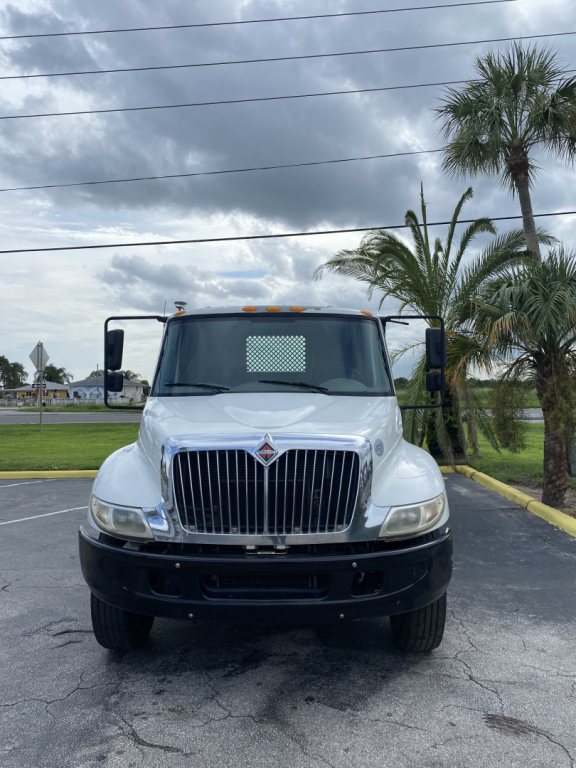
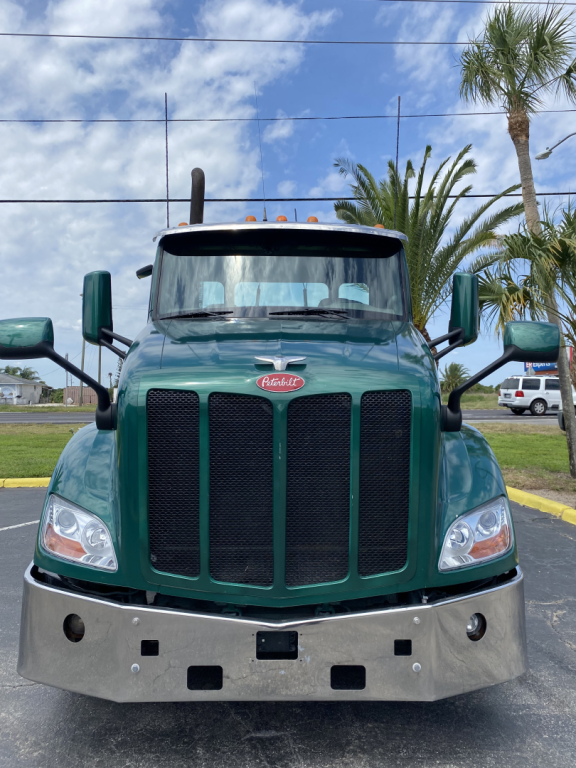
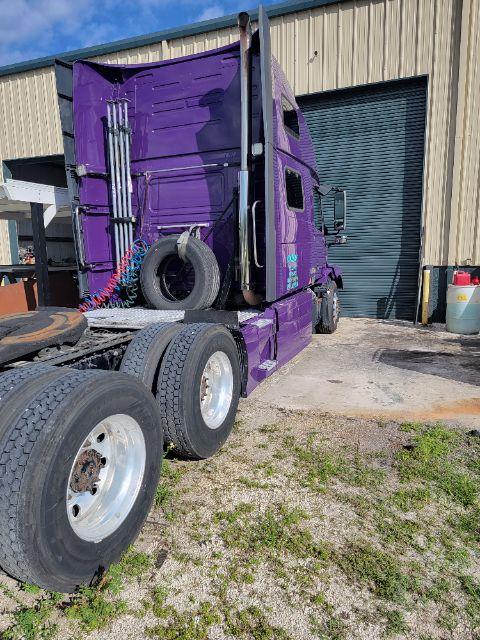
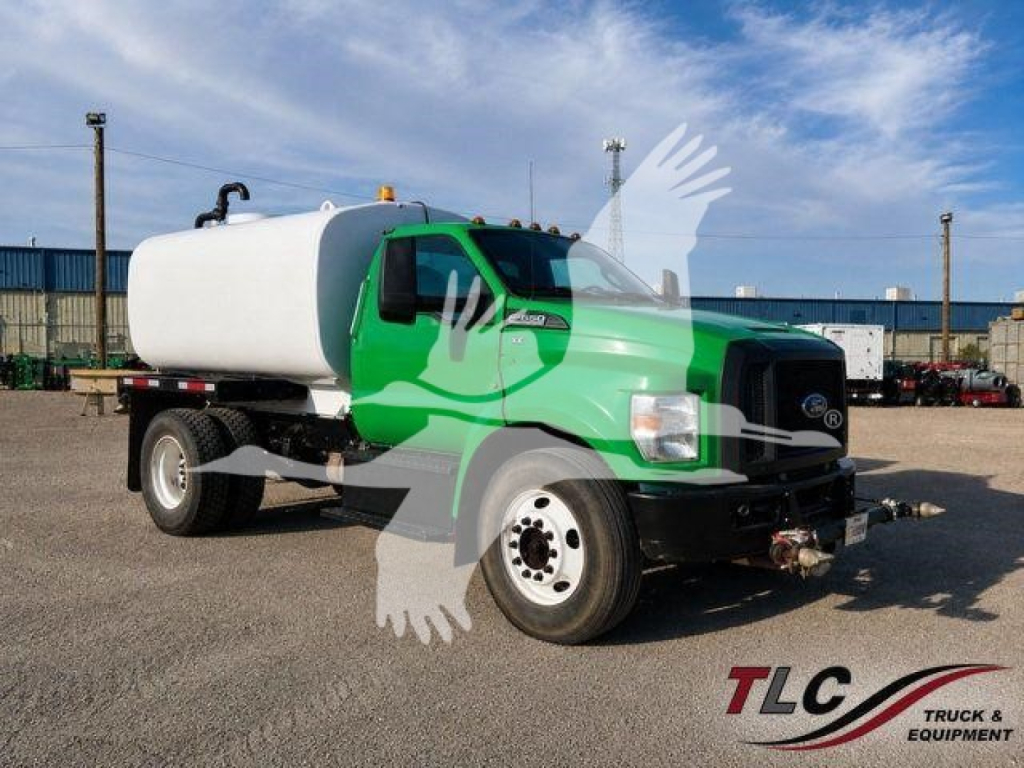
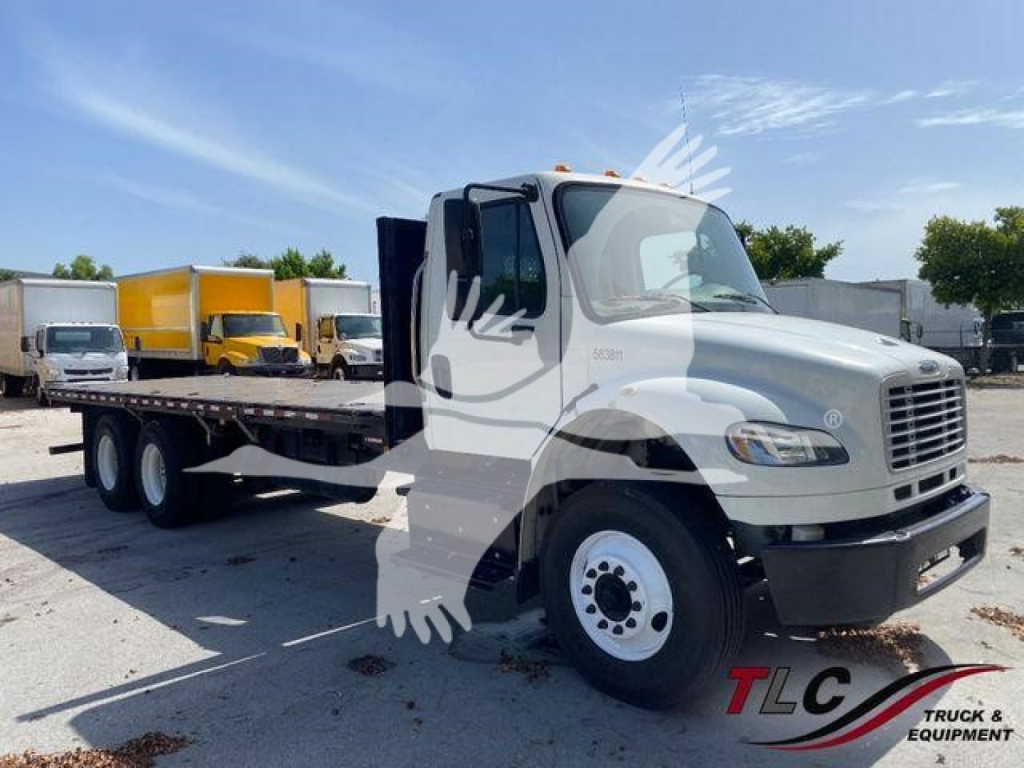
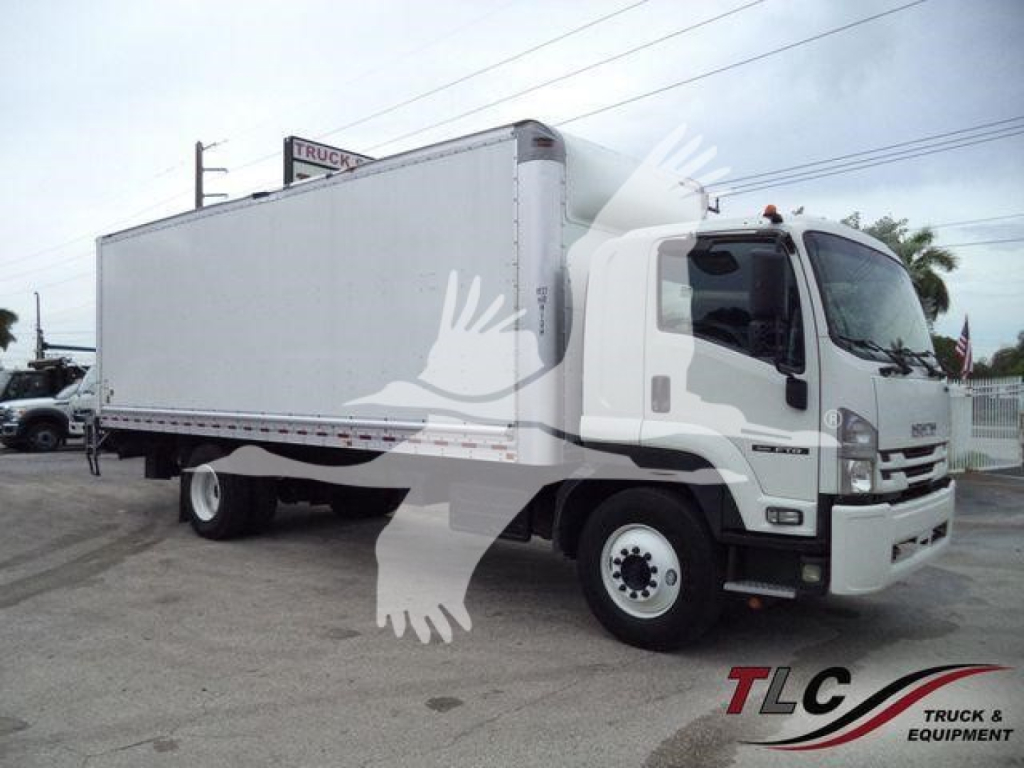
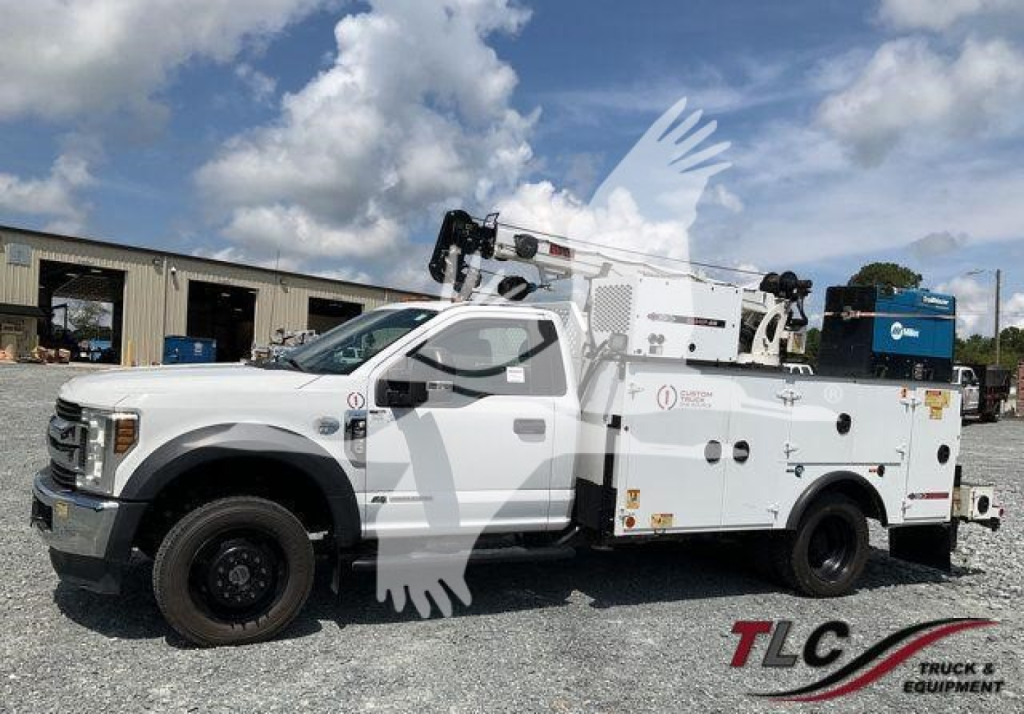
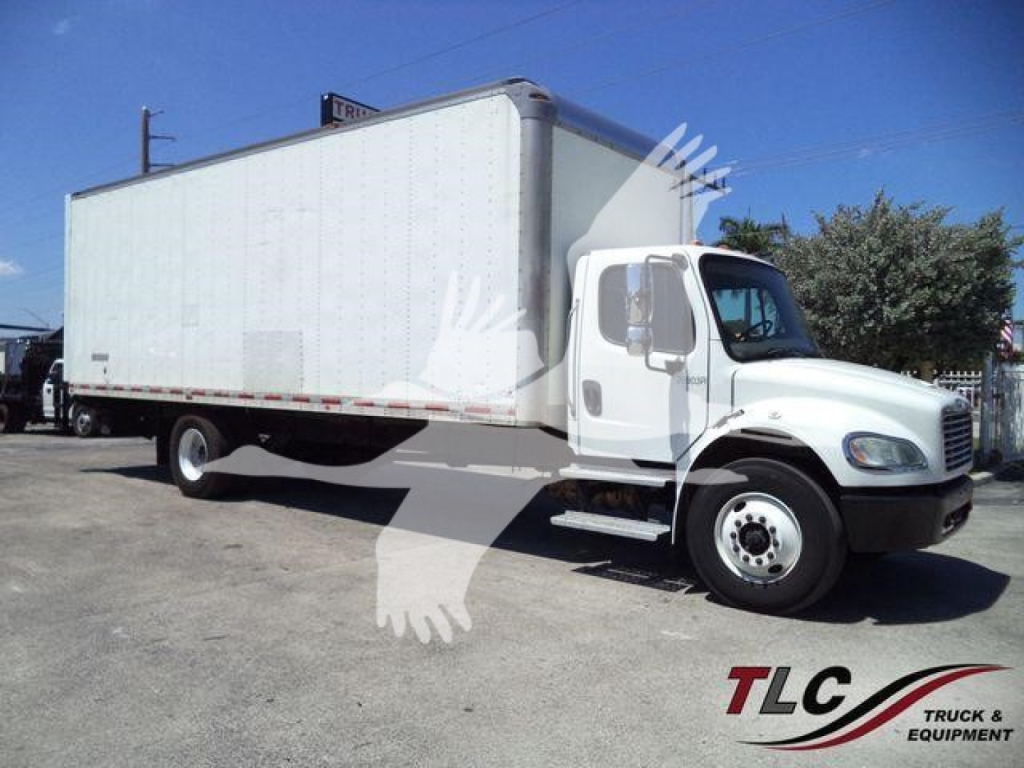
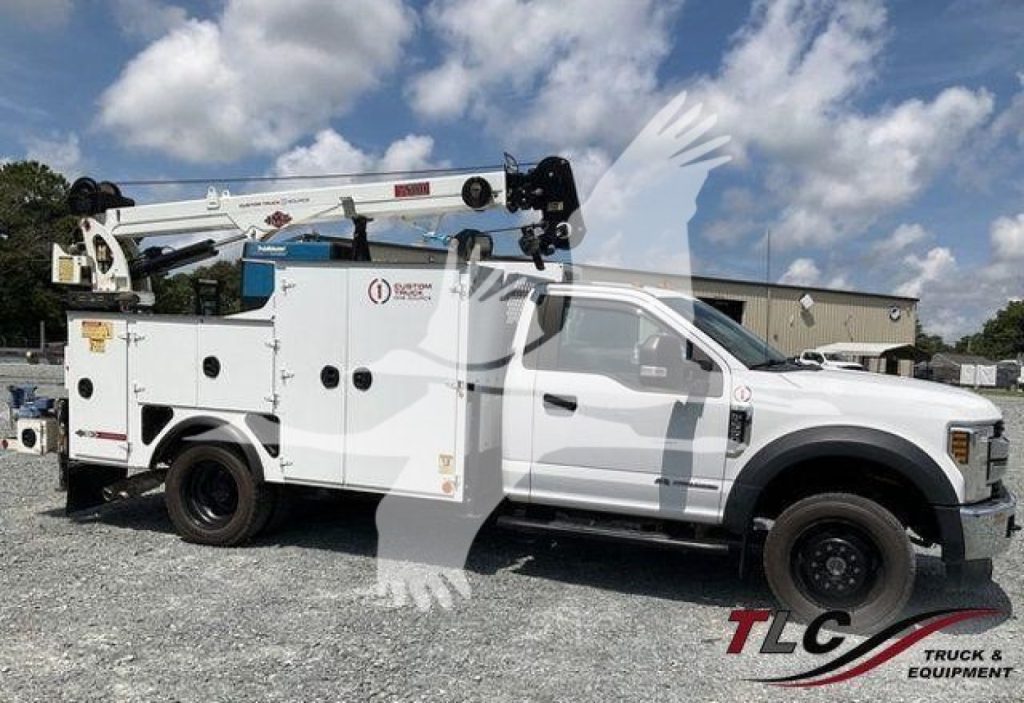
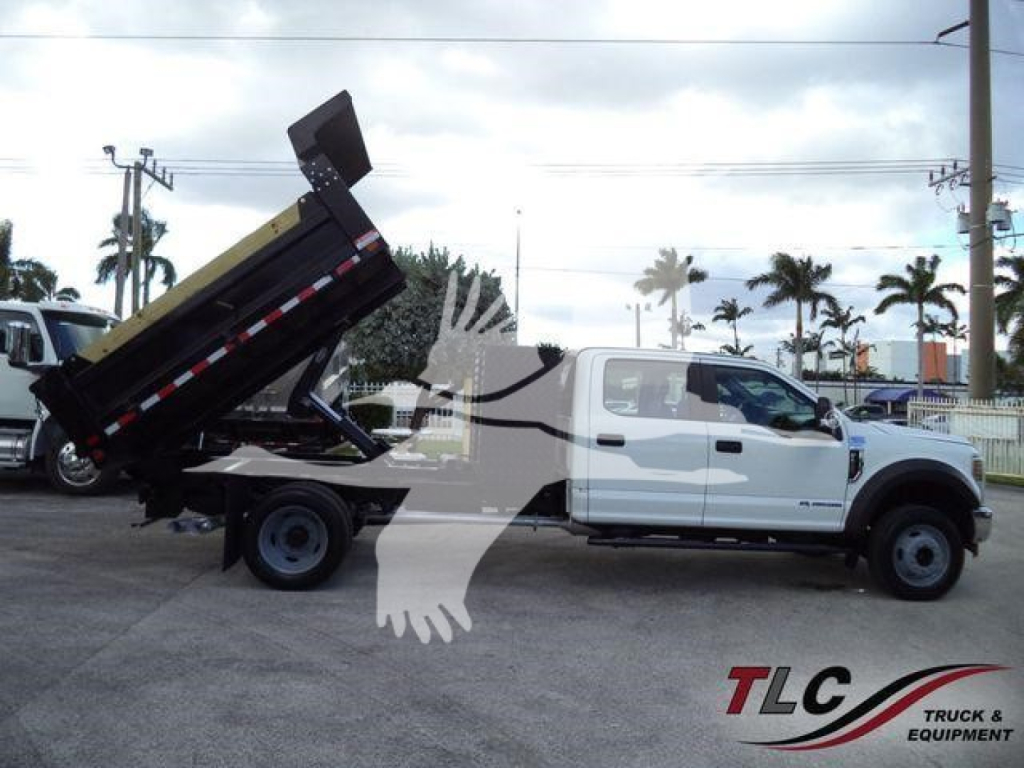
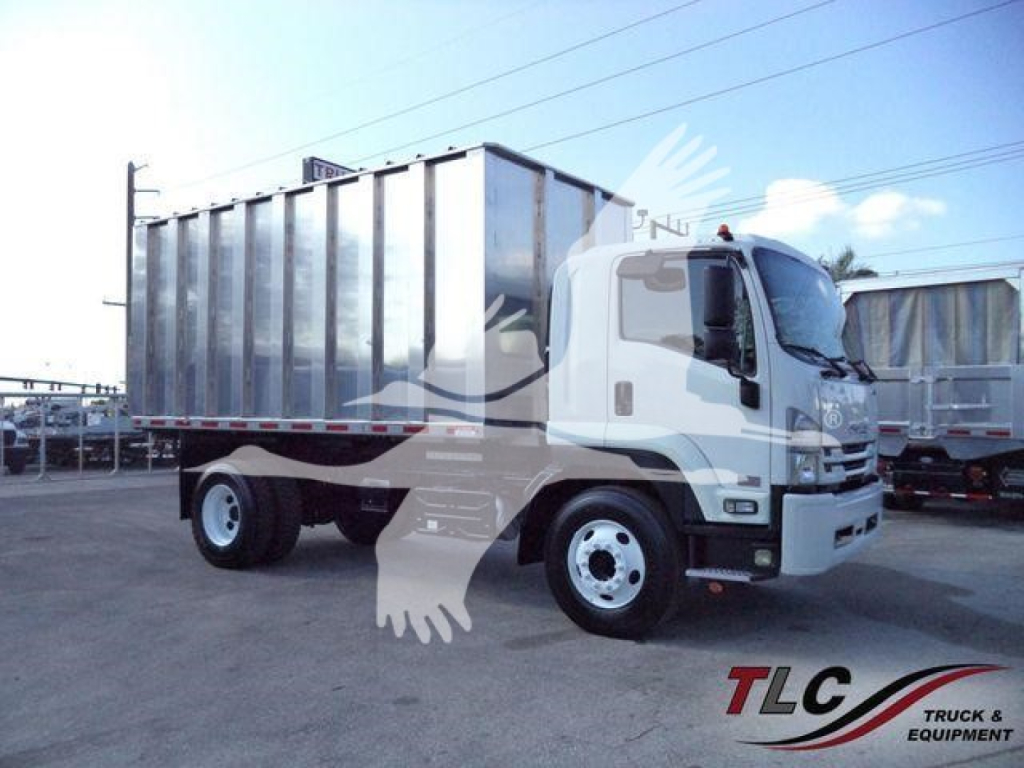
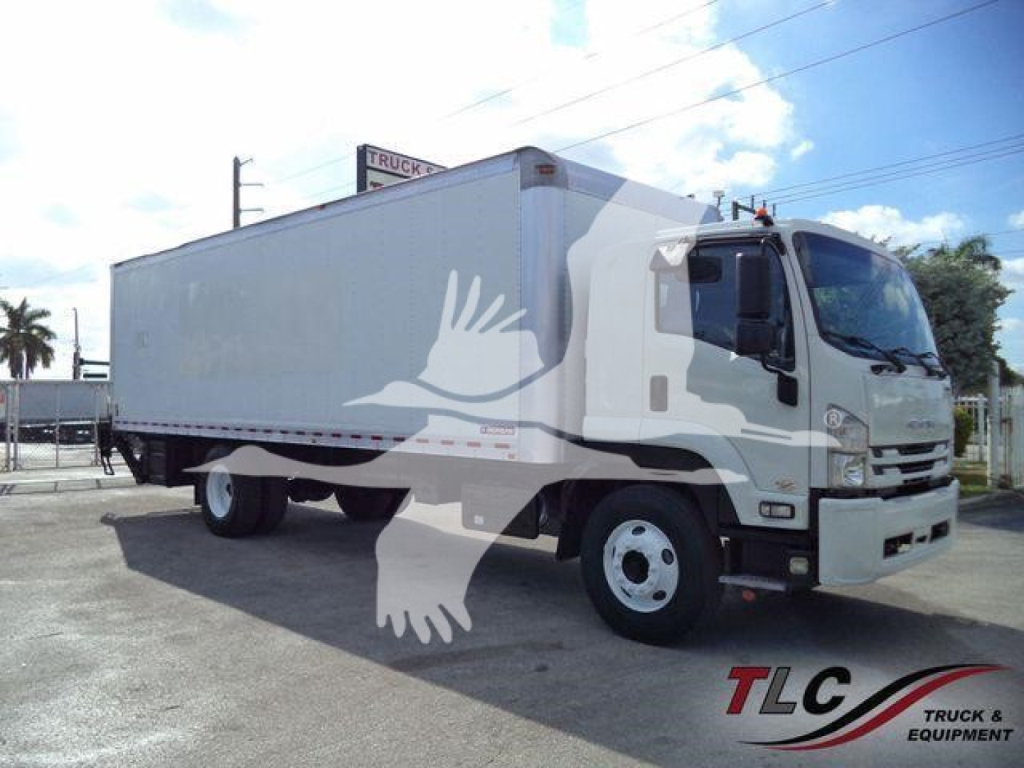
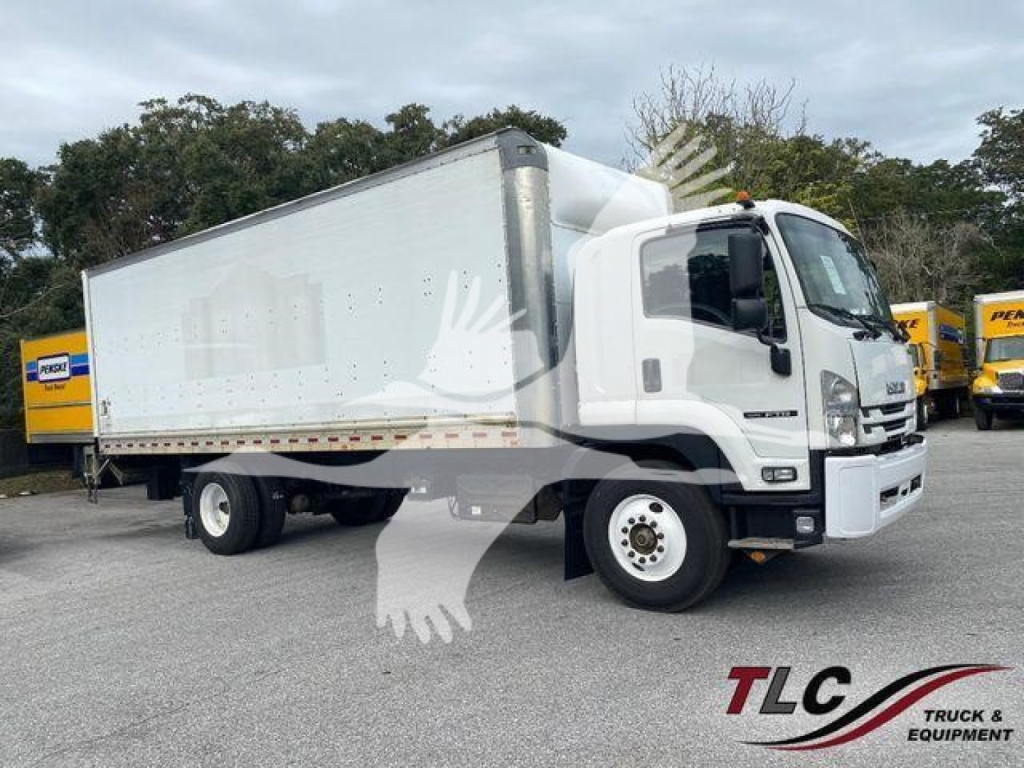
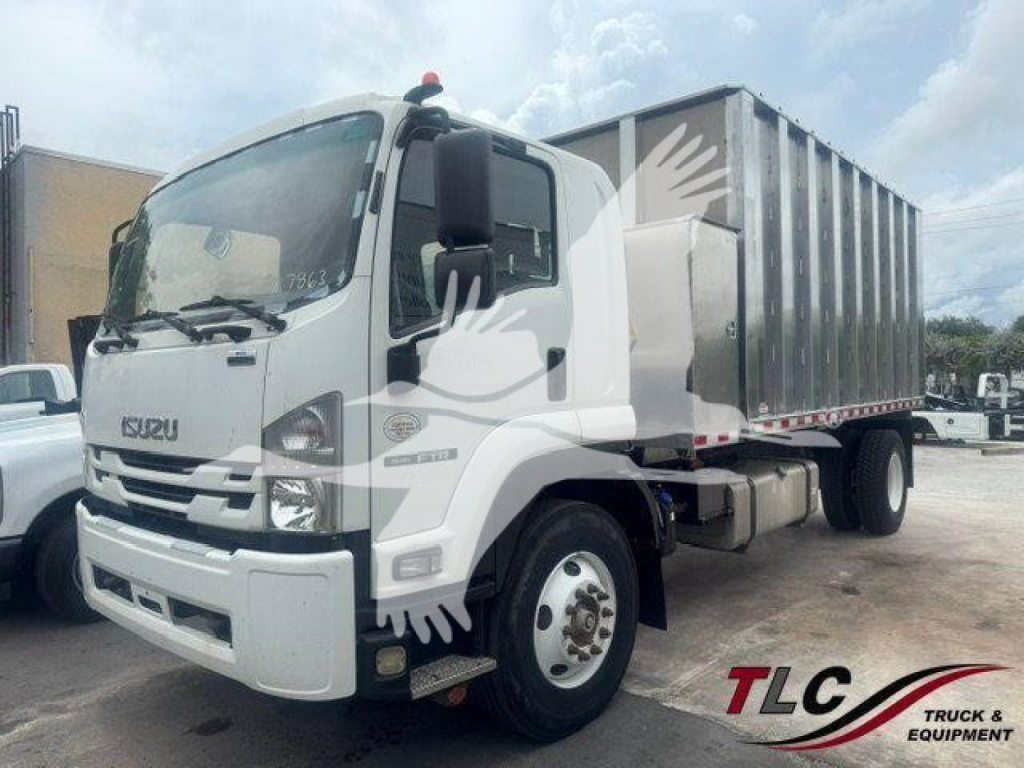
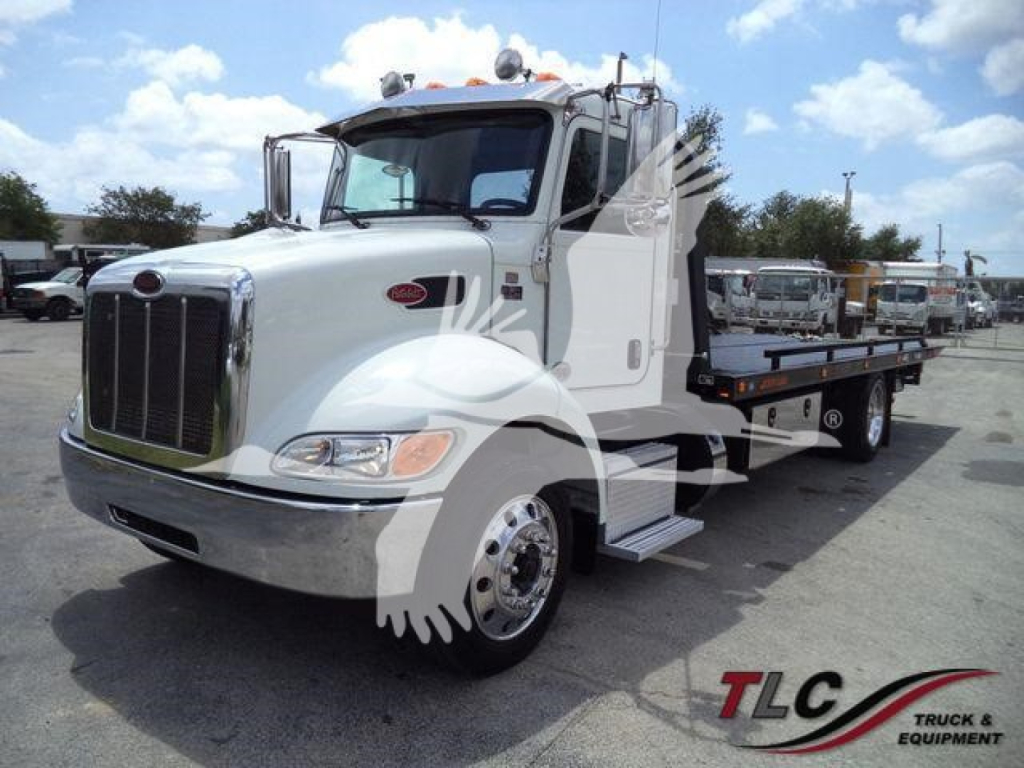
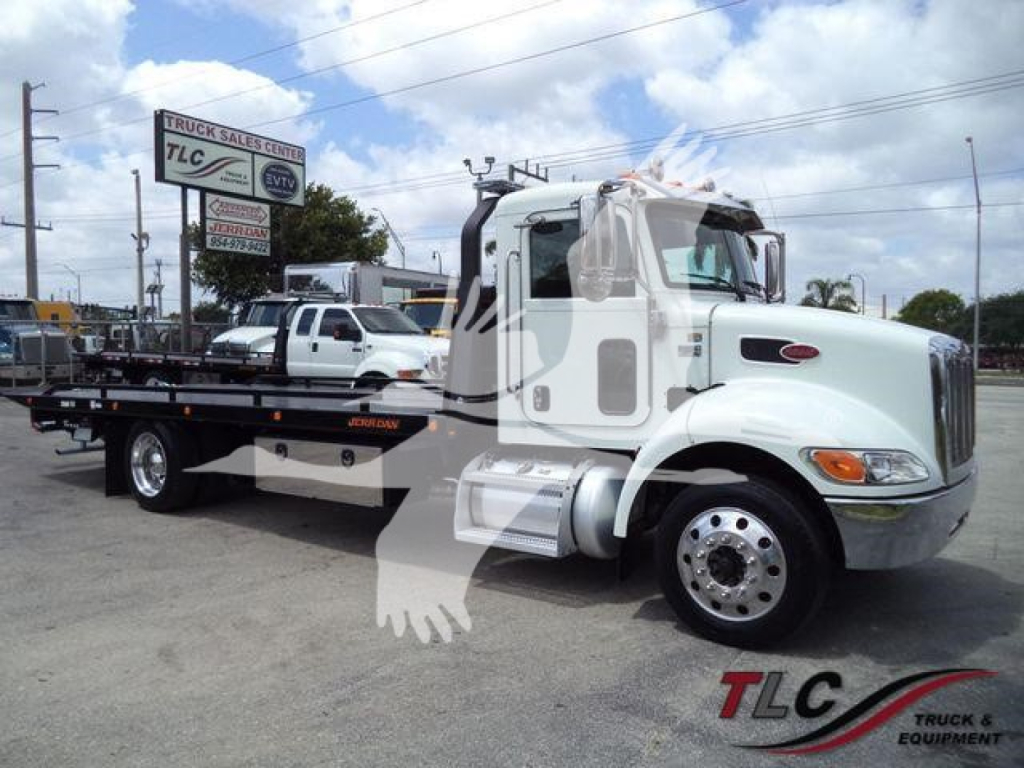
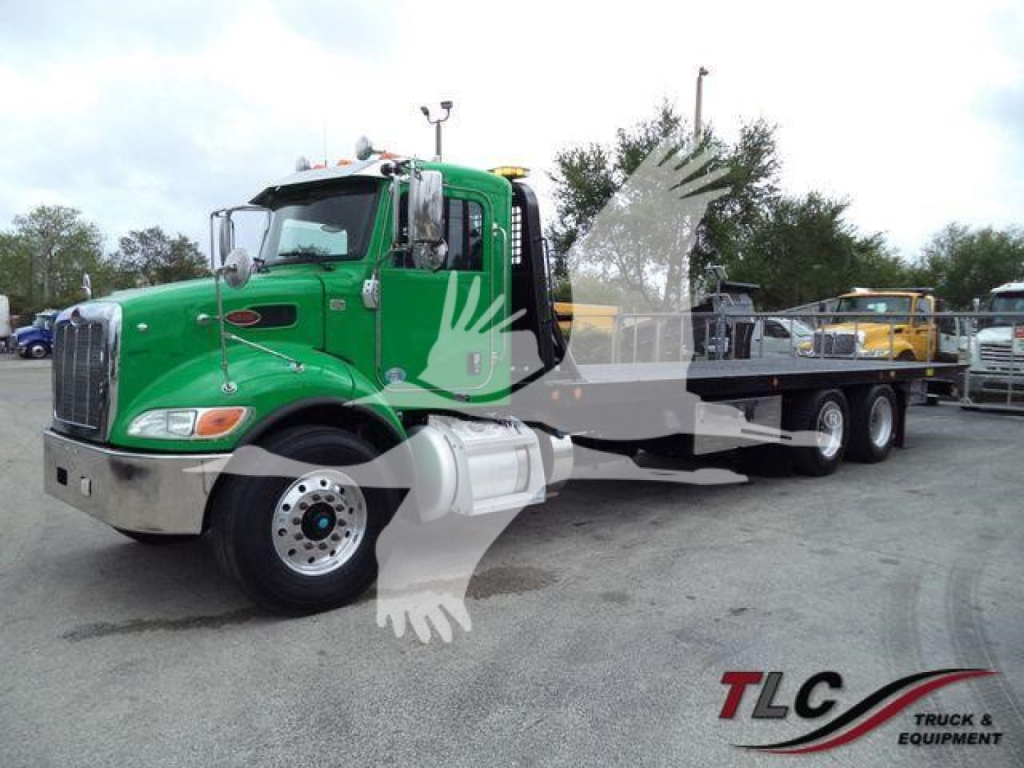
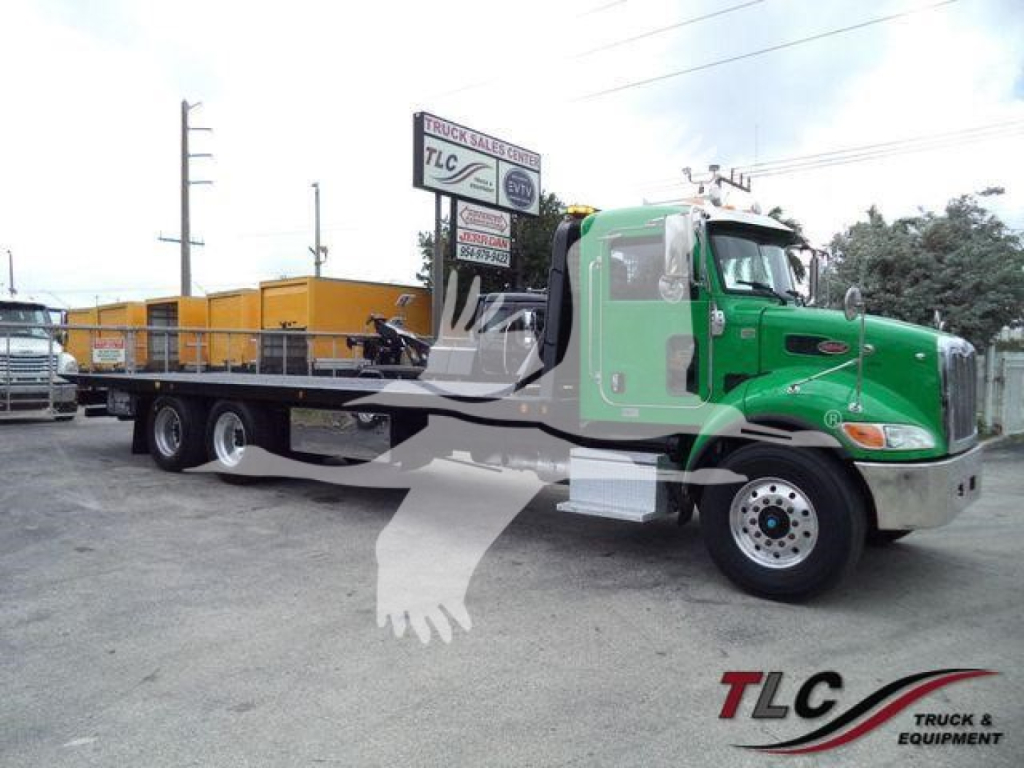
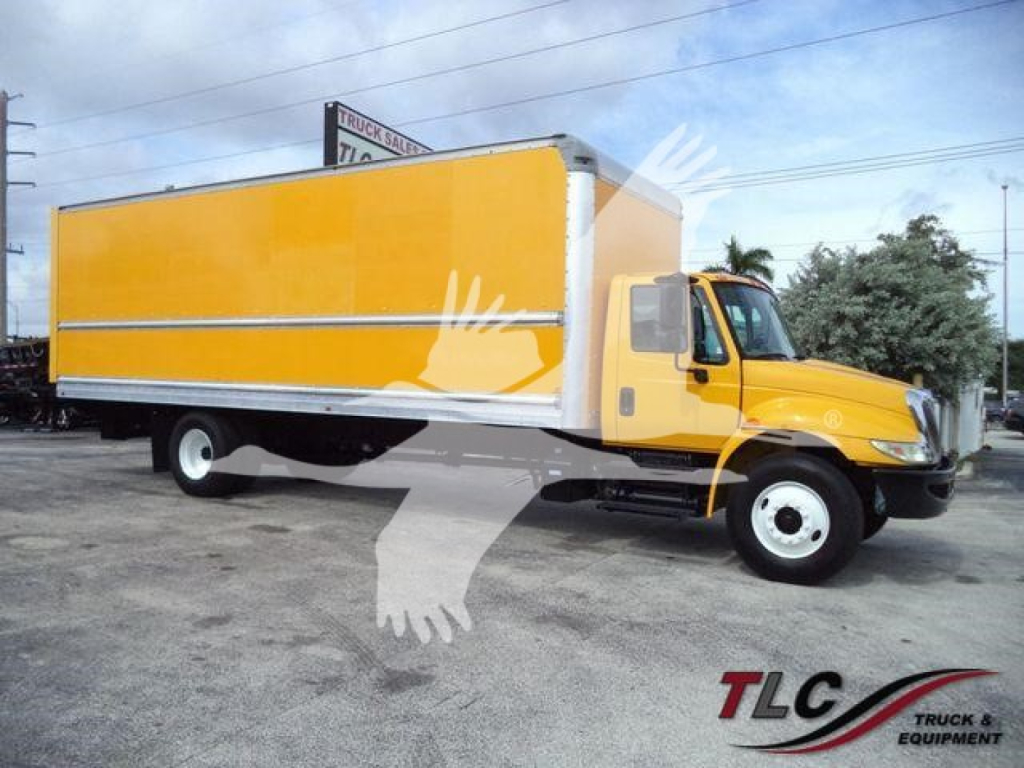
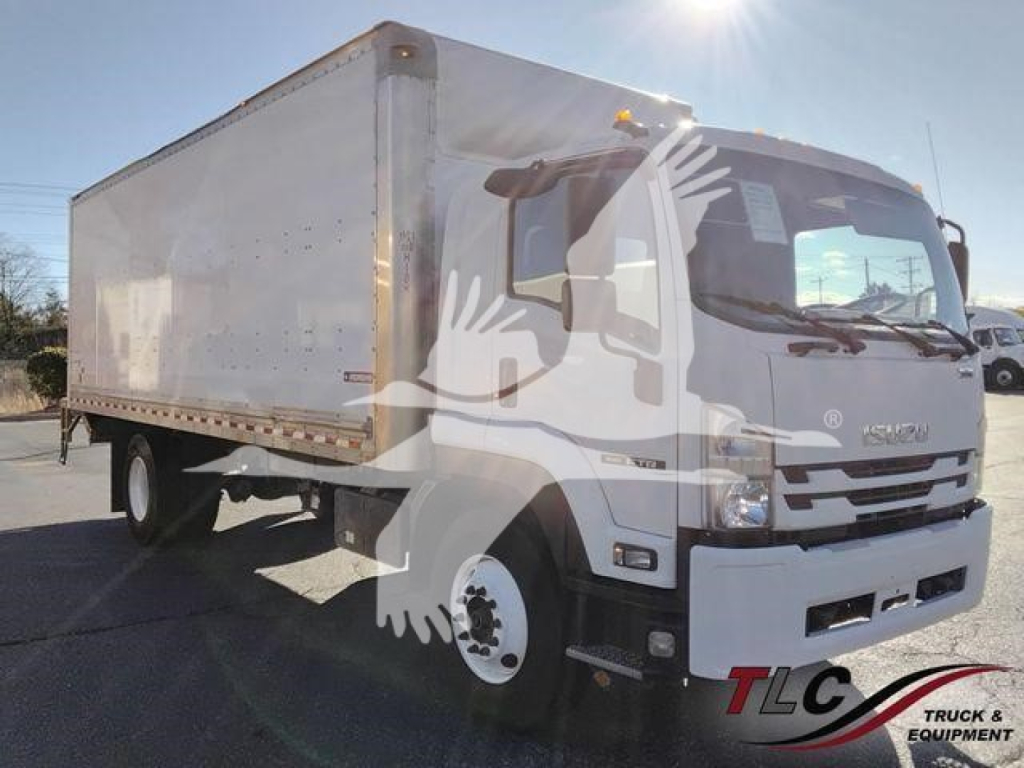
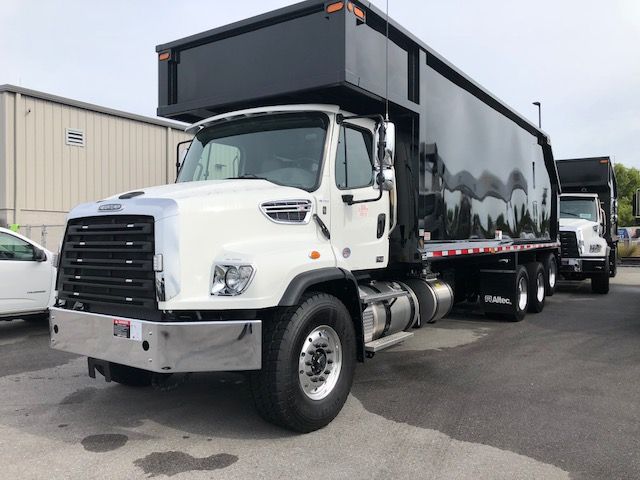
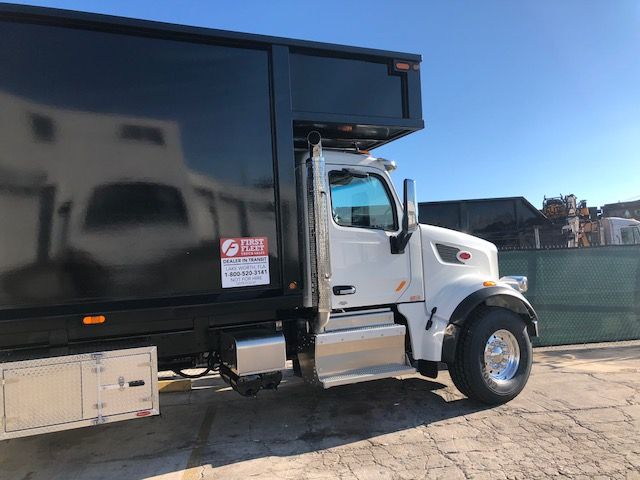
Selling a 2018 commercial truck? List your 2018 commercial truck for sale and reach thousands of commercial buyers.
2018 Commercial Trucks in Florida
Start with duty class, axle configuration, and gross vehicle weight rating. A 2018 medium-duty truck may be the right fit for rollback carriers, dump bodies, box applications, utility service, and local delivery, while a 2018 heavy-duty truck is more appropriate for higher GCWR demands, sleeper use, or severe-service vocational work. Buyers should compare diesel engine platform, transmission type, rear axle rating, suspension, wheelbase, and PTO compatibility if body equipment is part of the job. In this year range, common specs include automatic and automated manual transmissions, air ride or spring suspension, hydraulic or air brake setups depending on class, and 4x2 or 4x4 drivetrains for specialty applications.
Condition matters more than age alone on a 2018 truck. Look closely at engine hours versus mileage, idle time, maintenance records, aftertreatment history, and signs of corrosion or body upfit fatigue, especially in a humid coastal market like Florida. On road tractors, focus on engine brake operation, fifth wheel condition, frame integrity, tire wear pattern, and rear axle ratio relative to your intended speed and payload. On vocational trucks, inspect hoists, winches, wheel lifts, bed structure, hydraulic lines, electrical systems, and PTO engagement. A clean chassis with a well-documented service history usually matters more than cosmetic appearance.
Florida buyers also tend to benefit from checking cooling system performance, A/C output, and cab sealing because heat, humidity, and long idle periods can expose weak points quickly. If the truck will stay intrastate, a regional spec may be ideal, but if it will cross state lines regularly, emissions compliance, gearing, and driver comfort become more important. A well-chosen 2018 truck can still deliver strong service life for owner-operators, contractors, municipalities, and mixed fleets, provided the spec sheet, maintenance history, and actual work application line up.
Frequently Asked Questions about 2018 Commercial Trucks in Florida
What should I check first when buying a 2018 truck in Florida?
Start with the truck’s intended duty cycle and confirm that the GVWR, axle ratings, engine, transmission, and wheelbase match your application. After that, review maintenance records, engine hours, emissions system service history, tire condition, brake wear, and any signs of rust or corrosion on the frame, body, and electrical connections. In Florida, cooling system condition and air conditioning performance are especially important because heat and humidity can stress both systems.
Is a 2018 truck too old for commercial use?
No, a 2018 truck can still be a productive commercial asset if it has been maintained correctly and the spec matches the job. Many 2018 trucks remain in active fleet service because they offer newer cab design, modern powertrains, and current vocational upfit compatibility at a lower acquisition cost than newer models. The real issue is not age by itself but maintenance quality, emissions system condition, and whether the truck has been overloaded or mismatched to prior use.
Are 2018 trucks available in both medium-duty and heavy-duty configurations?
Yes. The 2018 model year includes a broad mix of medium-duty trucks such as chassis cabs, dumps, tow trucks, and box trucks, along with heavy-duty day cabs, sleeper tractors, and severe-service vocational units. Buyers should separate local work applications from highway or combination-weight requirements because the right class and brake system can change significantly depending on payload, trailer use, and route type.
What engine and transmission features are common on 2018 trucks?
Many 2018 trucks were built with diesel engines paired to automatic transmissions in medium-duty applications or automated manual transmissions in highway tractors. Common buyer checkpoints include horsepower and torque ratings, PTO provisions, engine brake function, rear axle ratio, and service history for the aftertreatment system. These trucks often have more driver-friendly controls and improved shift logic compared with older equipment, but that does not replace the need for a proper diagnostic inspection.
How do I judge value on a 2018 truck with a body or specialized upfit?
Value should be based on both the chassis and the mounted equipment. A rollback, dump body, service body, or wrecker package can add significant utility, but the buyer should inspect structural condition, hydraulic performance, PTO operation, wiring quality, and wear on moving components. A sound 2018 chassis with a tired body can become expensive quickly, while a well-maintained truck with documented upfit service can still offer strong return on investment.