
2018 Freightliner Trucks For Sale in Florida
Browse 2018 Freightliner trucks for sale in Florida, including Cascadia and M2 models, with specs, applications, and buyer tips.
Selling a 2018 freightliner truck? List your 2018 freightliner truck for sale and reach thousands of commercial buyers.
2018 Freightliner Trucks in Florida
Frequently Asked Questions about 2018 Freightliner Trucks in Florida
What are the most common 2018 Freightliner truck models buyers look for?
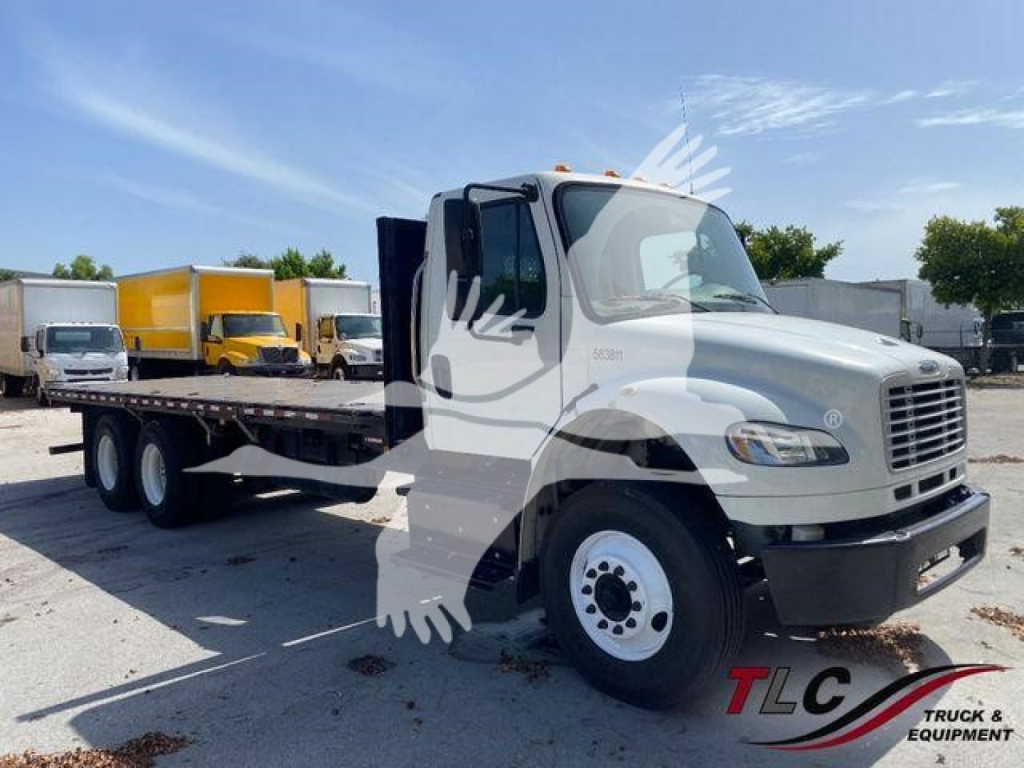
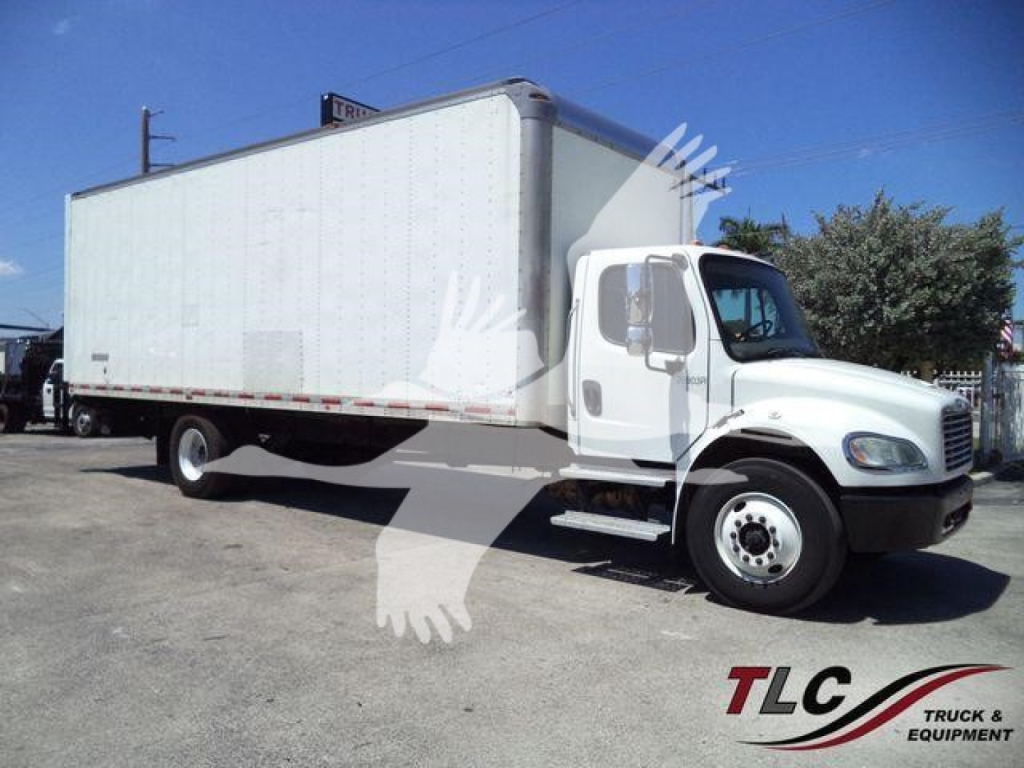
The most common 2018 Freightliner trucks on the used market are the Cascadia for Class 8 highway use and the Business Class M2 for medium-duty and vocational work. A 2018 Cascadia is typically used as a day cab or sleeper tractor for dry van, reefer, and dedicated freight lanes. A 2018 M2 is commonly found as a box truck, tow truck, flatbed, stake bed, service truck, or municipal unit. The right choice depends less on brand familiarity and more on GVWR, body type, axle ratings, and the route profile the truck will run.
What engines and transmissions are common in a 2018 Freightliner truck?
A 2018 Freightliner Cascadia is often powered by a Detroit DD13 or DD15, usually paired with a DT12 automated manual transmission. Those specs are popular for fuel economy, parts support, and fleet-standard serviceability. In a 2018 Freightliner M2, buyers will commonly see Cummins ISB or L9 engines with Allison automatic transmissions, especially in delivery and vocational applications where frequent stops and PTO use matter. The best drivetrain depends on load, terrain, idle time, and whether the truck will spend most of its life on interstate routes or urban service work.
Is a 2018 Freightliner Cascadia a good choice for Florida regional and long-haul operation?
A 2018 Freightliner Cascadia is a strong fit for Florida freight because it is widely used in regional distribution, port-related hauling, and long-haul over-the-road service. Buyers in Florida often value aerodynamic spec, air ride suspension, collision mitigation systems, and fuel capacity that supports long interstate runs. Since the state mixes flat terrain, heavy heat, humidity, and high traffic corridors, it also makes sense to pay close attention to cooling system condition, A/C performance, tire wear patterns, and idle hours if the truck has spent time in driver-comfort heavy operations.
What should I check before buying a used 2018 Freightliner truck?
Start with the truck’s actual application history and maintenance records. On a Cascadia, review engine hours, fault codes, emissions system service, transmission operation, rear axle ratio, wheelbase, and sleeper or day cab configuration. On an M2, confirm GVWR, front and rear axle ratings, body manufacturer details, PTO setup if equipped, suspension type, and brake spec. For any 2018 Freightliner truck, buyers should inspect frame condition, rust or corrosion, tire date codes, steering play, suspension wear, DPF and SCR service history, and signs of prior accident repair or hard vocational use.
How do I choose between a 2018 Freightliner day cab and sleeper?
A day cab is usually the right fit for local, drayage, dedicated route, and regional applications where overnight accommodations are not needed. It generally offers a shorter wheelbase, lower tare weight, and easier maneuverability in tighter yards or urban freight environments. A sleeper is better suited to extended runs, team operations, and lanes where driver retention and rest capacity matter. Buyers should compare wheelbase, fuel tank layout, fairing package, bunk size, and axle ratio against the freight they plan to haul, because those spec choices affect payload, ride quality, and operating cost.