
2008 Trucks For Sale


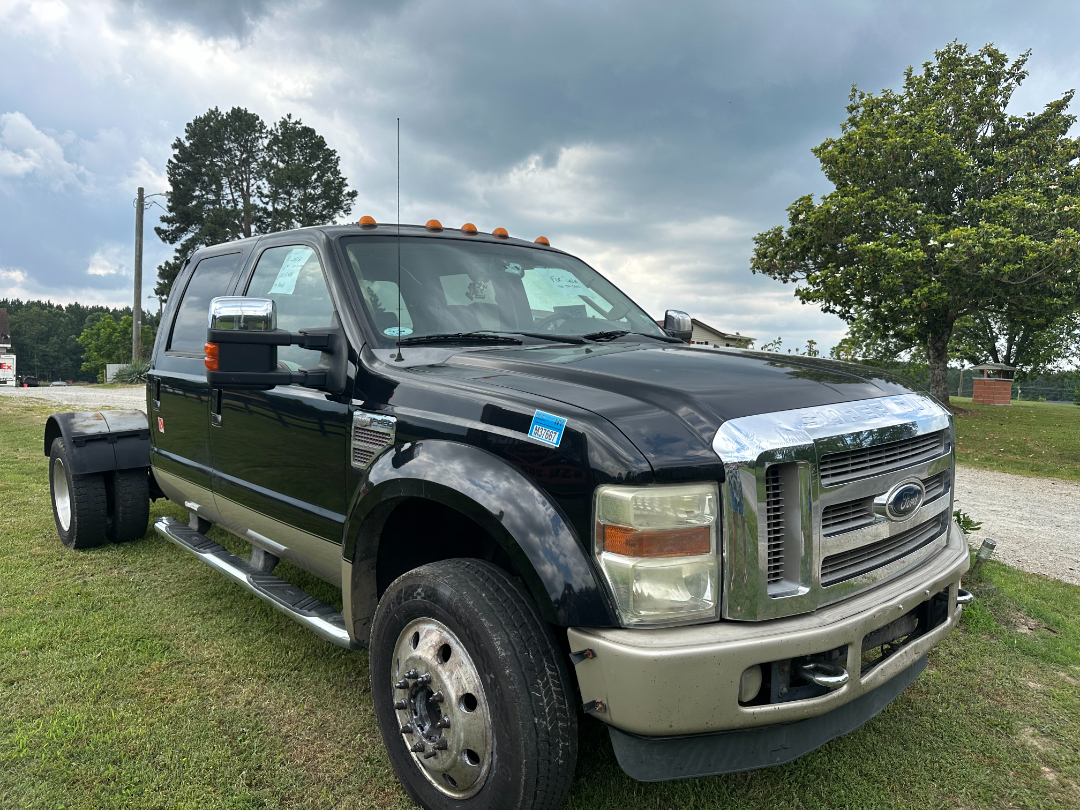
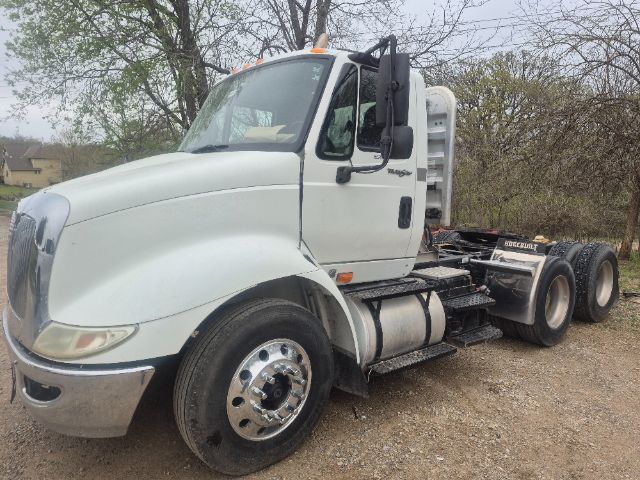
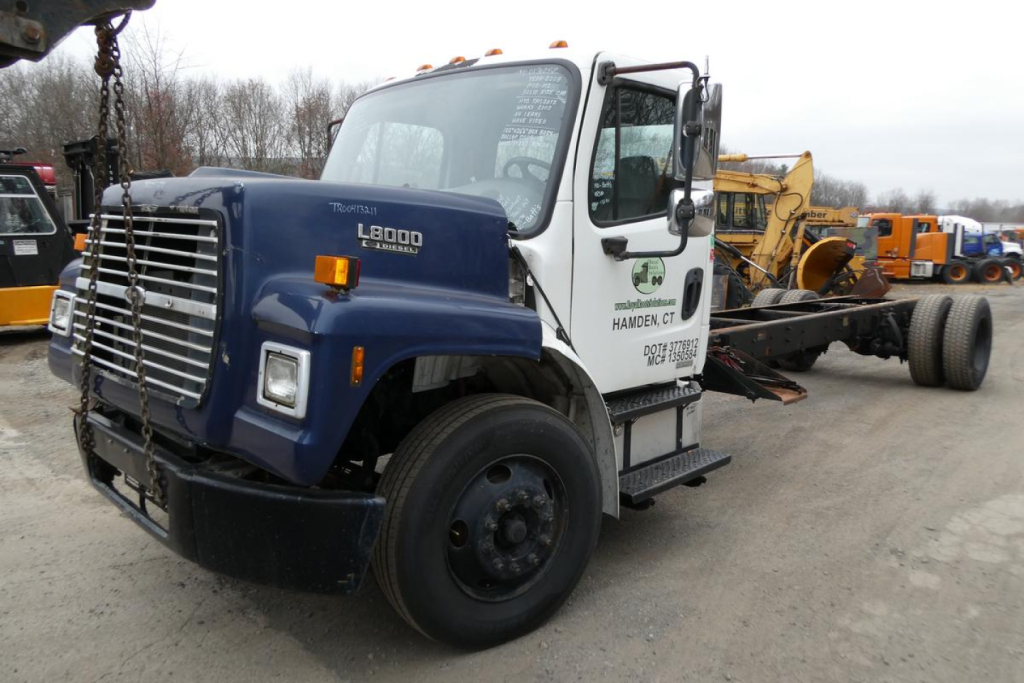
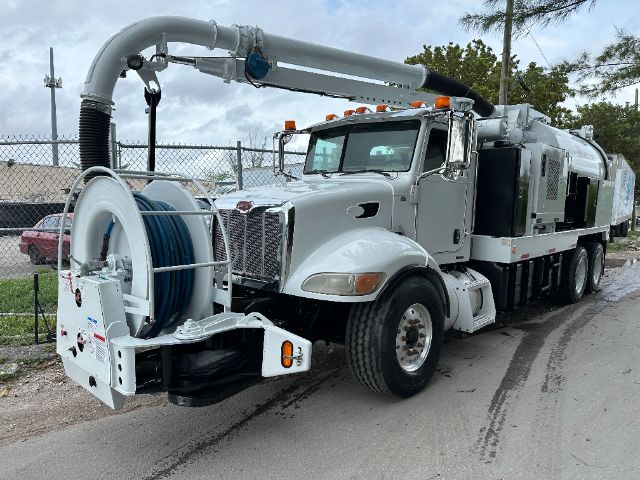
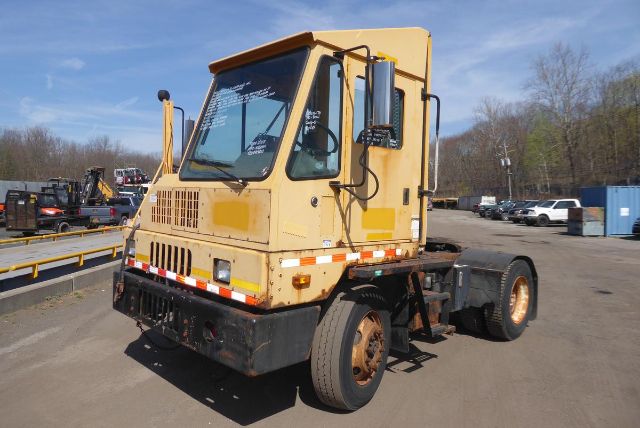
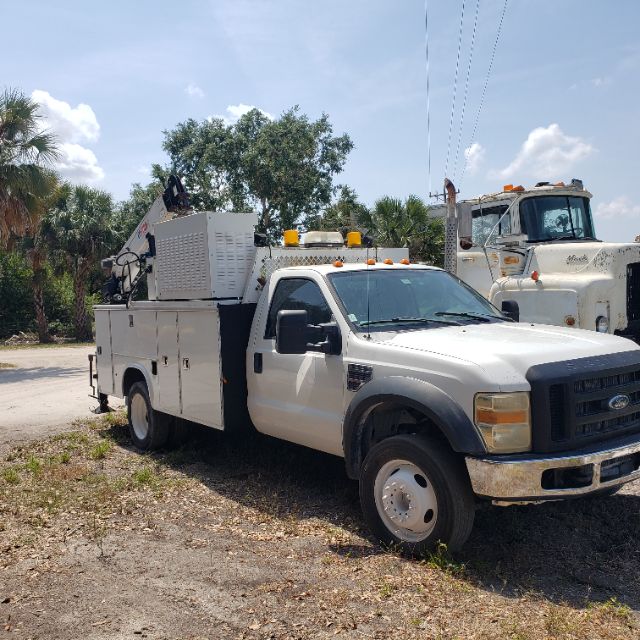
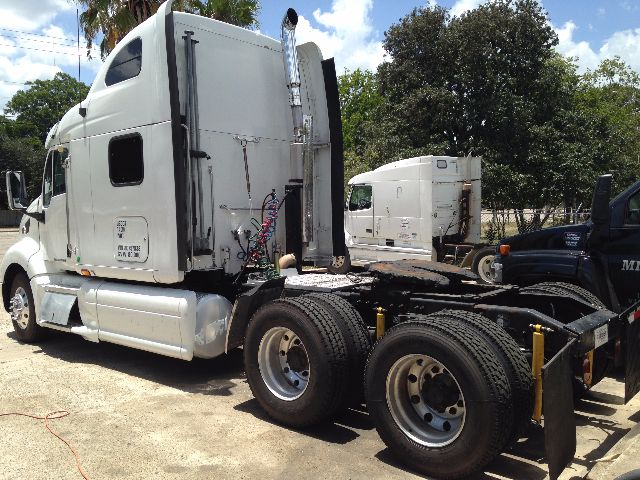
Showing 25 to 43 of 43 results
Have 2008 truck to sell? List it here to reach thousands of buyers.
2008 Trucks
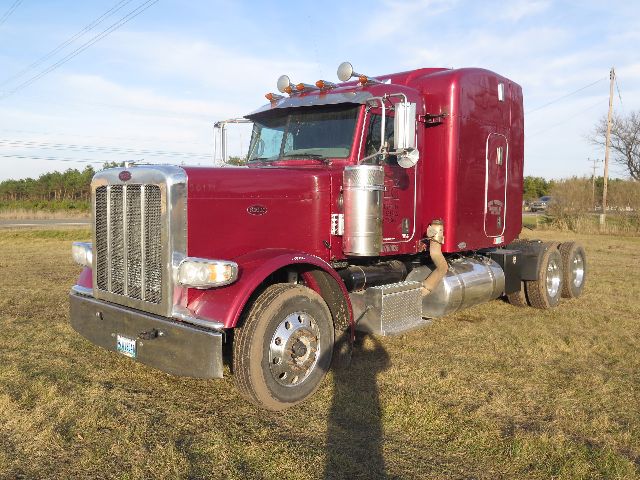
On the heavy side, 2008 sleeper and day cab tractors, also known as semi trucks, commonly feature Cummins ISX CM871, Detroit Series 60 EPA07, Caterpillar C13 or C15 ACERT, and Mack MP7 or MP8 power. Eaton Fuller 10, 13, and 18 speed manuals were prevalent, with early Eaton UltraShift and Volvo I-Shift showing up on linehaul specs. Typical Class 8 axle ratings are 12k front and 38k to 46k rears, with 3.36 to 3.90 ratios depending on route and transmission. Air-ride suspensions dominate highway tractors, while vocational 2008 dump and mixer trucks often pair spring or heavy duty air suspensions with double frame rails and full locking differentials. Medium duty 2008 box trucks and reefers in Class 6-7 commonly carry Allison automatics behind engines like the Cummins ISC/ISB, International DT series, and Hino J-series. Aerodynamic cabs such as Freightliner Cascadia, Kenworth T660, Peterbilt 386 and Volvo VNL were already cutting drag, and fairings, side extenders and low-rolling-resistance tires remain meaningful fuel economy levers.
Evaluation should focus on aftertreatment health and core component life. Ask for DPF service records, ash load data, and any history of forced regens. Inspect EGR coolers, valves and piping for leaks and soot tracking. On ISX, review turbo actuator function and sensor history. On Series 60, look for injector and wiring work. On C13 and C15 ACERT, check twin turbo condition and cooling system integrity. A dyno pull and a forced regen test, oil and coolant analysis, charge air cooler pressure test, and overhead set verification will flag most hidden issues. Beyond the engine, look for suspension bushing wear, kingpin play, clutch life on manuals, aftertreatment harness chafing, air dryer and compressor condition, brake lining thickness, frame scaling or rust, and cab mount fatigue. For box and reefer trucks, verify box integrity, door tracks, floor condition, and reefer unit hours and service history.
Applications drive spec selection. Long haul 2008 sleepers benefit from taller gearing paired with an overdrive to hold lower rpm on flat routes, while regional day cabs and vocational units often run mid to deeper gears for startability. Expect fuel economy that trails late model SCR tractors, but a well kept 2008 with aero trim, 22.5 low profile tires, an APU, and a healthy cooling and charge air system can still deliver solid cents per mile. Parts support remains strong for Cummins and Detroit, and Caterpillar highway parts are widely available through independent channels. Budget for initial catch-up work on cooling, aftertreatment, and rubber components, then set service intervals that match your duty cycle. For buyers comparing 2008 box trucks, day cabs, sleepers, dump trucks and reefers, the value is in proven platforms with documented maintenance and a spec that matches your lanes and weights.
Frequently Asked Questions about 2008 Trucks
What emissions system does a 2008 truck use and what does that mean for ownership?
Most 2008 models use 2007 EPA engines with EGR and a diesel particulate filter. There is no DEF or SCR. Ownership typically involves periodic DPF cleaning, attention to EGR coolers and valves, and keeping sensors and turbo actuators in good shape to prevent frequent regens. Budget time for ash cleaning at set mile or hour intervals that match your duty cycle.
Can I run a 2008 truck in California?
California’s Truck and Bus Regulation generally requires trucks to have a 2010 or newer engine to operate without restrictions. Some fleets repower with a compliant engine to keep an older chassis. Always check the engine family year on the emissions label and verify status with CARB resources. Ports and certain districts can have stricter requirements. Other states may have similar rules for specific corridors or contracts.
Which engines and transmissions are common on 2008 tractors?
Typical 2008 Class 8 power includes Cummins ISX CM871, Detroit Series 60 EPA07, and Caterpillar C13 or C15 ACERT, along with Mack MP7 and MP8. Manual Eaton Fuller 10, 13, and 18 speeds are widespread. Early automated manuals like Eaton UltraShift and Volvo I-Shift appear on many linehaul units, while medium duty box trucks often pair Cummins or International DT engines with Allison automatics.
What should I inspect on a high-mileage 2008 truck before buying?
Target the aftertreatment and cooling systems first. Review DPF service records and ash load, perform a forced regen, and pressure test the charge air cooler. Inspect EGR coolers, valves, and piping for leaks, check turbo and actuator function, and pull oil and coolant samples. Evaluate clutch wear on manuals, suspension bushings, kingpins, brakes, air dryer, and look for frame rust or scaling. For box or reefer units, verify box structure, doors, floor and reefer unit hours.
How will a 2008 sleeper or day cab compare on fuel economy to newer trucks?
A 2008 truck typically trails late model SCR-equipped tractors on mpg, but careful spec selection and maintenance narrow the gap. Aero cabs with fairings, properly matched gear ratios, 22.5 low profile tires, a healthy charge air and cooling system, and an APU can yield competitive fuel costs for regional and long-haul work. Expect fewer electronic driver aids than newer models, but strong parts support keeps uptime predictable.