
2008 Pickup 2wd Trucks For Sale
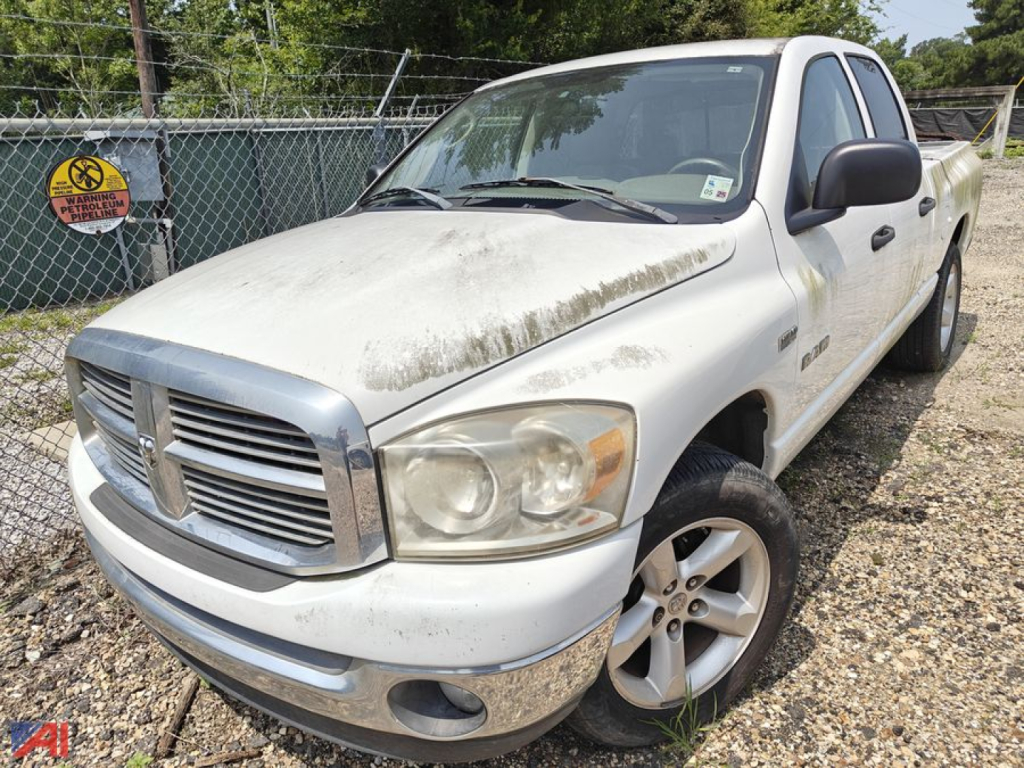
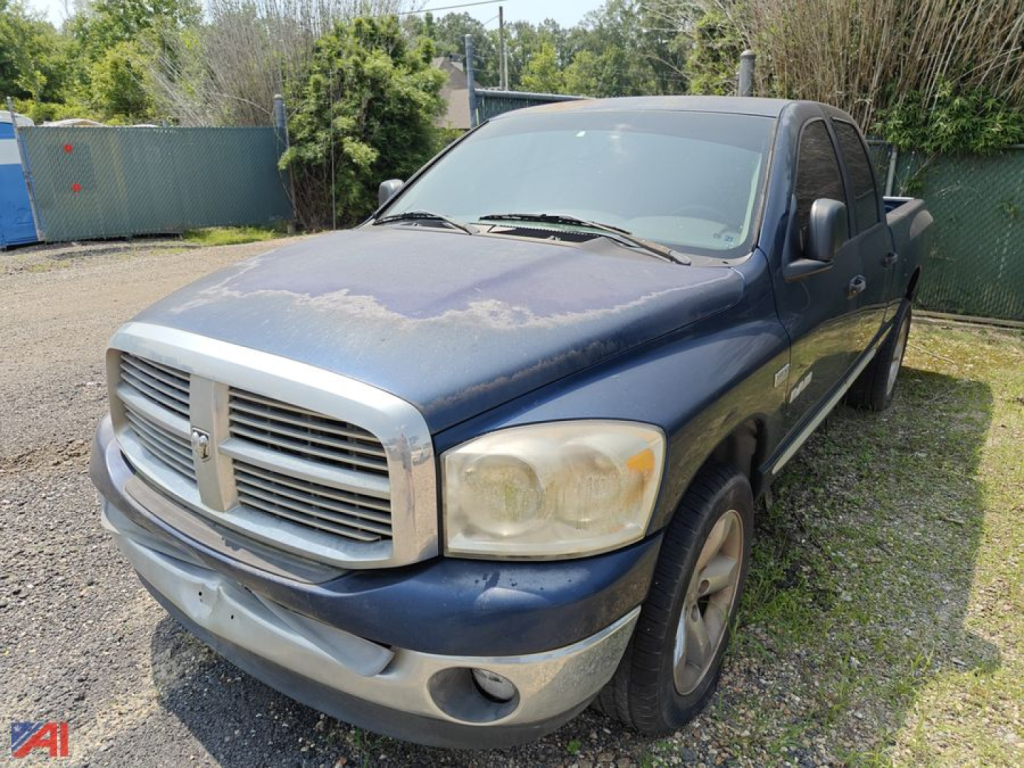
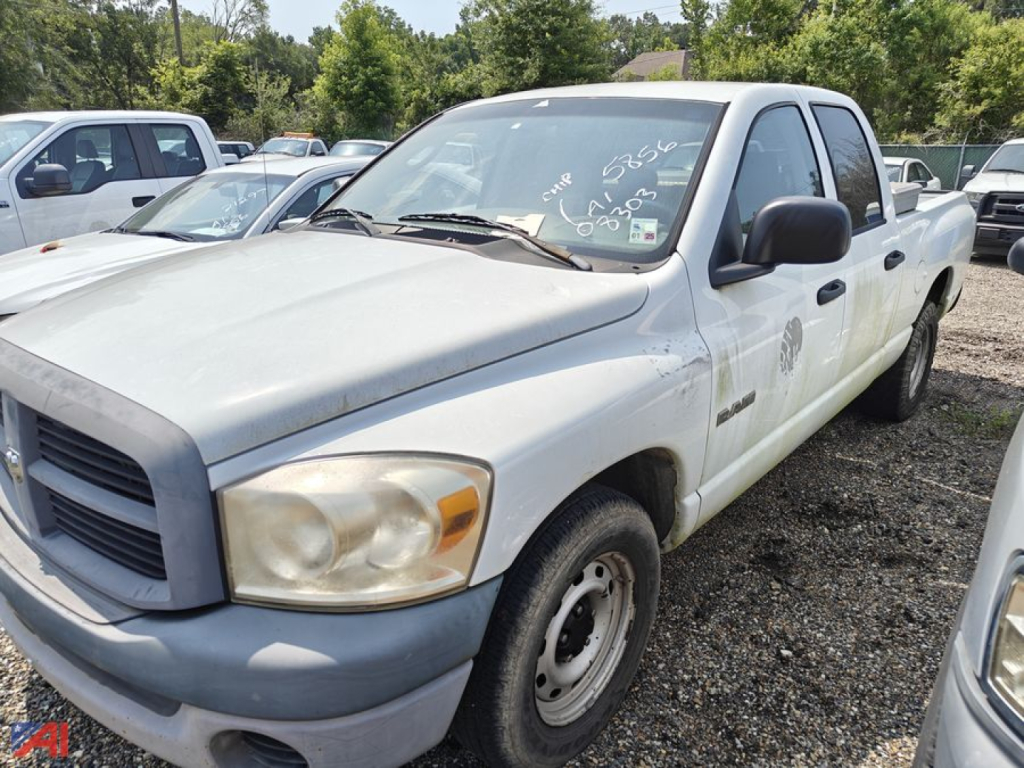
Have 2008 pickup 2wd truck to sell? List it here to reach thousands of buyers.
2008 Pickup 2wd Trucks
In the 2008 model year, this category covers everything from half-ton pickups to heavy-duty configurations such as F-250, Silverado 2500HD, Ram 2500, and similar work-oriented trucks. The first decision is usually truck class and chassis rating. A light-duty 2WD pickup is often enough for personal use, small trailers, and mixed commuting, while a three-quarter-ton or one-ton truck is the better fit for heavier payloads, regular towing, utility bodies, or equipment in the bed. Buyers should compare GVWR, rear axle ratio, wheelbase, cab style, and bed length because those specs have a direct effect on towing manners, payload capacity, turning radius, and how easily the truck fits a crew or tool load. Regular cab long-bed trucks often make strong fleet and municipal units, while extended cab and crew cab trucks add passenger space at the cost of some bed-to-wheelbase efficiency.
Powertrain choice matters on 2008 pickups because this era includes both proven gas V8 options and heavier-duty diesel platforms, depending on brand and series. Gas engines are typically less expensive to maintain and are often the right fit for buyers running moderate annual miles or lighter trailer weights. Diesel-equipped heavy-duty pickups can offer better low-end torque and stronger towing performance, but condition is everything on an older diesel truck. Service history, emissions-system condition where applicable, transmission operation under load, cooling system health, and signs of hard commercial use should all be checked closely. On any 2008 2WD pickup, buyers should inspect frame condition, bed floor wear, suspension bushings, steering play, brake system condition, tire wear patterns, and evidence of overloading such as sagging springs or hitch damage. If the truck has a service body, flatbed conversion, headache rack, or gooseneck setup, confirm that the equipment was installed correctly and that the truck’s ratings still match the intended use.
A good 2008 2WD pickup can still be a strong value because the platform is straightforward, parts support is broad, and most repairs are familiar to independent shops. Buyers comparing listings should focus less on cosmetic trim and more on the truck’s actual work spec: axle rating, tow package, hitch class, bed configuration, tire size, brake condition, and documented maintenance. A clean 2WD pickup with the right wheelbase, cab layout, and drivetrain can be a better buy than a higher-trim truck that lacks the payload or towing setup needed for the job. For buyers who want a dependable work truck without the extra cost and complexity of four-wheel drive, the 2008 2WD pickup remains one of the most practical categories on the used market.
Frequently Asked Questions about 2008 Pickup 2wd Trucks
What are the main advantages of a 2008 2WD pickup truck over a 4x4?
A 2008 2WD pickup usually has a lower purchase price, less drivetrain complexity, and lower curb weight than a comparable 4x4. That often means lower maintenance costs, easier service access, and slightly better fuel economy. For buyers operating mainly on pavement, in warm climates, or on maintained job sites, a 2WD truck can handle daily work without the added cost of front-drive components that are rarely used.
Is a 2008 2WD pickup good for towing?
Yes, if the truck is matched correctly to the trailer weight. Towing capacity depends more on the truck’s series, engine, axle ratio, wheelbase, cooling package, and hitch setup than on 2WD versus 4WD alone. A heavy-duty 2WD pickup can be a strong tow platform, especially on-road, but buyers should verify GVWR, GCWR, receiver rating, brake controller setup, and rear suspension condition before putting the truck into regular trailer service.
What should I inspect first on a used 2008 2WD pickup?
Start with the frame, transmission, engine condition, rear axle, brakes, steering, and suspension. Look for uneven tire wear, excessive steering play, fluid leaks, rust, hitch wear, and signs that the bed or rear springs have been overloaded. Maintenance records are especially valuable on older work trucks because they help confirm oil-change intervals, transmission service, cooling-system work, and any major repairs that affect long-term operating cost.
Should I choose a gas or diesel 2008 pickup truck?
A gas engine is often the better choice for lower annual miles, lighter towing, and buyers who want simpler ownership costs. A diesel can make sense for frequent towing, heavier loads, and longer highway use because of its torque and durability potential. On a 2008 model, the better option depends heavily on condition, repair history, and intended use. A well-maintained gas truck is often a smarter buy than a neglected diesel with expensive deferred maintenance.
Which cab and bed configuration is best on a 2008 2WD pickup?
That depends on how the truck will be used. A regular cab long bed typically offers the most straightforward work-truck layout and strong bed utility. Extended cab models add interior storage and occasional passenger space while keeping overall length manageable. Crew cab trucks are better for carrying a full crew, but the added cab length can reduce maneuverability and may limit bed length unless the truck has a longer wheelbase. Buyers should match the cab and bed combination to passenger count, cargo length, and trailer use.