
2008 Conventional Sleeper Trucks For Sale
Shop 2008 conventional sleeper trucks with buyer-focused details on engines, sleepers, axle specs, wheelbase, fuel capacity, and long-haul setup.
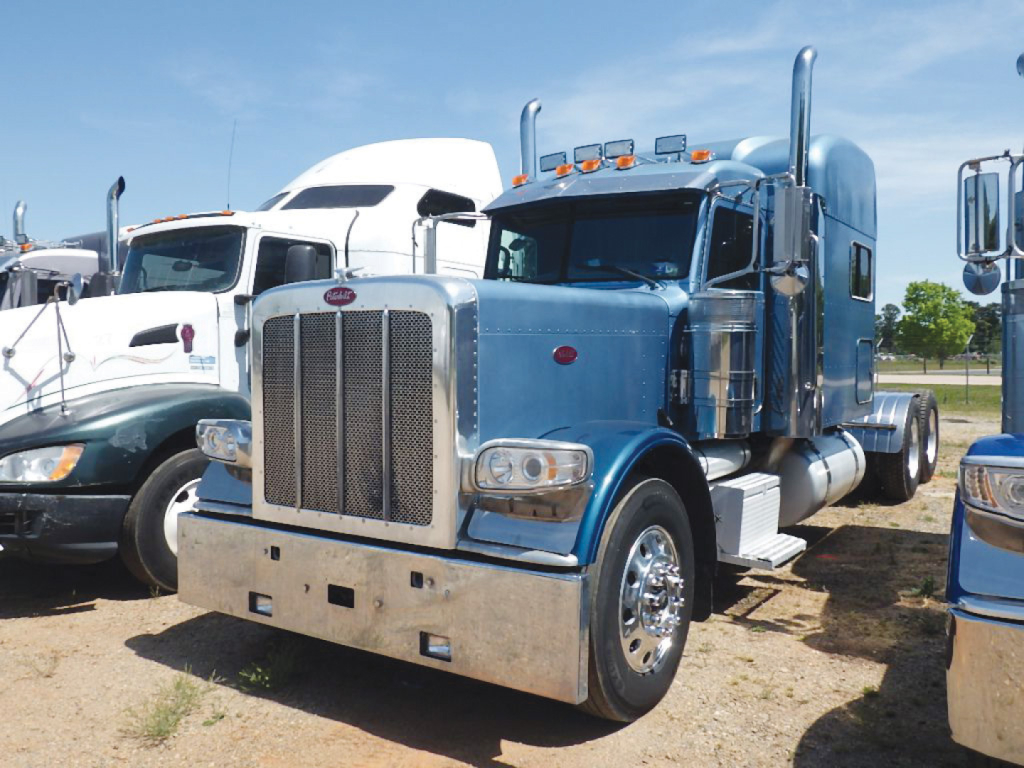
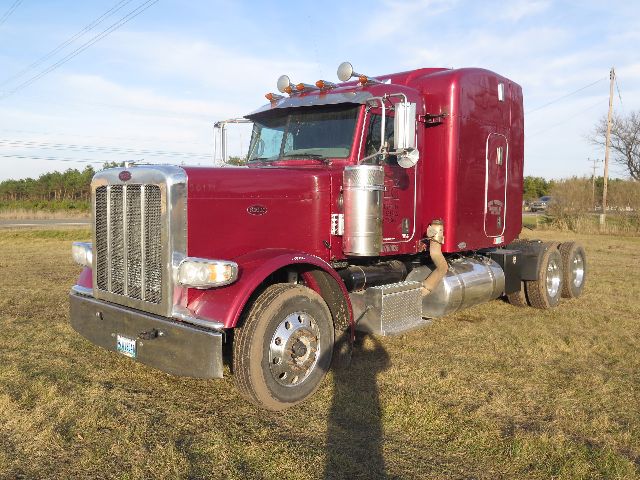

Selling a 2008 conventional sleeper truck? List your 2008 conventional sleeper truck for sale and reach thousands of commercial buyers.
2008 Conventional Sleeper Trucks
The key buying decision is usually the powertrain. Many 2008 sleeper trucks were spec'd with Detroit Diesel Series 60, Caterpillar C13 or C15, Cummins ISX, Volvo D13, Mack MP-series, or PACCAR MX engines depending on make and region. Transmission choices often include Eaton Fuller 10-speed and 13-speed manuals, with some automated manual transmissions appearing in fleet specs. Rear axle ratings commonly land at 40,000 lbs, front axles are often 12,000 lbs, and ratios such as 3.36, 3.55, or 3.73 are typical depending on whether the truck was built for fuel mileage, heavy freight, or mixed terrain. Buyers should compare wheelbase, fifth wheel placement, fuel capacity, and suspension type because these details directly affect trailer compatibility, turning radius, and lane-to-lane stability.
Sleeper configuration matters more than many buyers expect. A 2008 conventional sleeper may have a 60-inch, 70-inch, 72-inch, or larger sleeper, with single-bunk and double-bunk layouts both common. Raised-roof sleepers generally offer better stand-up room and more storage for team operations or extended runs. Important interior and driver-comfort items include bunk heater systems, APUs or inverter prep, cabinet layout, insulation condition, HVAC performance, and seal condition around doors and sleeper boots. On older highway tractors, a clean sleeper interior and functioning cab amenities often tell you as much about prior use and maintenance discipline as the engine bay does.
For a buyer comparing multiple 2008 conventional sleeper trucks, the smartest approach is to look past mileage alone. Engine history, emissions configuration, service records, clutch or transmission condition, suspension wear, frame condition, and evidence of prior fleet maintenance usually matter more than the odometer by itself. Check tire date codes, brake life, kingpin and bushing wear, differential noise, and signs of oil or coolant leaks around the engine and charge air system. If the truck will stay in long-haul service, pay close attention to fuel tank size, fairings, ride quality, and cruise RPM at highway speed. A well-spec'd 2008 sleeper tractor can still be a solid regional or over-the-road unit when the drivetrain, cab condition, and maintenance background line up with the intended application.
Frequently Asked Questions about 2008 Conventional Sleeper Trucks
What should I look for first when buying a 2008 conventional sleeper truck?
Start with the engine model, transmission type, axle ratio, and maintenance history because those items determine operating cost and suitability for the freight you plan to haul. On a 2008 truck, service records, evidence of major engine work, clutch condition, suspension wear, and cooling system health usually matter more than appearance. Cab and sleeper condition also deserve close inspection because water intrusion, worn seals, and neglected HVAC systems can become expensive quality-of-life issues on a highway tractor.
Are 2008 conventional sleeper trucks good for long-haul use?
They can be, provided the truck has the right sleeper size, fuel capacity, gearing, and drivetrain condition for over-the-road service. Many 2008 conventional sleepers were originally built for highway freight and still offer practical raised-roof sleeper layouts, tandem axles, and highway-friendly wheelbases. The best candidates for long-haul work are trucks with documented maintenance, strong cooling and air systems, dependable bunk HVAC, and a spec that keeps engine RPM reasonable at cruising speed.
What engines are commonly found in a 2008 conventional sleeper?
Common engines in this category include Detroit Diesel Series 60, Cummins ISX, Caterpillar C13 and C15, Volvo D13, Mack MP-series, and in some applications PACCAR power. The exact engine depends on the make, original fleet spec, and region where the truck was sold new. Buyers should verify horsepower, torque rating, emissions equipment, and repair history because the same truck model may have been offered with very different engine packages.
How important are wheelbase and axle ratio on a sleeper tractor?
They are critical because they affect maneuverability, ride quality, trailer fit, driveline efficiency, and highway RPM. A longer wheelbase can improve stability and fuel tank capacity but may limit turning in tighter yards or urban work. Axle ratio determines how the truck pulls under load and how fast the engine spins at road speed, so the right combination depends on terrain, gross weight, and whether the truck will be used in regional service or steady interstate lanes.
Is mileage the most important factor on a 2008 sleeper truck?
No. Mileage is useful, but on an older highway tractor it should be weighed against engine rebuild history, idle hours if available, driveline condition, frame integrity, and the quality of prior maintenance. A higher-mile truck with strong records and recent major repairs can be a better buy than a lower-mile truck with poor upkeep, corrosion, or unresolved drivetrain issues.