
Trailers For Sale in Wyoming
Browse trailers for sale in Wyoming, including flatbeds, drop decks, and lowboys with specs that matter for freight, equipment, and road use.
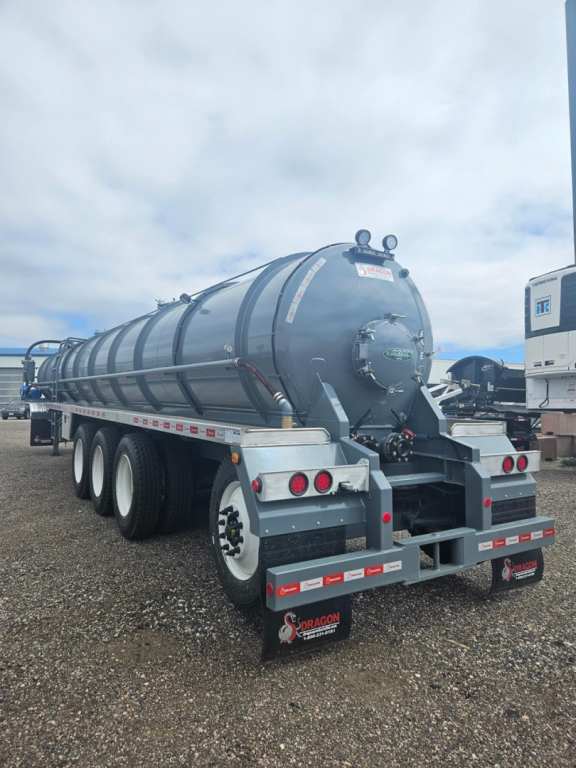
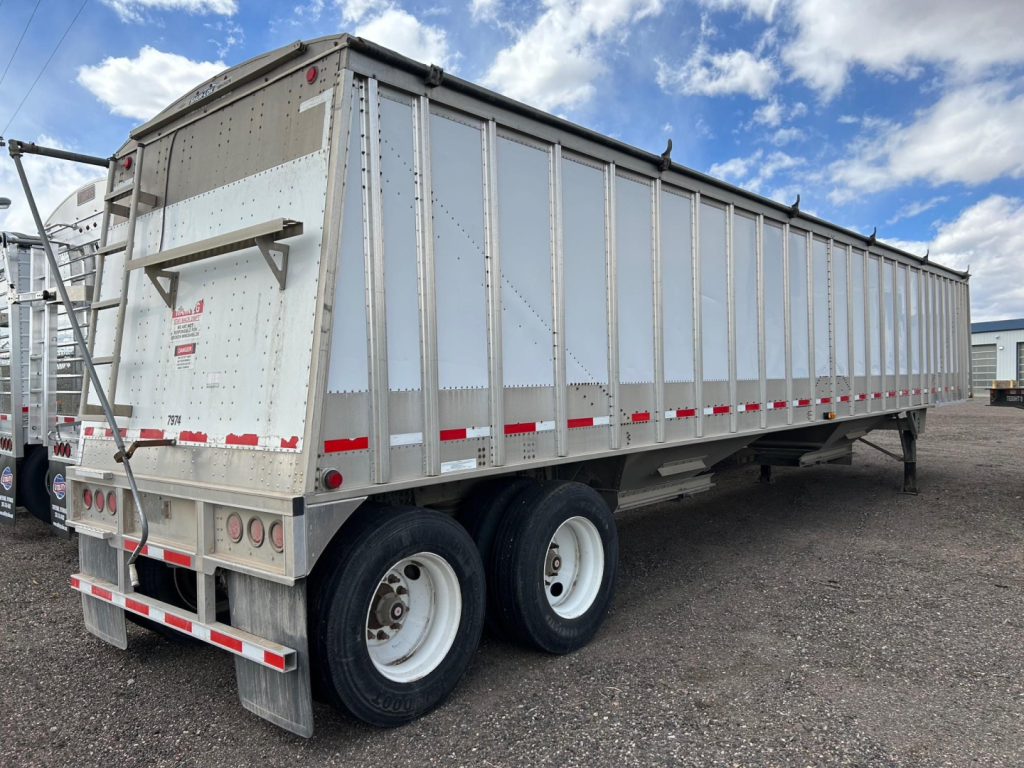
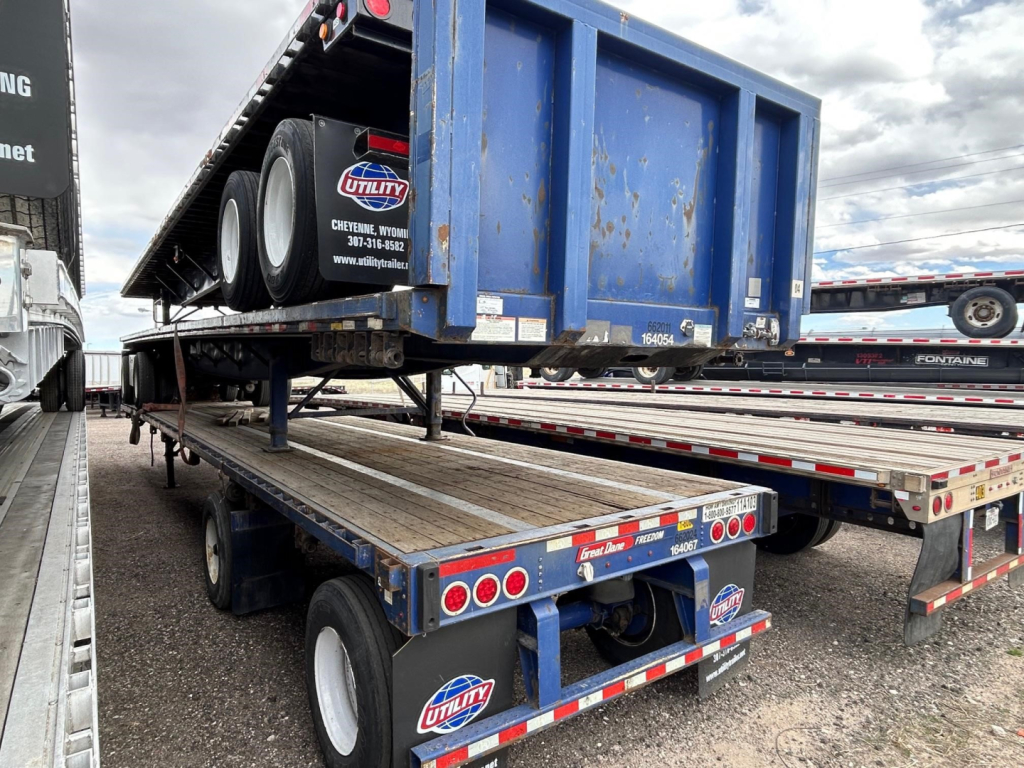
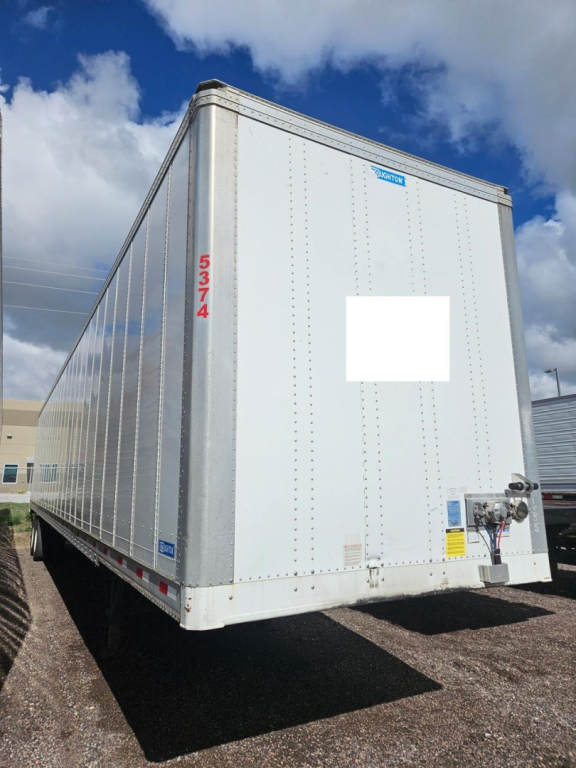
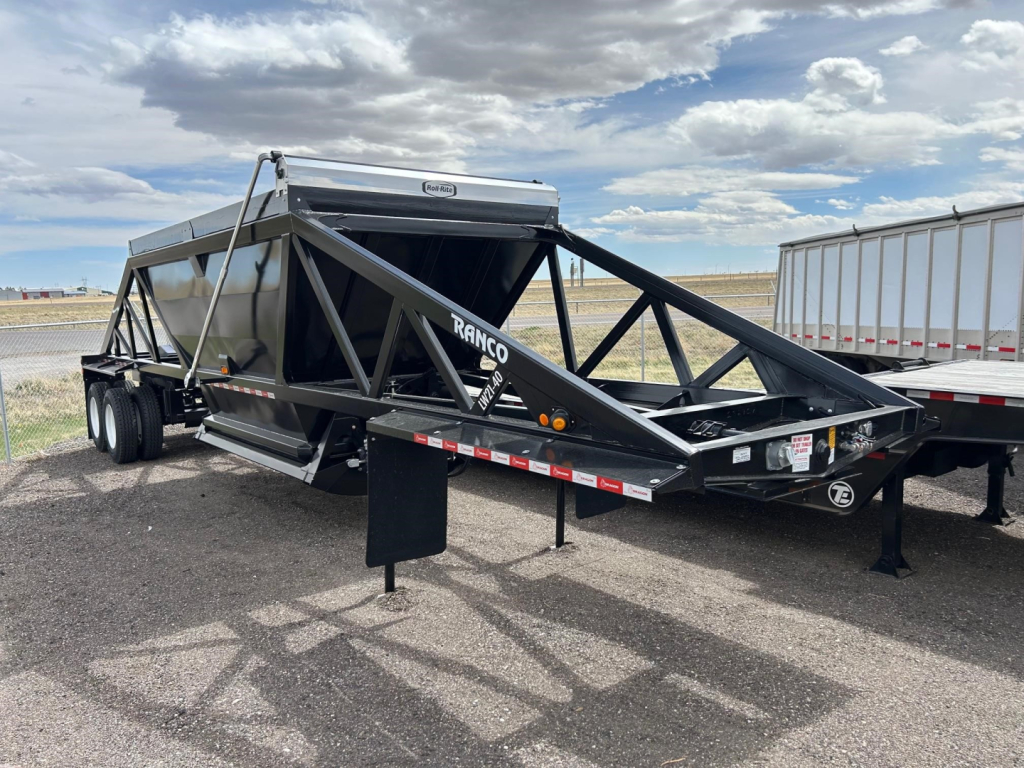
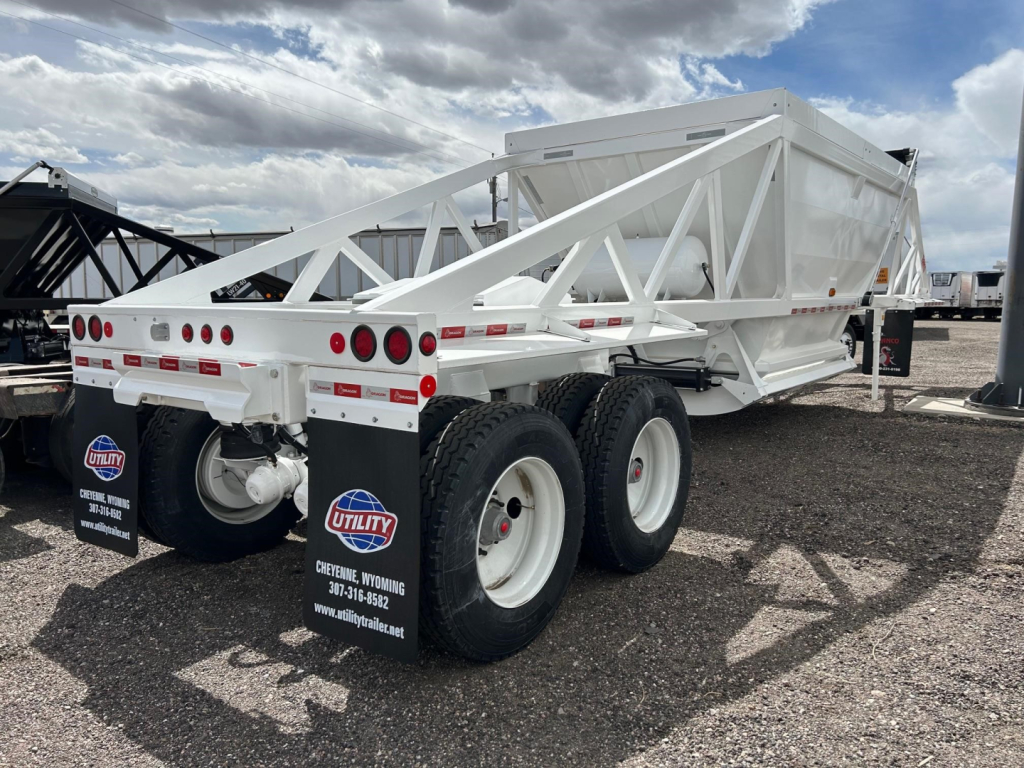
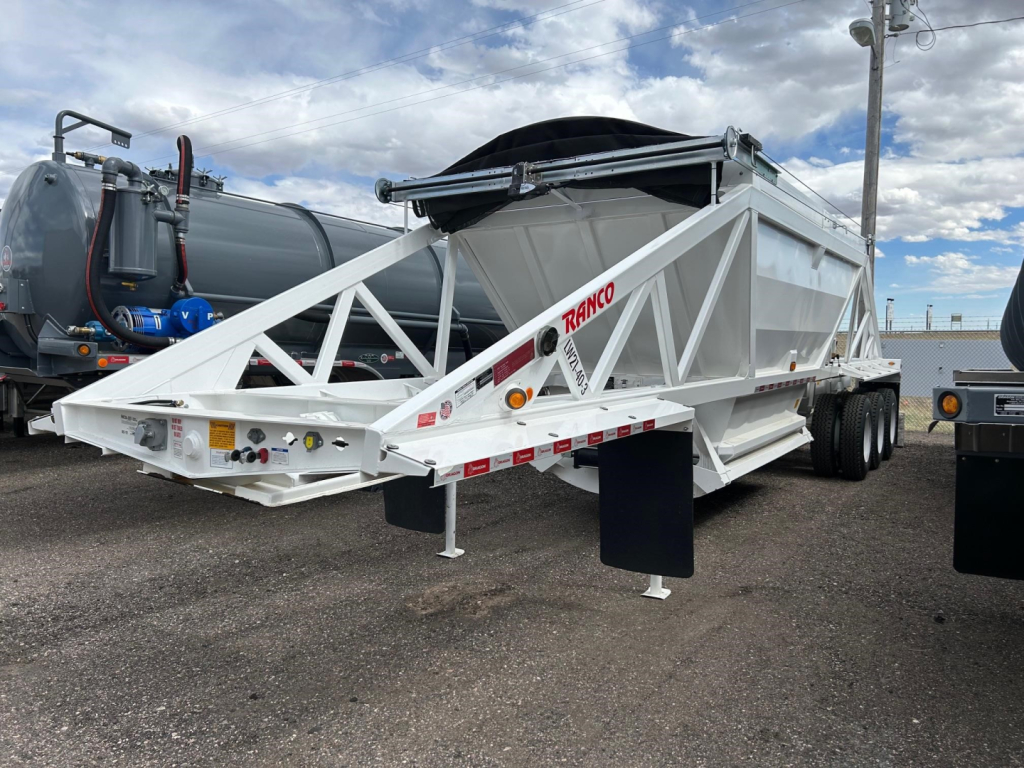
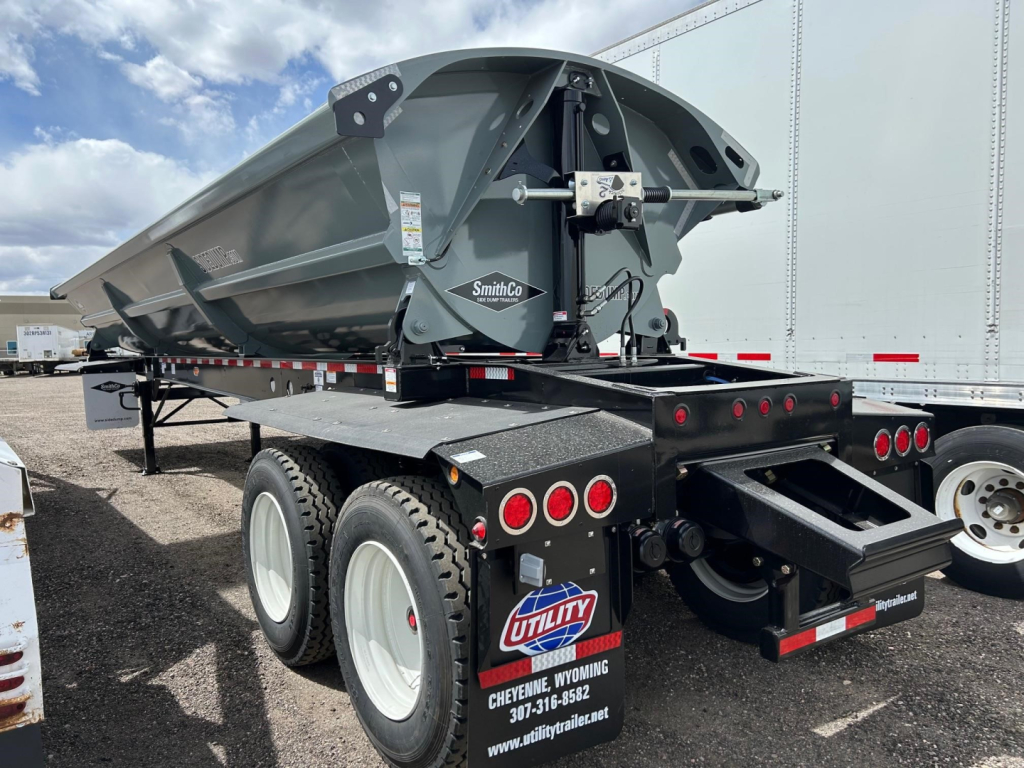
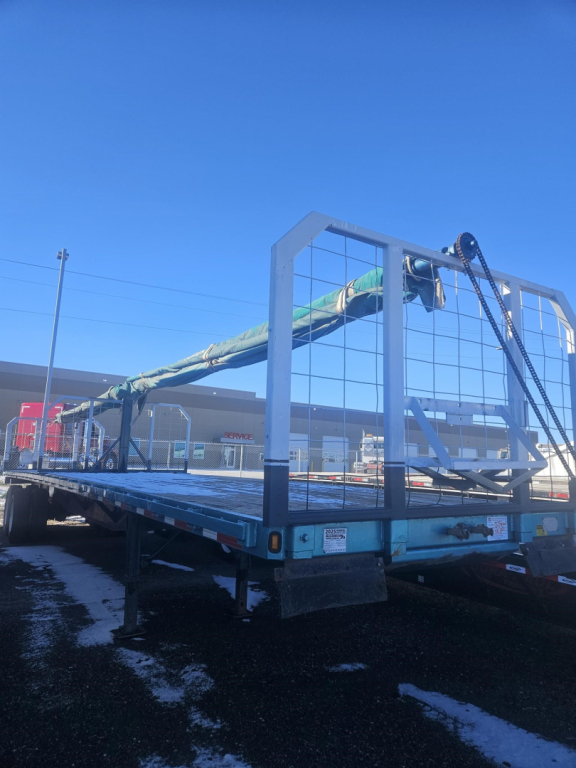
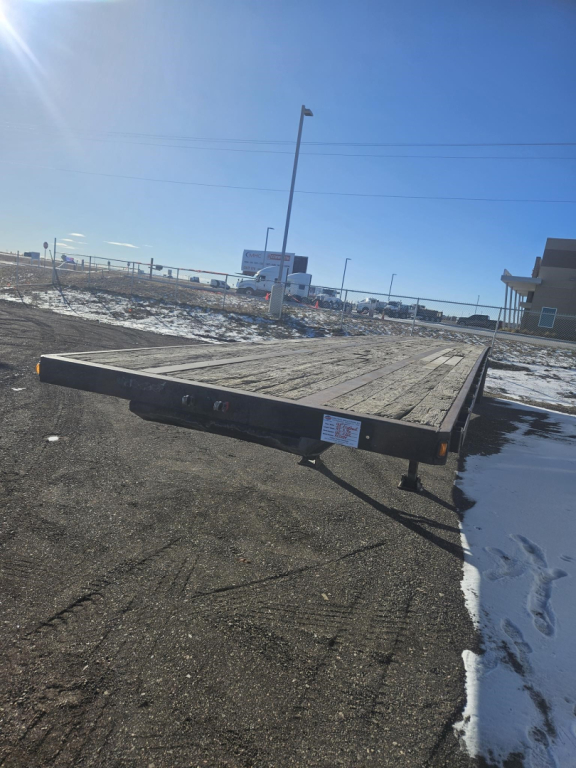
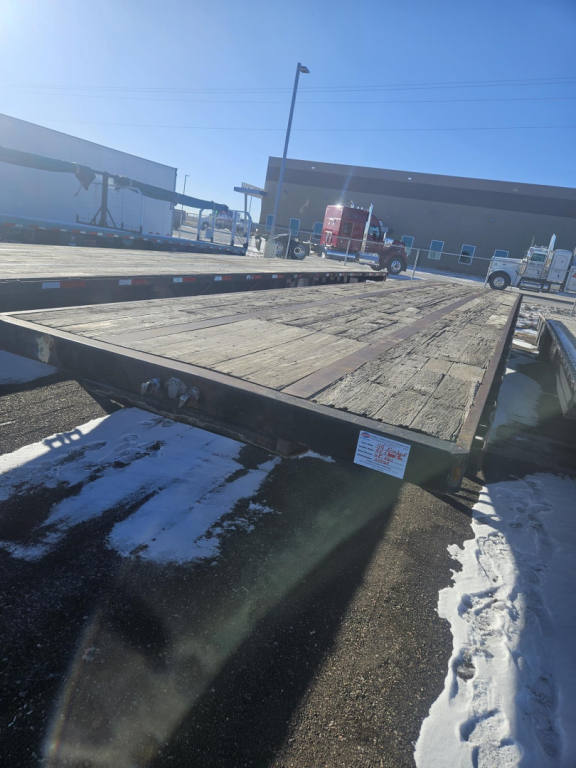
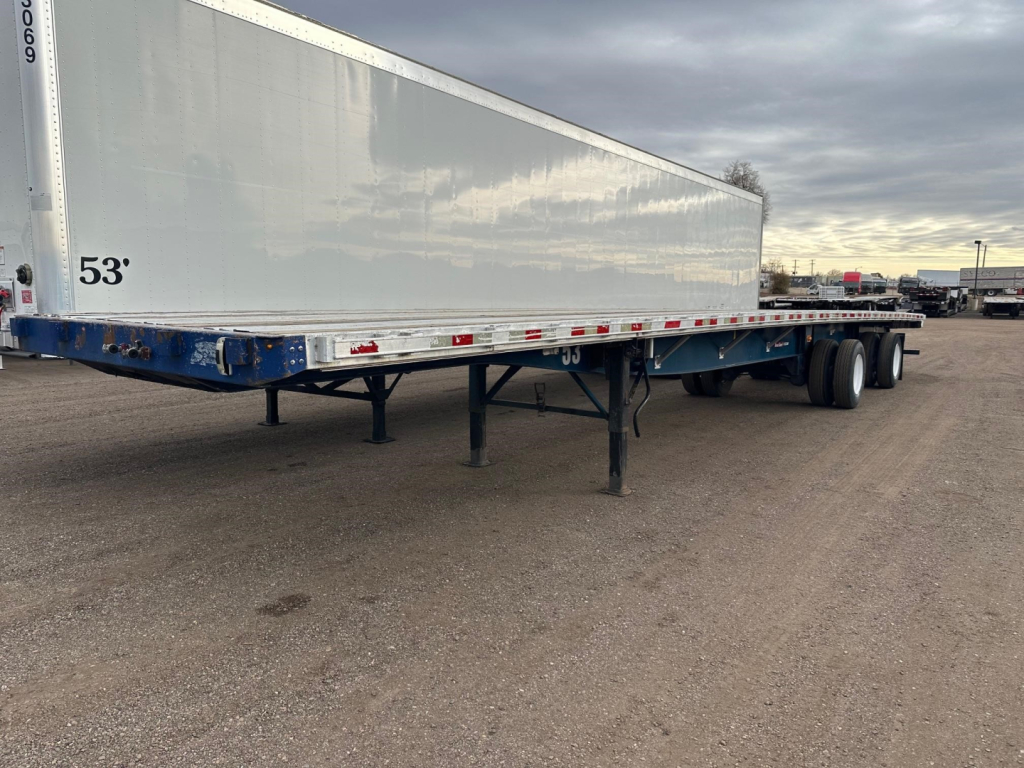
Selling a trailer? List your trailer for sale and reach thousands of commercial buyers.
Trailers in Wyoming
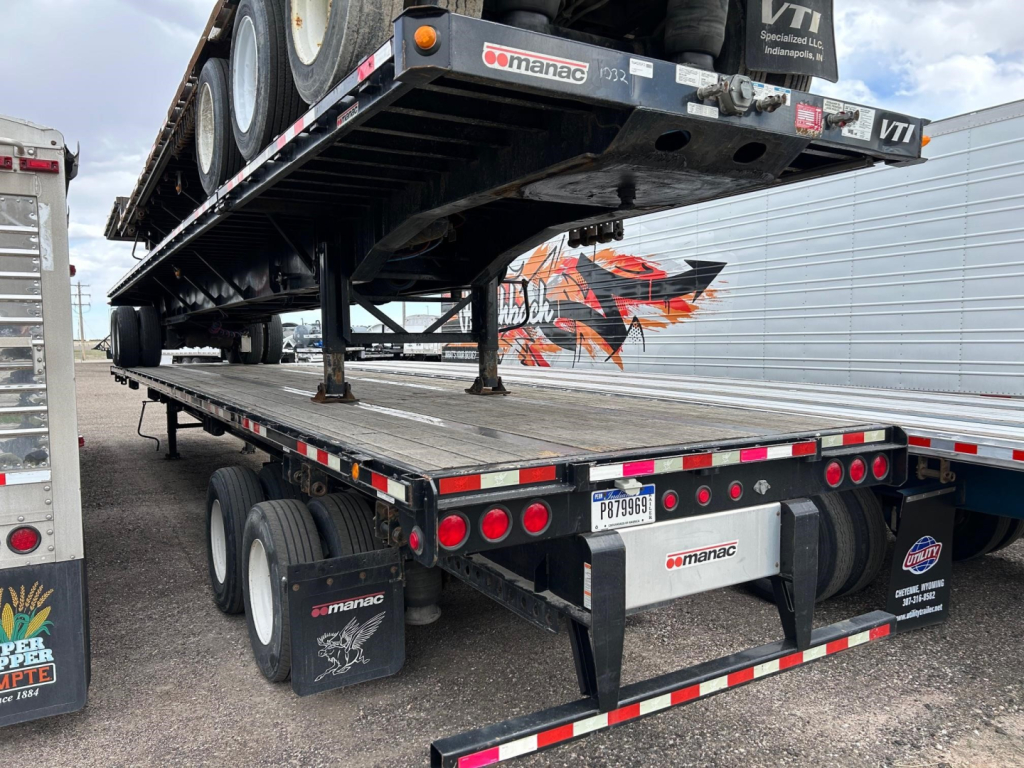
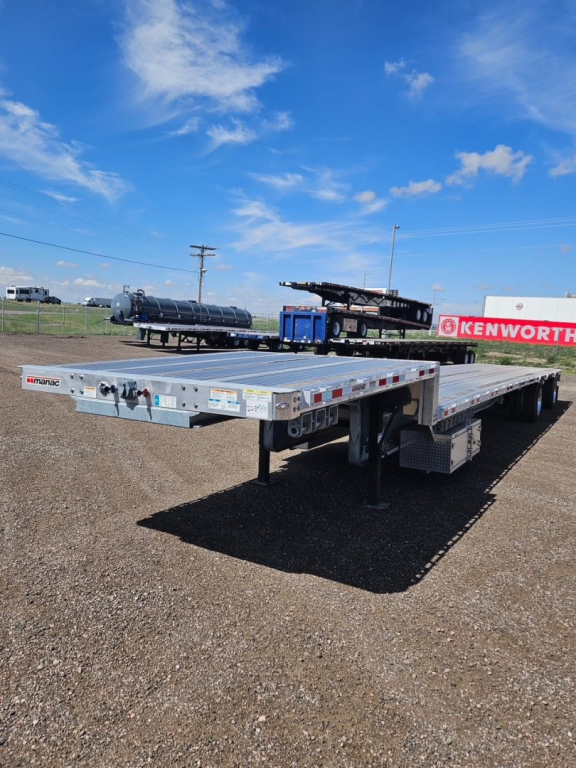
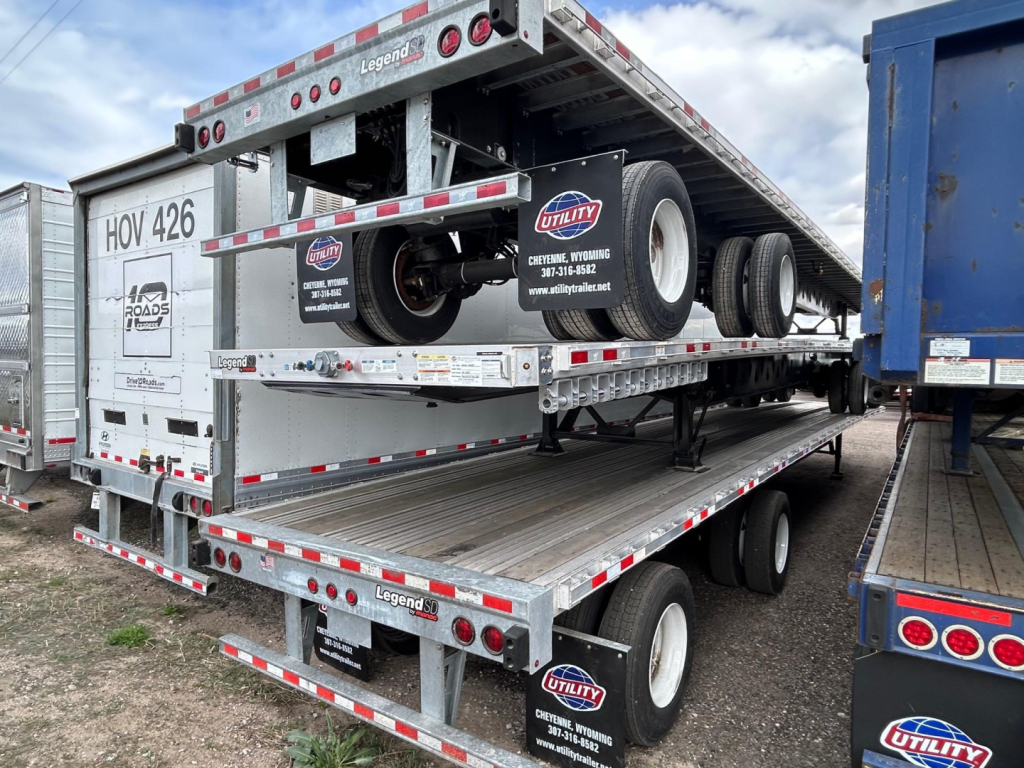
Specs matter because trailer performance changes quickly with deck length, width, suspension, and axle spread. Common lengths in this market include 45-foot and 53-foot trailers, with widths typically 96 or 102 inches. Flatbeds and drop decks are often found in steel or combination construction, with steel main beams paired to aluminum decks or rails to balance durability and tare weight. Buyers should pay close attention to sliding versus fixed tandems, fixed spread setups, kingpin settings, ride height, tire size, and suspension type. Air ride is preferred for many freight applications because it improves cargo protection and ride quality, while spring ride still shows up on older trailers where simplicity and lower acquisition cost matter.
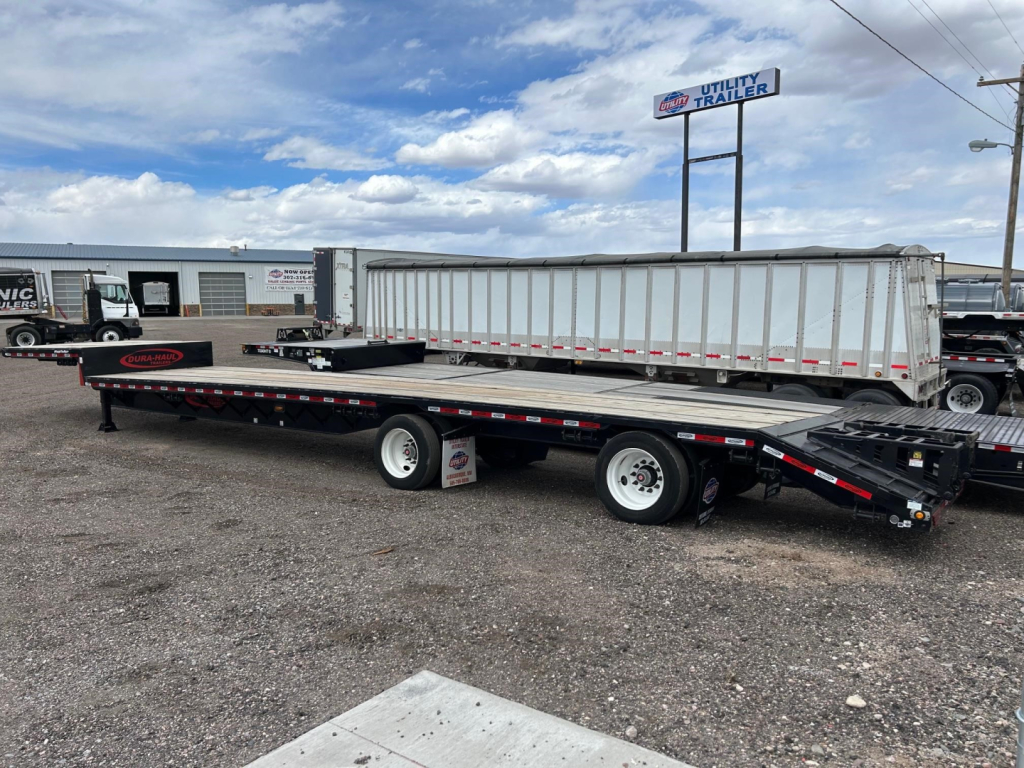
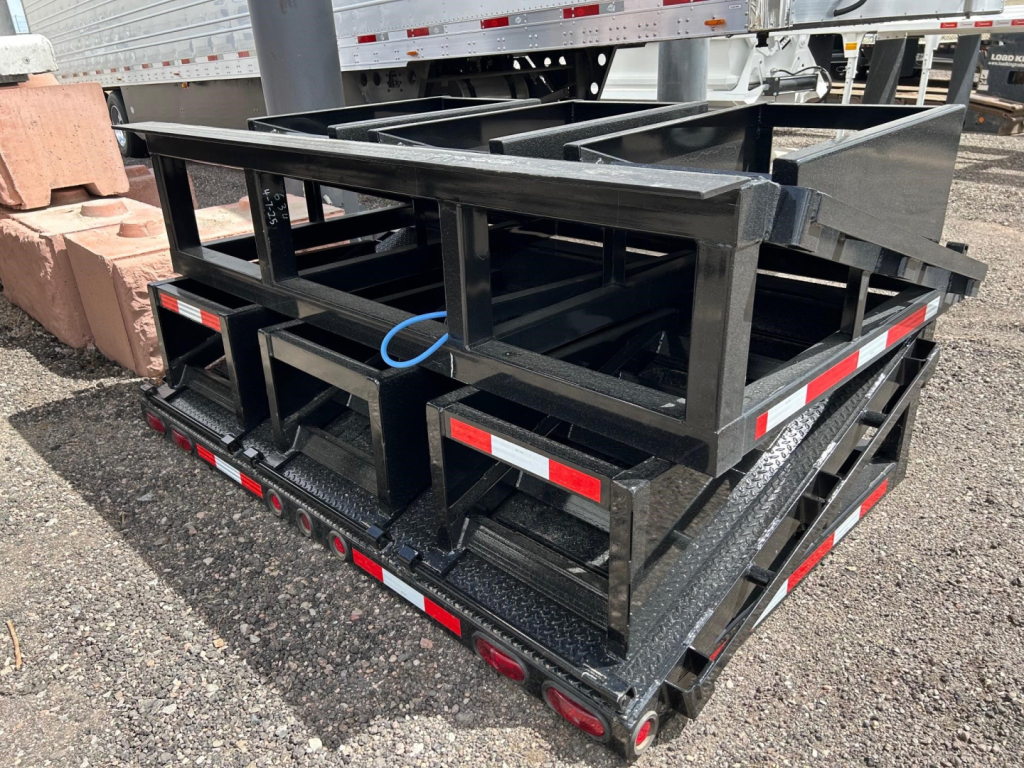
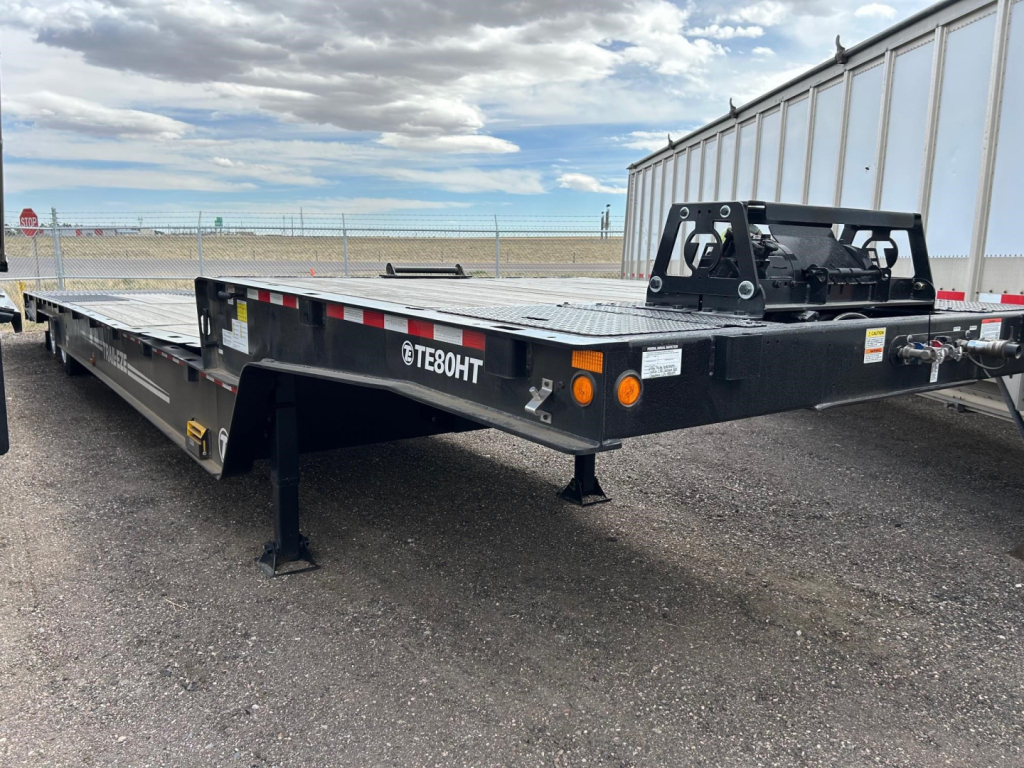
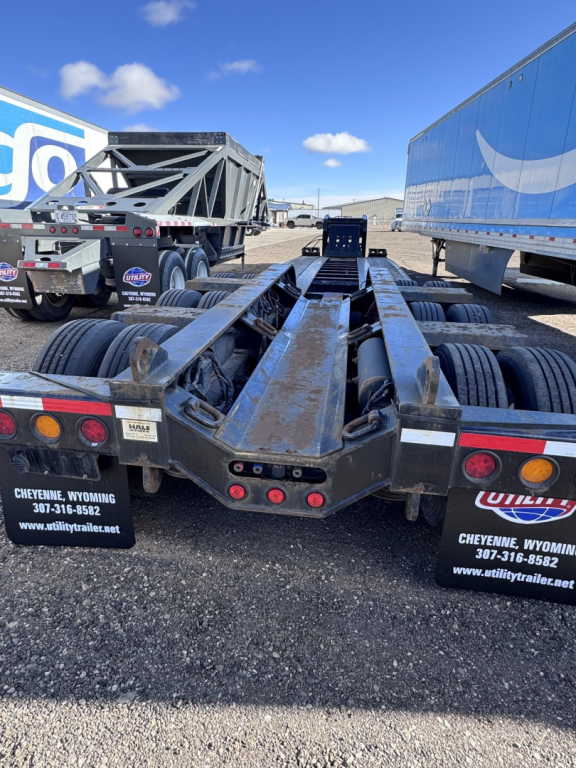
Deck equipment and securement options have a direct effect on day-to-day usability. Stake pockets, pipe spools, sliding winches, D-rings, nail strips, and scuff-resistant deck materials all determine how efficiently a trailer can be loaded and tied down. On heavy haul trailers, features like hydraulic removable goosenecks, pony motors, front flip ramps, boom wells, bucket wells, adjustable ride height, and lift axles are more than convenience items. They affect loading angle, machine fitment, bridge compliance, and route flexibility. Tire inflation systems, aluminum outside wheels, and low-profile 22.5 tires can also make a difference in maintenance cost, payload, and legal height.
Wyoming operators also need to think about terrain, weather, and the type of freight moving across long stretches of interstate and secondary roads. Wind exposure, winter conditions, and mixed on-road and jobsite use can make trailer structure, suspension condition, floor type, and brake performance especially important. A wood deck is still common on older flatbeds for repairability and grip, while aluminum flooring helps reduce empty weight. The best trailer choice comes down to the freight profile first, then legal dimensions, then how much adjustment you need in the axles, neck, and securement package to keep the trailer productive across different loads.
Frequently Asked Questions about Trailers in Wyoming
What is the difference between a flatbed, drop deck, and lowboy trailer?
A flatbed has a full-height deck and is the general-purpose choice for legal-height freight, bundled materials, and equipment that does not need extra deck clearance. A drop deck has an upper deck and a lower deck, which allows taller freight to ride lower than it would on a flatbed while still maintaining highway legality in many cases. A lowboy is built for heavier and taller equipment, usually with a very low well and often a removable gooseneck, making it the right choice for construction machines, heavy components, and concentrated axle loads.
Which trailer specs matter most when buying a used trailer?
The most important specs are trailer type, length, width, axle configuration, suspension, deck material, and overall tare weight. Buyers should also inspect kingpin area condition, crossmembers, main beams, landing gear, brake components, tire condition, and signs of frame repair or deck damage. For flatbeds and drop decks, securement features like stake pockets, winches, pipe spools, and nail strips have a major effect on usability. For lowboys, gooseneck function, hydraulic system condition, outriggers, well dimensions, and axle lift operation are critical.
Is air ride better than spring ride on a trailer?
Air ride is generally preferred for freight protection, ride quality, and resale appeal, especially on flatbeds, drop decks, and specialized trailers hauling machinery or sensitive cargo. Spring ride is simpler and can be less expensive to maintain on some older trailers, but it typically delivers a rougher ride and less flexibility. The right choice depends on freight type, operating cost targets, and how much importance is placed on cargo protection and driver acceptance.
Why do sliding tandems and spread axles matter?
Sliding tandems help with bridge law compliance, kingpin-to-rear axle measurement, and weight distribution across different loads and jurisdictions. Fixed spread axles can offer handling and weight-distribution advantages for certain operations, but they may reduce maneuverability and can affect where and how the trailer can be used. Axle layout should match the freight, routes, and state regulations the trailer will regularly see.
What features should I look for on a lowboy trailer?
Key lowboy features include rated capacity, well length, deck height, removable gooseneck style, axle count, suspension type, and the presence of lift axles or adjustable ride height. Buyers should also look for outriggers, D-rings, front flip ramps, boom troughs, bucket wells, and hydraulic system components that support the equipment they intend to haul. On a heavy haul trailer, fitment and loading geometry are just as important as gross capacity because both determine whether the trailer will handle the machines efficiently and legally.