
Vacuum Trailers For Sale in Wyoming
Browse vacuum trailers for oilfield and fluid hauling jobs, including non-code vac tanks with tri-axle and quad-axle configurations.
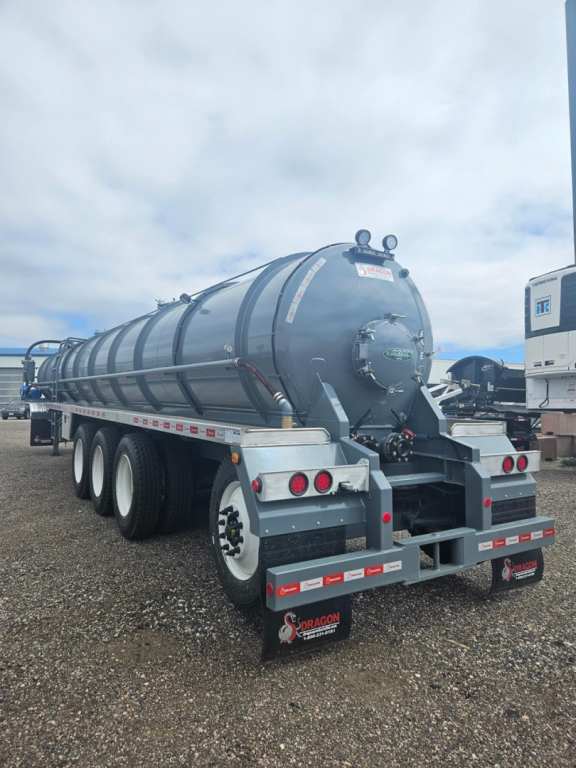
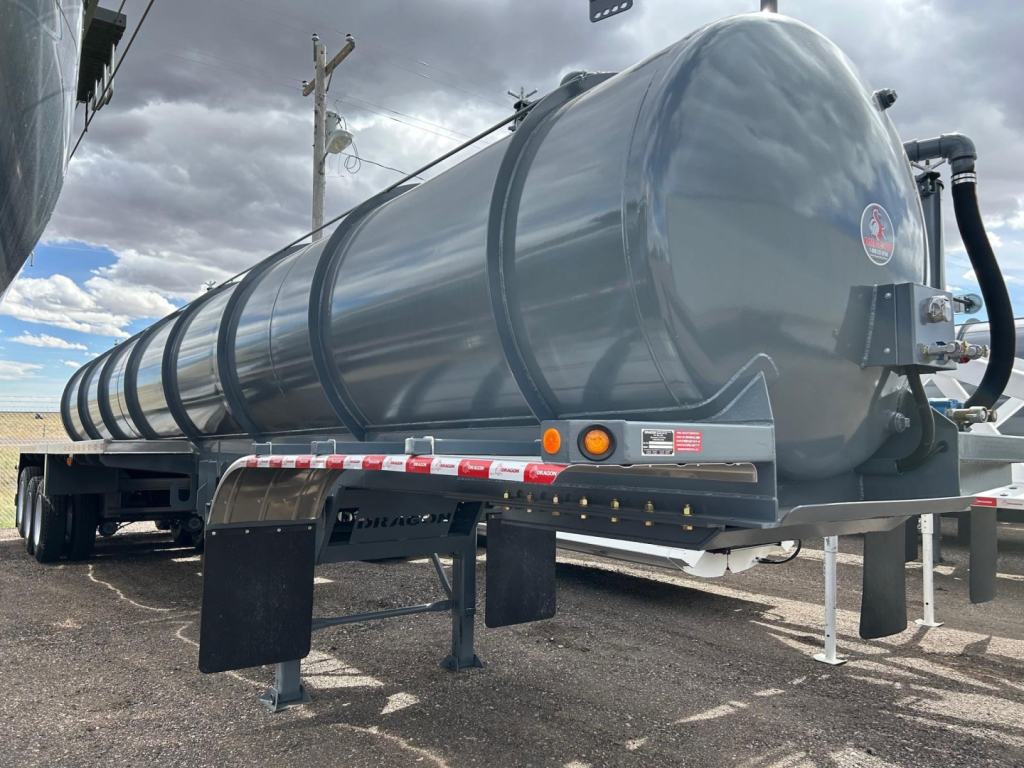
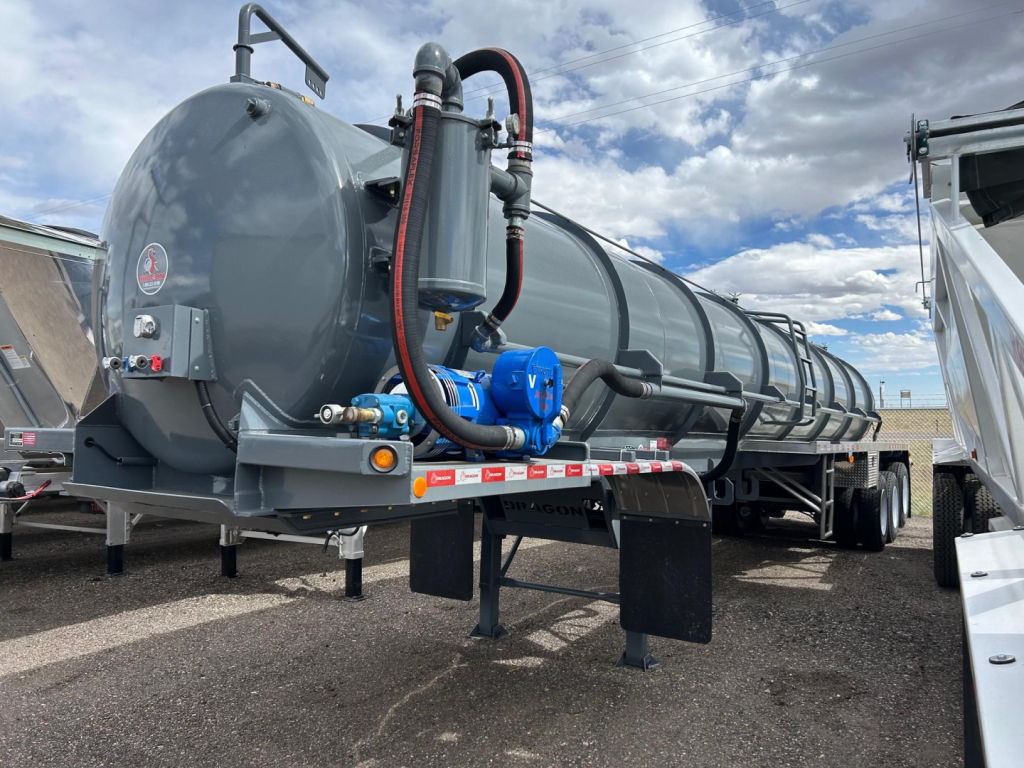
Selling a vacuum trailer? List your vacuum trailer for sale and reach thousands of commercial buyers.
Vacuum Trailers in Wyoming
Capacity, pump package, and running gear are the main buying points. Common vacuum trailer capacities often fall in the 130 to 200-plus BBL range, with tri-axle and quad-axle layouts used to balance payload and bridge-law compliance. Air ride suspension is popular for improving stability on mixed highway and lease-road use, and lift axles can help with tire wear and maneuverability when the trailer is lightly loaded. Many units are equipped with Fruitland-style vacuum pumps, multiple dome lids, internal baffles, level gauges, work lights, tow hooks, and rear bumpers suited for field service. On larger Rocky Mountain-style vac tanks, rear steerable axles can be a major advantage in tighter locations and on roads where scrub reduction matters.
Tank construction details matter more than many first-time buyers expect. Compartment count, baffle design, shell material, hose storage, fender setup, and valve placement all affect daily usability and cleanup time. A one-compartment tank with internal baffles is common for water vacuum service, but buyers should also look closely at suction and discharge plumbing, primary and secondary shutoff systems, and access points for maintenance. If the trailer will spend most of its life in oilfield conditions, ground clearance, lighting protection, and durable running gear can make a meaningful difference in uptime.
The best vacuum trailer for the job usually comes down to matching barrel capacity to legal payload, pump performance to material type, and axle configuration to the roads it will run. A 165 BBL tri-axle may fit one operation well, while a 193 BBL quad-axle is a better choice where heavier volumes and route restrictions justify the extra axle. Buyers comparing vacuum trailers for sale should pay close attention to tank rating, vacuum pump brand and output, suspension type, lift axle arrangement, and how the trailer is spec'd for the specific fluid service it will handle.
Frequently Asked Questions about Vacuum Trailers in Wyoming
What is the difference between a non-code vacuum trailer and a code vacuum trailer?
A non-code vacuum trailer is generally used for water, produced water, and other non-pressurized non-hazardous fluid service where a pressure vessel code stamp is not required. A code trailer is built to a specific pressure vessel or tank standard and may be required for certain commodities, operating pressures, or customer specifications. Buyers should confirm the exact product they plan to haul, the loading and unloading method, and all state and customer requirements before choosing between non-code and code construction.
What vacuum trailer capacity is most common for oilfield work?
Many oilfield vacuum trailers fall in the mid-to-large range, often around 130 to 200 barrels, because that capacity supports productive hauling without automatically pushing every operation into an oversized or over-axled setup. The right capacity depends on fluid weight, tractor configuration, local bridge laws, and route length. Heavier commodities may require less nominal barrel capacity to stay legal, while lighter water service may justify a larger tank.
Why would a buyer choose a tri-axle versus a quad-axle vacuum trailer?
A tri-axle vacuum trailer is often chosen for lower empty weight, easier maintenance, and a simpler setup for many regional hauling jobs. A quad-axle vacuum trailer can improve weight distribution and legal payload options, especially on larger barrel tanks or in areas with strict axle and bridge requirements. The tradeoff is usually higher acquisition cost, more tires and brake components, and added complexity if the trailer includes lift or steerable axle features.
What pump features matter most on a vacuum trailer?
Pump selection affects loading speed, unloading performance, and service life. Buyers typically look at pump brand, free air capacity, maximum vacuum level, drive arrangement, lubrication system, and how easy the pump is to service in field conditions. The material being handled also matters because thin water, sludge, and heavier waste streams do not behave the same in suction and discharge cycles. A proven pump package with accessible plumbing and shutoff protection is usually more important than headline specs alone.
What should buyers inspect on a used vacuum trailer?
The most important inspection points are tank condition, weld integrity, internal corrosion, pump performance, valves, plumbing, suspension, brakes, tires, and axle alignment. Buyers should also check dome lids, seals, level gauge operation, frame condition, and any signs of damage around hose connections or rear impact areas. If the trailer has lift axles or a steerable rear axle, those systems deserve close inspection because repair costs can add up quickly if the components have been neglected.