
Dump Trailers For Sale in Wyoming
Shop dump trailers for sale in Wyoming, including end dump, side dump, and bottom dump models for aggregate, dirt, demolition, and paving work.
Selling a dump trailer? List your dump trailer for sale and reach thousands of commercial buyers.
Dump Trailers in Wyoming
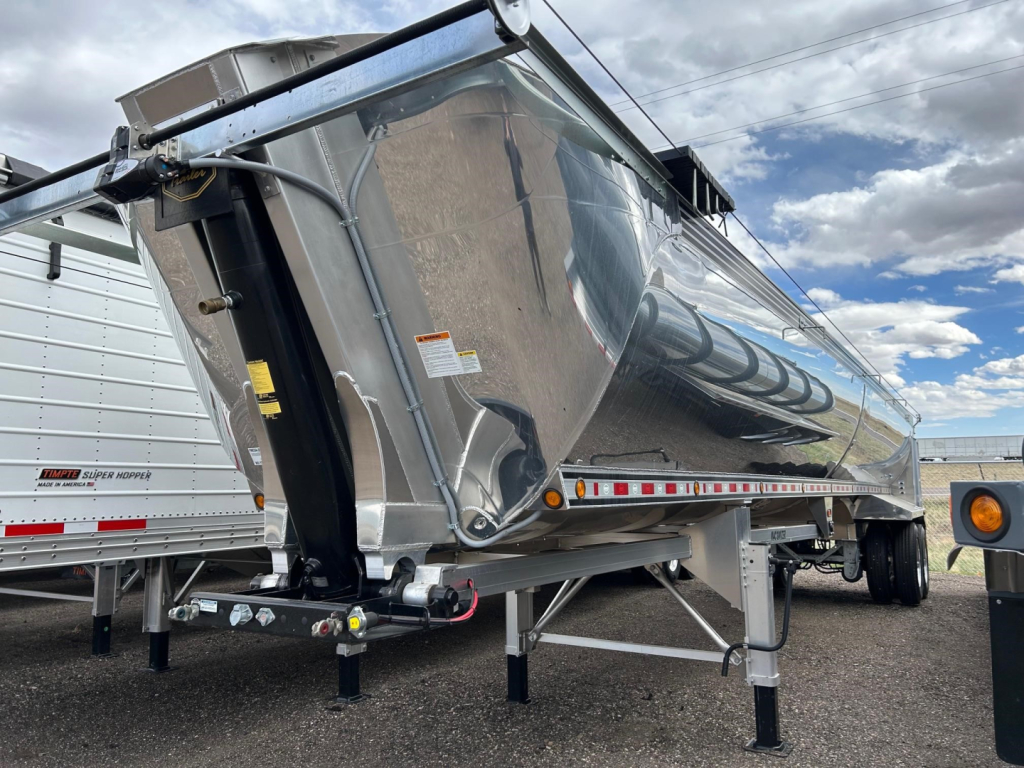
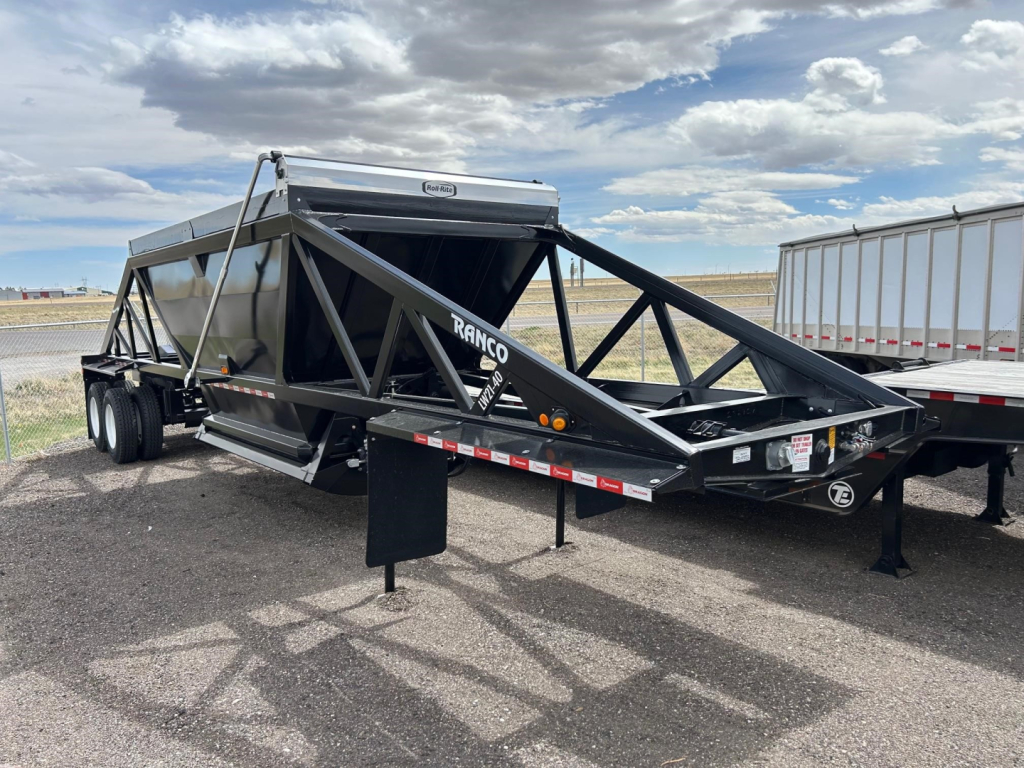
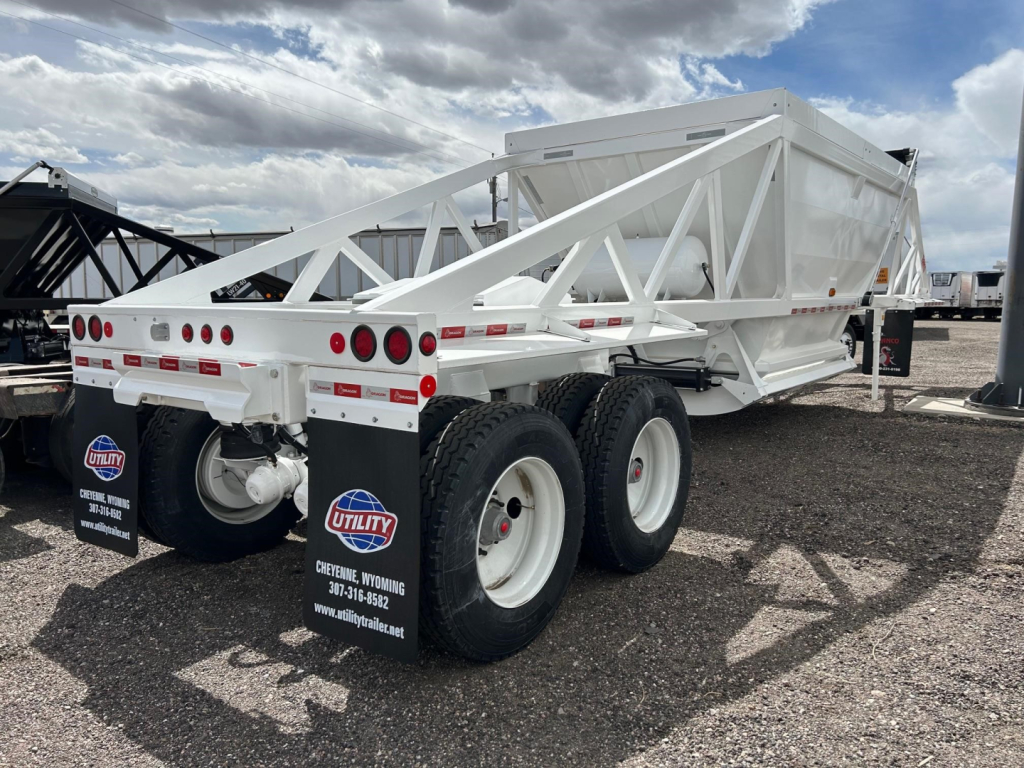
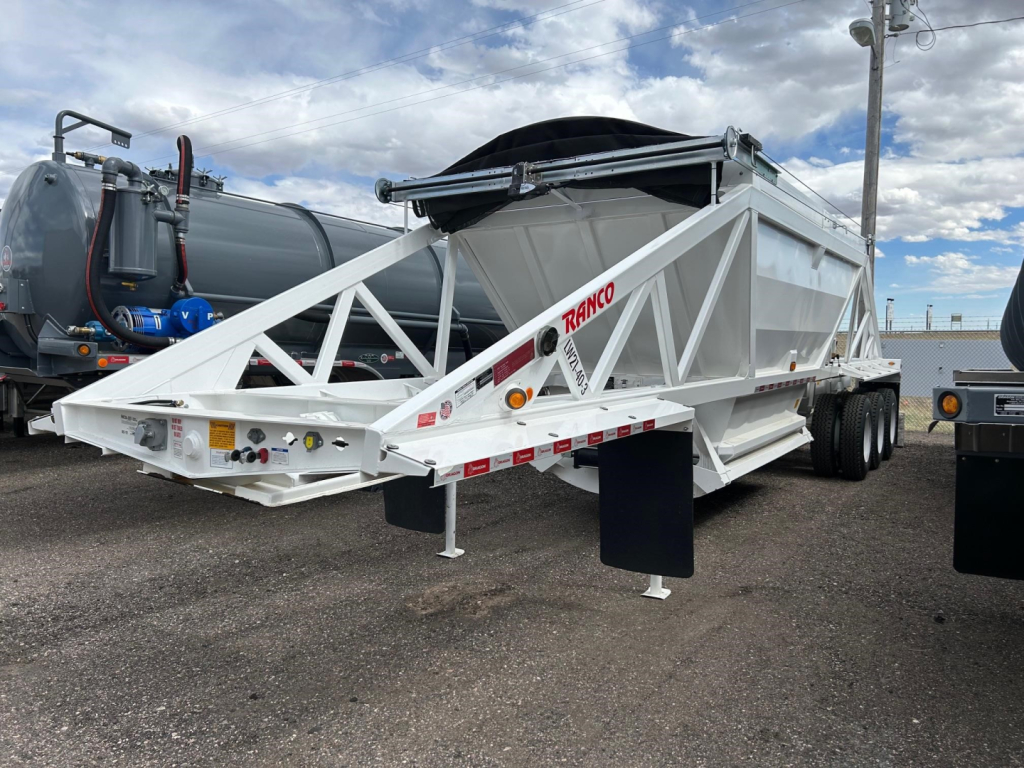
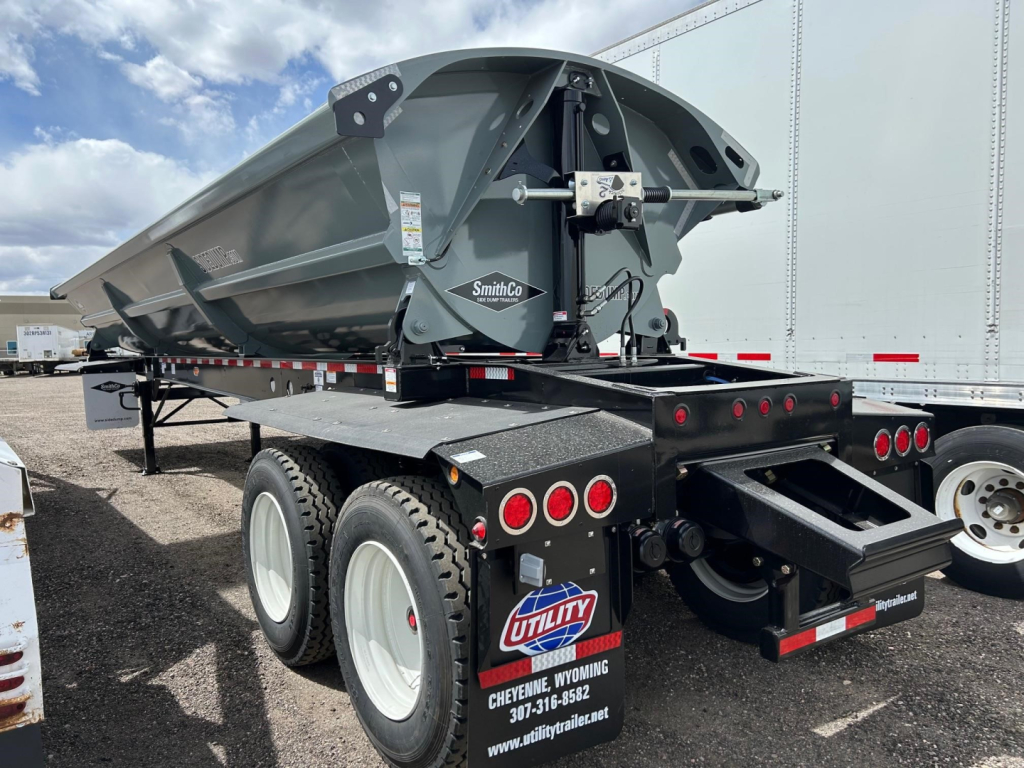
The main spec differences usually come down to body style, tub material, axle layout, suspension, and gate configuration. Frameless aluminum end dumps are popular when payload is the priority, while steel tubs and AR plate bodies hold up better in abrasive rock and demolition service. Side dumps typically use heavy cylinders, robust hinge systems, and rollover tarps to manage dense, uneven loads with better rollover resistance than an end dump in poor ground conditions. Bottom dumps are often seen in 40-foot lightweight configurations with single hopper or multiple gate arrangements, pin-setting gate limiters, windrow deflectors, and valve systems designed for consistent material flow. Common running gear on this class includes tandem and tri-axle layouts, air ride suspensions, lift axles, 11R24.5 rubber, and both steel and aluminum wheel packages.
A serious buyer should match trailer design to material and unloading environment, not just rated capacity. Side height, cubic yard rating, gate seal design, liner choice, and tarp style all affect daily performance. A half-round end dump body sheds sticky material better than some square designs, while factory liners and sealed gates help when hauling wet fines, millings, or other material that tends to hang up or leak. Bottom dumps need close attention to hopper size, gate actuation, spread control, and any pup-trailer provisions if the operation pulls doubles. Push blocks, bang boards, ladders, marker light packages, fenders, landing gear, and scale systems may seem secondary, but they make a real difference in jobsite utility and maintenance over time.
Wyoming operations also tend to put extra emphasis on durability, stability, and weather exposure. Long rural hauls, wind, freeze-thaw conditions, and mixed on-road and off-road use can favor robust suspensions, dependable tarp systems, corrosion-resistant materials, and simple hydraulic or pneumatic components that are easy to service. Buyers comparing dump trailers for sale in Wyoming should think in terms of total application fit: payload versus durability, unload speed versus precision, and lightweight construction versus abrasion resistance. The right dump trailer is the one that holds up to the material, unloads safely in the conditions you actually face, and stays productive with minimal downtime.
Frequently Asked Questions about Dump Trailers in Wyoming
What is the difference between an end dump, side dump, and bottom dump trailer?
An end dump raises the body to discharge material out the rear and is commonly used for bulk aggregate, scrap, demolition, and high-capacity hauling. A side dump uses hydraulic cylinders to roll the tub and unload to the side, which generally improves stability on uneven ground and speeds up unloading in construction environments. A bottom dump, also called a belly dump, releases material through gates in the floor and is preferred when the load needs to be spread in a controlled windrow for road base, shoulder work, or paving support.
Which dump trailer type is best for Wyoming hauling conditions?
That depends on the terrain, material, and where the trailer unloads. Side dumps are often a strong fit for uneven jobsites and heavier material because they offer good unloading stability. Bottom dumps are highly effective for road work and aggregate spreading on long rural routes. End dumps remain a strong choice when maximum cubic capacity and straightforward rear discharge are the priority, but they require more care on soft or uneven ground during unloading.
Should I choose aluminum or steel for a dump trailer body?
Aluminum is typically selected when payload matters most because it reduces tare weight and can improve legal carrying capacity. Steel is usually the better choice for abrasive rock, demolition debris, and severe-duty applications where body wear is a bigger concern than empty weight. Some buyers also look for liners or AR plate wear surfaces to extend body life when hauling sharp or high-abrasion material.
What specs matter most when comparing bottom dump trailers?
Hopper design, gate control, valve system, axle configuration, and suspension are key factors. Buyers should look at cubic yard capacity, whether the trailer uses a single hopper or multiple gate setup, how precisely the gates can be limited, and whether a windrow deflector is included for spread control. If the trailer will pull a pup, the hitch arrangement, air and electrical hookups, and overall combination setup should be part of the decision.
How important are tarp systems, gate seals, and other options on dump trailers?
They matter more than many buyers expect because they directly affect cleanup time, material retention, and legal compliance. Electric flip tarps, rollover tarps, and slide tarps help keep loads covered in wind and reduce spillage on the road. Sealed gates, liners, fenders, lift axles, push blocks, and onboard scale systems can all improve day-to-day efficiency, especially in operations that handle wet material, run variable payloads, or spend time both on the highway and in rough jobsite conditions.