
Ranco Dump Trailers For Sale in Wyoming
Shop Ranco dump trailers for aggregate, road work, and material hauling. Compare bottom dump specs, axle setups, gate controls, and tarp options.
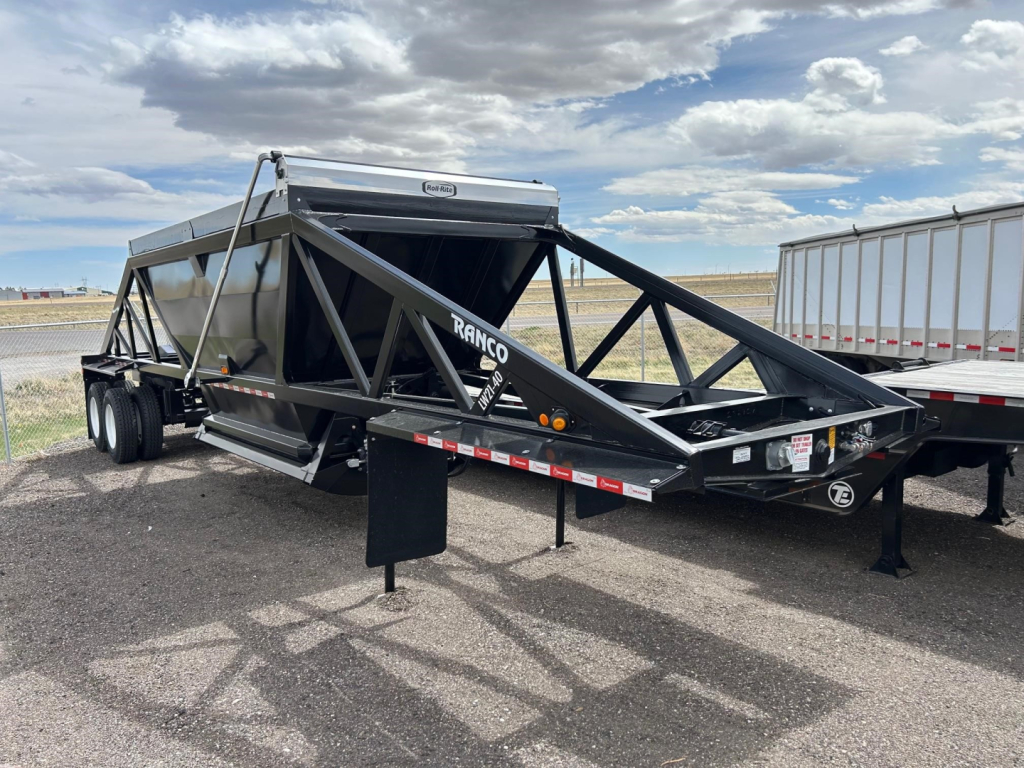
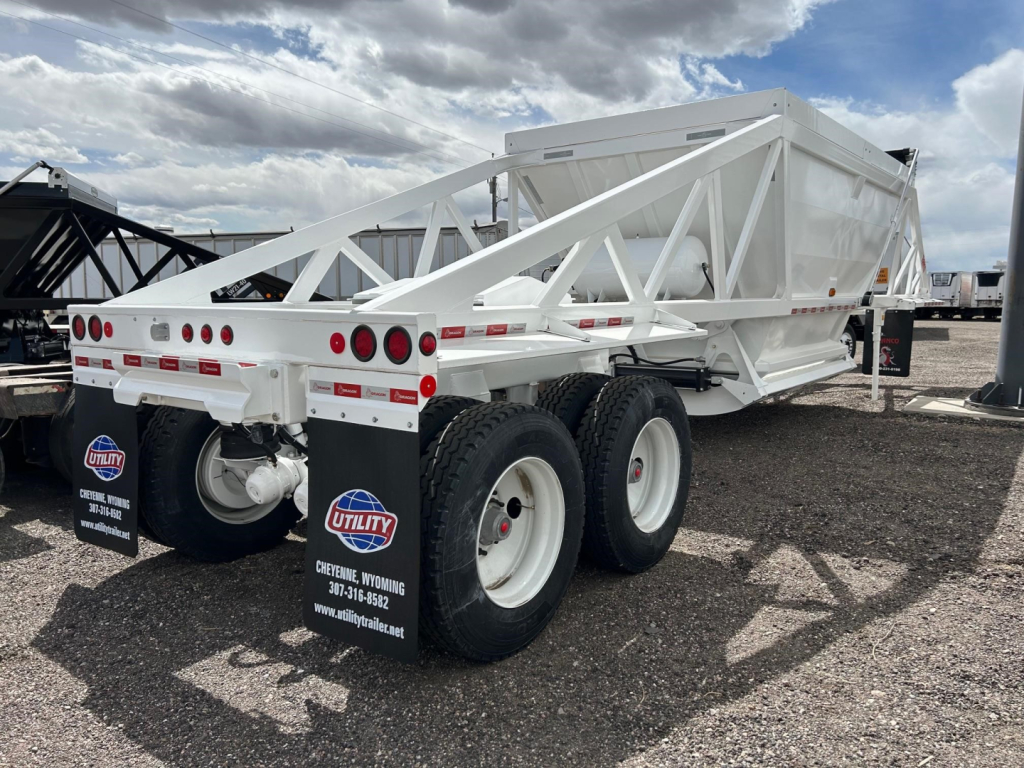
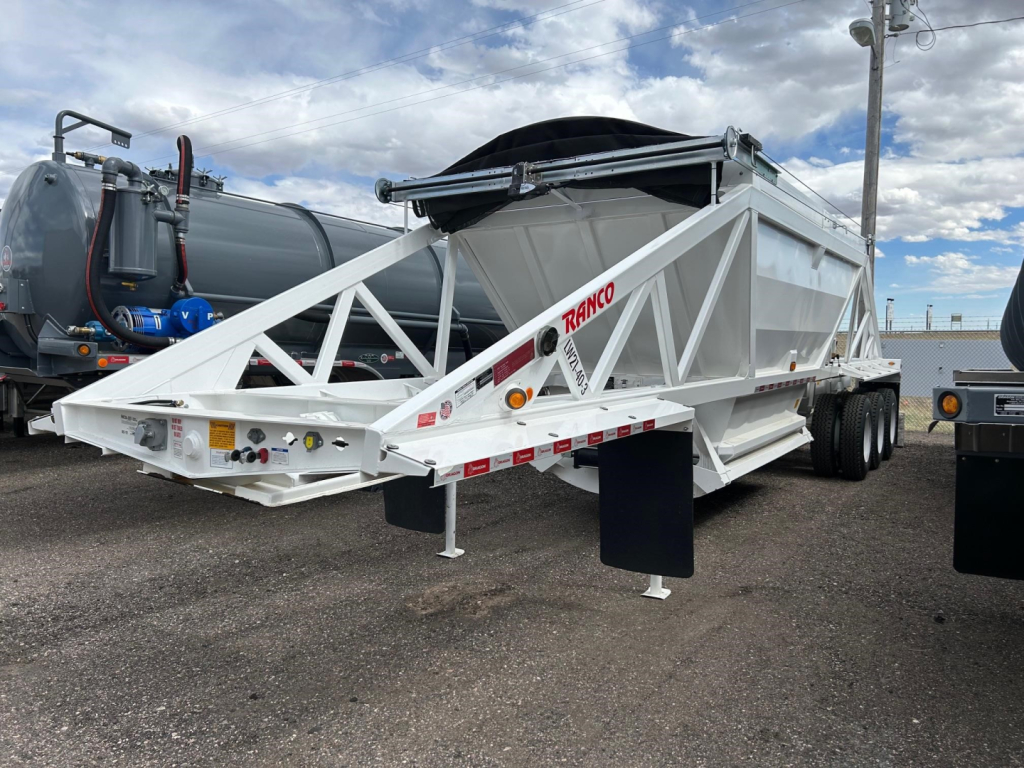
Selling a ranco dump trailer? List your ranco dump trailer for sale and reach thousands of commercial buyers.
Ranco Dump Trailers in Wyoming
The core buying decision is usually discharge style and axle configuration. A Ranco bottom dump trailer, also called a belly dump, is built to spread rock, sand, gravel, millings, and similar bulk material through hopper gates rather than raising the body. That gives it a lower center of gravity than an end dump and makes it a strong choice for paving support, shoulder work, trench backfill, and stockpile placement where a controlled windrow is important. Common features include pin-setting gate limiters, Versa valve gate controls, windrow deflectors, electric flip tarps, bang boards, push blocks, and pintle provisions for pulling a pup. Tandem and tri-axle layouts are both common, with air ride often preferred for ride quality and material control.
Payload and empty weight are major considerations with Ranco trailers, especially in aggregate service. Lightweight models are designed to maximize legal payload without giving up the durability needed for abrasive material. Buyers should look closely at cubic yard rating, frame and hopper construction, suspension type, wheel and tire package, and whether the trailer has closed tandem or lift axle equipment to fit the intended route. Tire size such as 11R24.5, steel or aluminum wheel choice, LED lighting, fenders, and tarp systems all affect operating cost and uptime. If the trailer will be used behind a truck set up for doubles, confirm hitch equipment, air and electrical connections, and overall combination length compliance.
A good Ranco dump trailer fit comes down to matching gate control, suspension, and axle count to the material and the road. For fleets hauling free-flowing aggregate every day, a bottom dump can cycle faster than an end dump and work safely in areas with overhead restrictions or uneven ground. For owner-operators, the value is often in simple operation, high payload potential, and versatility across highway work, county road contracts, and quarry hauling. The strongest listings in this category tend to be the ones with clearly defined hopper capacity, gate equipment, suspension details, and pup-ready options, because those specifications determine how well the trailer will perform in real production work.
Frequently Asked Questions about Ranco Dump Trailers in Wyoming
What is a Ranco bottom dump trailer used for?
A Ranco bottom dump trailer is primarily used to haul and discharge aggregate materials such as sand, gravel, crushed rock, millings, and base material. Its hopper gates release material through the bottom of the trailer, which allows the operator to place a controlled windrow without raising the body. That makes it especially useful for road building, asphalt support, shoulder work, and other jobs where even material spread and fast cycle times matter.
What is the difference between a bottom dump and an end dump trailer?
A bottom dump discharges through gates underneath the hopper, while an end dump raises the body and unloads out the rear. Bottom dumps generally offer better stability during unloading because the trailer body stays low, and they are well suited for spreading material while moving. End dumps are often preferred when dumping larger volumes into a pile or working with material that does not flow as consistently. The right choice depends on whether the job requires controlled placement or straight dumping.
How do I choose between tandem and tri-axle Ranco dump trailers?
Tandem and tri-axle setups should be chosen based on payload goals, bridge law requirements, route restrictions, and ground conditions. A tandem bottom dump can be lighter and simpler, which helps with payload and maintenance. A tri-axle configuration can improve weight distribution and may help on routes or applications where axle loading is a limiting factor. Buyers should compare axle spacing, suspension type, and whether a lift axle is included to make sure the trailer matches local regulations and daily hauling conditions.
What features matter most on a used or new Ranco dump trailer?
The most important features are hopper capacity, gate style, gate control system, suspension, axle count, and overall trailer weight. Buyers should also evaluate tarp equipment, windrow control components, tire and wheel package, lighting, fenders, and any hitch setup for pulling a pup. On used units, inspect the hopper structure, gate seals, suspension wear points, brakes, and frame condition closely because dump trailers in aggregate service are exposed to constant vibration and abrasive loading.
Are Ranco dump trailers a good fit for Wyoming hauling conditions?
Ranco dump trailers are often a strong fit for Wyoming because they are commonly spec'd for long-distance aggregate hauling, road construction, and rural job site work. Lightweight bottom dump designs help maximize legal payload on long runs, and air ride or multi-axle configurations can improve control on mixed highway and job site surfaces. Buyers in Wyoming should still verify tire spec, suspension, tarp coverage, and axle configuration for wind exposure, seasonal road conditions, and state weight compliance.