
Flatbed Trailers For Sale in Wyoming
Browse flatbed trailers for sale in Wyoming. Compare 45-foot to 53-foot specs, deck materials, axle setups, and load securement features.
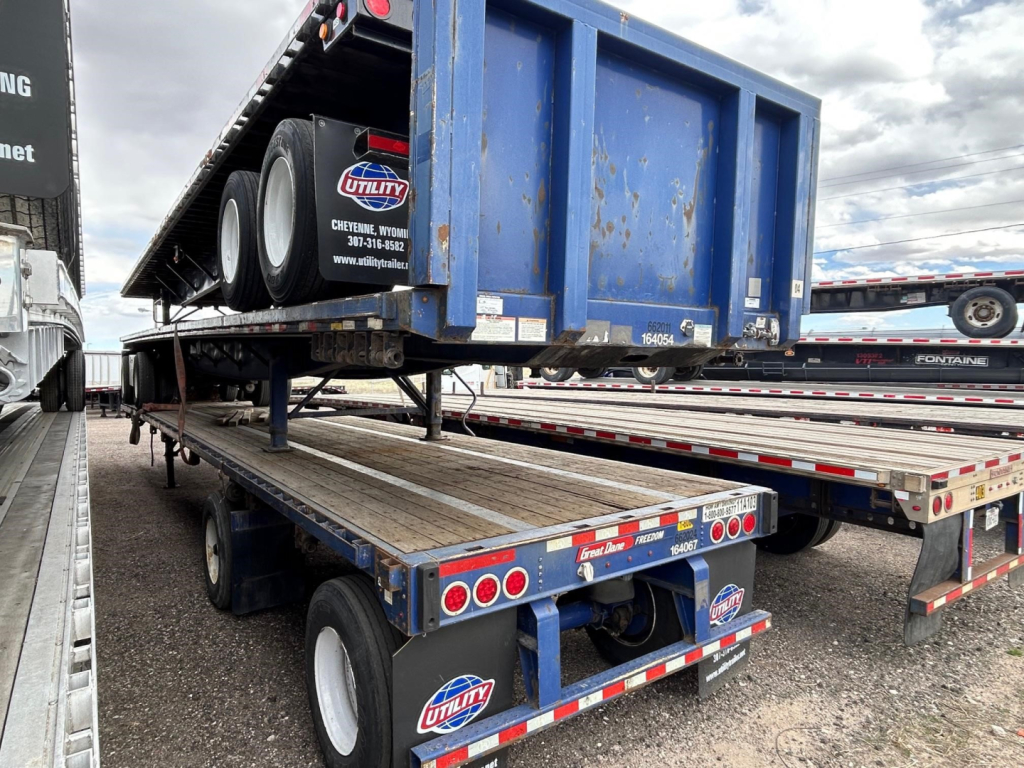
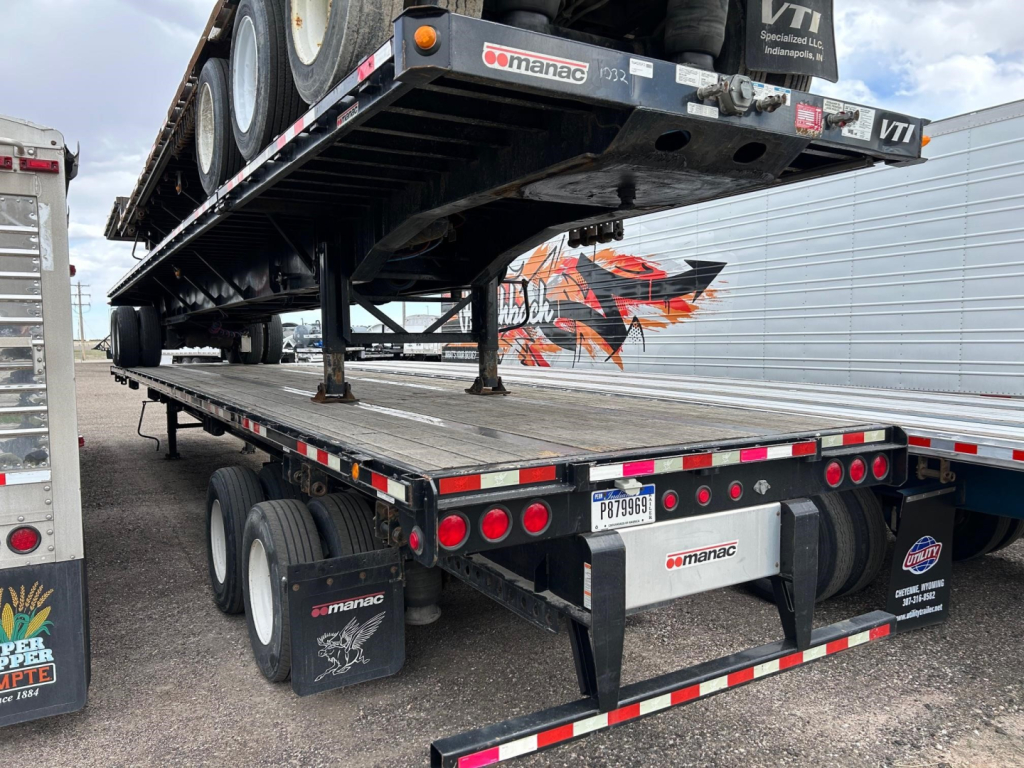
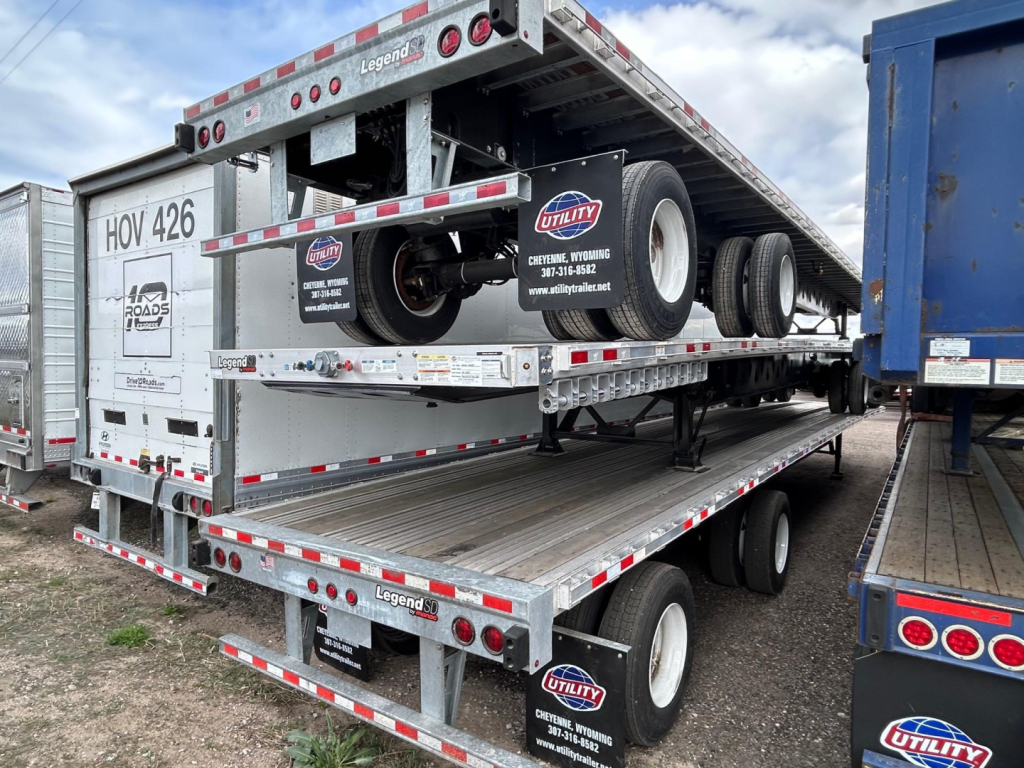
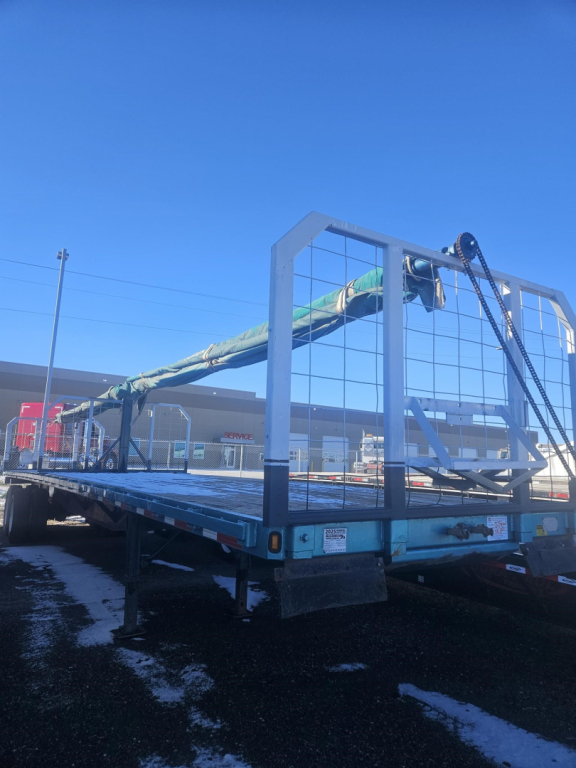
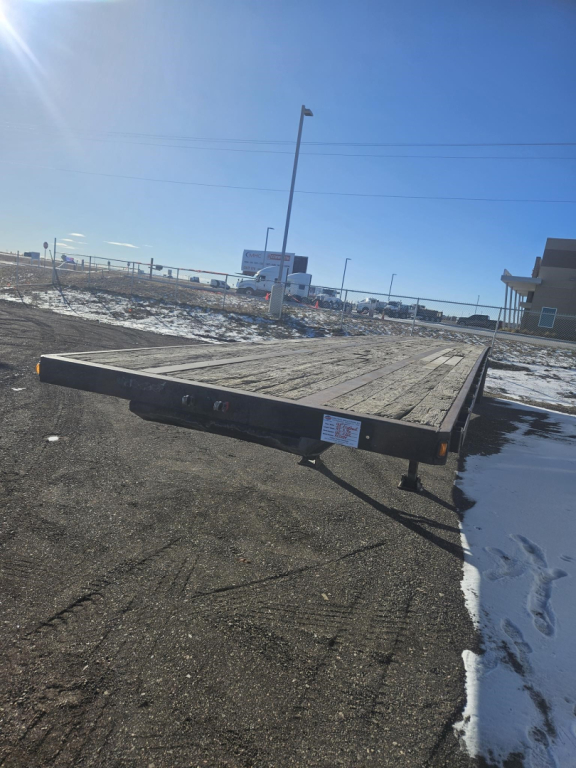
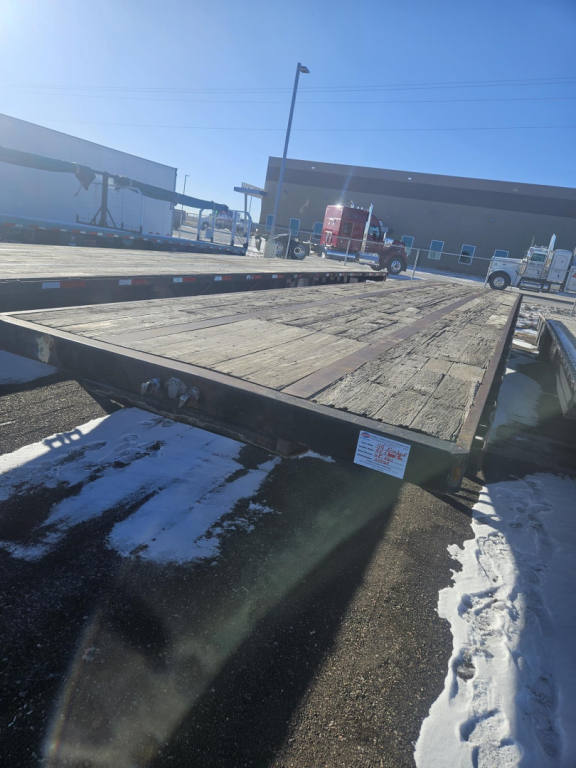
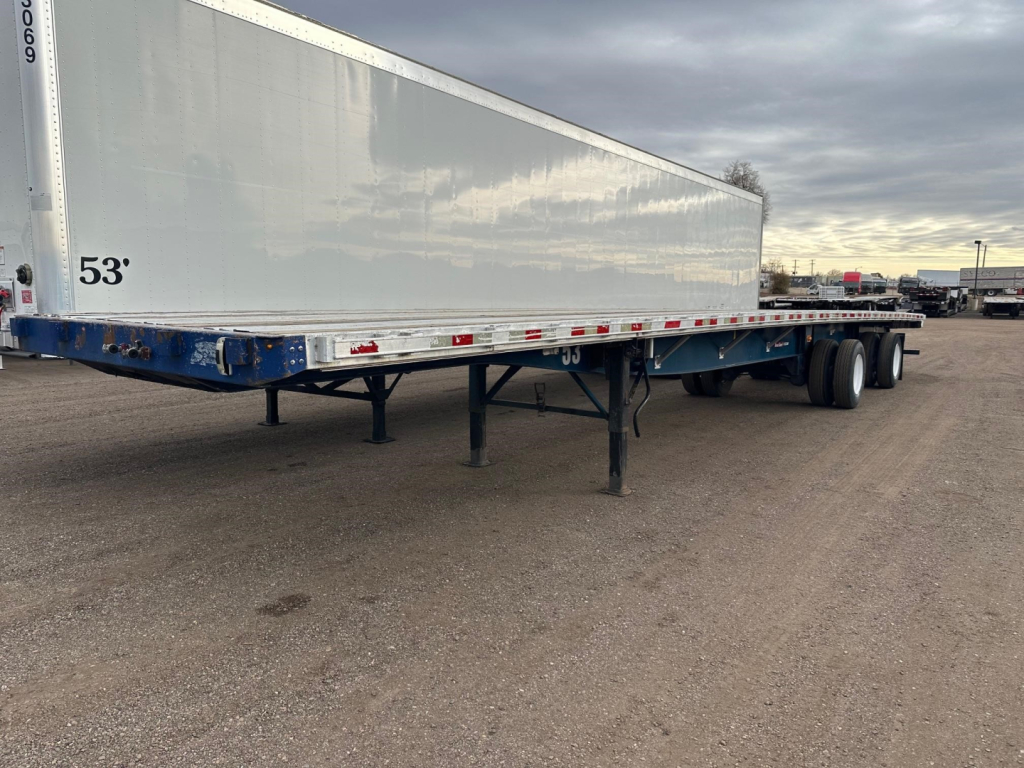
Looking for the easiest place to sell your flatbed trailer? List it here to reach thousands of buyers.
Flatbed Trailers in Wyoming
In this category, common configurations include 45-foot and 53-foot tandem axle flatbeds in 96-inch and 102-inch widths. A 45-foot steel flatbed is often a durable, lower-cost option for regional work, farm supply, pipe, and heavier commodity freight where trailer tare weight is less critical. A 53-foot combo flatbed, usually with steel main beams and aluminum deck or rails, is a more weight-conscious spec for general freight and longer-haul use. Suspension matters too. Spring ride trailers are simple and rugged, while air ride is preferred for better cargo protection and improved ride quality on mixed freight. Sliding tandems give more flexibility for bridge law and weight distribution, while fixed spread axles can help with certain legal payload setups and state compliance.
Securement features deserve close attention on any flatbed trailer. Stake pockets, rub rails, sliding winches, winch tracks, and pipe spools affect how easily a driver can build safe tie-down patterns across different loads. Nail strips are important if the trailer will regularly haul lumber, crated machinery, or cargo that benefits from blocking and bracing. Deck type also changes the trailer's working life. Wood floors are common, field-serviceable, and familiar to most operators. Aluminum floors reduce weight, but buyers should inspect for damage, wear at high-contact zones, and overall deck support condition. Look closely at crossmembers, main beams, side rails, landing gear, suspension components, brake condition, wheel ends, and tire size, especially on used units working in rough weather and mixed road surfaces.
For Wyoming operations, trailer spec often comes down to wind, weather, and cargo mix. Open-deck freight in this region can mean pipe, steel, oilfield support material, construction products, and agricultural loads moving long distances between load points. A tougher steel trailer may fit severe-duty work, while a lighter combo flatbed can improve payload on general commodity lanes. Buyers should also consider trailer height, kingpin setting, California-legal requirements if the trailer runs multi-state, and tire inflation systems for fleets trying to control tire wear and roadside downtime. The best flatbed trailer is the one whose axle layout, tare weight, deck material, and securement package match the freight profile instead of forcing every load onto a compromise spec.
Frequently Asked Questions about Flatbed Trailers in Wyoming
What is the difference between a steel flatbed and a combo flatbed trailer?
A steel flatbed trailer is generally heavier but very durable, making it a common choice for severe-duty service, dense freight, and operations where repair simplicity matters more than tare weight. A combo flatbed trailer typically uses steel main beams with aluminum components such as the deck or side rails to reduce overall weight. That lower tare weight can improve payload capacity, but buyers should still inspect structural areas, deck wear, and repair history because condition matters more than material alone on a used trailer.
Is a 45-foot or 53-foot flatbed trailer better for my operation?
A 45-foot flatbed can be a practical fit for regional work, older loading docks, farm and ranch freight, and applications where maneuverability matters. A 53-foot flatbed offers more deck space and is the more common choice for general freight, building materials, and longer-haul work. The right size depends on the freight dimensions, state length rules, shipper requirements, and how often the trailer needs to maximize deck space versus operate in tighter jobsite conditions.
Why do axle configuration and suspension type matter on a flatbed trailer?
Axle layout affects bridge law compliance, weight distribution, turning behavior, and how easily a trailer can be matched to different states and load types. Sliding tandems offer flexibility when adjusting axle position for legal weight placement, while fixed spread axles can suit specific legal or payload strategies. Suspension matters because spring ride is rugged and straightforward, while air ride helps reduce cargo shock and is often preferred for higher-value or damage-sensitive freight.
What securement features should I look for on a used flatbed trailer?
The most useful securement features are stake pockets, sound rub rails, functional winches or sliding winches, pipe spools, and a deck surface that still supports proper tie-down practices. Buyers should inspect wear around stake pockets, bent or cracked rub rails, damaged winch tracks, and any signs that tie-down points have been overloaded. A flatbed is only as useful as its securement system, so hardware condition is just as important as the frame and deck.
What should Wyoming buyers pay special attention to on a flatbed trailer?
Wyoming buyers should pay close attention to structural condition, tire quality, braking performance, and deck traction because trailers often see long highway stretches, severe wind, winter exposure, and mixed loading environments. Open-deck work in this region can also involve heavy commodities, pipe, equipment, and agricultural products, so trailer durability and securement layout matter. Corrosion, suspension wear, and uneven tire wear are worth checking carefully, especially on trailers that have spent time in harsh weather or on rough secondary roads.