
Fruehauf Flatbed Trailers For Sale in Wyoming
Shop Fruehauf flatbed trailers for sale in Wyoming. Compare steel flatbed specs, deck length, suspension, sliding tandems, and tie-down options.
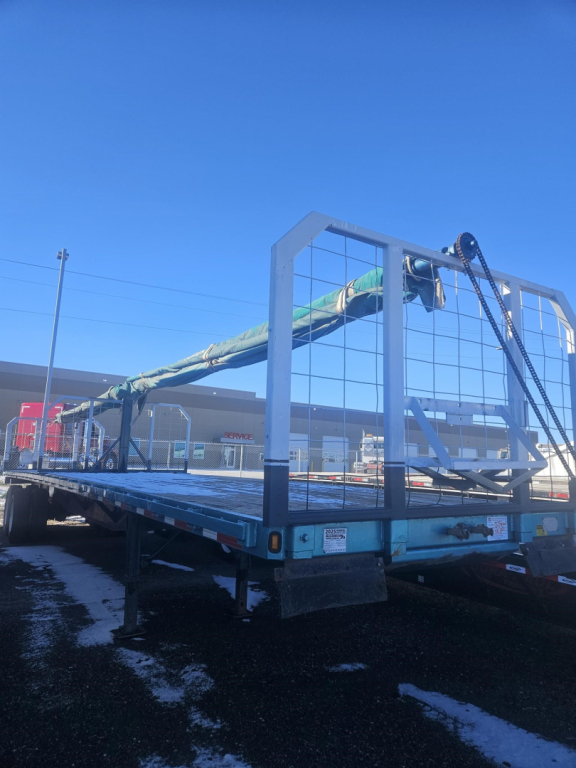
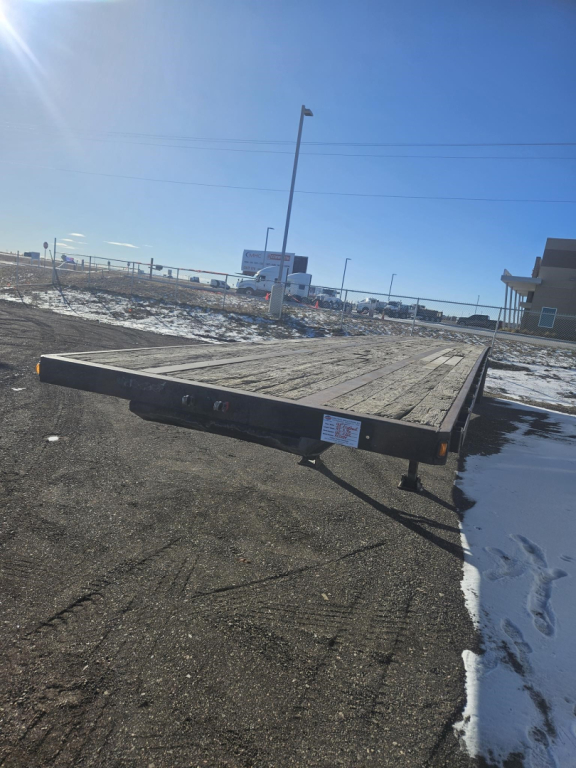
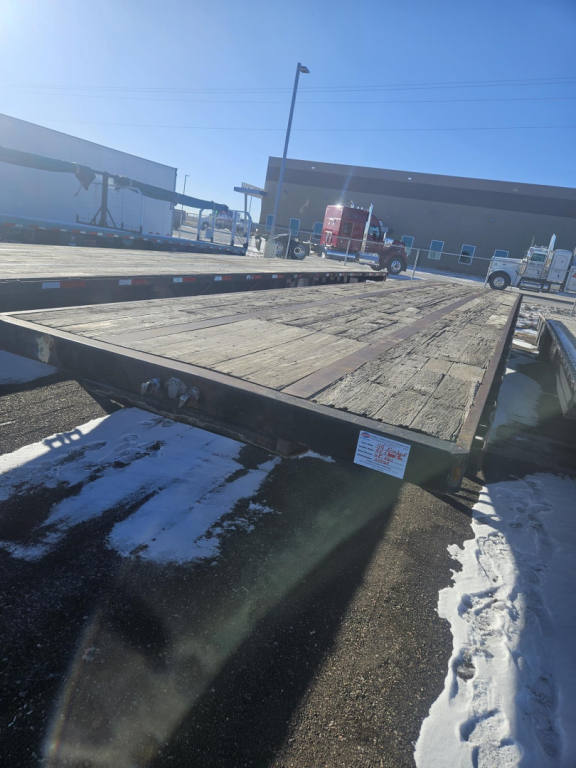
Selling a fruehauf flatbed trailer? List your fruehauf flatbed trailer for sale and reach thousands of commercial buyers.
Fruehauf Flatbed Trailers in Wyoming
A common configuration in this category is a 45-foot by 96-inch steel flatbed with steel main beams and side rails, a wood deck, stake pockets, and pipe spools. That setup gives you flexible securement options for mixed freight and irregular loads. Stake pockets are important if you plan to run side kits or need multiple tie-down positions. Pipe spools are useful for coil racks, straps, chains, and binders. Many Fruehauf trailers from the late 1990s also use a closed tandem slider and spring ride suspension, which keeps maintenance straightforward and parts sourcing relatively manageable. If you are comparing listings, inspect slider rail wear, locking pin engagement, spring hangers, crossmembers, and the condition of the kingpin area.
Deck and structure should drive the buying decision. A wood deck can be an advantage because damaged boards are easier to replace, but you still want to check for rot, fastener pull-through, soft spots, and crossmember corrosion underneath. On steel flatbeds, look closely at main beam flange condition, any signs of prior weld repair, and rust around the landing gear mounts, rear frame, and suspension connections. Wheel equipment also matters. Older trailers may be equipped with steel wheels and drum brakes, so brake shoe life, drum condition, hub seals, tire age, and axle alignment deserve a careful review. In a state like Wyoming, weather exposure and seasonal road treatment can accelerate corrosion, so underside inspection is not optional.
For buyers focused on application, a Fruehauf flatbed fits carriers that need an affordable, no-nonsense trailer for regional hauling, farm and ranch supply, construction material delivery, or occasional oversize support with the right permits and securement equipment. The main tradeoff versus newer aluminum or combo trailers is tare weight. A steel Fruehauf flatbed is typically heavier, but many operators accept that in exchange for lower acquisition cost and a rugged platform that can handle daily loading abuse. The best unit is usually the one with a straight frame, solid deck, functional slider, and clean maintenance history, not necessarily the newest paint.
Frequently Asked Questions about Fruehauf Flatbed Trailers in Wyoming
What should I inspect first on a used Fruehauf flatbed trailer?
Start with the structure. Check the main beams, crossmembers, kingpin plate, landing gear mounts, suspension hangers, and rear frame for cracks, corrosion, and poor repair work. After that, inspect the wood deck for rot or soft spots and verify that the tandem slider locks and moves correctly. Brake condition, tire age, axle alignment, and hub seal leaks are also high-priority items because they affect operating cost immediately.
Are older steel Fruehauf flatbeds still a good buy?
They can be, especially for buyers who want a lower-cost trailer for general freight and are comfortable evaluating condition carefully. Older steel flatbeds are usually heavier than newer aluminum or combo designs, but they are often straightforward to repair and well suited for demanding work. Value depends less on age and more on frame integrity, deck condition, brake and suspension health, and whether the trailer has been maintained instead of patched together.
Why do stake pockets and pipe spools matter on a flatbed trailer?
Stake pockets increase securement flexibility and allow the use of stakes, side kits, and additional tie-down points for different freight types. Pipe spools give you organized storage and easier access for straps, chains, and binders, which helps day-to-day efficiency. On a working flatbed, these features matter because they support faster loading, cleaner securement practices, and better adaptability across freight categories.
Is spring ride suspension a disadvantage on a flatbed trailer?
Not necessarily. Spring ride is common on older flatbeds because it is durable, simple, and generally less expensive to maintain than more complex suspension systems. The tradeoff is ride quality, which can be less forgiving on delicate freight or rough roads. For many steel flatbed applications, buyers accept spring ride because reliability and maintenance simplicity are more important than premium ride characteristics.
What flatbed specs are most common on older Fruehauf trailers?
A common setup is a 45-foot by 96-inch trailer with steel main beams and rails, a wood deck, tandem axles, and a sliding tandem assembly. Many also include stake pockets, pipe spools, spring ride suspension, and standard drum brake systems. Exact specs vary by year and prior use, so buyers should confirm trailer length, axle spacing, suspension type, deck material, and securement features on each listing.