
Wilson Trailers For Sale in Nebraska
Shop Wilson trailers for sale, including grain and hopper models known for lightweight aluminum construction and high resale value.
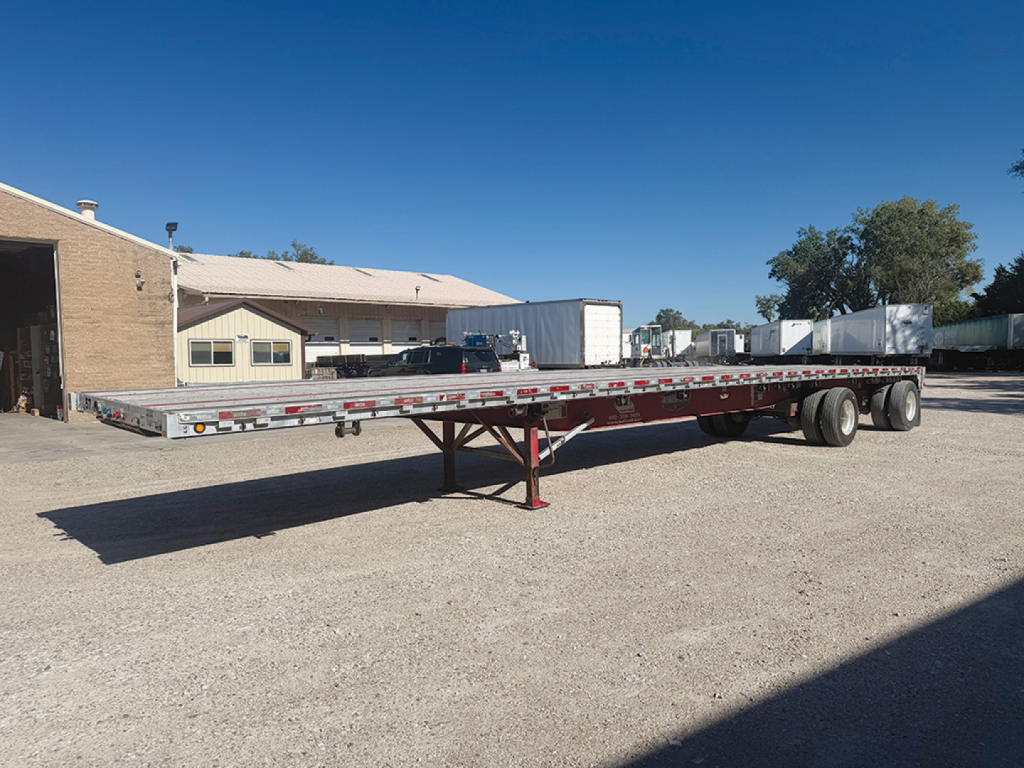
Selling a wilson trailer? List your wilson trailer for sale and reach thousands of commercial buyers.
Wilson Trailers in Nebraska
For many buyers, the first decision is configuration. On hopper bottoms, common specs include 42-foot, 43-foot, 45-foot, and 50-foot lengths, tandem or tri-axle layouts, air ride suspension, and side heights that affect cubic capacity and legal payload strategy. Nebraska operators often look closely at axle spread, lift axle setup, and tire size because bridge laws, field access, and seasonal road conditions can change what works best. Features such as electric or manual roll tarps, two-speed hopper doors, vibrators, ag hoppers, air scales, dump valves, ladders, and catwalks all affect day-to-day efficiency. Aluminum construction helps maximize net payload, but buyers should still inspect crossmembers, slope sheets, hopper traps, kingpin area, landing gear mounts, and radius panels for fatigue, prior repairs, or corrosion around fasteners and dissimilar metals.
Wilson hopper trailers are commonly chosen for grain, soybeans, corn, feed ingredients, and other free-flowing bulk products. That said, the right trailer depends on commodity type and unloading environment. A trailer set up for fast elevator turns may not be ideal for every farm-to-bin route, and trap design, ground clearance, and suspension height can matter when working uneven approaches or soft lots. If a trailer has an air lift axle, check how that affects tire wear, maneuverability, and legal payload distribution. If it has air scales, confirm calibration and sensor condition. Buyers hauling premium commodities may also pay attention to interior cleanliness, tarp sealing, and gate operation because contamination control and moisture protection directly affect load quality.
A Wilson trailer is often bought for long-term service, so condition and specification match should carry more weight than model year alone. Review brake type, wheel-end history, suspension bushings, subframe condition, and evidence of cracking near high-stress points. On aluminum grain trailers, straight lines, clean welds, and even door operation usually tell you more than fresh polish. For fleets and owner-operators alike, the best Wilson trailer is the one sized correctly for the commodity, legal in the states where it runs, and equipped to load, cover, scale, and unload with minimal downtime.
Frequently Asked Questions about Wilson Trailers in Nebraska
What are Wilson trailers best known for?
Wilson trailers are best known for lightweight aluminum construction, especially in hopper bottom grain trailers such as the Pacesetter. The brand has a strong reputation in agriculture because low trailer weight can increase legal payload, and aluminum construction resists rust better than steel in many hauling environments. Wilson trailers also tend to hold their value well in the used market, which is one reason they remain popular with grain haulers, feed operators, and regional fleets.
What should I inspect on a used Wilson hopper trailer?
Focus on structural condition and operating components before cosmetic appearance. Key inspection points include the kingpin area, crossmembers, slope sheets, hopper door frames, trap mechanisms, suspension mounts, landing gear brackets, and wheel ends. Look for cracked welds, patched aluminum, loose or elongated fastener holes, and uneven tire wear that may point to alignment or suspension issues. Also test tarp operation, door opening and closing effort, and any air scale or lift axle system if equipped.
Is a tri-axle Wilson hopper trailer better than a tandem?
A tri-axle can be a better fit when payload distribution, bridge compliance, or state-specific weight rules favor the extra axle. It may also help on certain routes where legal gross weight is easier to manage with a lift axle configuration. A tandem is usually lighter, simpler, and often easier to maintain. The better choice depends on the commodity, average haul distance, road restrictions, and where the trailer will be licensed and operated.
Why do grain haulers prefer aluminum Wilson trailers?
Grain haulers often prefer aluminum trailers because they reduce tare weight and help maximize the amount of product hauled within legal limits. Aluminum also offers strong corrosion resistance, which is valuable when trailers are exposed to weather, fertilizer residue, and repeated washdowns. In seasonal agricultural work, that combination of payload advantage and durability can improve revenue per trip and support longer service life.
Which features matter most on a Wilson grain trailer in Nebraska?
In Nebraska, buyers often pay close attention to axle setup, suspension type, side height, hopper door configuration, tarp system, and overall trailer weight. Tri-axle setups with air lift capability are common in some operations, while air ride suspension remains popular for ride quality and commodity protection. Features like electric roll tarps, vibrators, ag hoppers, ladders, catwalks, and air scales can make a meaningful difference in harvest efficiency, elevator turnaround, and daily unloading convenience.