
Wilson Flatbed Trailers For Sale in Nebraska
Shop Wilson flatbed trailers for sale in Nebraska. Compare aluminum 53-foot flatbeds with air ride, winch tracks, coil packages, and sliding axles.
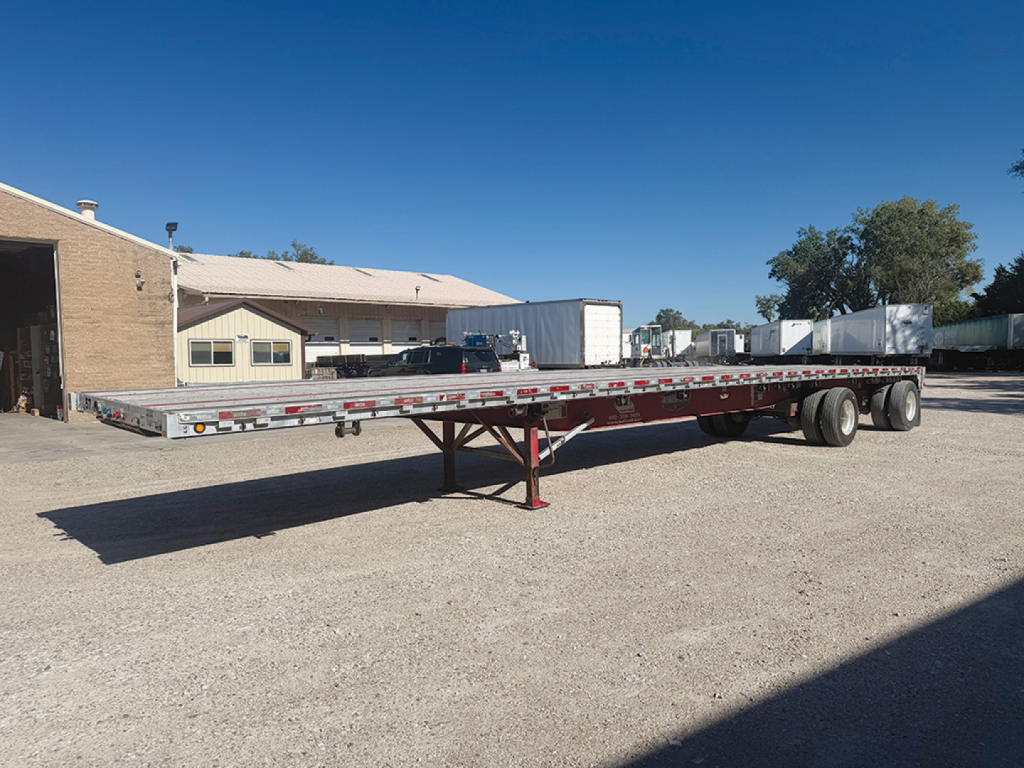

Selling a wilson flatbed trailer? List your wilson flatbed trailer for sale and reach thousands of commercial buyers.
Wilson Flatbed Trailers in Nebraska
One of the first things to evaluate on a Wilson flatbed is axle configuration. Spread axles are common because they help distribute weight and improve ride quality, especially with air ride suspension. A sliding rear axle adds flexibility for bridge law compliance and load positioning, which is useful when freight weights vary from trip to trip. Buyers should also pay close attention to wheel-end spec, tire size, and whether the trailer has aluminum disc wheels, dump valves, or other road-spec details that affect maintenance and operating cost. On open-deck equipment, a trailer that scales well and tracks straight under load often matters more than cosmetic condition.
Deck equipment and cargo securement features should match the freight mix. Nail strips are useful for lumber and mixed commodity work. Sliding winch tracks with multiple winches speed up securement and let drivers adapt strap placement to different load lengths. A coil package is important for steel haulers because it gives proper load positioning and securement capability for concentrated weight. Buyers should inspect the floor condition, crossmember integrity, rub rail, stake pockets, light package, and any signs of hard concentrated-loading use. On an aluminum flatbed, checking for prior repairs, cracked welds, and wear around high-stress areas is part of a serious evaluation.
Wilson flatbeds remain a practical choice for fleets and owner-operators who want a premium aluminum trailer for general freight, steel, and agricultural lanes. They are also commonly referred to as open-deck trailers or flatbed semitrailers. The best unit for the job usually comes down to tare weight, axle flexibility, deck configuration, and securement hardware rather than model name alone. If the work involves frequent reloading, multi-stop freight, or seasonal commodity changes, a well-spec'd Wilson flatbed with air ride, winch track, and coil capability gives a buyer a broad operating window without moving into a more specialized trailer type.
Frequently Asked Questions about Wilson Flatbed Trailers in Nebraska
What makes Wilson flatbed trailers popular with open-deck haulers?
Wilson flatbed trailers are widely recognized for aluminum construction that helps reduce tare weight without giving up the deck space and securement features needed for general freight. Lower empty weight can translate into more legal payload, which is a major advantage for steel, building materials, and agricultural shipments. Buyers also tend to value Wilson trailers for their strong resale market, common-spec configurations, and practical options such as air ride suspension, sliding winch tracks, and spread axles.
What size and configuration are most common on Wilson flatbed trailers?
A common Wilson flatbed spec is 53 feet long and 102 inches wide with an aluminum deck, tandem spread axle or sliding rear axle configuration, and air ride suspension. Many trailers in this class also include nail strips, stake pockets, rub rails, and winch tracks to support a wide range of freight. The exact configuration should be matched to the freight mix, legal routing requirements, and how often weight distribution changes from load to load.
Is a coil package necessary on a flatbed trailer?
A coil package is necessary if the trailer will regularly haul steel coils or other concentrated loads that require proper load placement and securement. It provides the setup needed to position the coil safely and helps prevent loading practices that can overstress the deck. If the trailer will only handle general commodity freight, a coil package may not be essential, but many buyers still prefer it because it adds flexibility for steel work later.
Why does a sliding rear axle matter on a flatbed trailer?
A sliding rear axle gives the operator more control over weight distribution and bridge law compliance. That flexibility is valuable when hauling mixed freight weights, unevenly distributed cargo, or loads that need to be positioned differently from one trip to the next. It can also help when adjusting the trailer for customer dock conditions, state routing requirements, or changes in securement layout.
What should buyers inspect on a used aluminum flatbed trailer?
Key inspection points include the aluminum floor, crossmembers, main frame structure, weld quality, suspension components, axle alignment, wheel ends, and all cargo securement hardware. Buyers should look closely for cracked welds, damage from concentrated loads, excessive wear around stake pockets and winch tracks, and signs of prior structural repairs. Electrical components, lights, dump valves, and tire condition also deserve attention because open-deck trailers often see heavy duty cycles and exposure to weather year-round.