
Wilson Flatbed Trailers For Sale
Shop Wilson flatbed trailers with common specs like 48x102 dimensions, combo construction, spread axles, and air ride suspension.
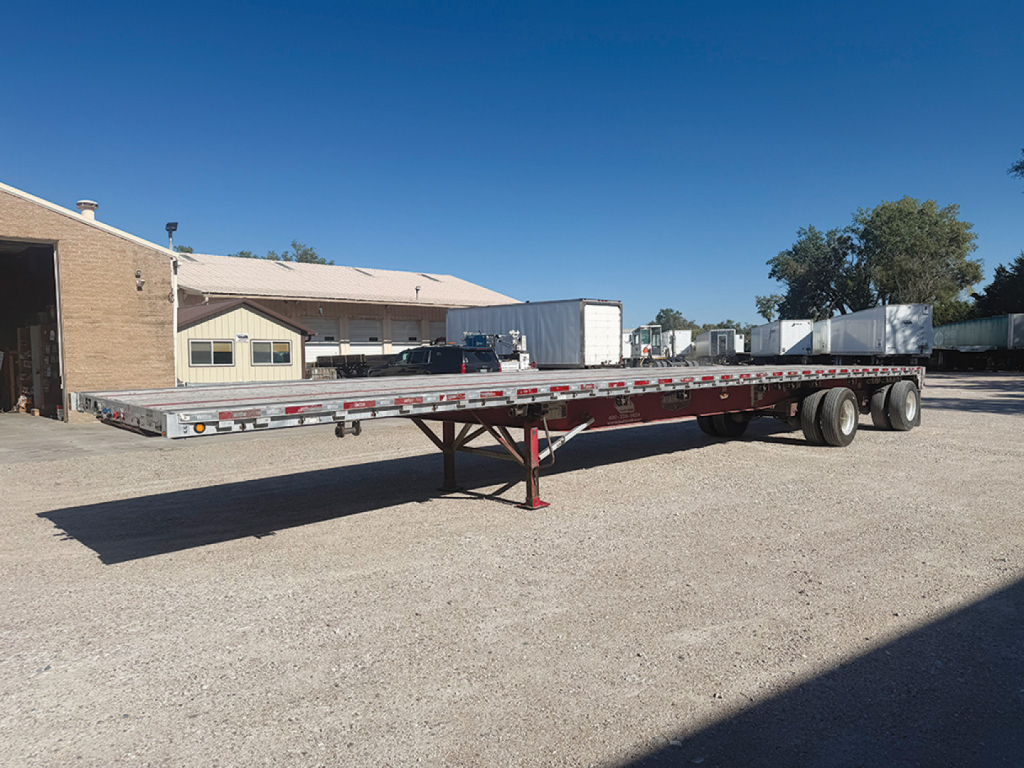

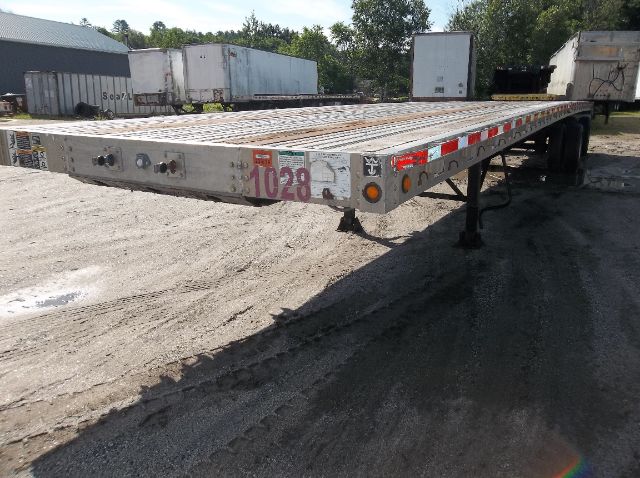

Selling a wilson flatbed trailer? List your wilson flatbed trailer for sale and reach thousands of commercial buyers.
Wilson Flatbed Trailers
A common Wilson spec is combo, or combination, construction, which typically pairs an aluminum trailer design with steel reinforcements in high-stress areas. That setup helps keep tare weight down without giving up too much structural strength where it matters. Spread axle configurations are especially common on Wilson flatbeds because they can improve weight distribution and stability, though they also add tire scrub in tight turns and may matter differently depending on state bridge rules. Air ride suspension is another frequent spec and is preferred for freight that benefits from a smoother ride, including finished materials, crated equipment, and higher-value loads.
On used Wilson flatbeds, inspect the aluminum floor, crossmembers, side rails, and rear structure closely. Winch tracks, sliding winches, landing gear, mudflap brackets, and the fifth wheel plate area all deserve attention because they see regular wear in real service. Tire size, including low-profile 22.5 setups on some trailers, can affect deck height and loading angle, so that detail is worth checking if the trailer will handle forklifts, equipment, or height-sensitive freight. Buyers should also confirm axle setup, brake condition, and any repairs around the kingpin and upper coupler structure.
Wilson flatbeds fit fleets and owner-operators that need a versatile open trailer without stepping into a specialized platform like a step deck or double drop. They are also commonly called flatbed trailers or open-deck trailers. The right trailer depends on the freight mix more than the badge on the nose. For dense freight, empty weight and legal payload matter most. For mixed freight, securement options such as winches, rub rail condition, stake pockets, and chain tie-down points become more important. A well-spec'd Wilson flatbed can cover a broad range of lanes and shippers with fewer compromises than many heavier platform trailers.
Frequently Asked Questions about Wilson Flatbed Trailers
What is a Wilson combo flatbed trailer?
A Wilson combo flatbed is a flatbed trailer built with combination construction, typically using aluminum for lower weight and steel in key reinforcement areas. This design helps improve payload capacity while maintaining strength in high-stress points such as the neck, suspension area, and other structural zones. Combo construction is a common choice for carriers that want a balance of durability, lower tare weight, and good long-term operating economics.
Are spread axle Wilson flatbeds better than closed tandem setups?
Spread axle Wilson flatbeds can offer better weight distribution and a stable feel under many loads, which is why they are common in open-deck freight. They can also help with legal loading in certain applications. The tradeoff is increased tire scrub in tight turns, possible limits in some delivery environments, and different bridge law implications depending on the states you run. The better setup depends on freight type, route profile, and how often the trailer will maneuver in confined spaces.
What should I inspect on a used Wilson flatbed trailer?
Pay close attention to the floor, crossmembers, side rails, rub rails, stake pockets, and rear impact area. On aluminum and combo trailers, look for repairs, cracks, corrosion at mixed-metal contact points, and signs of heavy forklift traffic. Also inspect the kingpin, upper coupler, landing gear, suspension, brakes, wheel ends, and tire wear pattern. Securement equipment such as sliding winches and winch tracks should move and lock correctly because replacement costs add up quickly.
Why are 48x102 Wilson flatbeds so common?
The 48-foot by 102-inch flatbed remains one of the most widely used trailer sizes in general freight because it handles a broad range of legal loads and loading dock conditions. It is long enough for most steel, lumber, machinery, and palletized shipments while staying familiar to shippers, drivers, and dispatchers across regional and over-the-road operations. That common footprint also makes it easier to compare used trailers and find parts, tires, and service support.
Is air ride suspension important on a flatbed trailer?
Air ride suspension is a valuable spec on a flatbed because it helps reduce shock and vibration transmitted to the cargo. That matters for freight such as finished products, crated machinery, fabricated metal, and materials that can shift or suffer cosmetic damage during transport. Air ride can also improve overall trailer handling and ride quality. For many buyers, it is a preferred feature rather than a luxury, especially on lanes with mixed freight or rough road conditions.