
New 2027 Vacuum Trailers For Sale in Colorado
Compare new 2027 vacuum trailers for sale in Colorado by tank capacity, axle layout, pump performance at elevation, and cold-weather protection.
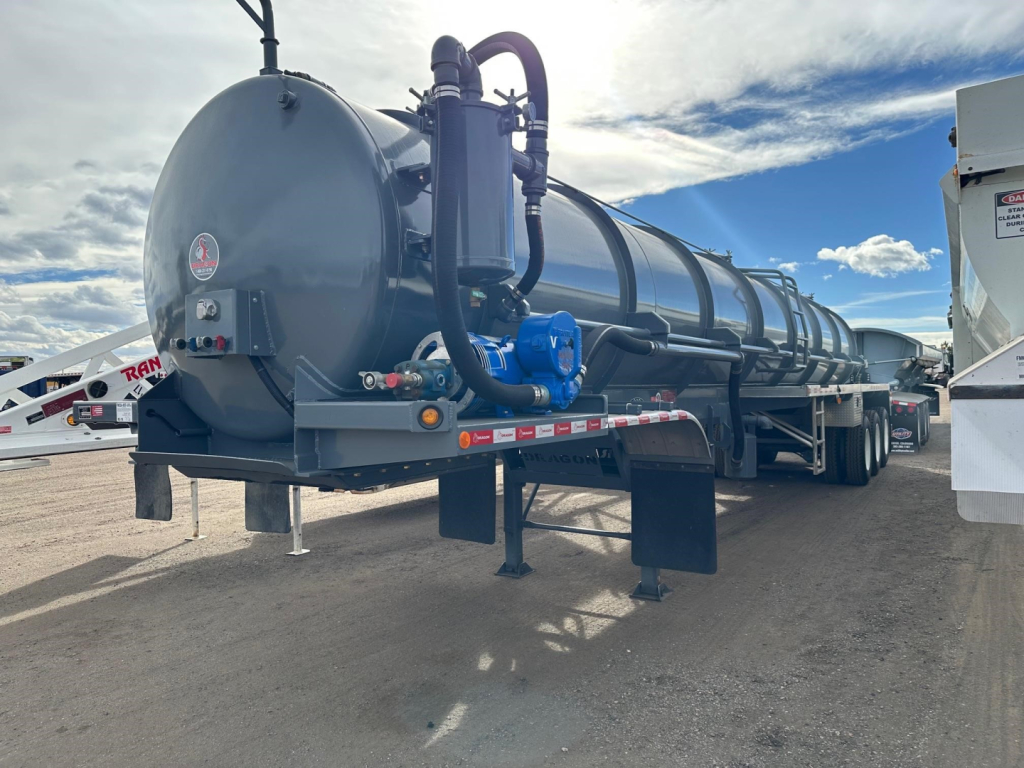
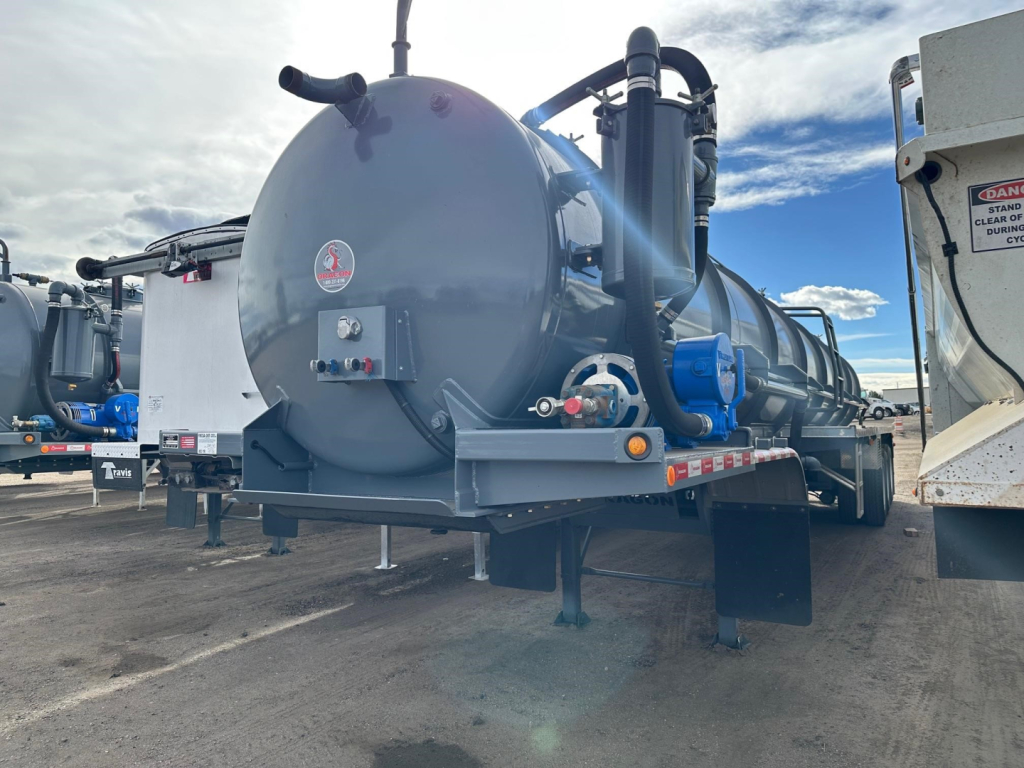
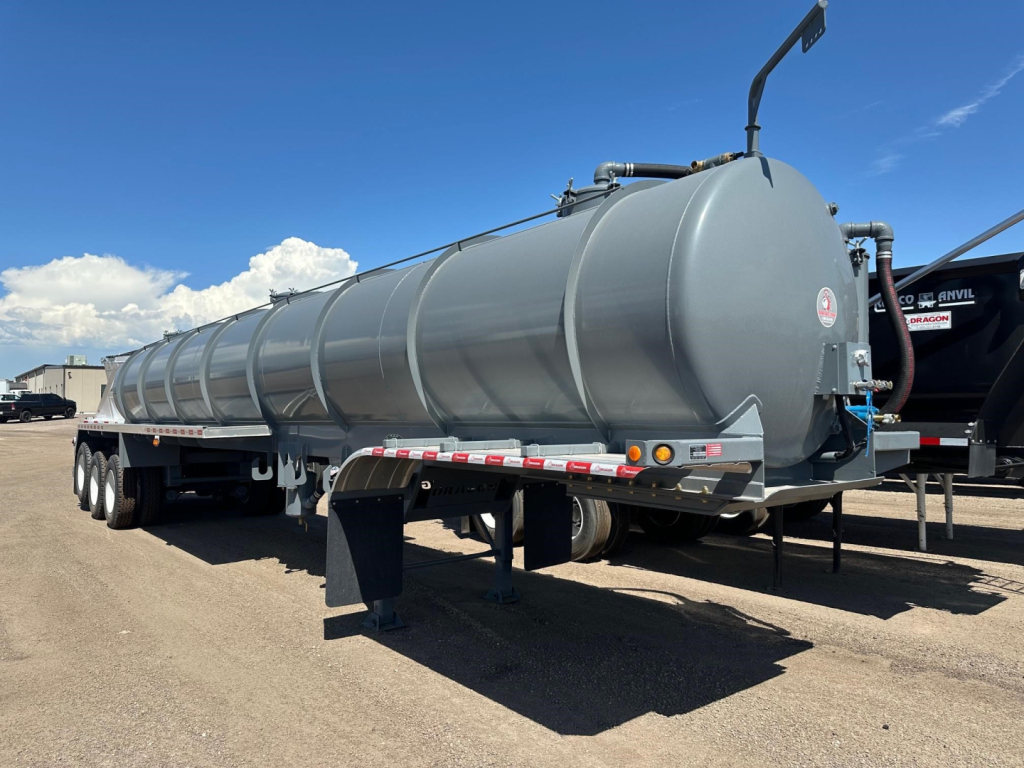
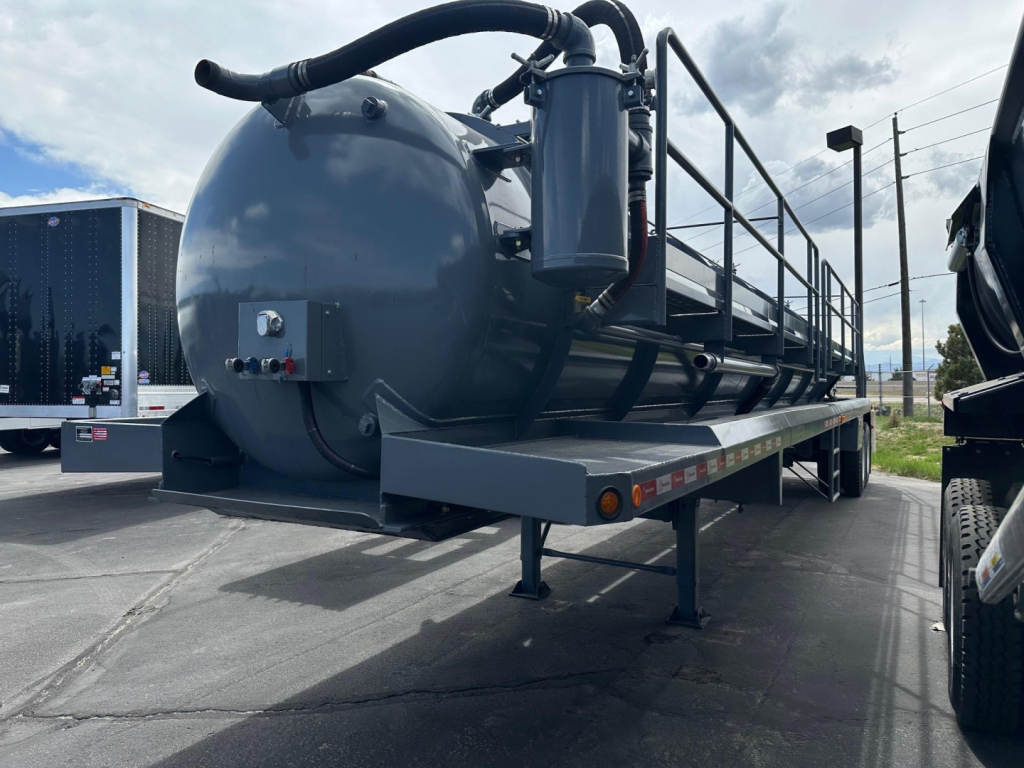
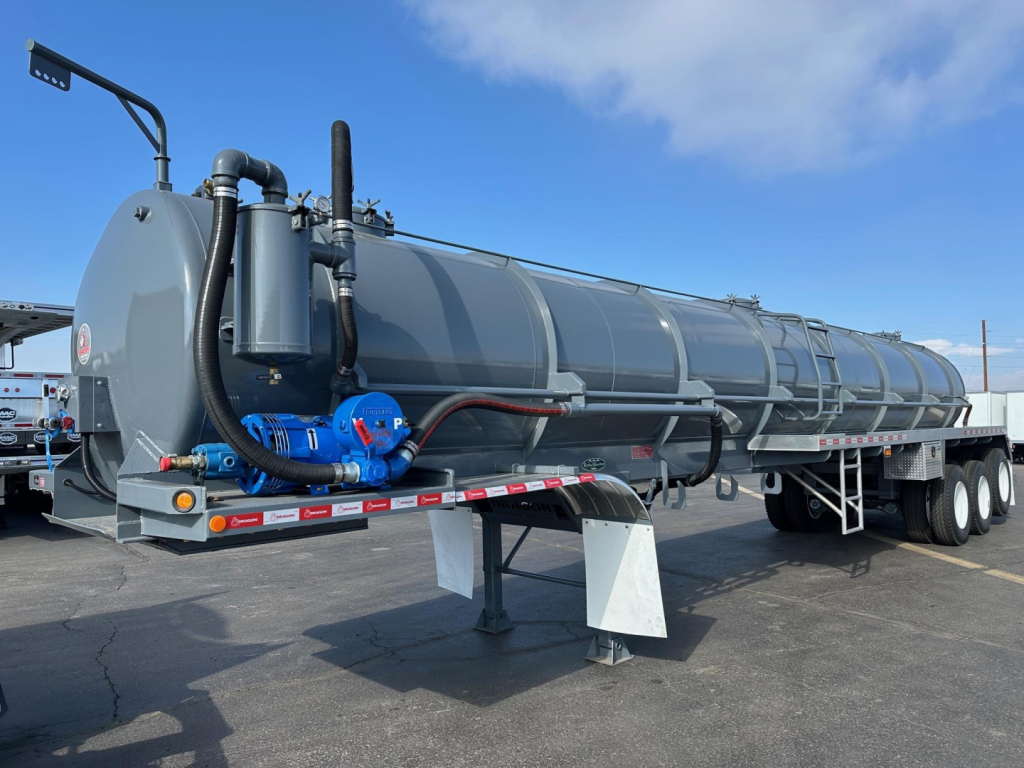
Selling a new 2027 vacuum trailer? List your new 2027 vacuum trailer for sale and reach thousands of commercial buyers.
New 2027 Vacuum Trailers in Colorado
Frequently Asked Questions about New 2027 Vacuum Trailers in Colorado
How many gallons are in a 130-barrel or 165-barrel vacuum trailer?
A 130-barrel vacuum trailer holds 5,460 US gallons, while a 165-barrel tank holds 6,930 US gallons, using 42 US gallons per barrel. Those are volume ratings, not legal payload ratings. Water alone weighs about 8.34 pounds per gallon, and brine or solids can weigh more. Calculate cargo weight from actual fluid density before choosing tank capacity for Colorado work.
Does a tri-axle vacuum trailer automatically allow a heavier load in Colorado?
No. A tri-axle vacuum trailer does not automatically qualify for a higher legal gross weight in Colorado. Use 80,000 pounds as the standard Interstate gross-weight baseline, then verify bridge-formula compliance, axle limits, registration, and any applicable exceptions with CDOT. Extra axles can improve weight distribution, but a lift axle must carry the intended load and satisfy applicable spacing requirements.
Does a non-code vacuum trailer qualify as a DOT-specification cargo tank?
No. A non-code vacuum trailer is not a DOT-specification cargo tank, regardless of its 2027 model year or oilfield configuration. Classify the actual produced water or waste stream, including flammable constituents, before assigning a trailer. Confirm whether the cargo requires a specification tank, and verify material compatibility for the shell, lining, valves, and seals. Colorado waste-management requirements may also apply to the material and destination.
What pump setup works best for a vacuum trailer at Colorado elevations?
Size a vacuum trailer's pump for the highest operating elevation, actual hose run, and liquid lift, not just advertised airflow. Lower atmospheric pressure reduces achievable suction lift at elevation. Ask the pump manufacturer for performance at the jobsite elevation, continuous-duty limits, and cold-start oil recommendations. Confirm whether the ordered trailer includes a PTO-driven pump, hydraulic drive, or auxiliary engine, because tractor compatibility and emissions obligations differ.
What should I inspect before accepting a new 2027 vacuum trailer?
Witness a manufacturer-approved leak and pump-function test before accepting a new 2027 vacuum trailer. Have the manufacturer demonstrate relief devices, overfill protection, gauges, valves, and any lift-axle controls according to the operating manual. Inspect welds, hose connections, brake plumbing, ABS operation, and protective coatings. Record the VIN and pump serial number, obtain the tank's pressure and vacuum ratings, and document warranty start dates and responsibility for tank, running gear, and pump claims.