
Used 2019 Utility Trailers For Sale in Georgia
Shop used 2019 Utility trailers in Georgia. Compare dry van specs, composite wall options, dimensions, suspension, and condition factors.
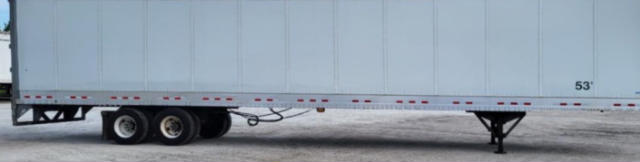
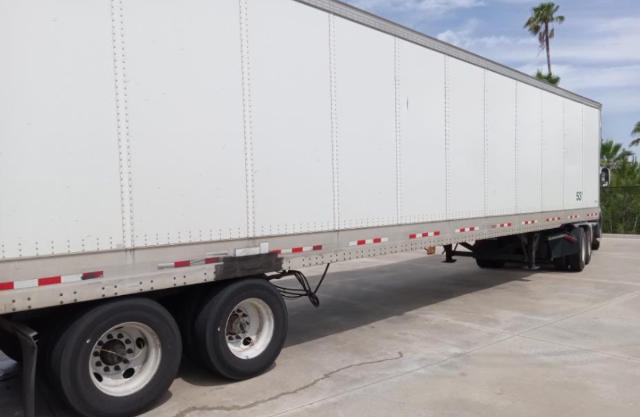
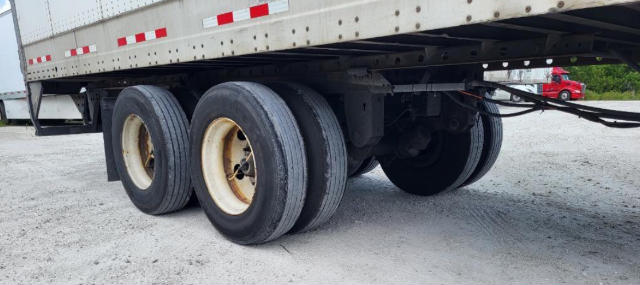
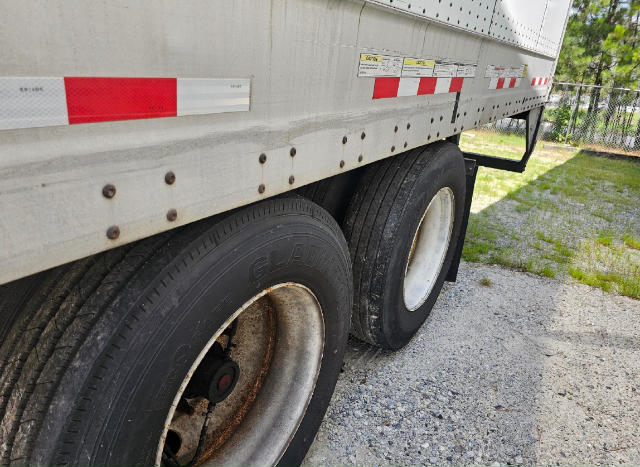
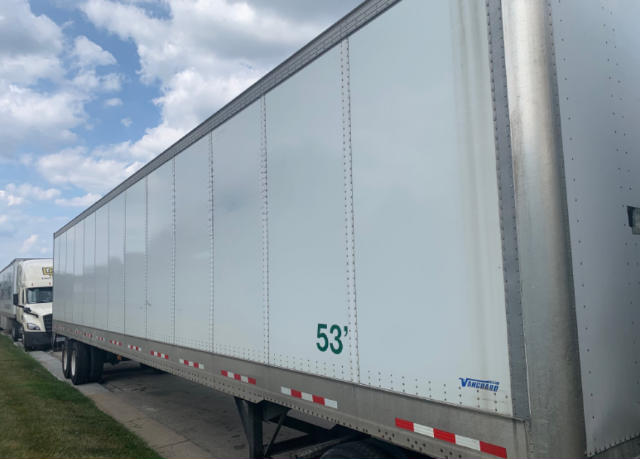
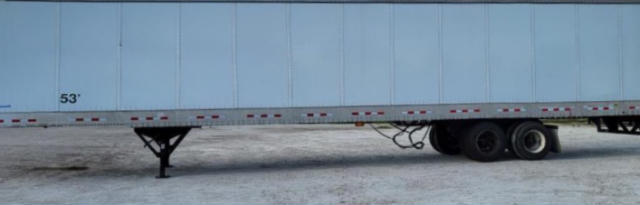
Selling a used 2019 utility trailer? List your used 2019 utility trailer for sale and reach thousands of commercial buyers.
Used 2019 Utility Trailers in Georgia
A 2019 model year sits in a useful range for many fleets because it is modern enough to include current trailer spec preferences without carrying new-equipment pricing. Key items to compare are sidewall construction, roof material, floor rating, rear frame condition, and suspension setup. Utility composite-side dry vans are popular because they balance weight and durability, while floor thickness and crossmember spacing matter if the trailer will see heavy pallet jack traffic or concentrated freight. Buyers should also look closely at swing door hardware, scuff liners, logistics posts, tire size, wheel type, and whether the trailer has aerodynamic side skirts or a trailer tail for fuel-sensitive operations.
Georgia buyers often pay close attention to lane mix, humidity, and the amount of dock work a trailer has seen. A trailer that has spent years in dense distribution service may show more wear at the threshold plate, rear sill, and nose area than a similar-age unit running more highway miles. Brake type, ABS function, air ride versus spring ride, and overall tire condition are central inspection points, along with roof repairs, sidewall patches, and signs of water intrusion. If the trailer is intended for shipper pools or drop-and-hook work, door seal condition, landing gear operation, and ICC bumper integrity deserve extra scrutiny.
For many operations, the value of a used 2019 Utility trailer comes down to matching the build to the freight. A lightweight dry van may improve payload flexibility, while a heavier-spec trailer may hold up better in demanding multi-stop service. Buyers comparing listings should focus less on paint and more on maintenance history, prior fleet use, VIN-spec details, and evidence of structural repairs. When the dimensions, suspension, floor capacity, and interior condition line up with the job, a 2019 Utility dry van can still be a very productive trailer class for regional or over-the-road service.
Frequently Asked Questions about Used 2019 Utility Trailers in Georgia
What should I inspect first on a used 2019 Utility trailer?
Start with the structural and wear components that affect uptime and repair cost. Check the floor for rot, soft spots, delamination, or heavy forklift damage. Inspect the rear frame, threshold, roof bows, sidewalls, crossmembers, landing gear, and suspension for cracks, patches, or corrosion. Then confirm the brakes, tires, hubs, lights, ABS, and door hardware are in serviceable condition. Cosmetic condition matters less than evidence of sound structure and consistent maintenance.
Are 2019 Utility trailers typically dry vans or refrigerated trailers?
In most used trailer listings under the Utility category, buyers are usually looking at dry van trailers, especially 53-foot freight vans. Utility also builds refrigerated trailers, but those are generally listed under reefer or refrigerated categories. A dry van Utility trailer is commonly used for boxed freight, consumer goods, and palletized freight that does not require temperature control.
What specs matter most when comparing used Utility dry vans?
The most important specs are trailer length, sidewall construction, floor type and rating, suspension, axle setup, door configuration, and tare weight. Buyers should also compare roof construction, logistics track or posts, scuff liner height, tire and wheel package, and any aerodynamic equipment. These details affect payload, durability, repair costs, and how well the trailer fits a specific freight profile.
Is a 2019 Utility trailer a good age for fleet use?
A 2019 model year is often a practical middle ground for fleets that want a newer trailer design without the price of a late-model replacement. Many 2019 trailers still fit current customer expectations for dimensions and operating spec, but actual value depends on service history and condition. A well-maintained fleet trailer from 2019 can offer strong remaining service life, while a hard-used unit may need significant floor, brake, suspension, or door work.
Why do composite-side Utility trailers remain popular on the used market?
Composite-side dry vans remain popular because they help reduce tare weight while still delivering good durability for general freight service. They are widely accepted across shipper networks and are supported by established repair channels and parts availability. For many carriers, that combination of usable payload, service familiarity, and resale strength makes a used Utility composite van an efficient equipment choice.