
Used Utility Trailers For Sale
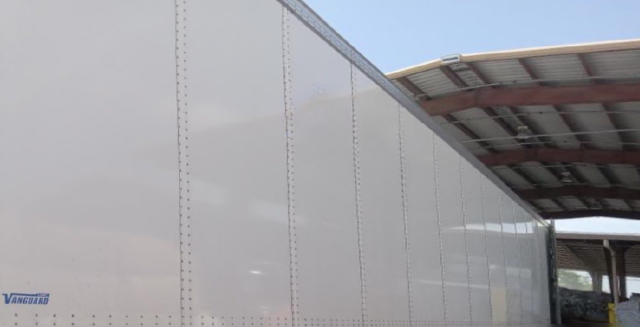
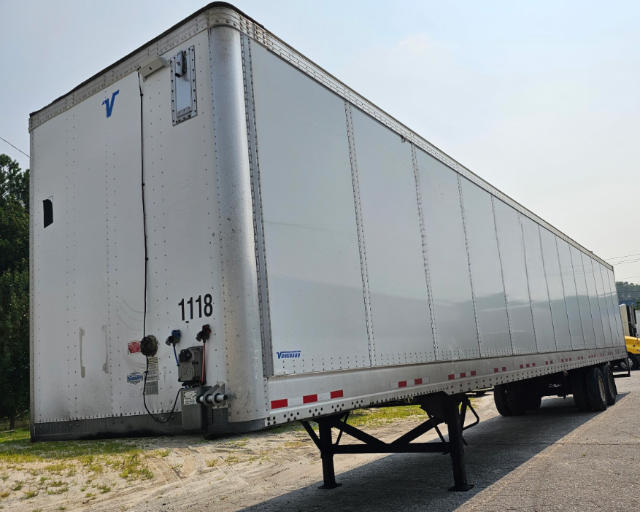
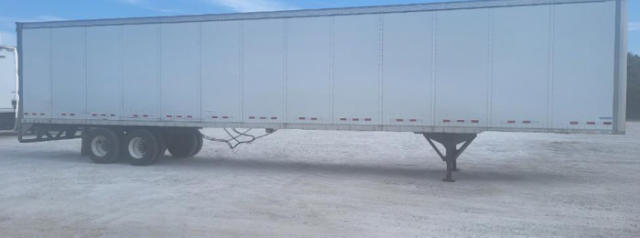
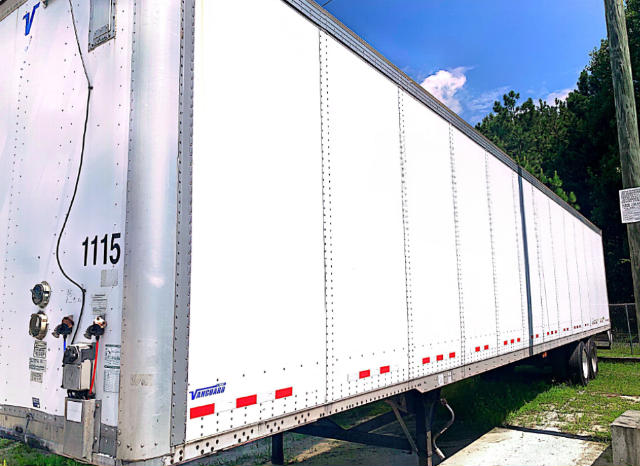
Shop used utility trailers, including dry vans and reefer-ready specs. Compare composite construction, dimensions, axle setups, and fleet-grade features.
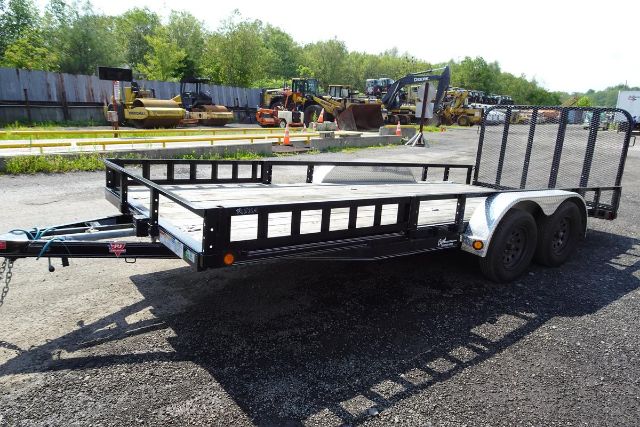
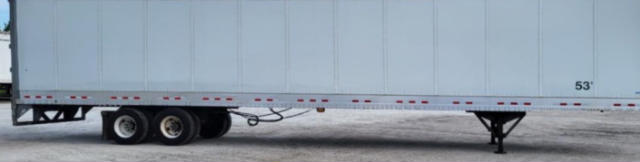
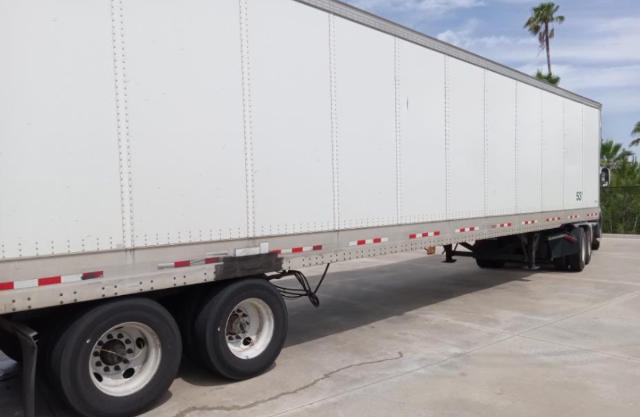
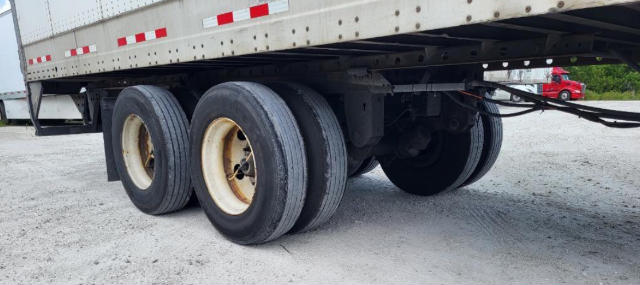
Selling a used utility trailer? List your used utility trailer for sale and reach thousands of commercial buyers.
Used Utility Trailers
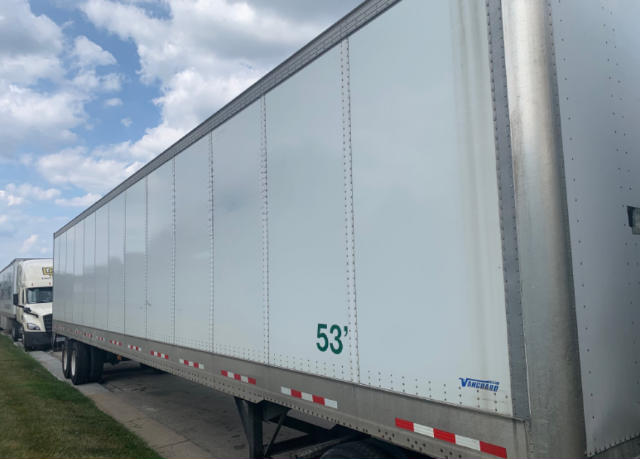
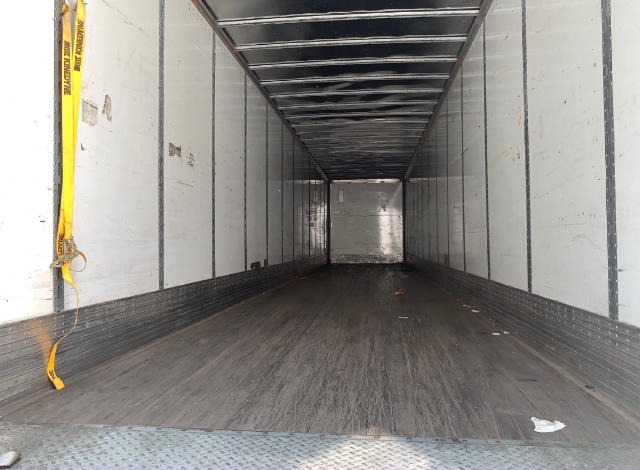
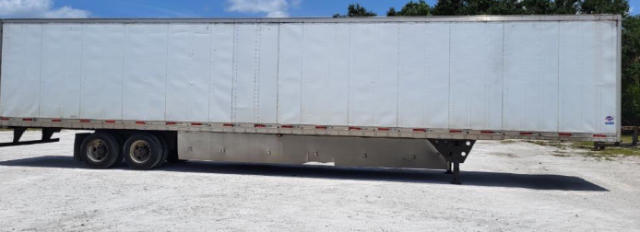
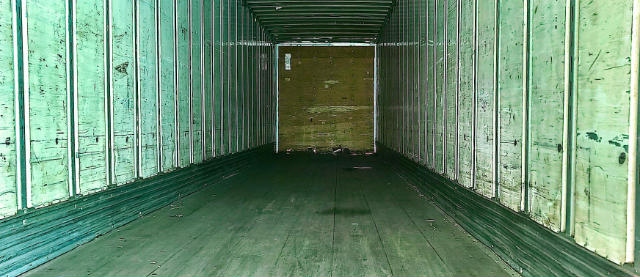
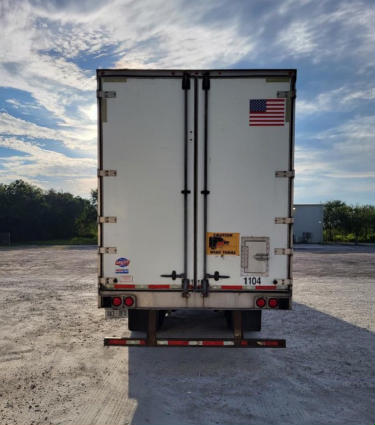
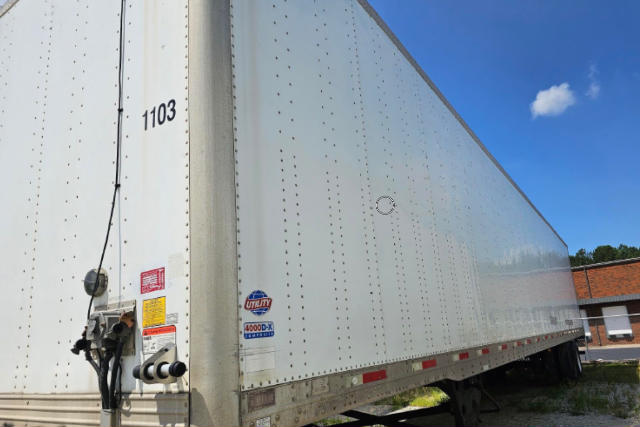
One of the first decisions is body construction. Utility 4000-series dry vans are well known for lightweight designs that may use composite sidewalls, aluminum roof construction, and durable floor systems intended for high-cycle fleet service. Composite models can help with tare weight while still offering good sidewall durability for distribution work. Buyers should pay close attention to interior height, rear door opening, roof condition, scuff liners, crossmember spacing, floor wear around forklift traffic lanes, and any signs of sidewall delamination or prior structural repair. If the trailer has spent years in grocery, retail, or LTL service, door hardware, threshold plates, and nose structure deserve a close inspection.
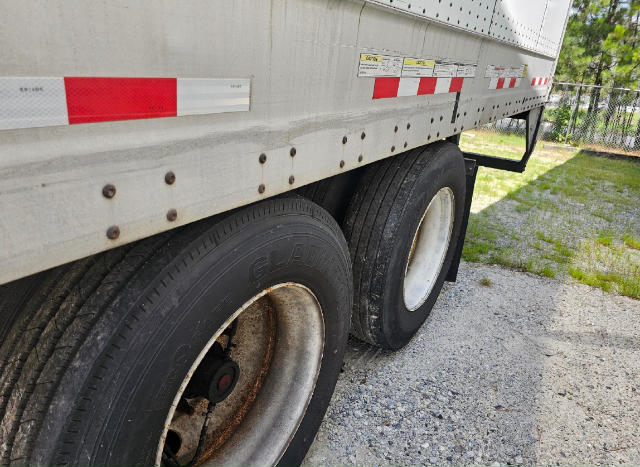
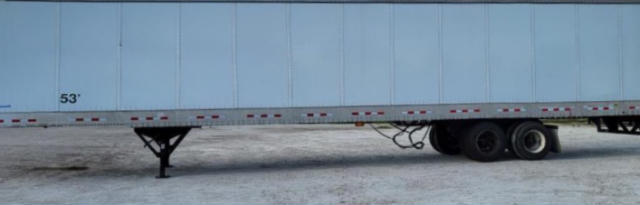
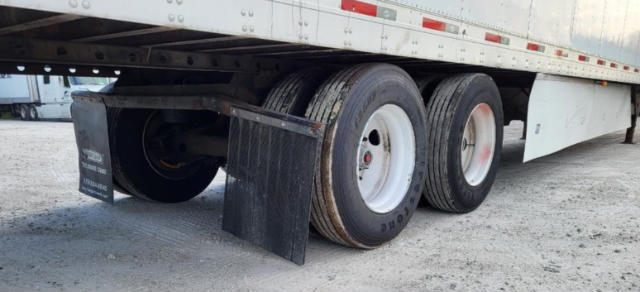
Running gear and spec details matter just as much as the box. Common used utility trailer specs include air ride suspension, slider tandems, steel or aluminum wheels, anti-lock brakes, and 22.5-inch wheel and tire packages. Some units may also have tire inflation systems, aerodynamic side skirts, trailer tails, interior duct options, or reefer-prep configurations depending on prior application. Used buyers should verify axle spread, suspension type, brake lining life, tire age, hub condition, and slider operation. If the trailer will be assigned to heavy cube freight, regional multi-stop work, or drop-and-hook service, door cycle wear, landing gear condition, and kingpin plate wear become especially important.
A good used utility trailer can still deliver strong service life if the spec matches the lane and loading pattern. For long-haul dry freight, low tare weight and aerodynamic equipment can help operating costs. For urban and regional freight, durability at the rear frame, floor, and dock impact points usually matters more. Buyers comparing used units should look beyond model year and focus on maintenance history, prior fleet application, repair quality, and how the trailer was configured from the factory. Those factors often tell you more about remaining value than the badge on the nose.
Frequently Asked Questions about Used Utility Trailers
What is a used utility trailer in the commercial trucking market?
In the commercial market, a used utility trailer often refers to a trailer built by Utility Trailer Manufacturing, especially dry van and reefer-style van trailers such as the 4000-series. It can also be used more generally by shoppers searching for van trailers suited to general freight. Most buyers in this category are looking at 53-foot tandem axle dry vans with fleet-oriented specs for dock loading, pallet freight, and over-the-road service.
What should I inspect first on a used Utility 4000 D-X Composite trailer?
Start with the sidewalls, roof, floor, rear frame, and running gear. On a composite trailer, check for delamination, patched wall sections, bow damage, and signs of water intrusion. Then inspect floor wear in forklift lanes, crossmembers, door frame alignment, landing gear, slider function, brake condition, tire condition, and kingpin plate wear. These items usually reveal how hard the trailer was worked and how much repair expense may be coming.
Are composite dry van trailers a good choice used?
Yes, a composite dry van trailer can be a very good used purchase when the structure is sound and repairs were done correctly. Composite construction can reduce tare weight and support better payload efficiency, which matters in high-cube freight and long-haul service. The key is to verify wall condition, roof integrity, and floor strength, because structural damage or poor repairs can offset the benefits of a lighter trailer.
What specs matter most when comparing used utility trailers?
The most important specs depend on the freight and route, but buyers usually compare trailer length, interior height, suspension type, tandem slider setup, door style, floor rating, wheel material, and aerodynamic equipment. Tire inflation systems, side skirts, scuff liners, and ducted interiors may also matter depending on the application. For fleet service, maintenance records and evidence of consistent PM support are often as important as the original factory spec.
How long can a used utility trailer stay productive in fleet service?
A used utility trailer can remain productive for many years if the frame, body, floor, and running gear are still sound and the trailer has been maintained properly. Dry van trailers in disciplined fleet service often continue working well past their first ownership cycle. Remaining life depends less on age alone and more on prior application, loading damage, corrosion exposure, accident history, and the quality of repairs and preventive maintenance.