
Used Utility Utility Trailers For Sale
Browse used Utility trailers, including 4000 D-X Composite models, with specs and features important to dry van fleet and owner-operator buyers.

Selling a used utility utility trailer? List your used utility utility trailer for sale and reach thousands of commercial buyers.
Used Utility Utility Trailers
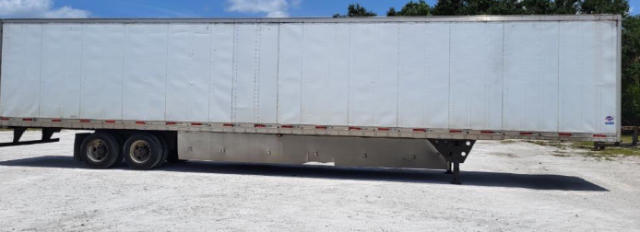
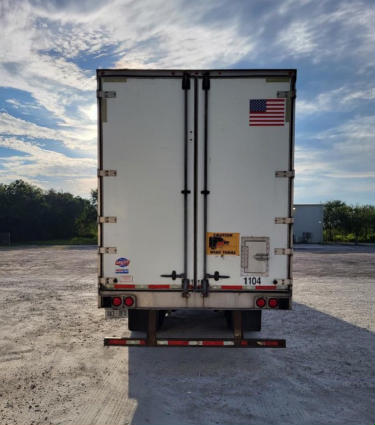
A buyer comparing used Utility dry vans should pay close attention to trailer length, axle configuration, suspension type, door style, and floor condition. Most are 53-foot tandem axle van trailers, often set up with air ride suspension, swing doors, and duct floors or flat floors depending on the freight profile. Composite trailers can offer a good balance of weight and durability, but interior wall condition, scuff liner wear, roof repairs, rear frame damage, and crossmember integrity matter more than the badge on the nose. Check for previous patchwork around the nose, door frame alignment, ICC bumper condition, and signs of water intrusion that can affect both freight protection and long-term trailer value.
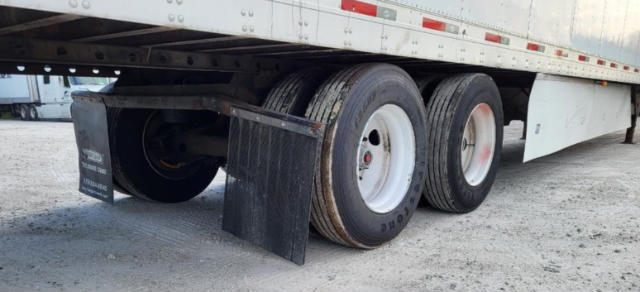
Utility trailers are often chosen for high-cube dry freight, palletized goods, consumer products, and dedicated lane work where cube efficiency and dependable uptime matter. A used unit with logistics posts, E-track, or a clean interior may be a better fit for multi-stop or mixed freight service than a basic spec trailer. Tire condition, brake life, wheel-end history, ABS function, and compliance items such as DOT inspection status can have a direct effect on near-term operating cost. Buyers running heavier freight should also confirm GVWR, floor rating, and kingpin setting to make sure the trailer matches axle laws, dock geometry, and tractor wheelbase requirements.
On the resale side, Utility remains a recognizable trailer brand, which can help when it is time to rotate equipment out. That said, the best used trailer is usually the one with a documented maintenance history, a straight frame, and a spec that matches the freight. If the trailer will stay in regional shuttle service, cosmetic wear may matter less than brake and suspension condition. If it is headed into food-grade or higher-visibility contract freight, interior cleanliness, lining condition, and leak-free roof and door seals move higher on the list.
Frequently Asked Questions about Used Utility Utility Trailers
What is a Utility 4000 D-X Composite trailer?
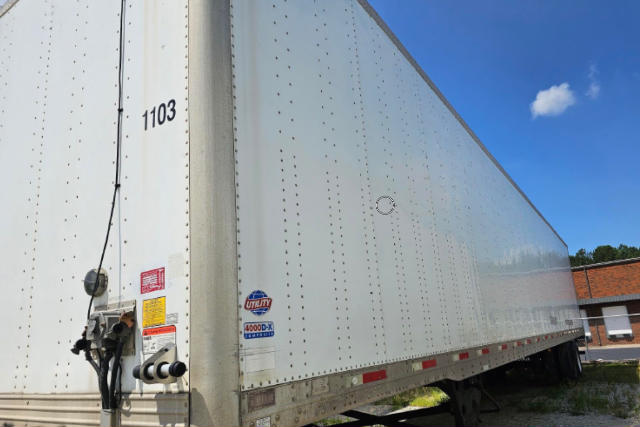
The Utility 4000 D-X Composite is a dry van trailer built with composite sidewall construction, commonly used in general freight and distribution service. It is known for relatively light weight, good cube capacity, and broad acceptance in fleet applications. In the used market, these trailers are often found in 53-foot tandem axle configurations with specs suited for over-the-road or regional van freight.
What should I inspect first on a used Utility dry van trailer?
Start with the structural and operating items that affect safety and repair cost. Look closely at the floor, crossmembers, sidewalls, roof, rear frame, door hardware, suspension, brakes, tires, and wheel ends. A trailer with a clean exterior but hidden floor fatigue or rear frame damage can become more expensive than a higher-mileage unit with documented maintenance and sound structure.
Are composite-sided Utility trailers durable enough for heavy freight?
Composite-sided Utility trailers are widely used in demanding freight applications, but durability depends on the trailer's original spec and how it was maintained. Heavy concentrated loads, frequent forklift traffic, and repeated dock impact create wear that shows up in floors, scuff areas, door frames, and lower sidewall sections. Buyers hauling dense freight should verify floor rating, inspect for wall damage, and confirm the trailer is suited to the intended load profile.
What trailer specs matter most for dry van operations?
The most important specs usually include trailer length, suspension type, door configuration, floor type, interior securing options, and overall tare weight. Kingpin setting and axle spread also matter because they affect bridge compliance, turning characteristics, and how the trailer matches a specific tractor. The right spec depends on whether the trailer will be used for linehaul, dedicated contract freight, multi-stop delivery, or warehouse shuttle work.
Why do many buyers look for used Utility trailers specifically?
Utility has strong market recognition in the van trailer segment, and that matters for parts access, service familiarity, and resale confidence. Many fleets already know how these trailers hold up in regular service, which makes it easier to evaluate used units. Buyers often target the brand because it is common in dry van operations and because proven fleet trailer models tend to have predictable maintenance patterns.