
Used 2014 Utility Utility Trailers For Sale
Browse used 2014 Utility trailers, including 4000 D-X Composite dry vans, built for freight efficiency, low tare weight, and fleet durability.

Selling a used 2014 utility utility trailer? List your used 2014 utility utility trailer for sale and reach thousands of commercial buyers.
Used 2014 Utility Utility Trailers
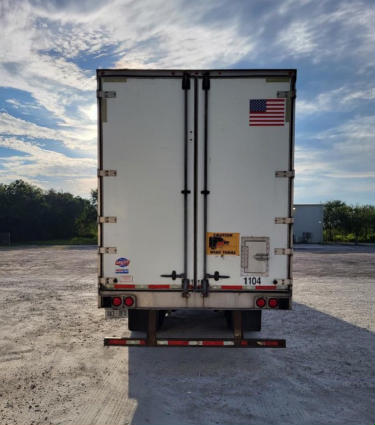
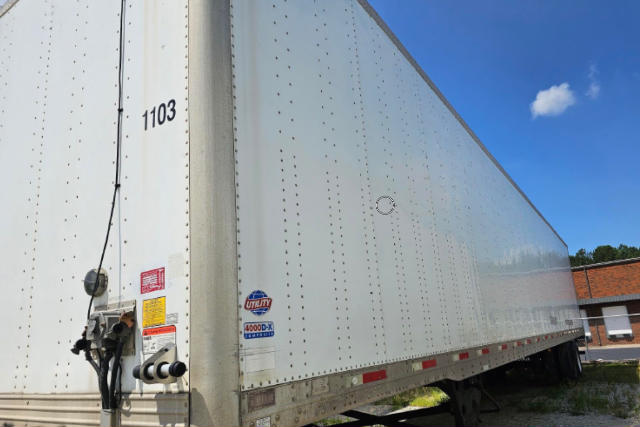
The 4000 D-X Composite is typically a 53-foot dry van trailer with swing doors, logistics posts, hardwood or laminated flooring, and a tandem slider setup. Common specs include air-ride suspension, aluminum roof bows, LED lighting, and standard dock-height dimensions that work across general freight, retail, and distribution applications. Composite plate sidewalls are a major selling point because they resist many of the dents and scuffs that show up on sheet-and-post trailers, while still keeping weight under control. Buyers should still inspect the rear frame, door frame, crossmembers, upper rail, floor condition, and slider box closely, especially on trailers that have spent years in heavy dock service.
A used 2014 Utility trailer makes sense for dry freight carriers hauling palletized goods, packaged food, paper products, consumer products, and other non-temperature-sensitive cargo. These trailers are common in truckload, dedicated, and regional distribution operations because they load easily, track well, and match a wide range of tractor specs. If the trailer will stay in a drop-and-hook environment, pay close attention to door operation, ICC bumper condition, ABS function, tire wear patterns, and signs of previous impact damage. Fleets that run long miles may also want to verify wheel-end service history, brake lining life, and whether the trailer has tire inflation systems or other spec upgrades.
When comparing one used 2014 Utility against another, condition matters more than the badge on the nose. Look at maintenance records, prior fleet ownership, VIN history, and signs of structural repair before focusing on cosmetic appearance. A clean roof, dry interior, solid floor, straight frame rails, and even tire wear usually tell you more about the trailer's next five years than polished wheels ever will. Utility remains a strong name in the dry van market because these trailers are easy to place into service, easy to spec for standard freight, and generally well understood by drivers, technicians, and fleet managers.
Frequently Asked Questions about Used 2014 Utility Utility Trailers
What is a 2014 Utility 4000 D-X Composite trailer typically used for?
A 2014 Utility 4000 D-X Composite is typically used as a dry van trailer for general freight. Common applications include palletized consumer goods, paper, packaging, retail freight, and other cargo that does not require refrigeration. Its 53-foot van configuration, standard dock compatibility, and durable sidewall design make it a common fit for over-the-road, regional, and dedicated fleet operations.
What should I inspect first on a used 2014 Utility trailer?
Start with the structure and wear items that affect serviceability. The floor, crossmembers, rear frame, door frame, roof, slider assembly, suspension, brakes, and tires should all be checked closely. On a dry van that has seen frequent dock loading, damage around the rear threshold, inside scuff areas, and landing gear mounts can be more important than exterior appearance. Water intrusion, uneven tire wear, and poor door alignment are also key warning signs.
Are Utility composite dry vans a good choice for fleet use?
Utility composite dry vans are widely considered a strong fleet trailer because they combine low tare weight with durable construction and broad service familiarity. The composite wall design helps reduce cosmetic sidewall damage compared with some traditional sheet-and-post builds, and parts availability is generally good. For buyers running standard dry freight, that can translate into easier maintenance planning and solid long-term operating value.
How long can a 2014 Utility dry van stay in service?
A 2014 Utility dry van can remain productive for many years if its structure is sound and maintenance has been consistent. Service life depends on freight type, loading frequency, climate, road exposure, and how well the trailer has been maintained. A trailer with a solid floor, straight frame, healthy running gear, and documented brake and wheel-end service can continue working well beyond its initial fleet cycle.
What specs matter most when comparing used 2014 Utility trailers?
The most important specs usually include trailer length, suspension type, tandem slider setup, door configuration, flooring material, brake system condition, and tire and wheel package. Buyers should also confirm interior dimensions, overall tare weight, axle rating, and whether the trailer has practical options such as LED lighting, logistic posts, or tire inflation systems. For most dry van buyers, the real value comes from matching the trailer's current condition and spec to the freight it will haul.