
New 2027 Utility Trailers For Sale
Shop new 2027 Utility trailers, including dry vans and reefers, with current specs on suspension, flooring, aero packages, and temperature control.
Learn more
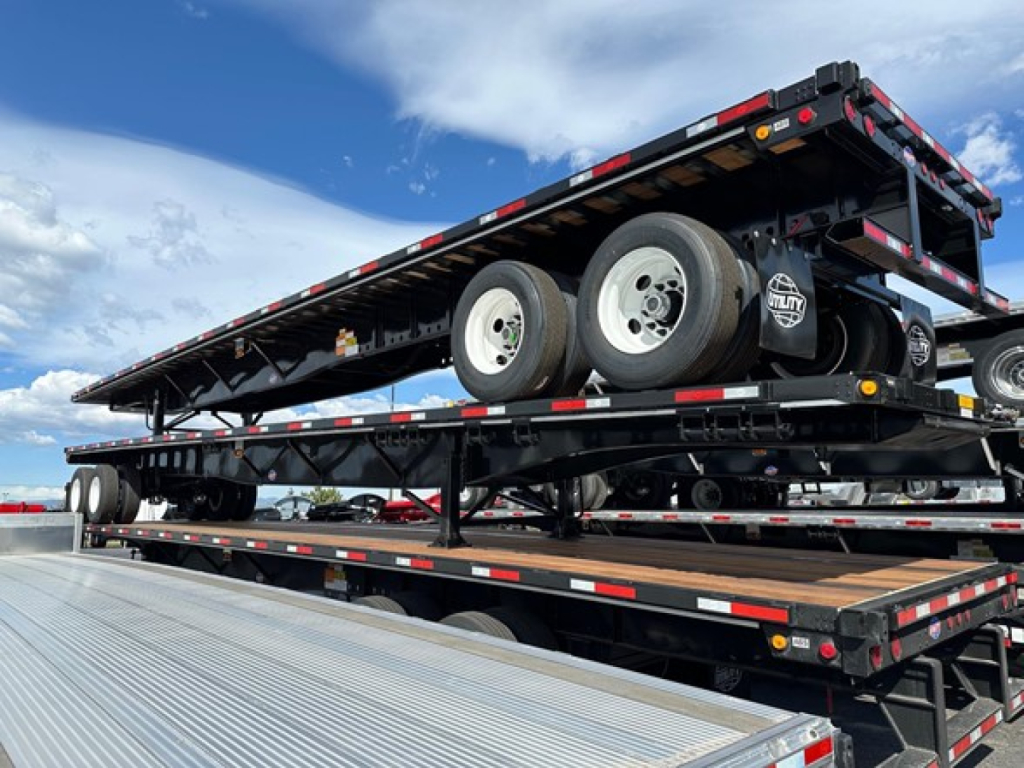
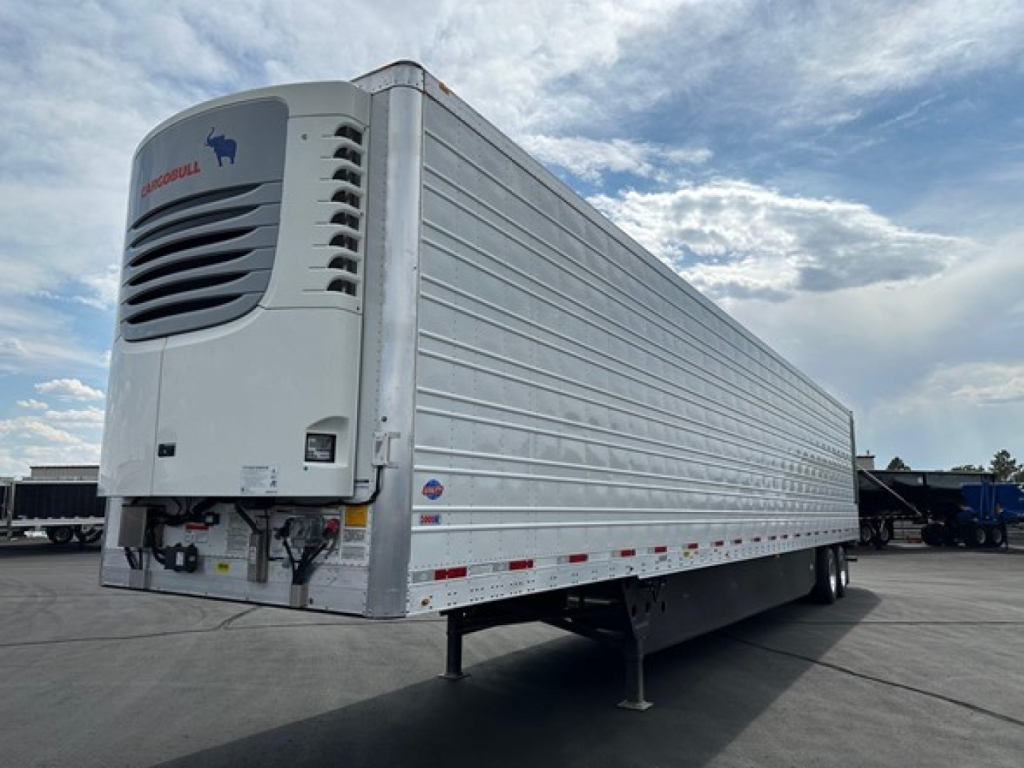
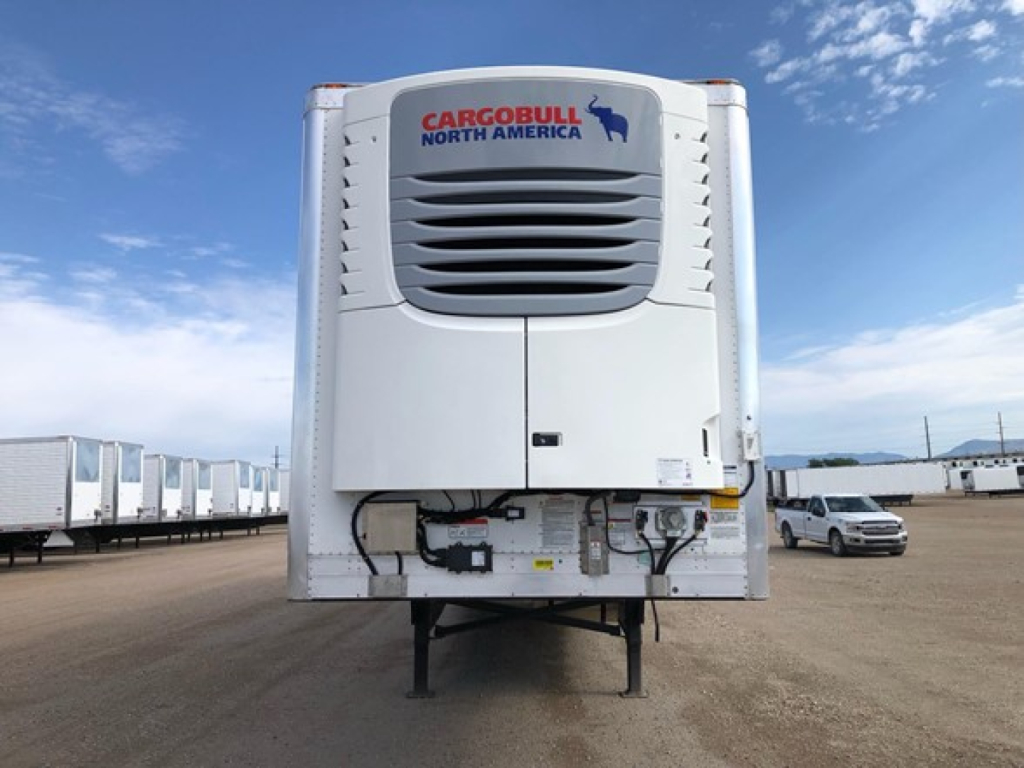
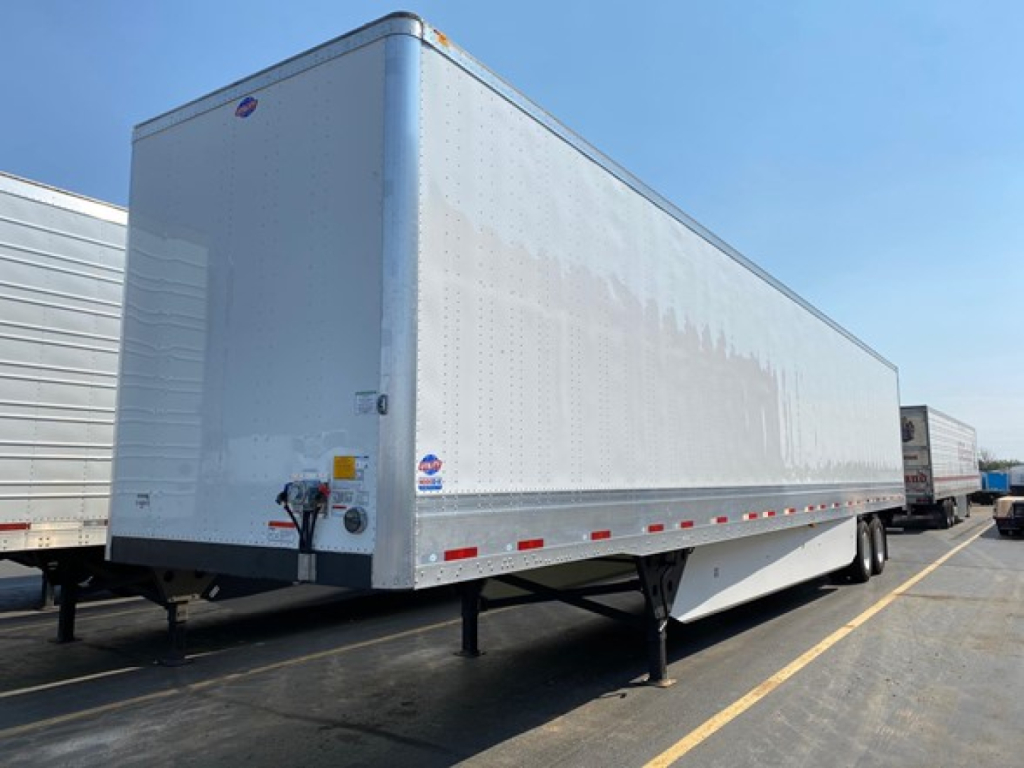
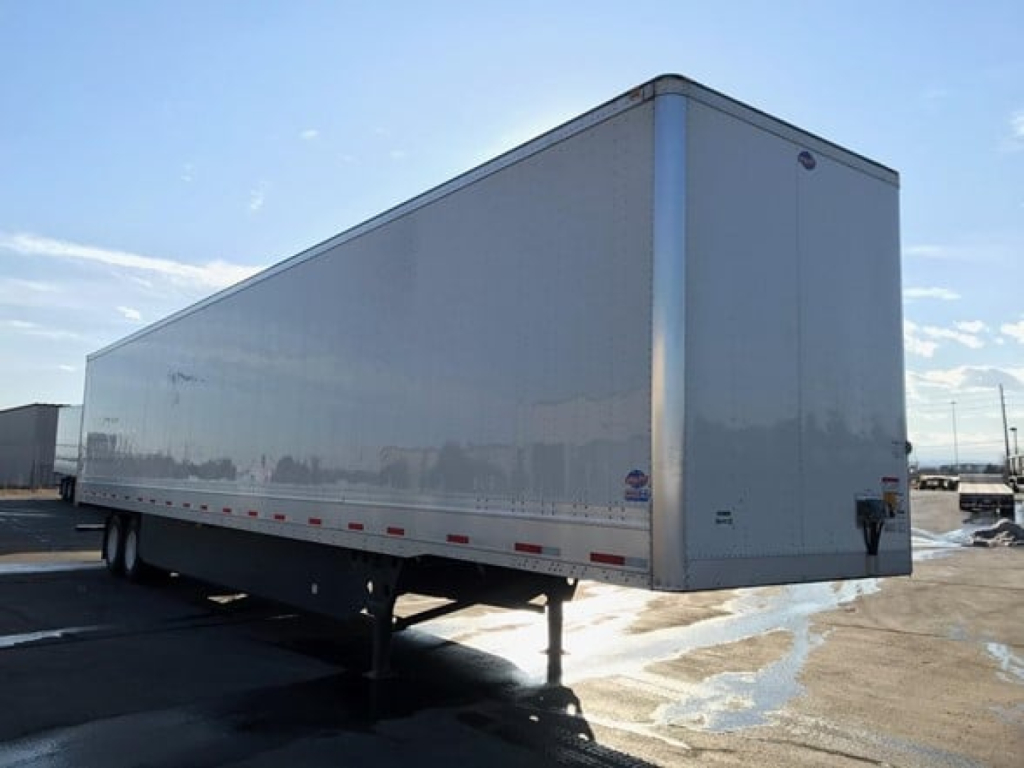
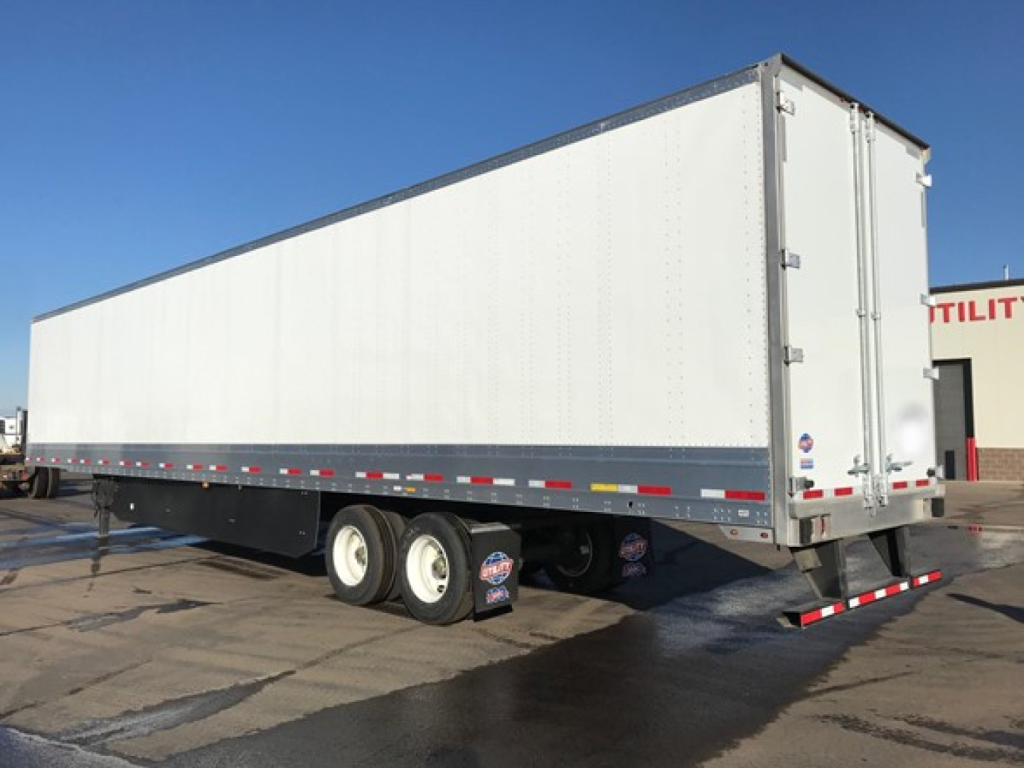
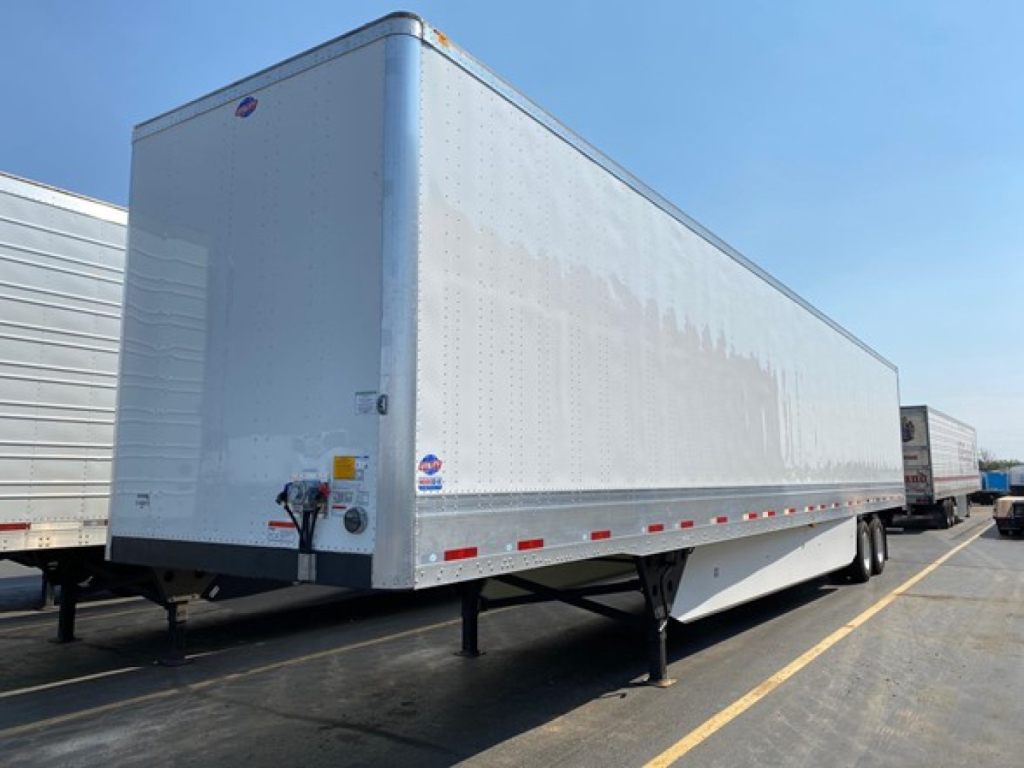
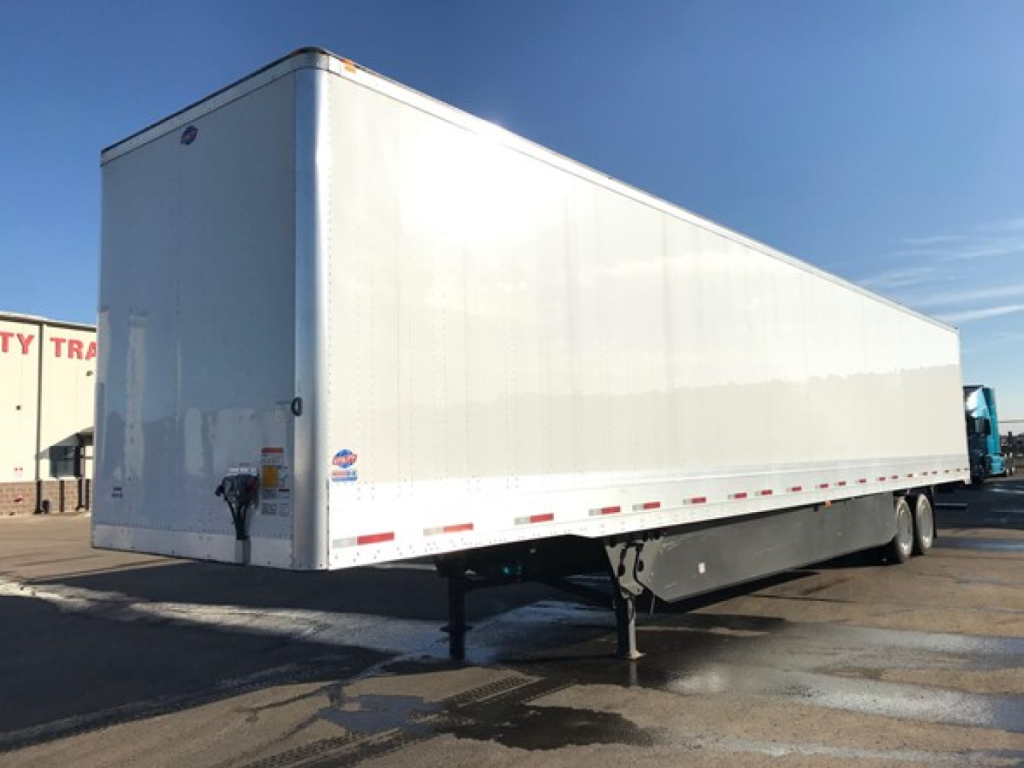
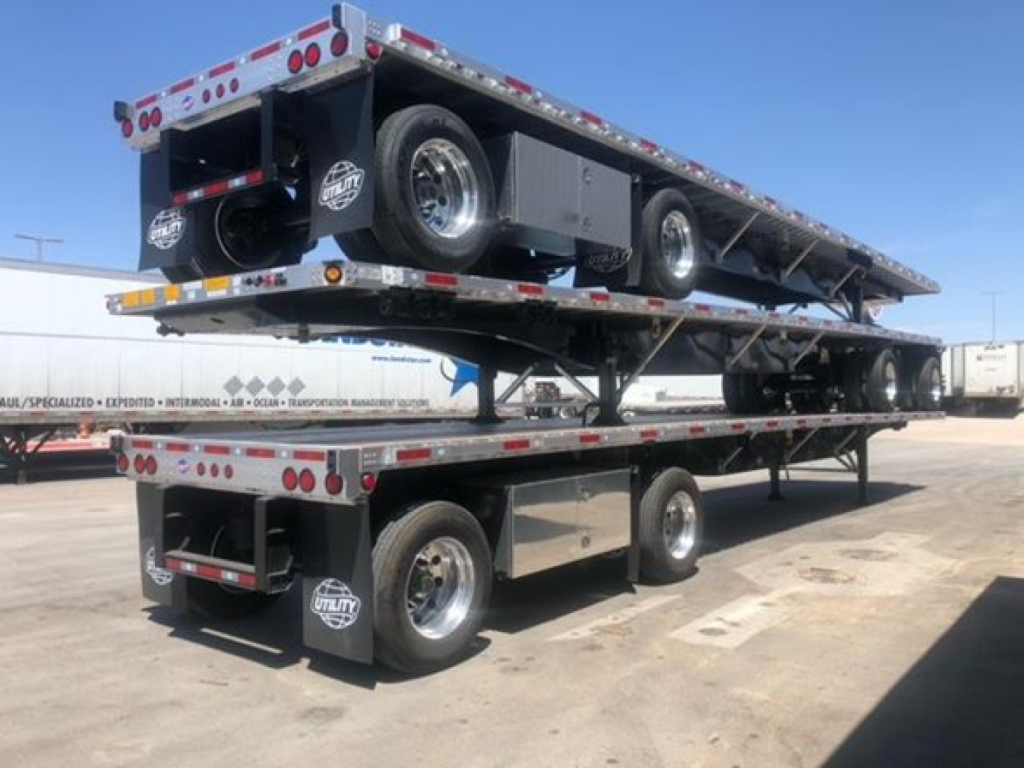
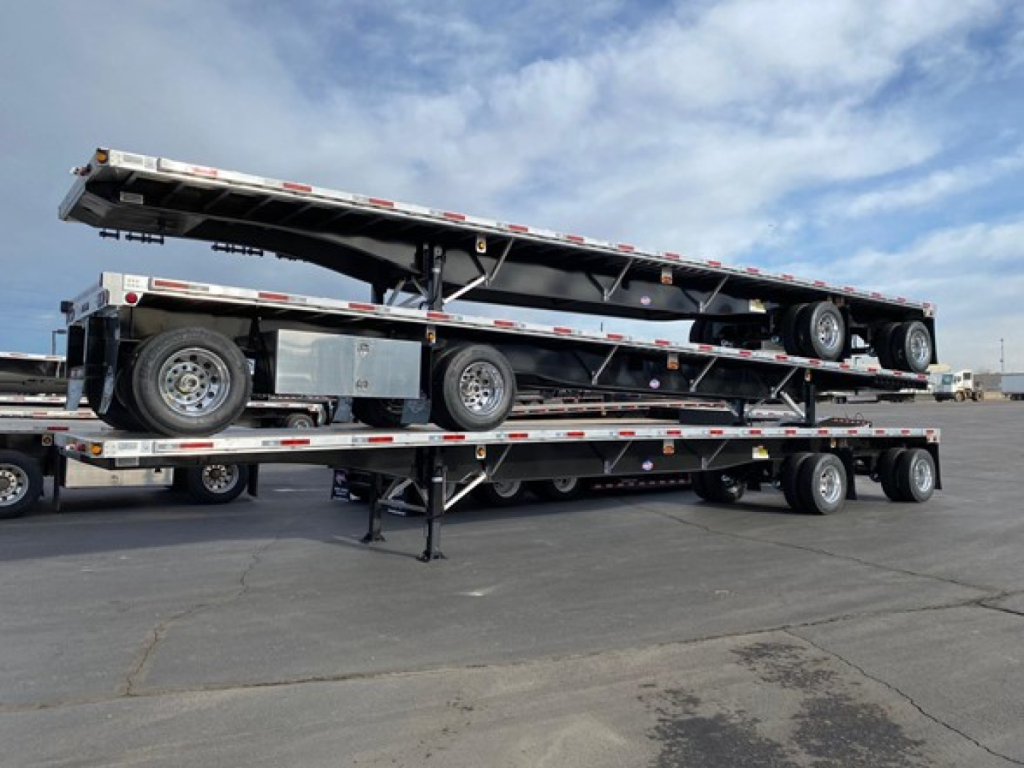
Showing 205 to 216 of 217 results
Have new 2027 utility trailer to sell? List it here to reach thousands of buyers.
About New 2027 Utility Trailers
For dry van buyers, a 53-foot by 102-inch configuration remains the standard, with aluminum roofs, composite or sheet-and-post wall construction, wood floors, rear swing doors, and slider tandems showing up often. Specs like tall bottom rails, wearbands, heavy-duty threshold plates, dock bumpers, and anti-dock-walk systems matter if the trailer will see frequent forklift loading and hard dock contact. Logistics posts spaced on tight centers can improve securement flexibility for mixed freight. Side skirts, low-profile 22.5 tires, and tire inflation systems are also common on newer Utility vans because they support fuel efficiency and help control roadside maintenance.
For reefer buyers, the trailer body is only part of the decision. The insulation package, duct floor design, rear door seal quality, and chute or bulkhead setup have a direct effect on temperature recovery and product protection. Utility refrigerated trailers are commonly spec'd in 53-foot lengths with air ride suspension, slider or closed tandem configurations, aluminum wheels, disc or drum brakes, and single-temp or multi-temp refrigeration units depending on route structure. Features such as shore power capability, California-compliant TRUs, aerodynamic tails, and quilted stainless rear doors are especially relevant for fleets running food distribution, pharmaceutical freight, or urban delivery with frequent door openings.
A buyer comparing new 2027 Utility trailers should pay close attention to suspension type, axle setting, wheel and tire package, brake spec, floor construction, and trailer aerodynamics before looking at cosmetic options. Hendrickson air ride, air-pin sliders, TireMaax or similar inflation systems, and disc brakes are common specs that can improve uptime and reduce maintenance variability. Dry van and reefer builds can both be configured for long-haul or regional service, but the right trailer comes down to freight profile, loading method, dock environment, and regulatory needs in the lanes you run.
Frequently Asked Questions
What are the main differences between a Utility dry van and a Utility reefer trailer?
A Utility dry van is built for non-temperature-controlled freight and typically focuses on low weight, cargo durability, and dock performance. A Utility reefer adds insulated walls, a duct or channel floor, specialized rear door sealing, and a refrigeration unit for controlled-temperature freight. Reefer buyers also need to evaluate TRU capacity, single-temp versus multi-temp configuration, fuel or electric standby options, and compliance requirements for states such as California.
What specs matter most when buying a new 2027 Utility dry van?
The most important dry van specs are usually trailer length and width, suspension type, tandem configuration, floor construction, wall construction, and cargo control layout. Buyers should also look closely at aerodynamic equipment such as side skirts, tire size and wheel material, tire inflation systems, and details that affect dock durability like threshold plates, dock bumpers, anti-dock-walk systems, and wearbands. These items influence payload, fuel economy, maintenance cost, and how well the trailer holds up in repetitive loading cycles.
Are Utility reefer trailers commonly available with California-legal refrigeration setups?
Yes. Many new Utility reefer trailers are spec'd with refrigeration units designed to meet current California emissions and operating requirements. Buyers running West Coast freight should confirm the exact TRU model, emissions designation, standby or shore power capability, and any fleet-specific compliance needs before purchase. That is especially important for operations involving long dwell times, food distribution, and deliveries into regulated urban markets.
Why do fleets spec air ride suspension and tire inflation systems on new Utility trailers?
Air ride suspension helps protect freight, improves ride quality, and is widely preferred for sensitive cargo and higher-mile applications. Automatic tire inflation systems help maintain correct tire pressure across the trailer, which can reduce irregular wear, improve fuel economy, and lower the risk of roadside tire failures. On high-utilization trailers, these features can support better uptime and more consistent operating cost.
Is a slider tandem or closed tandem better on a new Utility trailer?
A slider tandem provides flexibility for bridge law compliance, axle weight distribution, and dock positioning across different customers and states. A closed tandem can reduce weight and simplify the trailer for fleets with predictable freight and lane requirements. The better choice depends on how often the trailer crosses state lines, how variable the loads are, and whether the operation needs frequent kingpin-to-rear axle adjustments to stay legal and efficient.