
2016 Utility Trailers For Sale
Shop 2016 Utility trailers including dry van and reefer models. Compare specs, suspension, floors, doors, and trailer condition.
Learn more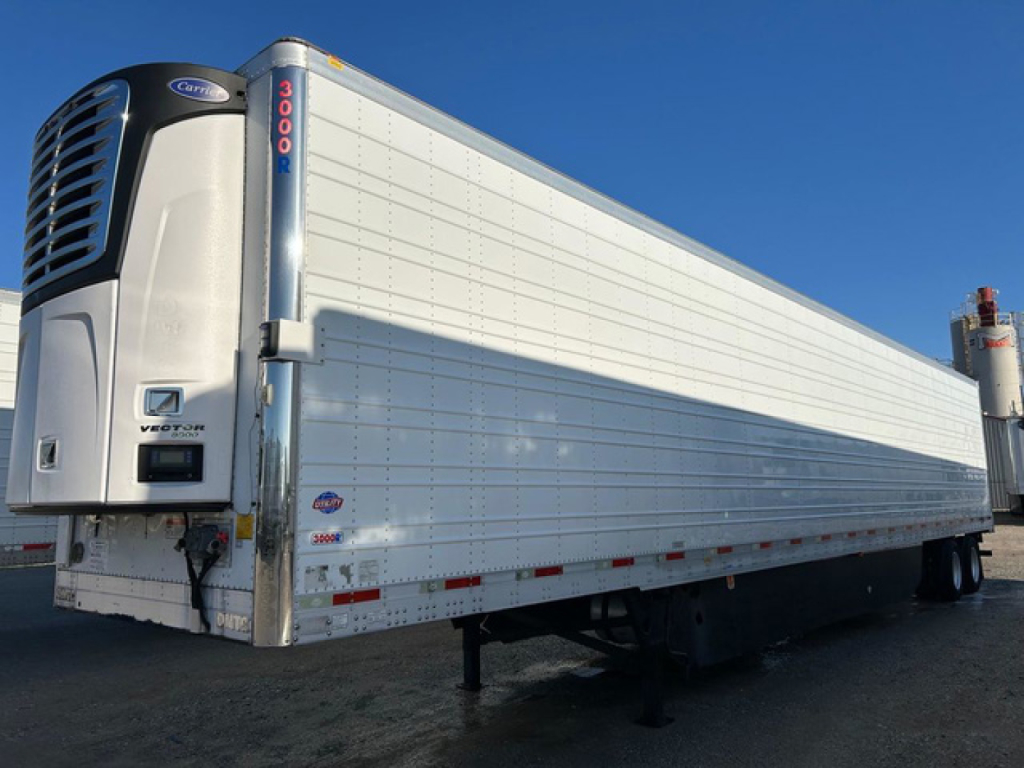
Showing 13 to 14 of 14 results
Have 2016 utility trailer to sell? List it here to reach thousands of buyers.
About 2016 Utility Trailers
On the dry van side, Utility 4000-series trailers are common in regional and over-the-road service. Key specs to review include suspension type, usually air ride, slider configuration, floor construction, crossmember condition, rear frame integrity, and the condition of the doors and threshold plate. Many buyers also look for practical spec details such as composite or aluminum roof construction, logistic posts, scuff liners, tall bottom rail setups, and tire inflation systems. A van that has spent its life in dock-heavy freight may show wear around the rear sill, swing doors, side panels, and landing gear, so those areas deserve a close inspection before comparing price alone.
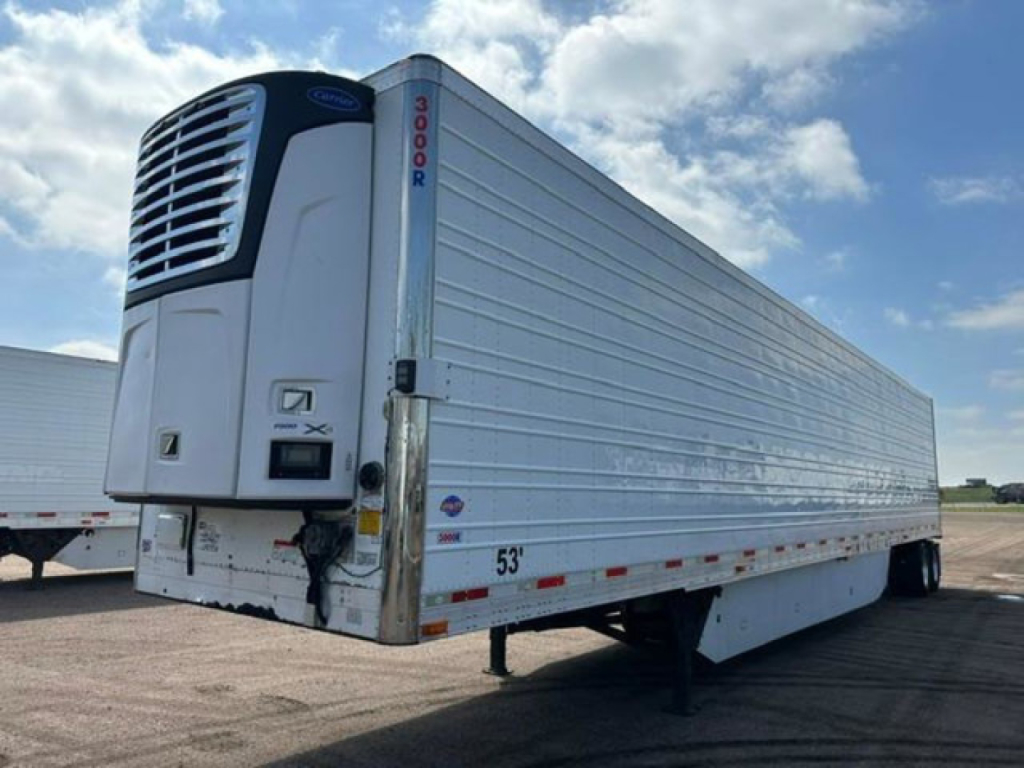
For refrigerated applications, 2016 Utility reefer trailers remain popular because the platform is familiar to most fleets and service networks. The trailer body matters just as much as the refrigeration unit. Check the floor type, insulation integrity, liner condition, evaporator area, door seals, and any evidence of moisture intrusion or patched damage. Suspension, axle slider operation, tire condition, and brake life are still core chassis items, but reefer buyers also need to verify unit hours, service records, emissions compliance where applicable, and the condition of bulkheads or multi-temp setups if the trailer was used in foodservice work. Side doors, roll-up doors, and specialty interior setups can be valuable in the right operation but may narrow resale appeal.
A well-selected 2016 Utility trailer can still deliver solid service life if the spec matches the freight. Dry van buyers may prioritize payload, dock durability, and low maintenance. Reefer buyers usually put more weight on thermal performance, unit history, and interior sanitation. In either case, pay close attention to roof repairs, wall delamination, floor wear, ABS and lighting function, kingpin area condition, and signs of hard yard use around the slider and suspension. Utility trailers from this era are common enough that buyers can be selective, which makes maintenance history, tire and brake remaining life, and overall structural condition more important than the badge alone.
Frequently Asked Questions
What are the most common 2016 Utility trailer types on the used market?
The most common 2016 Utility trailers are 53-foot dry vans and refrigerated trailers. Dry vans are typically used for general freight, retail, and distribution work, while reefers are built for temperature-controlled freight such as produce, frozen food, and pharmaceuticals. The trailer type drives nearly every buying decision, including maintenance costs, expected resale, and the kind of inspection points that matter most.
What should I inspect first on a 2016 Utility dry van trailer?
Start with the floor, rear frame, doors, roof, and suspension. Floor wear, broken boards, threshold damage, and rear sill fatigue are common issues on trailers that have seen repeated dock loading. You should also inspect side panels for damage, verify slider operation, check landing gear function, and look closely at the kingpin and upper coupler area for structural wear. These items often tell you more about the trailer's working life than the model year alone.
What is most important when buying a 2016 Utility reefer trailer?
The refrigeration unit condition and trailer body integrity are equally important. Buyers should review unit hours, maintenance records, startup performance, and any emissions-related requirements for the regions where the trailer will run. On the trailer itself, inspect the insulated body, floor, interior lining, door seals, and evaporator area for damage or moisture issues. A reefer with a sound chassis but poor insulation or neglected unit service can become expensive very quickly.
Are 2016 Utility trailers a good choice for fleet use?
They can be a very practical fleet choice because Utility trailers are widely recognized, commonly serviced, and available in specs that fit both regional and long-haul operations. The real value depends on how well the trailer's prior use matches your operation. A clean dry van with good floor life and straight body panels may fit a distribution fleet well, while a reefer with documented maintenance and strong thermal performance may support food-grade service. Standardized fleet specs can also make parts sourcing and maintenance planning easier.
Which specs matter most when comparing 2016 Utility trailers?
The most important specs depend on the application, but buyers usually compare trailer type, length and width, suspension, axle slider, tire size, wheel material, door style, floor construction, and any added systems such as automatic tire inflation. Reefer buyers also need to compare refrigeration unit make, model, hours, and interior configuration. Looking at these details together helps determine payload capability, operating cost, serviceability, and how well the trailer will hold value over time.