
2016 Utility Refrigerated Trailers For Sale
Shop 2016 Utility refrigerated trailers. Compare reefer specs, insulation, suspension, axle settings, and refrigeration unit options.
Learn more
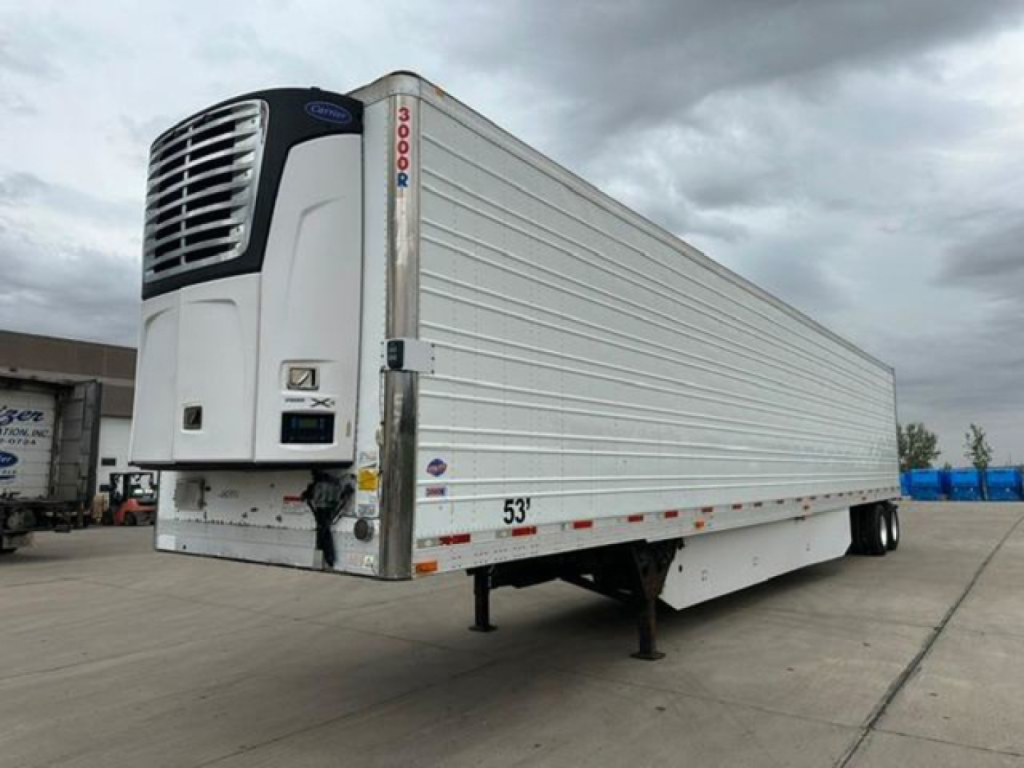
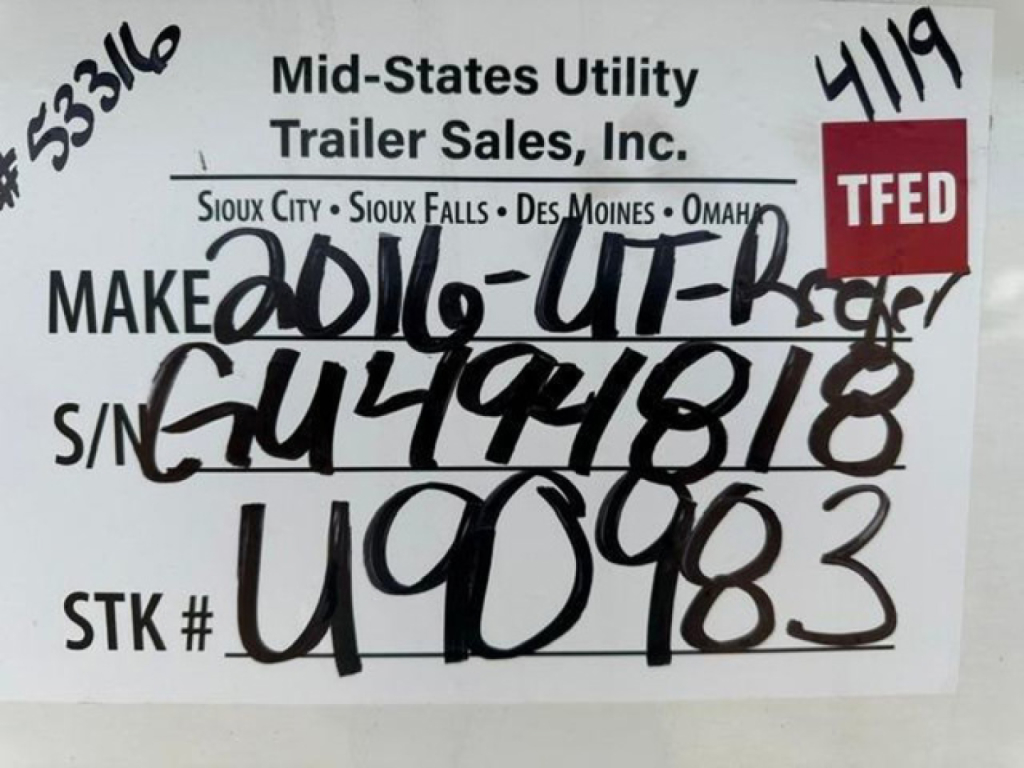
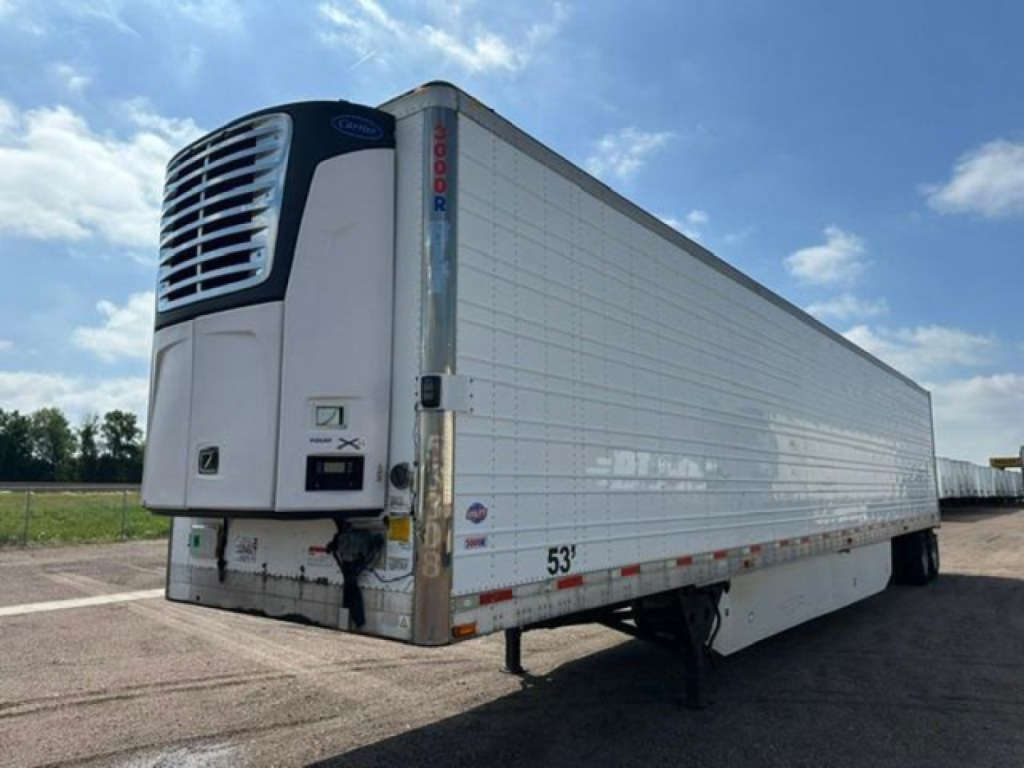
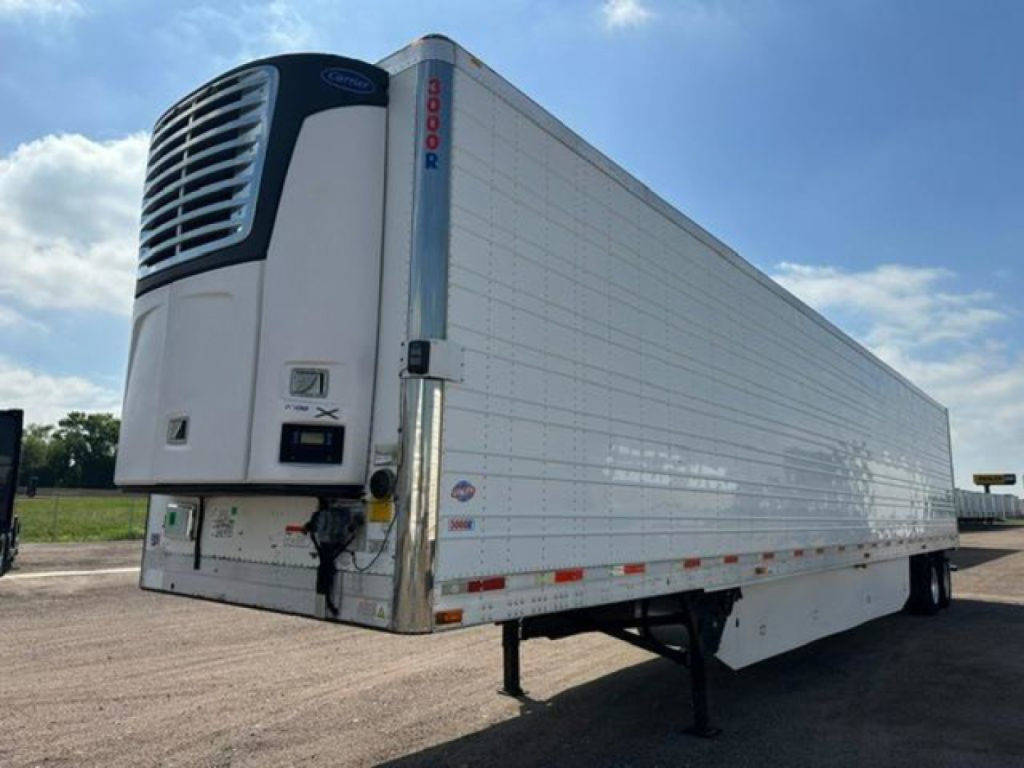
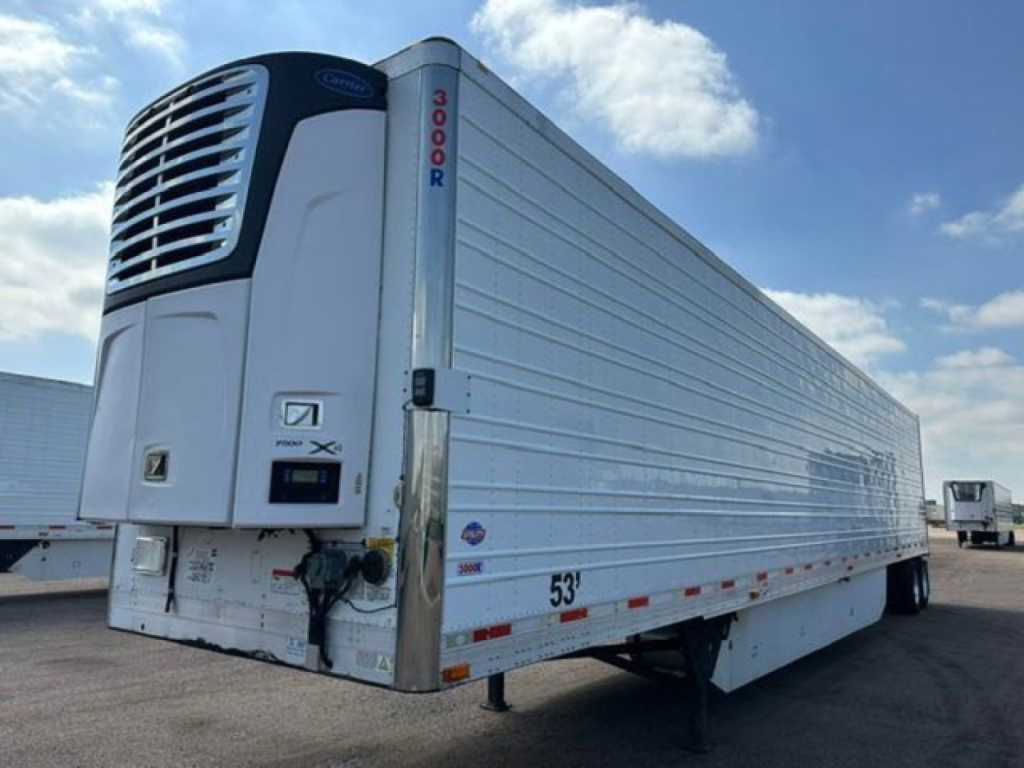
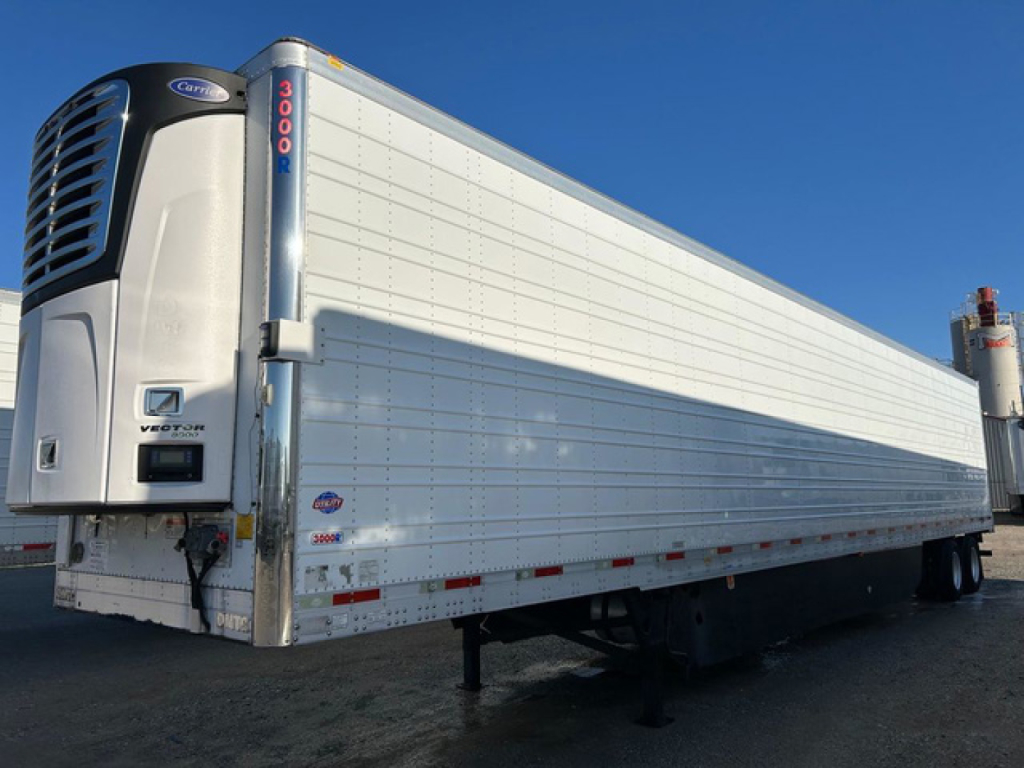
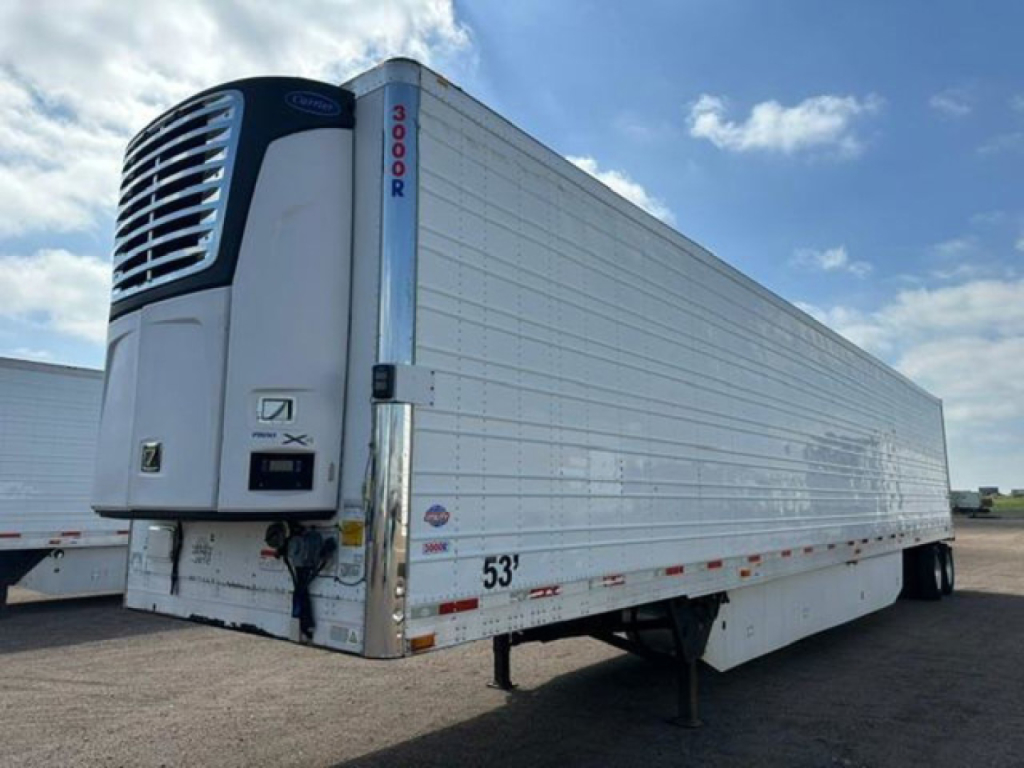
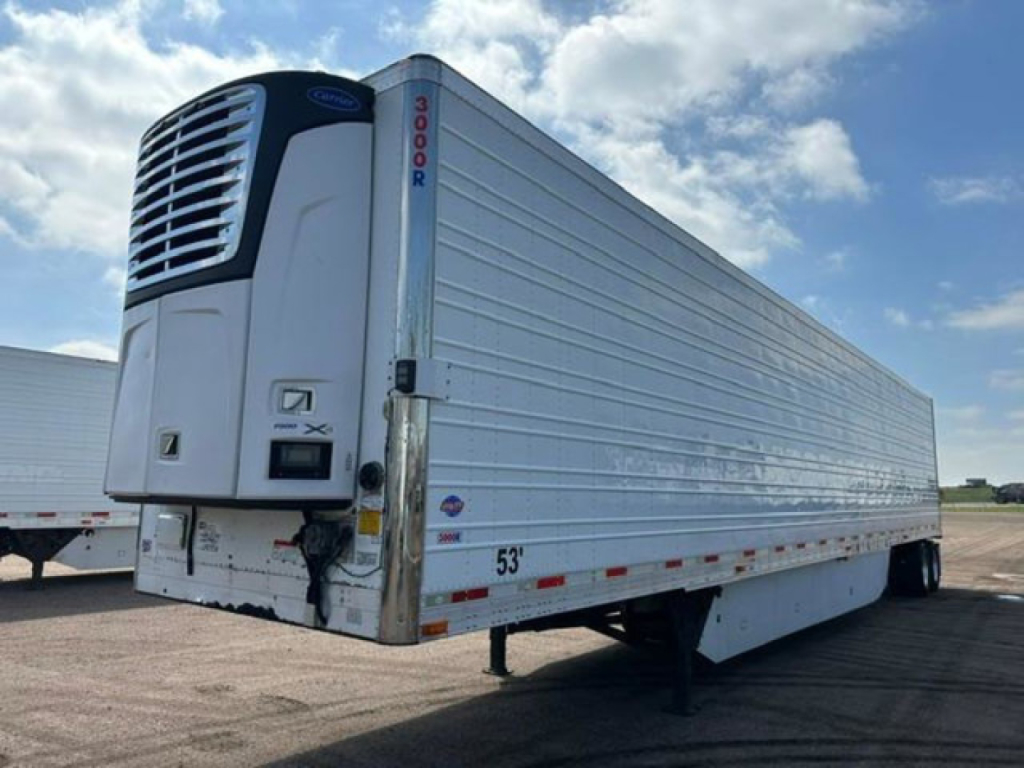
Have 2016 utility refrigerated trailer to sell? List it here to reach thousands of buyers.
About 2016 Utility Refrigerated Trailers
Most 2016 Utility reefer trailers were built around a duct floor and insulated composite wall structure with interior lining options such as Versitex or similar scuff-resistant materials. Common specs include air ride suspension, sliding tandems, aluminum wheels, 22.5 tires, swing rear doors, and roof configurations designed to balance insulation value with weight. Reefer units on trailers from this model year are often Carrier or Thermo King, so unit hours, maintenance records, fuel system condition, and controller history matter as much as the trailer VIN itself. Buyers moving mixed-temperature or high-cube food loads should pay close attention to air chute condition, return air flow, door seals, bulkhead compatibility, and any signs of moisture intrusion in the ceiling or sidewalls.
A used 2016 Utility reefer should also be evaluated like any temperature-controlled trailer that has seen real route work. Check the floor for soft spots, grooves, and forklift wear. Inspect the front wall, lower rail, crossmembers, and rear frame for corrosion or impact damage. Tire condition, brake life, wheel-end service history, and suspension wear affect total cost quickly, especially on trailers running regional distribution. Tandem slide travel, locking pin function, and kingpin wear are important if the trailer will cycle through multiple dock setups or bridge-law-sensitive lanes. If the trailer has an older emission-era reefer unit, confirm it meets the operating requirements in the states and customer facilities where it will run.
For buyers comparing 2016 Utility refrigerated trailers against other reefer brands, the real decision usually comes down to body condition, unit hours, and maintenance discipline rather than badge alone. A clean, dry trailer with a straight body, healthy unit, and documented PM history can be a better value than a newer trailer with neglected refrigeration service. Utility remains a familiar platform for fleets because repair networks understand them, replacement parts are readily sourced, and the spec mix works across long-haul and regional foodservice applications. If the trailer will handle produce one week and frozen freight the next, prioritize insulation integrity, consistent pull-down performance, and door seal quality over cosmetic appearance.
Frequently Asked Questions
What should I inspect first on a 2016 Utility refrigerated trailer?
Start with the refrigeration unit, the trailer body, and the floor. Confirm the reefer unit make, model, engine hours, and service history, then inspect the trailer for water intrusion, damaged lining, weak door seals, and structural corrosion. Floor wear is especially important because heavy forklift traffic and washout cycles can shorten trailer life and affect airflow under pallets.
Are 2016 Utility reefer trailers suitable for food-grade freight?
They can be, provided the trailer has been maintained to food-grade standards and passes a close condition review. Buyers should inspect the interior lining, scuff areas, floor cleanliness, drain condition, odors, and evidence of prior cargo damage. A clean insulated body with good seals and a properly operating reefer unit is suitable for many grocery, frozen, dairy, and produce applications.
How many hours is too many on a reefer unit for a 2016 trailer?
There is no single cutoff because reefer value depends on maintenance quality as much as total hours. A higher-hour Carrier or Thermo King unit with documented preventive maintenance, clean starts, stable temperature control, and no major alarm history can still be a good buy. Buyers should evaluate hours alongside engine condition, compressor performance, fuel system health, and the cost of any upcoming service.
What specs are common on a 2016 Utility refrigerated trailer?
Common specifications include a 53-foot body, air ride suspension, sliding tandems, 22.5 tires, aluminum wheels, swing rear doors, insulated walls and roof, and a duct floor for airflow. Many trailers from this era were built for grocery and foodservice work, so features like scuff liners, interior lining upgrades, and fleet-friendly reefer controls are common. Exact specs vary by original fleet order.
Is a 2016 Utility reefer a good choice for regional or long-haul operation?
Yes, if the trailer's refrigeration system and running gear match the intended duty cycle. Regional routes put more stress on doors, floors, brakes, and dock contact points, while long-haul service places more emphasis on dependable unit performance, fuel efficiency, and stable temperature control over extended runs. A well-maintained 2016 Utility reefer can fit either role if its condition and specs align with the freight.