
2016 Utility Trailers For Sale in Iowa
Shop 2016 Utility trailers for sale in Iowa. Compare dry van and reefer specs, suspension, tire systems, floors, doors, and overall condition.
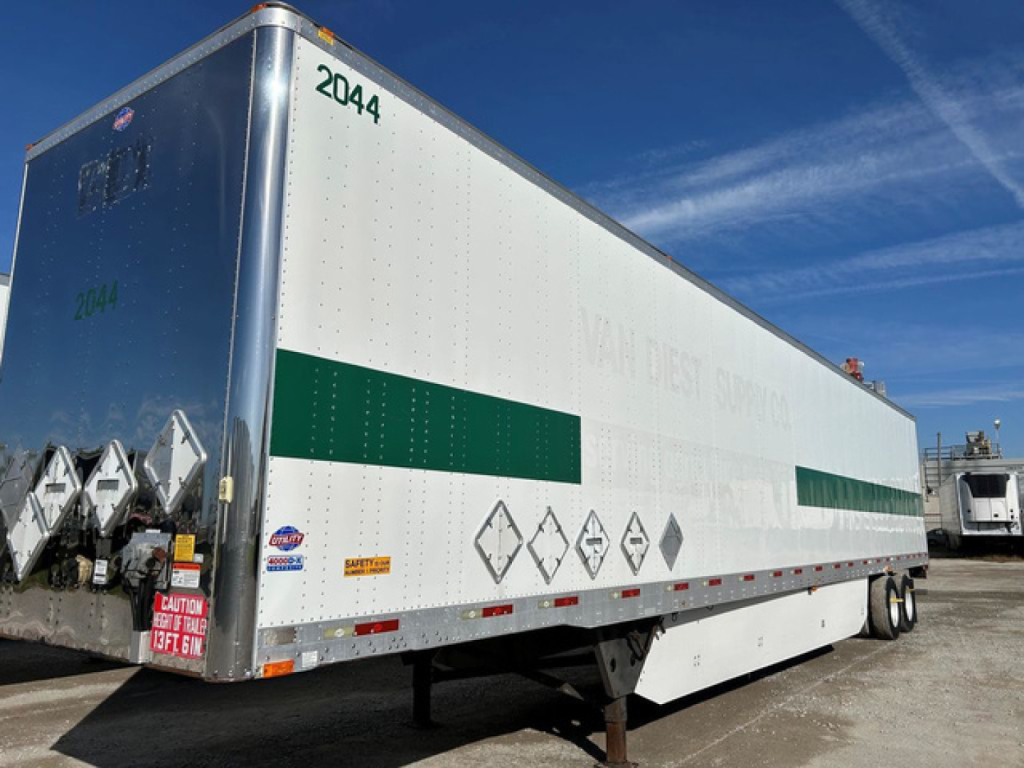
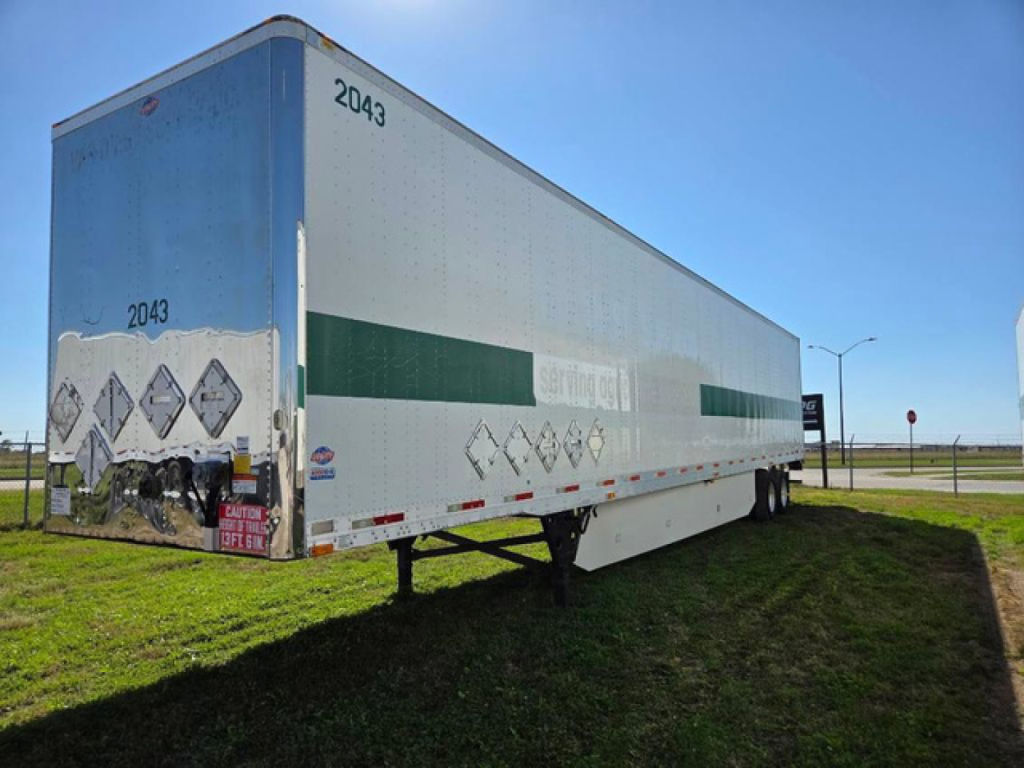
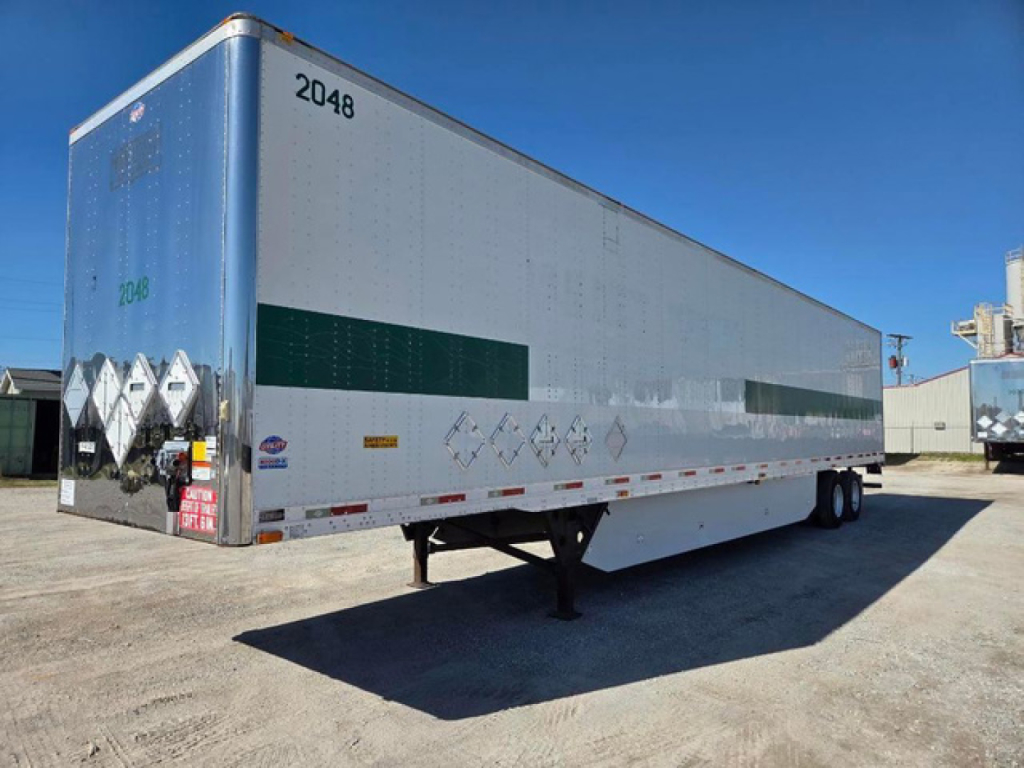
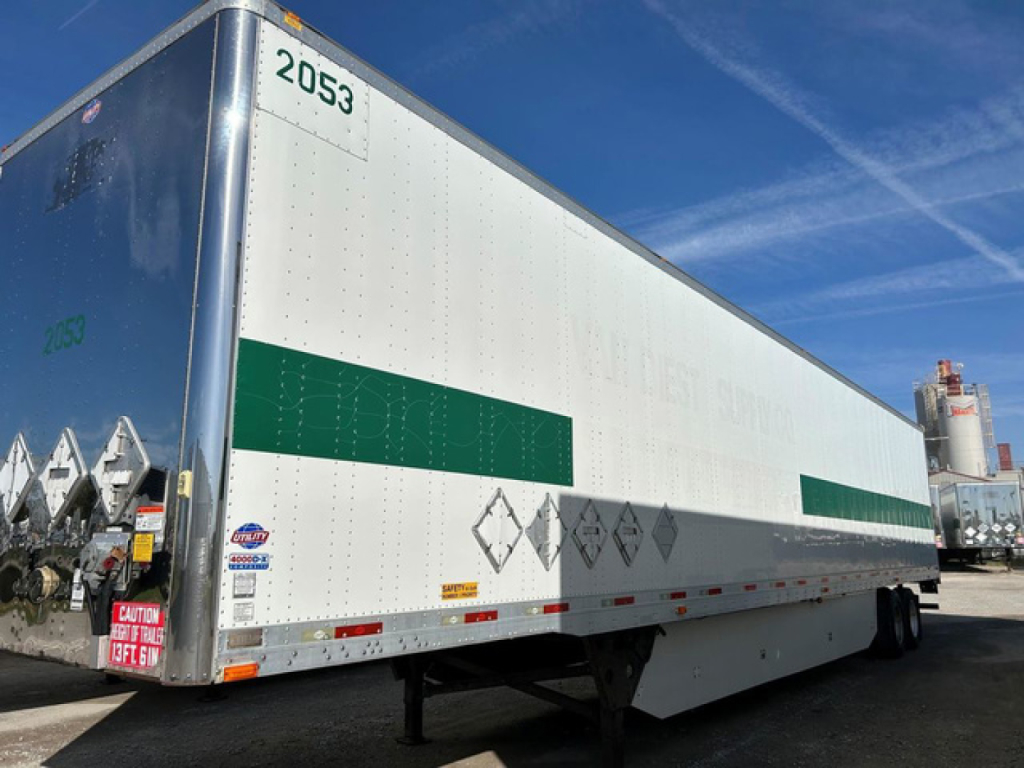
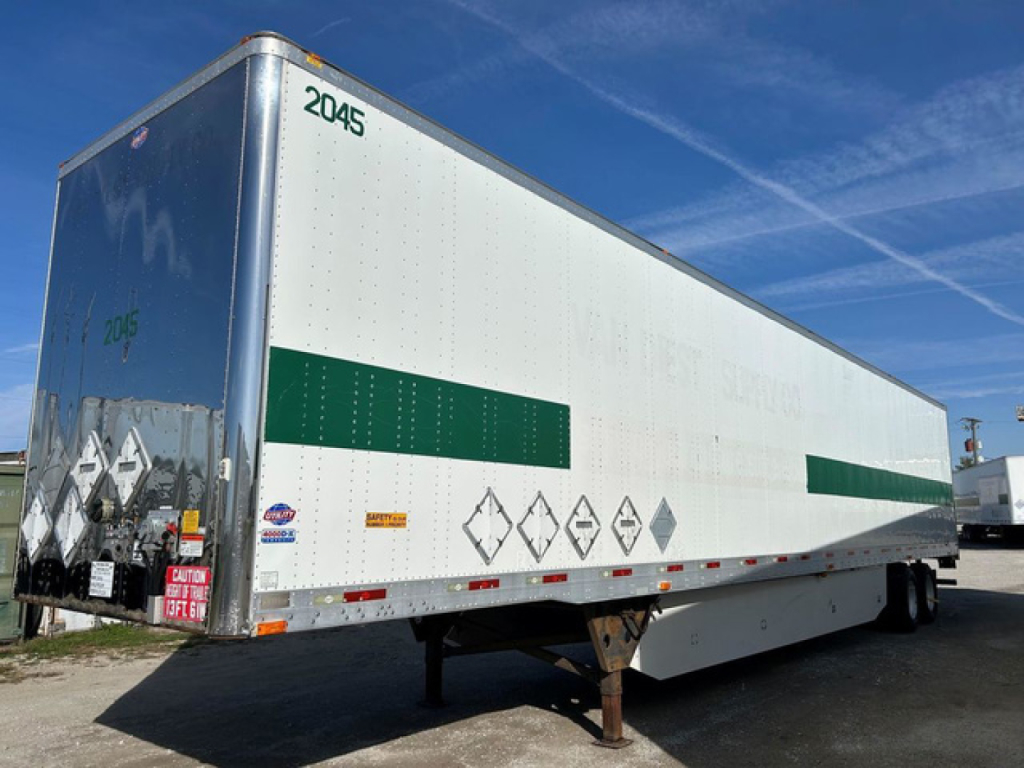
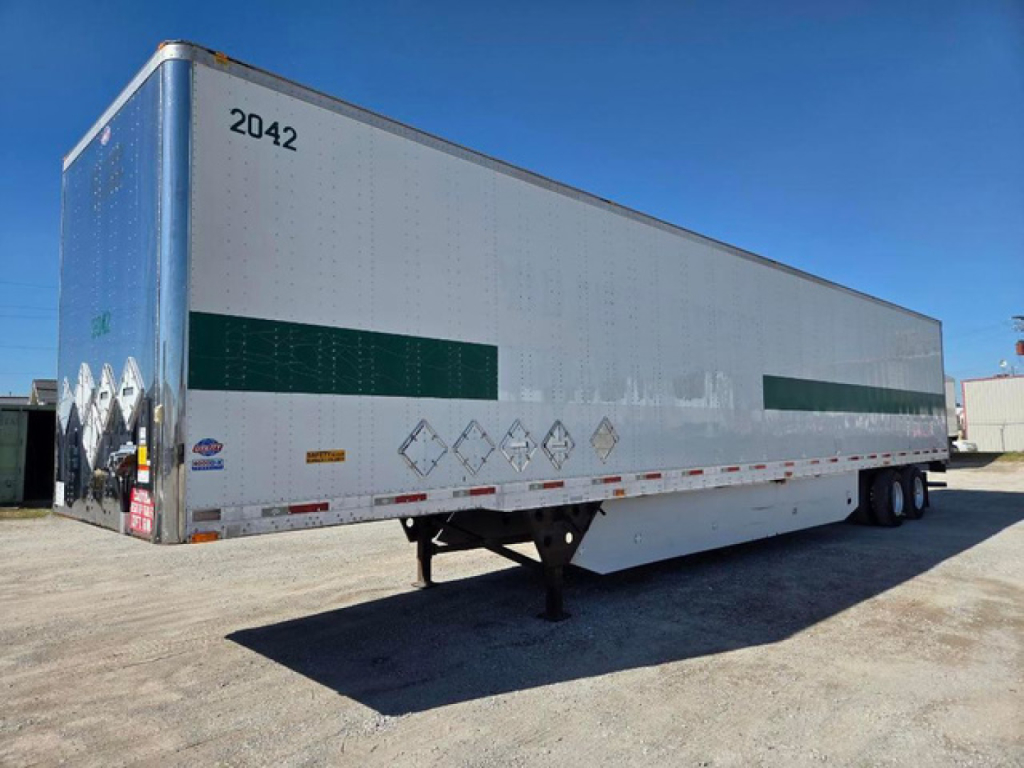
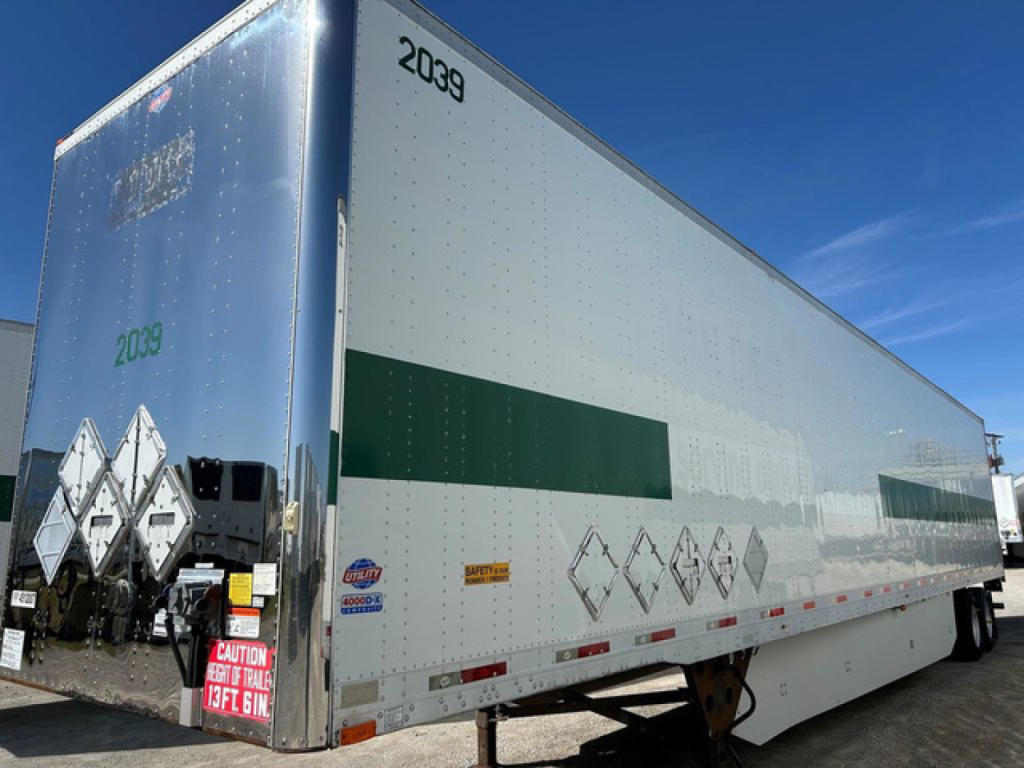
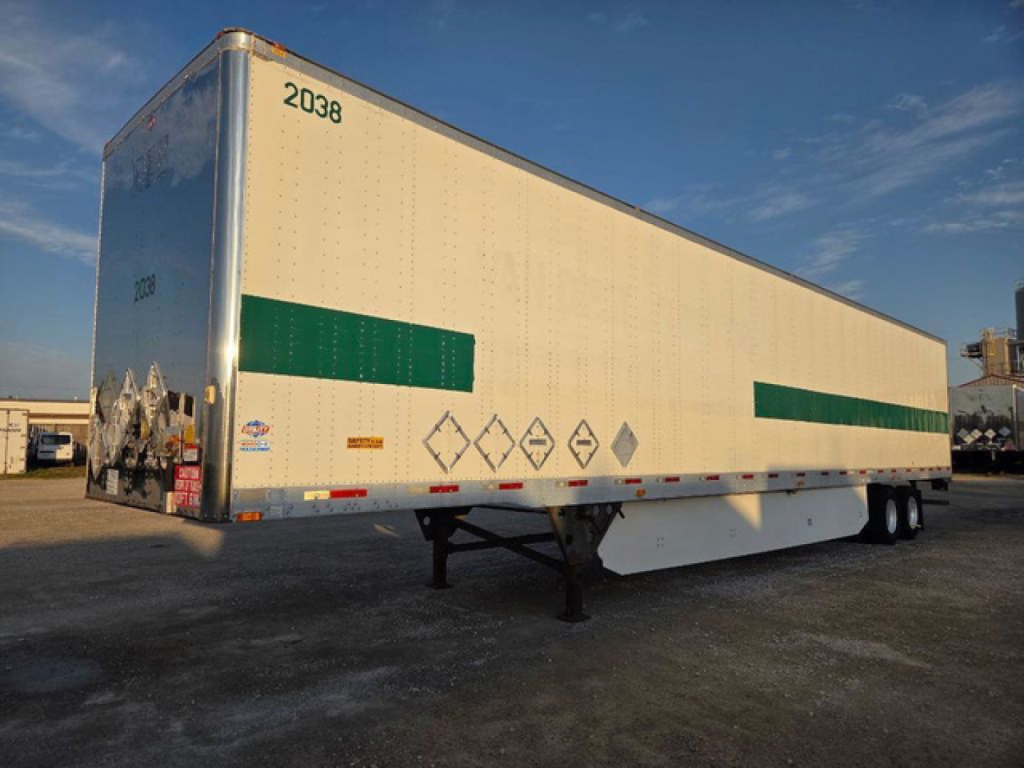
Selling a 2016 utility trailer? List your 2016 utility trailer for sale and reach thousands of commercial buyers.
2016 Utility Trailers in Iowa
For dry van shoppers, pay close attention to floor condition, door type, suspension, and tire management systems. Laminated wood floors and wood floors are common and should be checked for forklift wear, delamination, and patched sections. Composite swing doors are popular for durability and dock use, while high base rails and plated trailer specs can matter if the trailer has seen heavy freight cycles. Air ride suspension is a frequent spec on Utility vans from this period and is preferred for ride quality and freight protection. Systems like PSI tire inflation are also worth noting because they can reduce irregular tire wear and roadside downtime when maintained correctly.
On refrigerated Utility trailers, the trailer body matters just as much as the refrigeration unit. Buyers should evaluate the condition of the interior liner, door seals, floor channels, bulkhead area, and overall insulation integrity. Common spec points include aluminum roofs, sliding tandem axle settings, aluminum wheels, and air ride suspension. The reefer unit itself should be reviewed by engine hours, service history, startup behavior, temperature pull-down performance, and whether it is spec'd with a Thermo King or Carrier platform. In Iowa and throughout the Midwest, reefer buyers should also consider how well the trailer has held up to winter road treatment, especially around rear frame sections, crossmembers, wiring, and landing gear.
A 2016 Utility trailer can be a strong fit for regional fleets, owner-operators, and dedicated freight accounts if the trailer’s prior use matches your lane. Dry vans used in high-frequency dock work may show more door frame, threshold, and floor wear, while reefers often need closer inspection of unit maintenance and interior sanitation. Check tandem slide operation, brake life, wheel-end condition, roof integrity, and DOT compliance items before narrowing your options. Utility remains a recognized name because the trailers are straightforward to operate, widely accepted in fleet service networks, and commonly spec'd for the freight demands most buyers actually run.
Frequently Asked Questions about 2016 Utility Trailers in Iowa
What are the most common 2016 Utility trailer types buyers will find?
The most common 2016 Utility trailers on the market are 53-foot dry vans and refrigerated trailers. Dry vans are typically used for general freight, retail, and warehouse distribution, while reefers are built for temperature-controlled freight such as produce, frozen goods, dairy, and pharmaceuticals. Utility is especially well known in both categories, so buyers often compare body condition and maintenance history as much as the brand itself.
What should I inspect first on a used 2016 Utility dry van?
Start with the floor, doors, roof, suspension, and tandem assembly. Floor condition tells you a lot about forklift traffic and load type, especially on wood or laminated wood floors. Check composite swing doors for alignment, hinge wear, and seal condition. Inspect the roof for patches or impact damage, and confirm the air ride suspension holds properly. If the trailer has a PSI tire inflation system, make sure the hoses, hubs, and warning components are intact and functioning.
What matters most when buying a 2016 Utility reefer trailer?
The refrigeration unit service history is critical, but it should not be the only focus. Buyers should also inspect the insulated body, interior liner, floor condition, door seals, and signs of moisture intrusion. Review unit hours, recent repairs, and temperature performance under load if possible. A reefer trailer with a well-maintained Thermo King or Carrier unit can still be a strong asset, but deferred body maintenance can quickly turn into expensive operating problems.
Are 2016 Utility trailers a good fit for Midwest freight operations?
Yes, especially if the trailer has been maintained with regional weather in mind. Iowa and the broader Midwest put extra stress on brakes, wiring, frame coatings, and undercarriage components because of winter conditions and road treatment chemicals. Buyers should inspect for corrosion around crossmembers, rear impact areas, landing gear, and slider mechanisms. A clean 2016 Utility trailer with solid structural condition can still be a dependable choice for regional and over-the-road lanes.
Why do buyers often choose Utility over other trailer brands in this age range?
Utility has a strong reputation for producing fleet-friendly dry vans and reefer trailers with widely understood specs and broad service familiarity. That matters in the used market because maintenance shops, parts suppliers, and fleet managers already know the product. Buyers also tend to like Utility trailers for their resale liquidity, straightforward construction, and common spec combinations such as air ride suspension, swing doors, aluminum roofs, and tire inflation systems.