
Used Trailers For Sale in Oklahoma
Browse used trailers for sale in Oklahoma, including dump, flatbed, dry van, reefer, lowboy, and utility trailer options for regional hauling.
No exact matches found for your search
Showing Used Trailers instead.
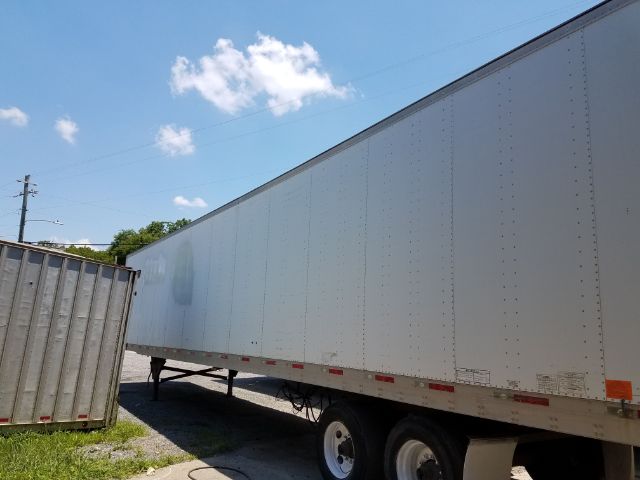
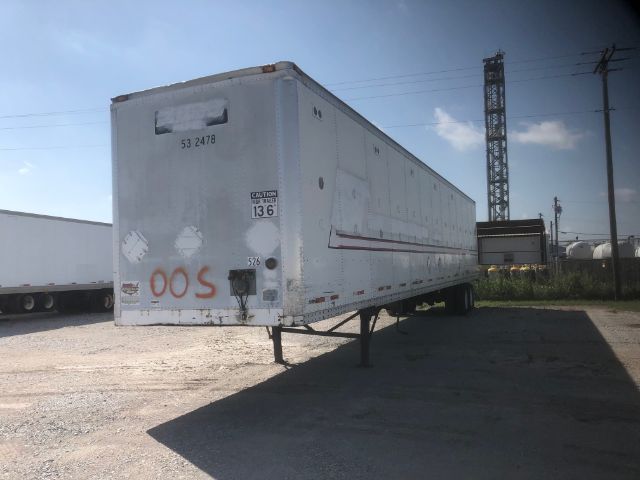
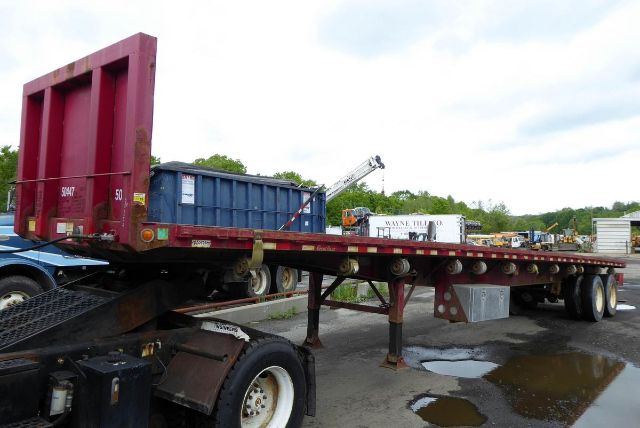
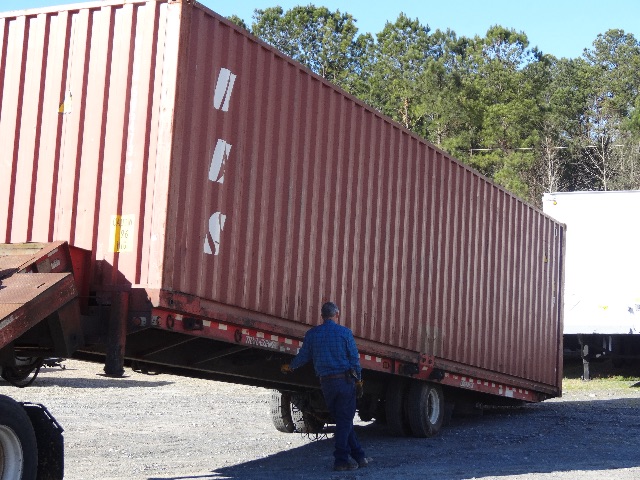
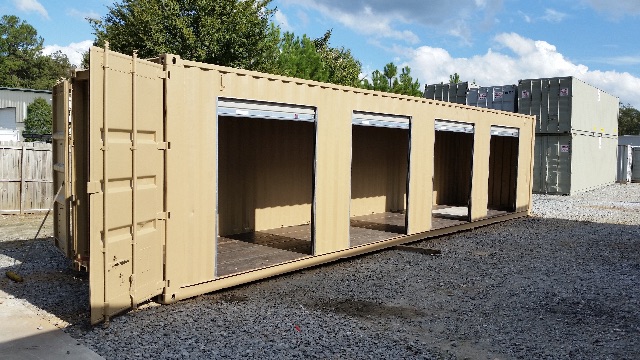
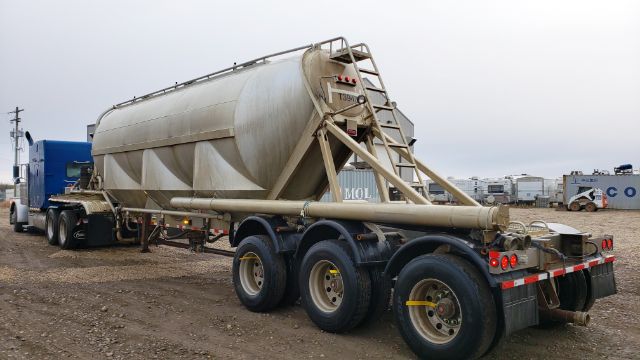
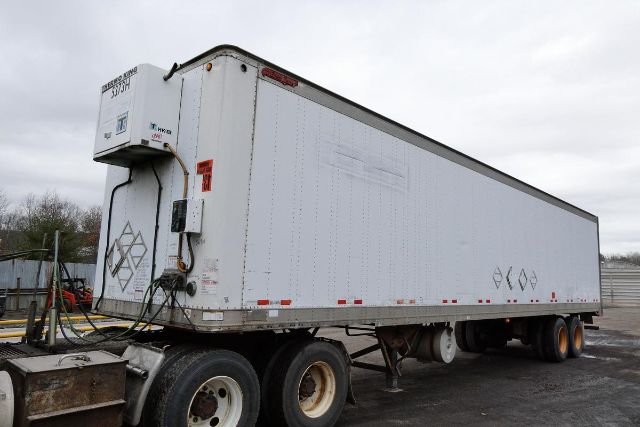
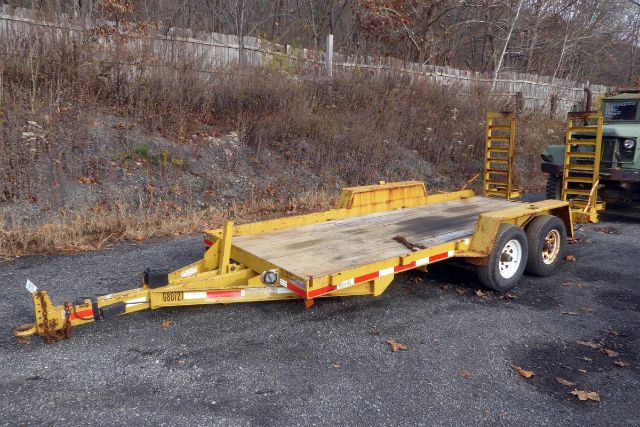
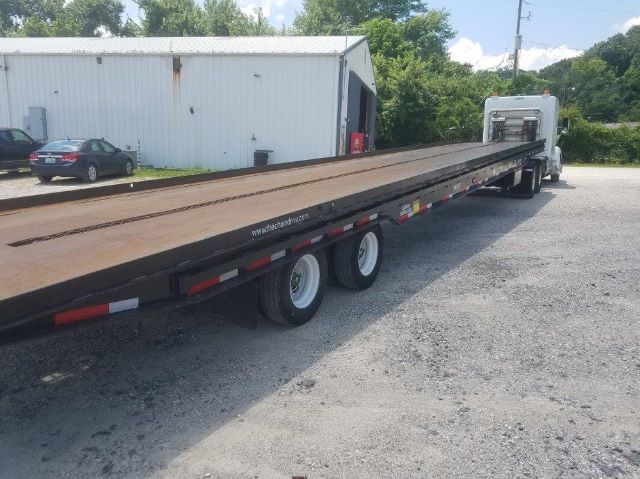
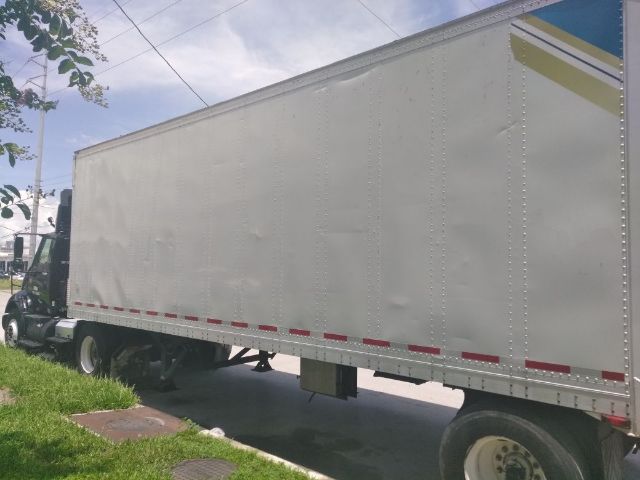
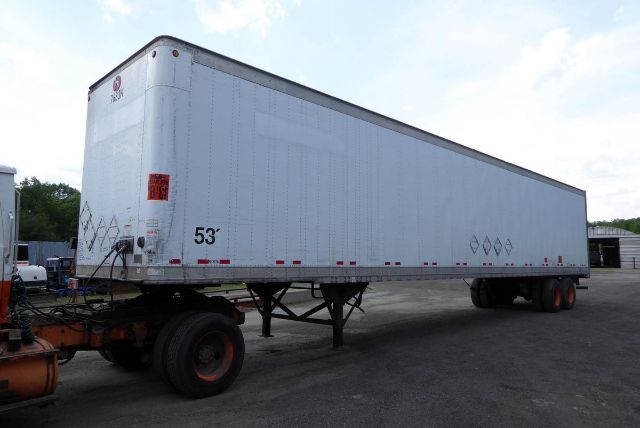
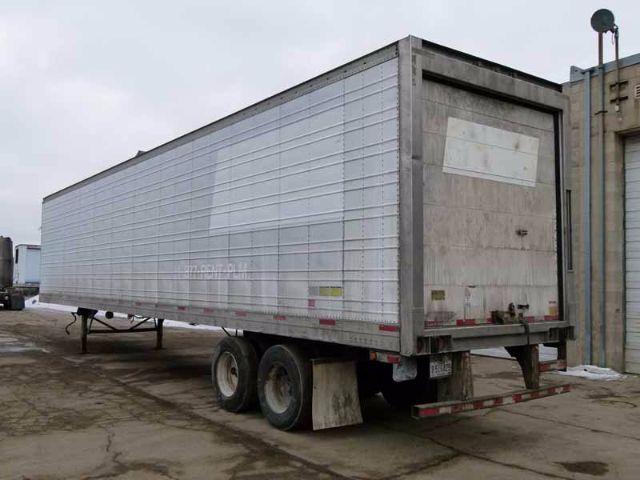
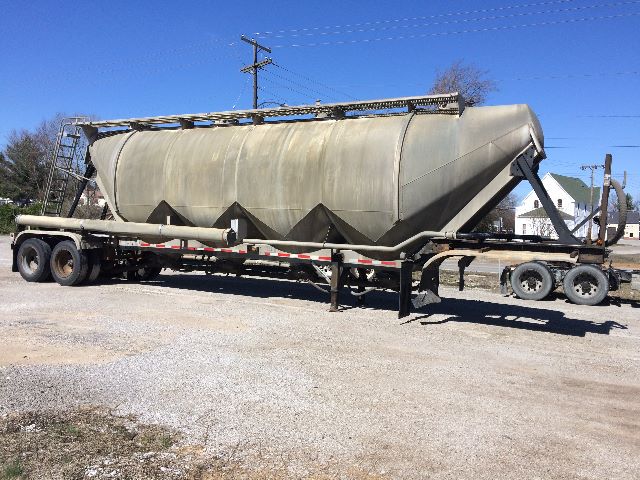
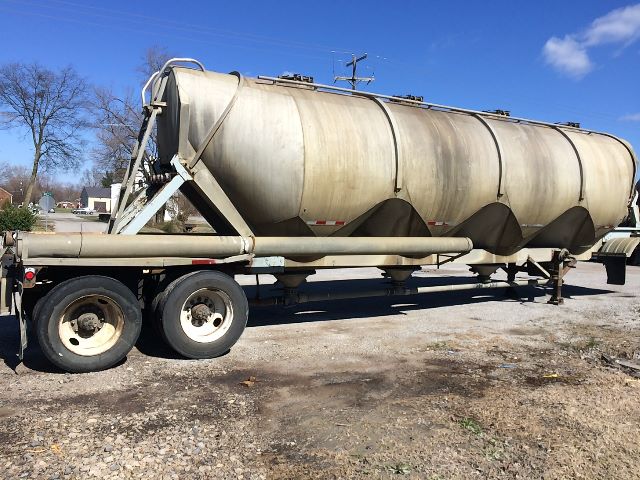
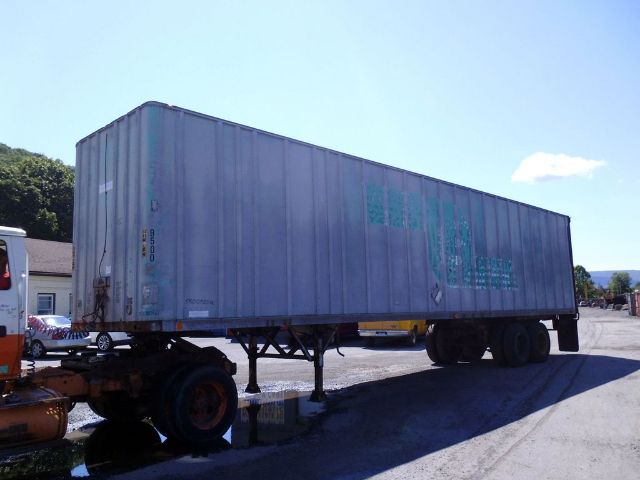
Showing 785 to 812 of 1,066 results
Selling a used trailer? List your used trailer for sale and reach thousands of commercial buyers.
Used Trailers in Oklahoma
Oklahoma operators often need trailers that handle mixed highway and jobsite use, changing weather, and heavy seasonal demand tied to agriculture, energy, aggregates, and construction. That makes inspection points especially important. On dump trailers, look closely at the tub, hoist, hinge points, tarp system, and liner wear. On flatbeds and drop decks, pay attention to deck condition, outriggers, winch tracks, rub rails, and signs of concentrated load damage. Dry vans and reefers should be checked for floor wear, door seal condition, wall integrity, moisture intrusion, and suspension or slider wear. Reefer buyers should also verify unit hours, maintenance records, and current cooling performance.
Specs vary widely by trailer type, but common buying decisions include steel versus aluminum construction, air ride versus spring ride suspension, tandem versus spread axle layout, and drum versus disc brakes. Tire condition, wheel-end service history, ABS function, and lighting reliability can affect immediate operating cost after purchase. For many used trailers, kingpin wear, landing gear operation, frame rust, cracked welds, and uneven tire wear tell a clearer story than paint or decals. If the trailer will run across state lines, buyers should also confirm VIN compliance, DOT inspection status, and any dimensions or axle spacing that affect bridge-law flexibility.
A used trailer can be a strong value when its prior application matches the next job. A former regional freight van may have less structural fatigue than a trailer that spent years on rough lease roads or demolition sites. Buyers in Oklahoma typically get the best long-term result by matching trailer spec to commodity density, loading method, and turnaround speed at the dock or jobsite. That means looking past model year alone and focusing on maintenance history, structural condition, and whether the trailer's suspension, body, and running gear are built for the work cycle ahead.
Frequently Asked Questions about Used Trailers in Oklahoma
What should I inspect first on a used trailer in Oklahoma?
Start with the frame, suspension, brakes, tires, and any structural wear tied to the trailer's application. Check for cracked welds, crossmember damage, kingpin wear, bent landing gear, uneven tire wear, and signs of poor prior repairs. On jobsite trailers such as dumps or equipment haulers, inspect hinge points, hoists, ramps, and concentrated stress areas. Roadworthy lights, ABS function, and wheel-end condition are also important because they directly affect short-term repair cost and uptime.
Which trailer type is most common for Oklahoma hauling?
Oklahoma demand is usually strong for dump trailers, flatbeds, utility trailers, grain and livestock units, dry vans, and lowboys because the state supports agriculture, construction, oilfield activity, and general freight. The best type depends on the freight, not just availability. Aggregates, scrap, and demolition favor dump trailers. Palletized freight fits dry vans. Machinery and oversized equipment often require detachables, lowboys, or step decks with the right axle and deck configuration.
Is aluminum or steel better on a used trailer?
Aluminum trailers usually offer lower tare weight and better corrosion resistance, which helps payload and long-term appearance. Steel trailers are often preferred for severe-duty use because they can be more forgiving in high-impact applications and are commonly used in dumps, equipment trailers, and rugged vocational service. On a used unit, material choice matters less than actual condition. A well-maintained steel trailer can be a better buy than a neglected aluminum one, especially if repairs were done correctly and the trailer's structure remains straight.
How important is suspension type on a used trailer?
Suspension type has a direct impact on ride quality, cargo protection, maintenance cost, and resale appeal. Air ride is popular for many freight applications because it helps reduce cargo shock and is common on dry vans, reefers, and flatbeds. Spring ride can be simpler and durable in some vocational settings. On a used trailer, inspect bushings, airbags, torque arms, hangers, equalizers, and axle alignment because suspension wear often shows up later as tire cost, handling problems, or uneven braking.
What paperwork and compliance items should be verified before buying a used trailer?
Confirm the VIN plate is present and legible, and make sure the title or registration history matches the trailer. Buyers should review current DOT inspection status, brake and ABS condition, tire ratings, lighting, and any state or federal requirements tied to dimensions and axle spacing. If the trailer is specialized, verify that key components such as reefer units, lift axles, ramps, or hydraulic systems are properly identified and functional. Service records and prior repair documentation can also help establish how the trailer was maintained and whether major components are nearing replacement.