
Used 2023 Trailers For Sale
Shop used 2023 trailers for sale, including dry vans, flatbeds, and more. Compare specs, suspension, dimensions, and trailer features.
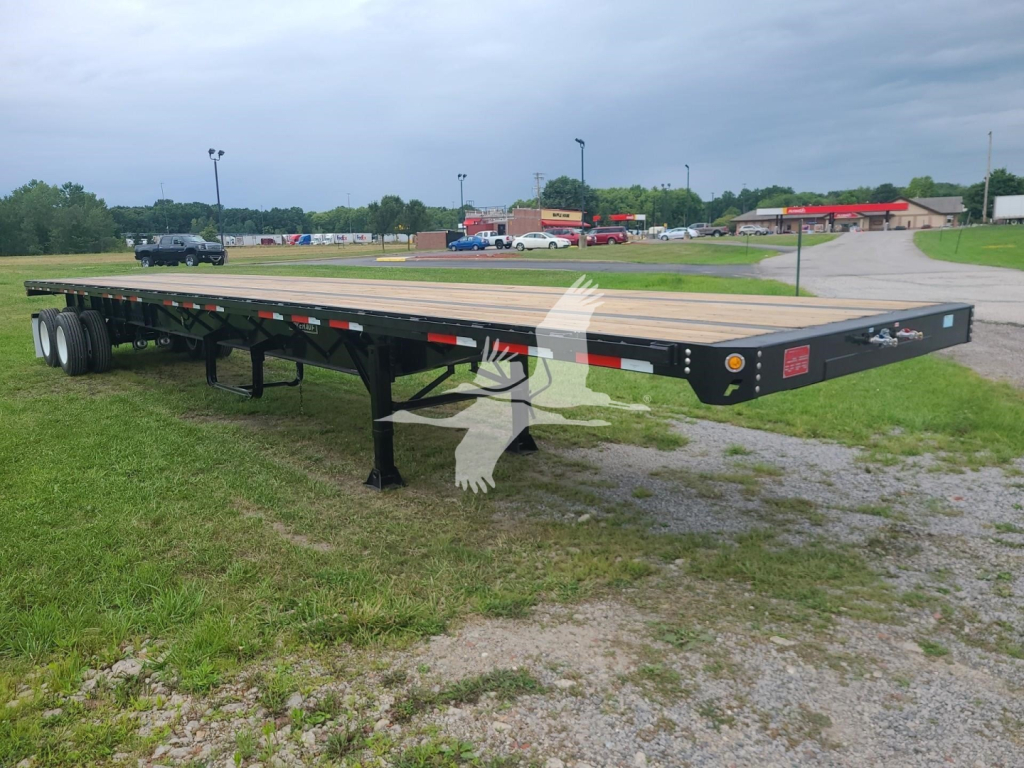
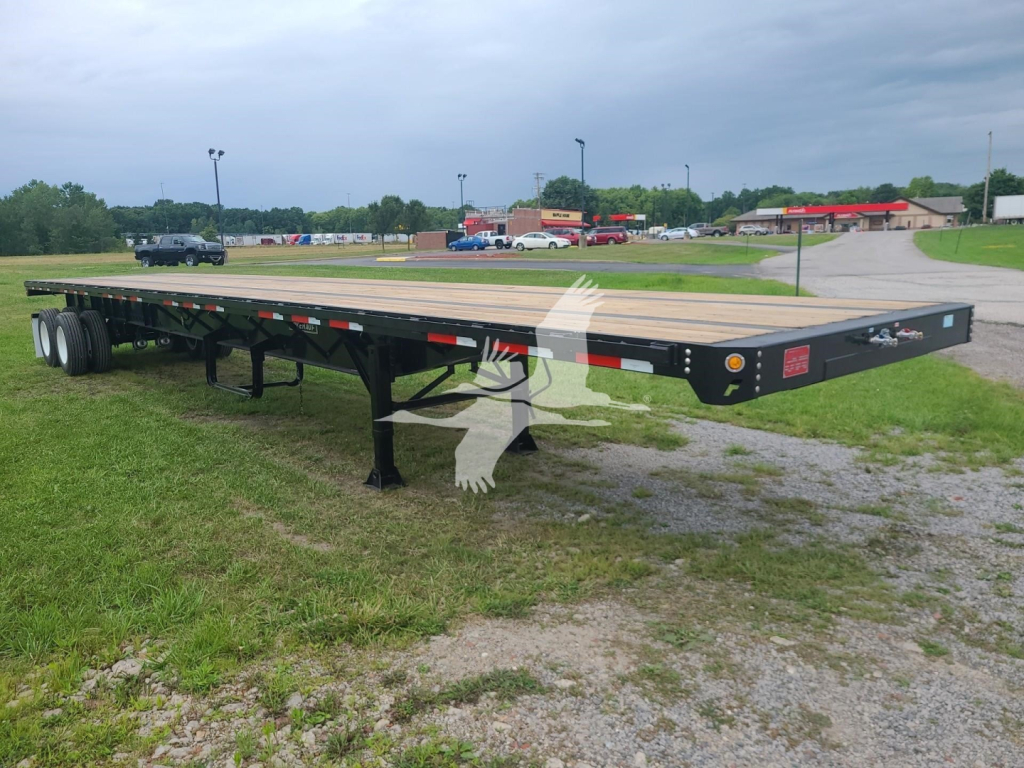
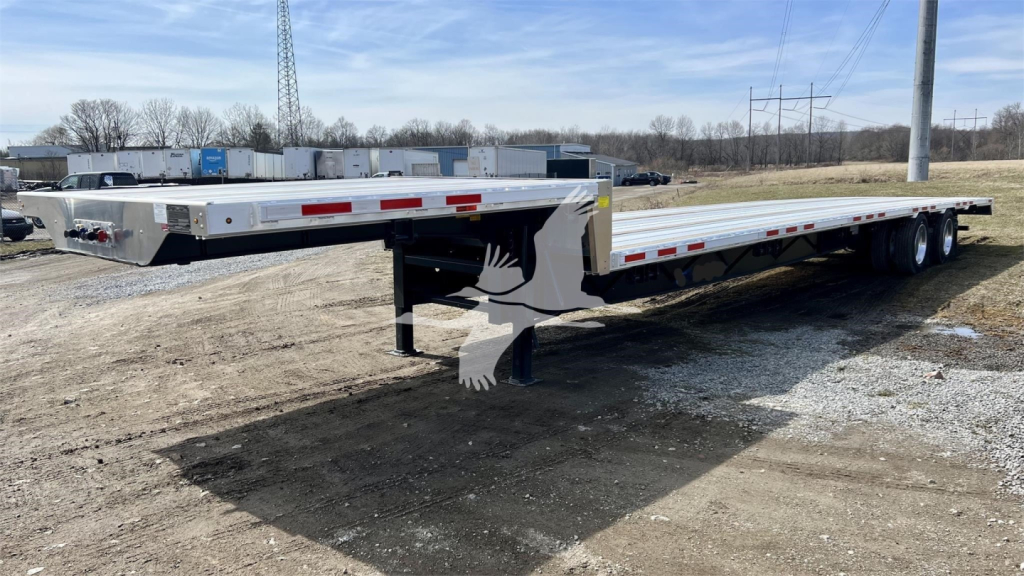
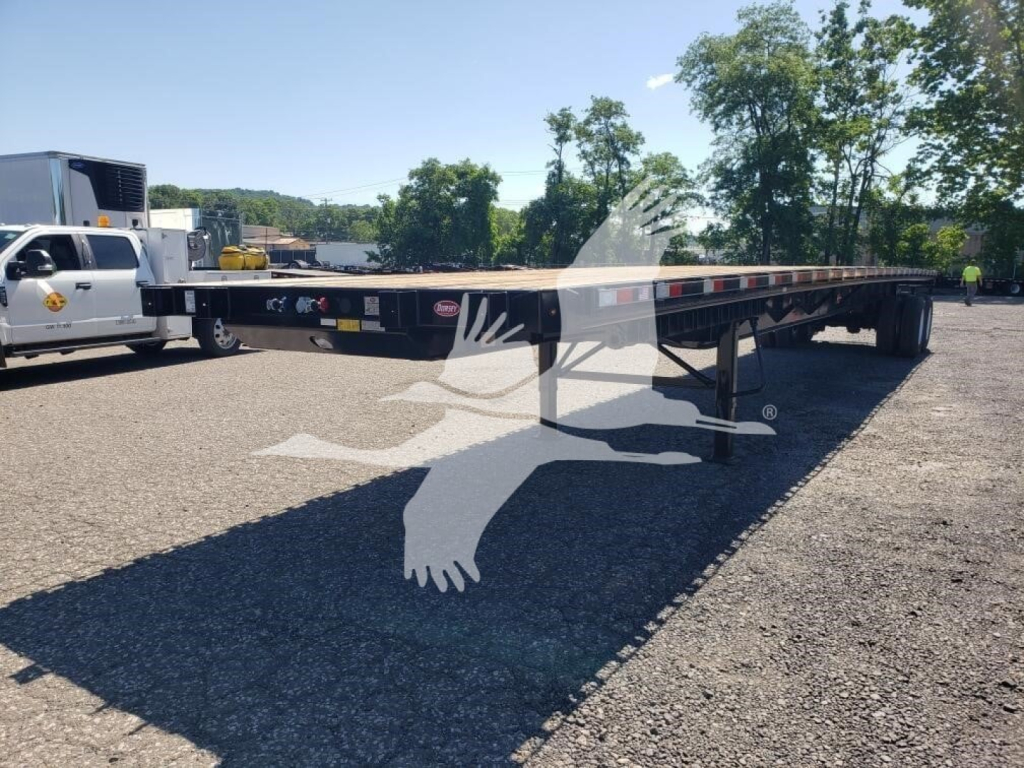
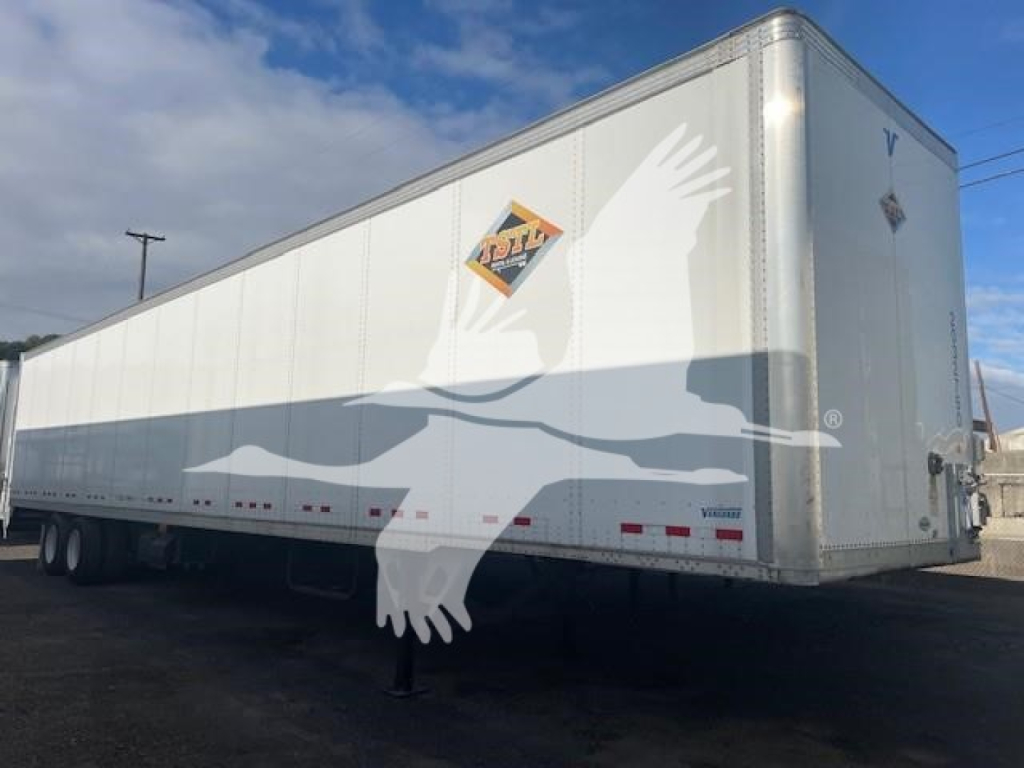
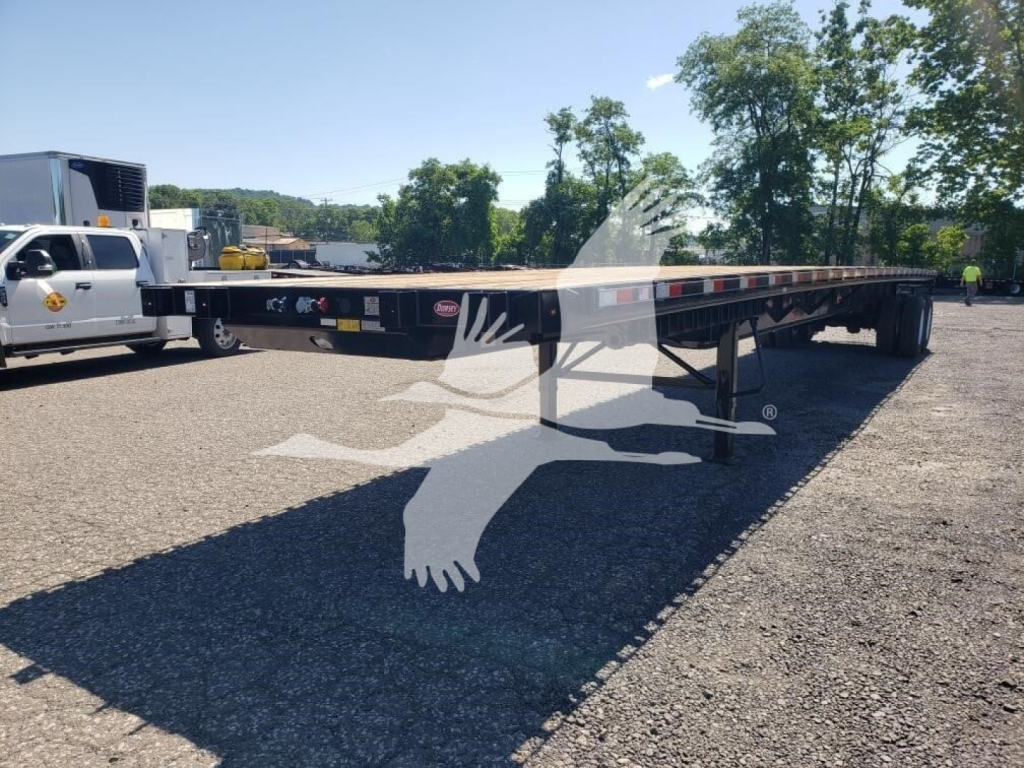

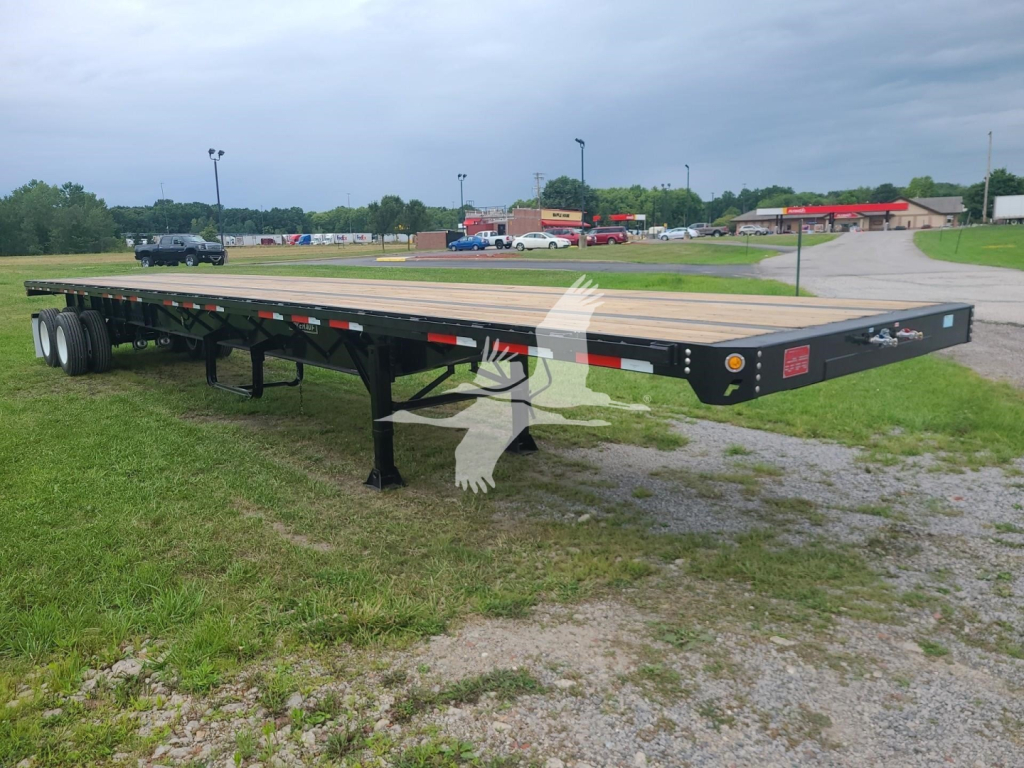

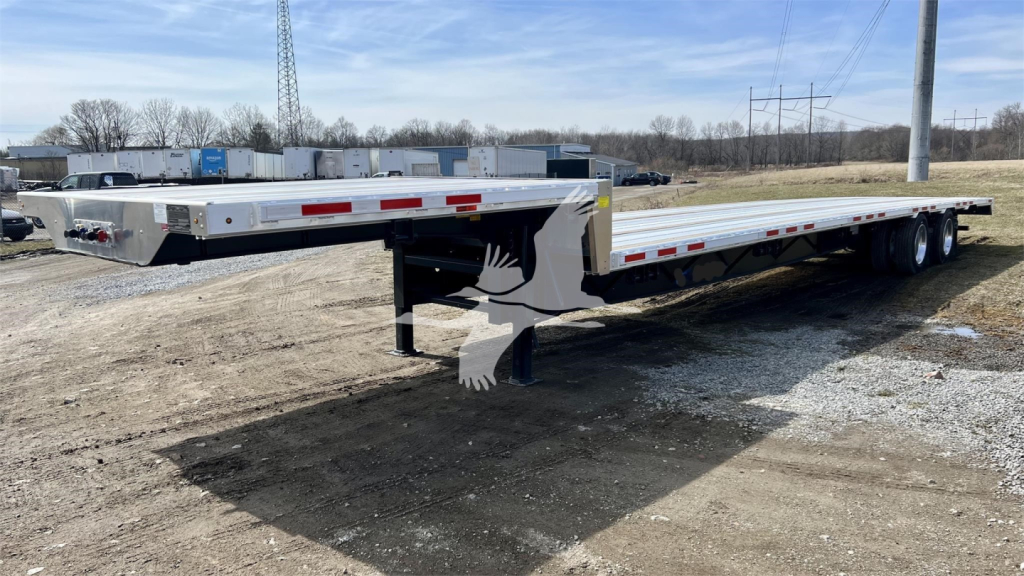
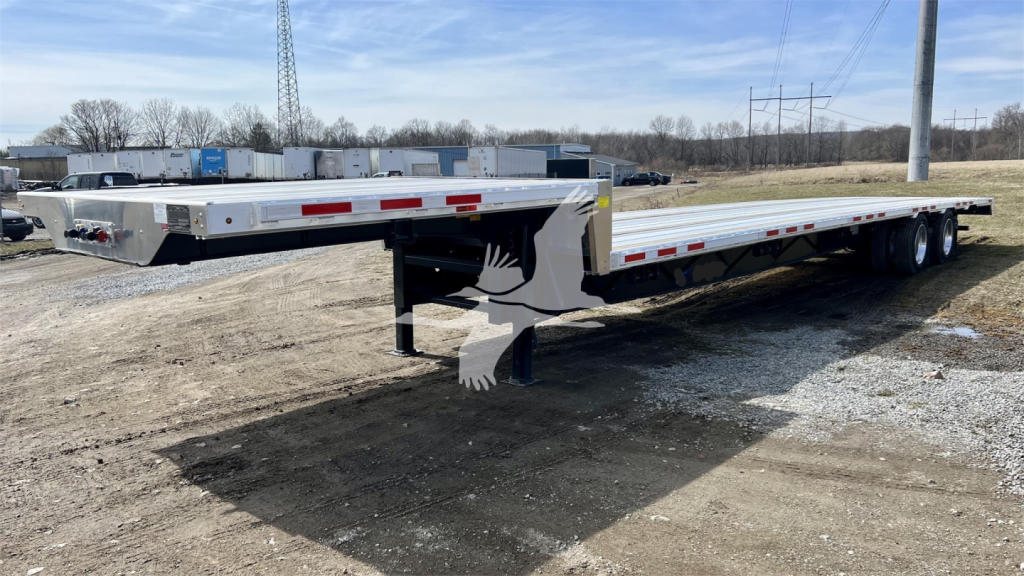
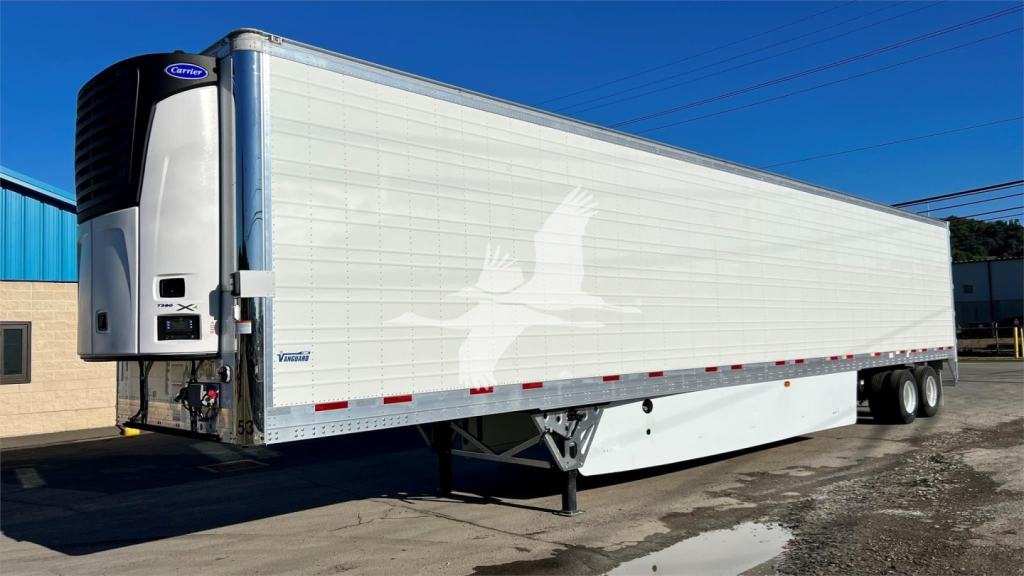
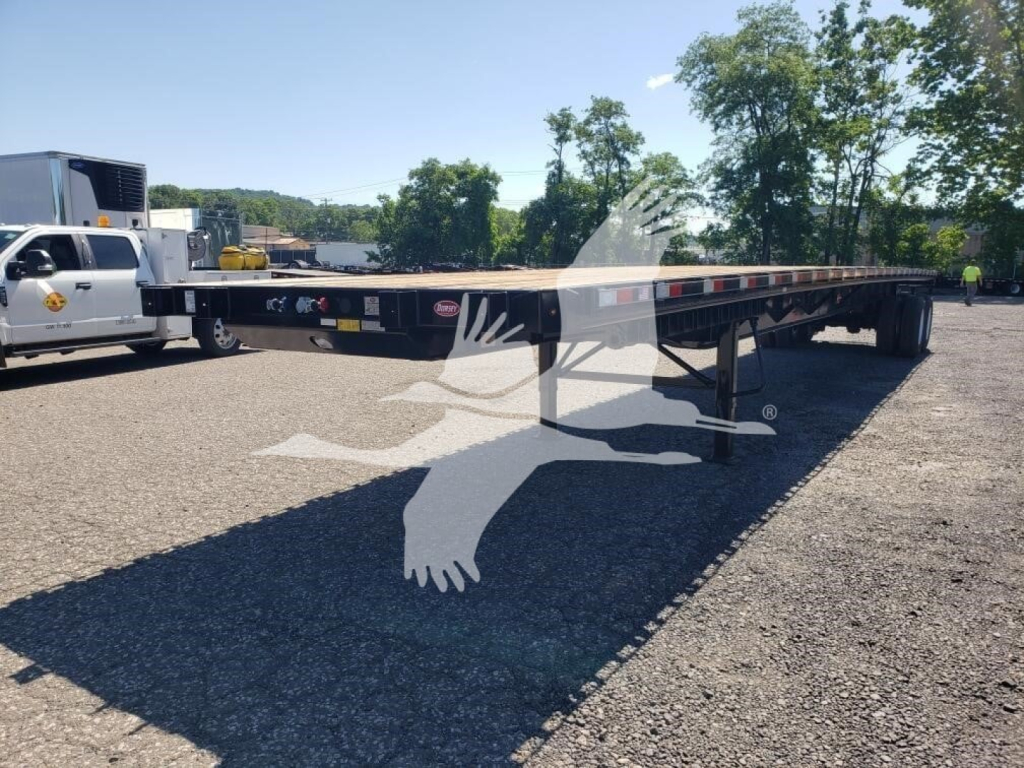
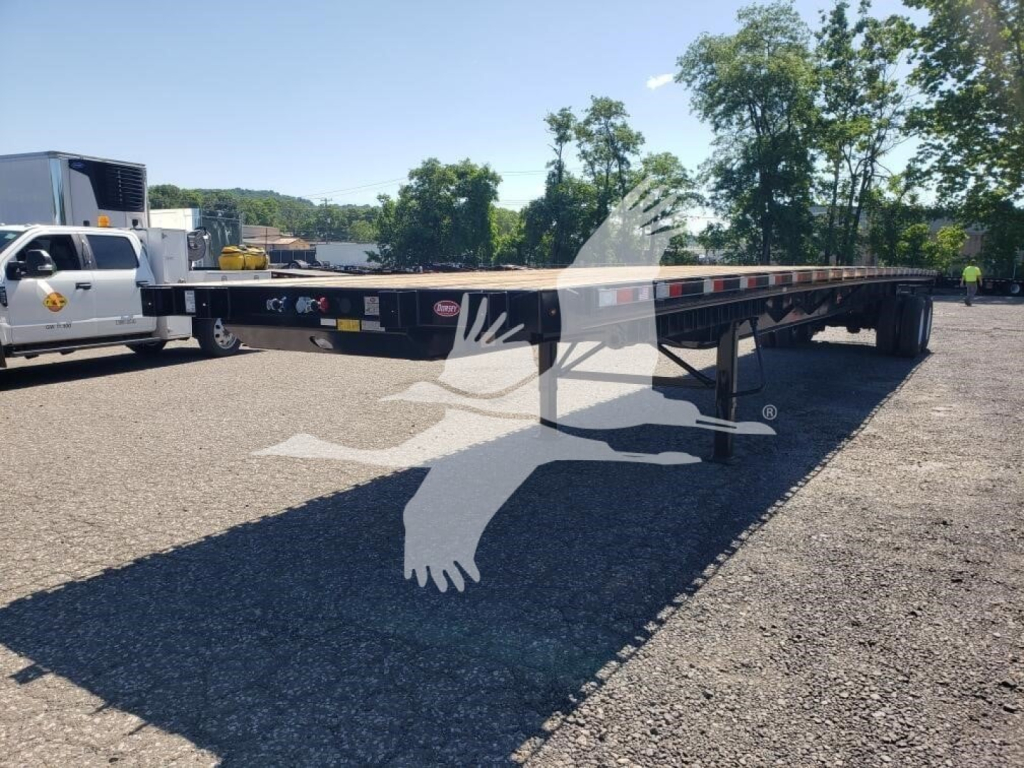

Showing 49 to 72 of 77 results
Have used 2023 trailer to sell? List it here to reach thousands of buyers.
Used 2023 Trailers
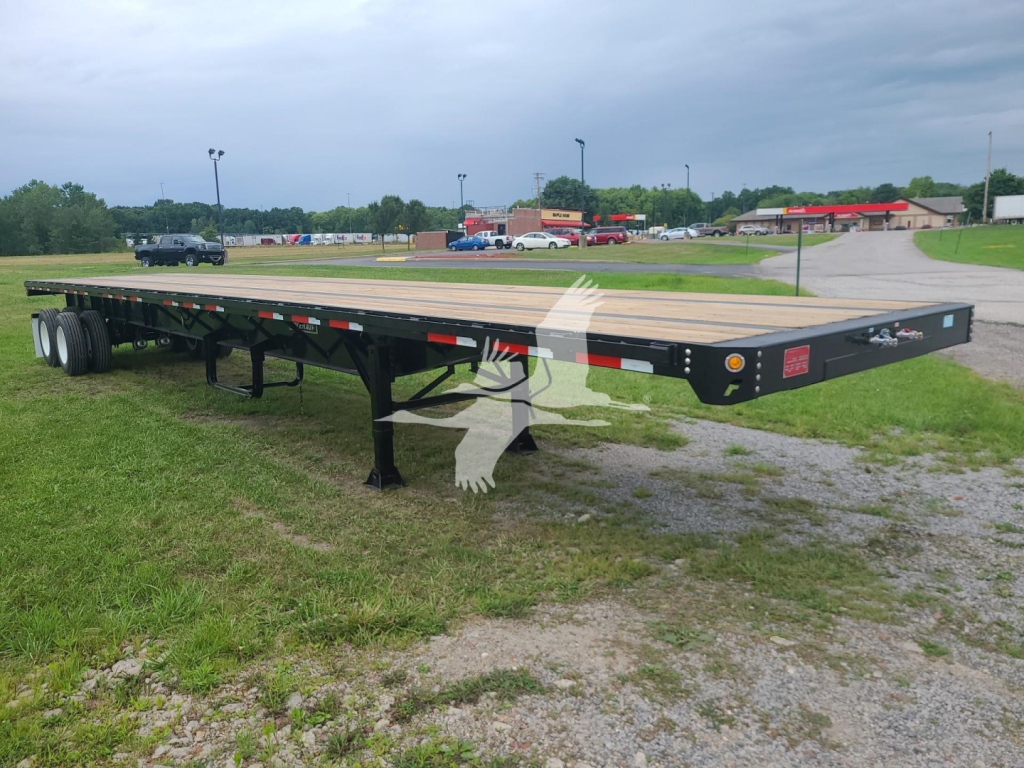
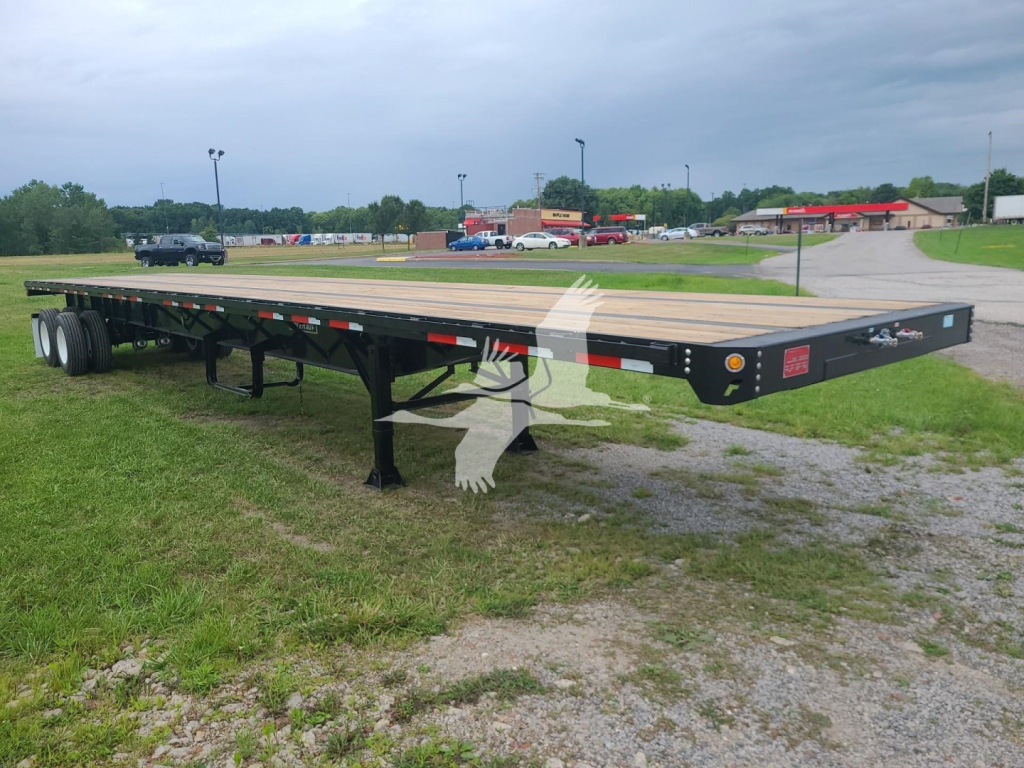
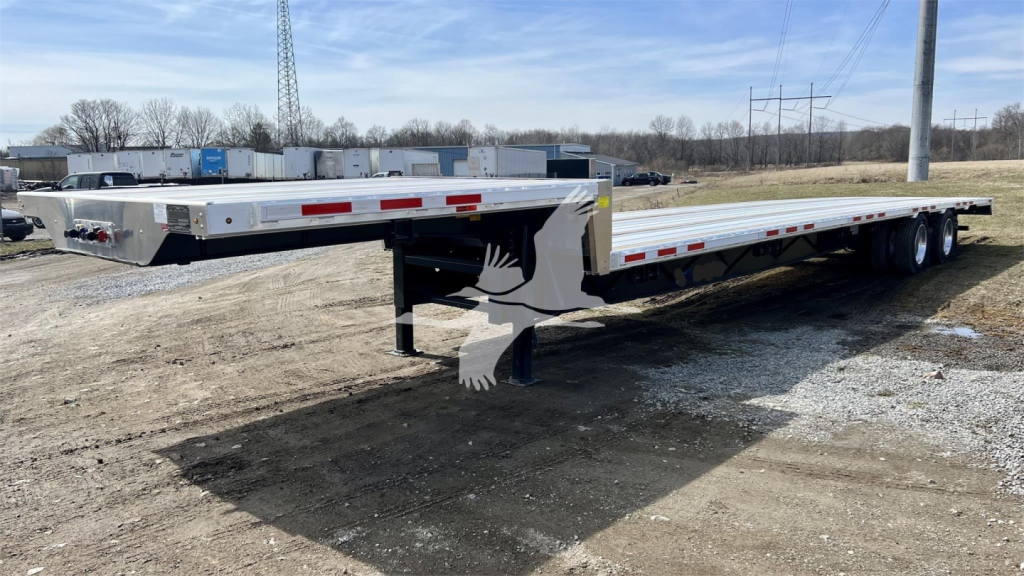
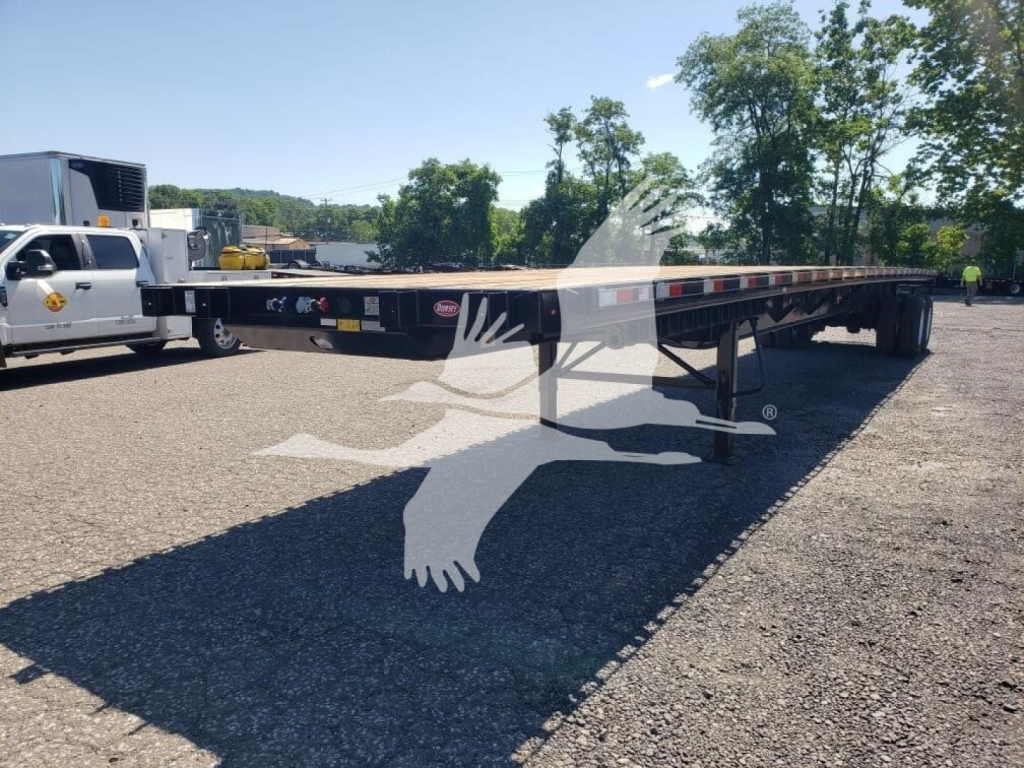
The most important first step is matching the trailer category to the freight. Dry vans, also known as van trailers or enclosed freight trailers, are common for general freight, parcel, retail, and dedicated contract hauling. Buyers usually focus on inside height, floor condition, wall liner package, rear door style, tandem slide range, and signs of dock impact around the threshold and rear frame. Flatbeds are a different decision entirely. On a 2023 flatbed, buyers tend to compare aluminum versus steel construction, axle spacing, spread or closed tandem setup, coil package, winch track layout, floor design, and suspension type. The right spec depends on commodity mix, legal weight targets, loading method, and the states the trailer will run in.
Late-model trailers from 2023 can also bring practical operating advantages that affect cost per mile. Aerodynamic features like side skirts can improve fuel economy in van applications. Air ride suspension helps protect sensitive freight and usually improves ride quality compared with spring setups. Tire inflation systems can reduce irregular wear and roadside downtime. For dry van buyers, details like plywood lining, scuff plate height, vent placement, and E-track spacing matter because they directly affect load securement and interior durability. For flatbed buyers, the condition of the deck, crossmembers, siderails, winches, and landing gear tells you more than paint or polish ever will. A strong inspection should always include brakes, tires, wheel ends, suspension components, frame alignment, and evidence of concentrated forklift or coil loading.
A used 2023 trailer is often a smart fit for fleets expanding capacity, owner-operators adding specialized equipment, or private carriers replacing older units with something newer and easier to maintain. The best value usually comes from buying to your freight profile instead of buying to a generic length and width spec alone. Kingpin setting, tandem configuration, door opening height, inside clearance, trailer tare weight, and repair history all affect how useful the trailer will be in daily service. When comparing listings, buyers should look past the headline year and focus on the combination of trailer type, build material, suspension, load securement equipment, and overall structural condition.
Frequently Asked Questions about Used 2023 Trailers
What should I look for first when buying a used 2023 trailer?
Start with the trailer type and core operating specs. Confirm the length, width, inside height, axle configuration, suspension type, and build material fit your freight and lanes. After that, inspect structural condition closely, including frame rails, crossmembers, floor wear, roof condition on vans, deck condition on flatbeds, wheel ends, brakes, tires, landing gear, and signs of impact damage. A 2023 model year is relatively late-model, but condition and prior use still matter more than age alone.
Are used 2023 dry vans a good value compared with older van trailers?
Yes, many buyers see 2023 dry vans as a strong value because they often include modern fleet specifications such as air ride, sliding tandems, roll-up doors, side skirts, tire inflation systems, and logistics-ready interiors. They are new enough to offer current design features and potentially lower maintenance exposure than older units, but they usually cost less than a brand-new trailer. The real value depends on floor condition, rear frame wear, door operation, liner damage, and how hard the trailer was worked.
What features matter most on a used 2023 flatbed trailer?
The most important flatbed features depend on the freight, but buyers usually focus on trailer composition, axle spread, suspension, deck condition, coil package, winch setup, and overall tare weight. Aluminum flatbeds can help with payload, while axle spacing and spread configuration affect bridge compliance and load placement flexibility. Check the floor, crossmembers, rub rail, stake pockets, and landing gear carefully, because these areas show how the trailer handled concentrated loads and repeated securement use.
Is air ride suspension better than spring suspension on a used trailer?
Air ride suspension is preferred in many applications because it generally provides a smoother ride, better freight protection, and improved trailer stability under many load conditions. It is especially common on late-model dry vans and premium flatbeds. Spring suspension can still be a practical choice for certain operations and may be simpler in some fleets, but air ride is often favored when cargo protection, driver acceptance, and overall ride quality are priorities.
Do 2023 trailers usually come with fleet-spec features like side skirts and tire inflation systems?
Many do, especially trailers that came out of large fleet or dedicated-contract service. On dry vans, it is common to find side skirts, automatic tire inflation systems, air lift front axles, E-track, plywood lining, scuff protection, and undertray storage. These features can reduce operating costs, improve freight securement, and support easier daily use. Buyers should still verify each individual trailer's spec because equipment packages vary widely by original fleet order.