
Used 2023 Drop Deck Trailers For Sale
Shop used 2023 drop deck trailers with key specs, deck heights, lengths, axle setups, and hauling features for taller legal freight.
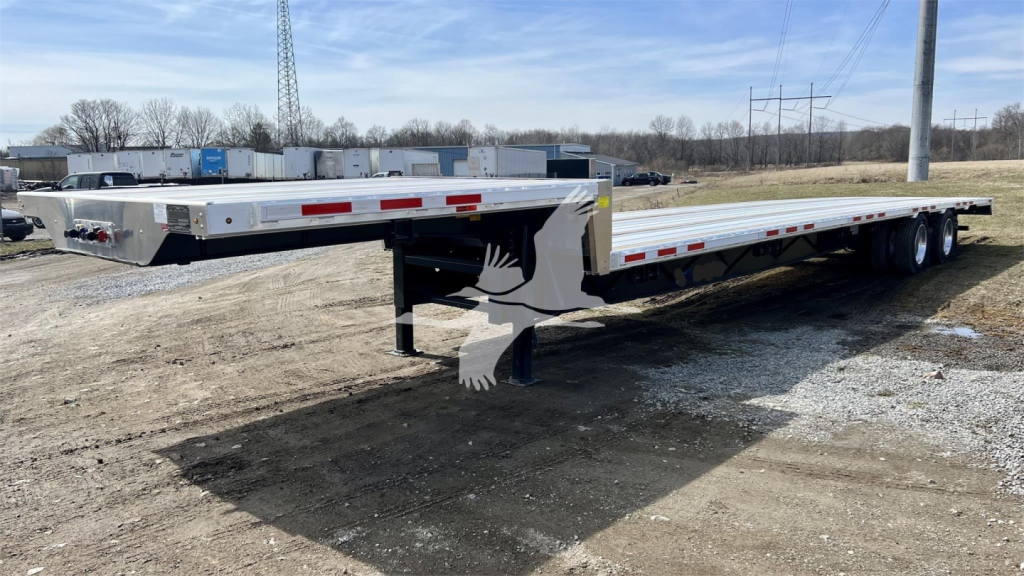
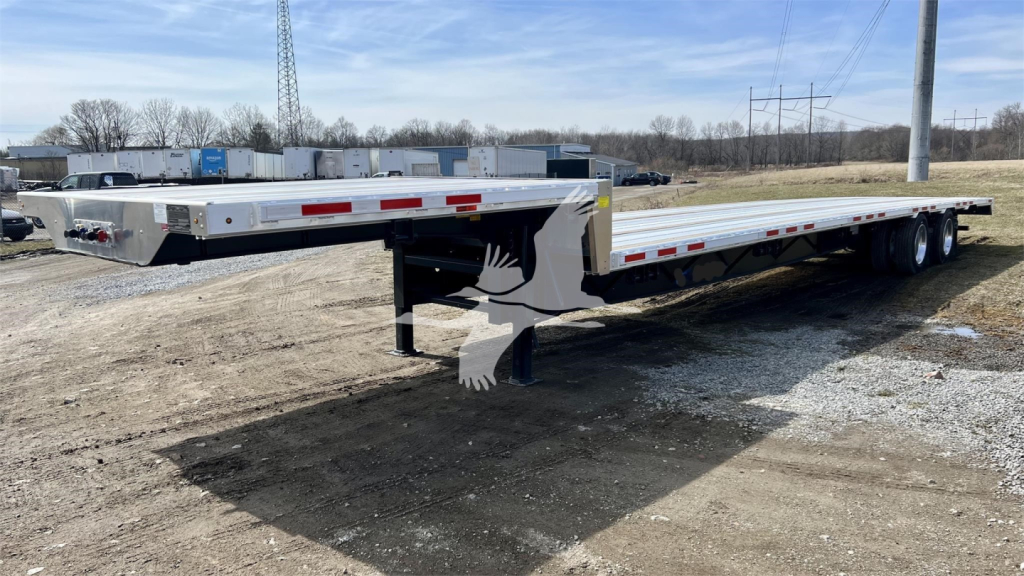
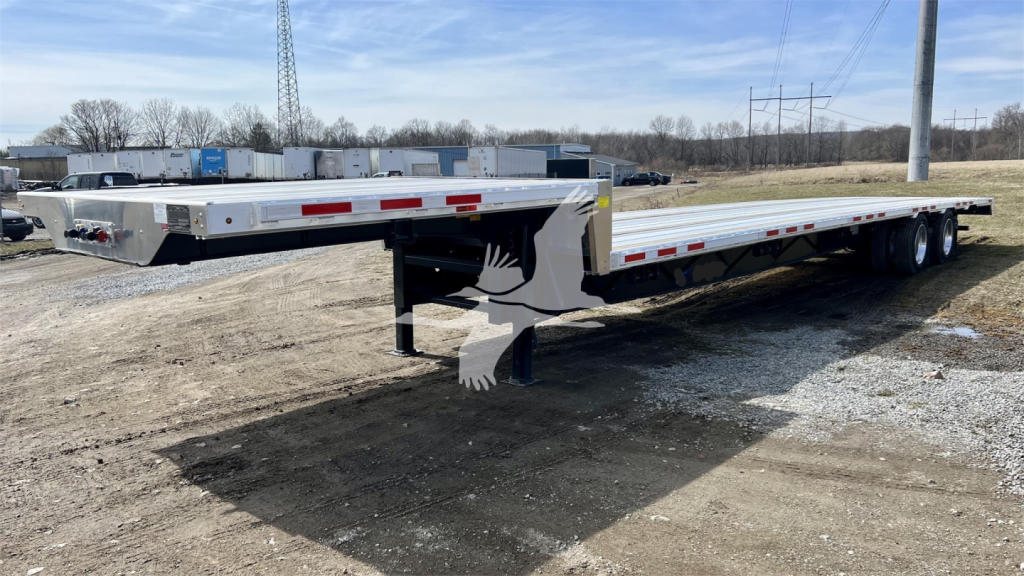
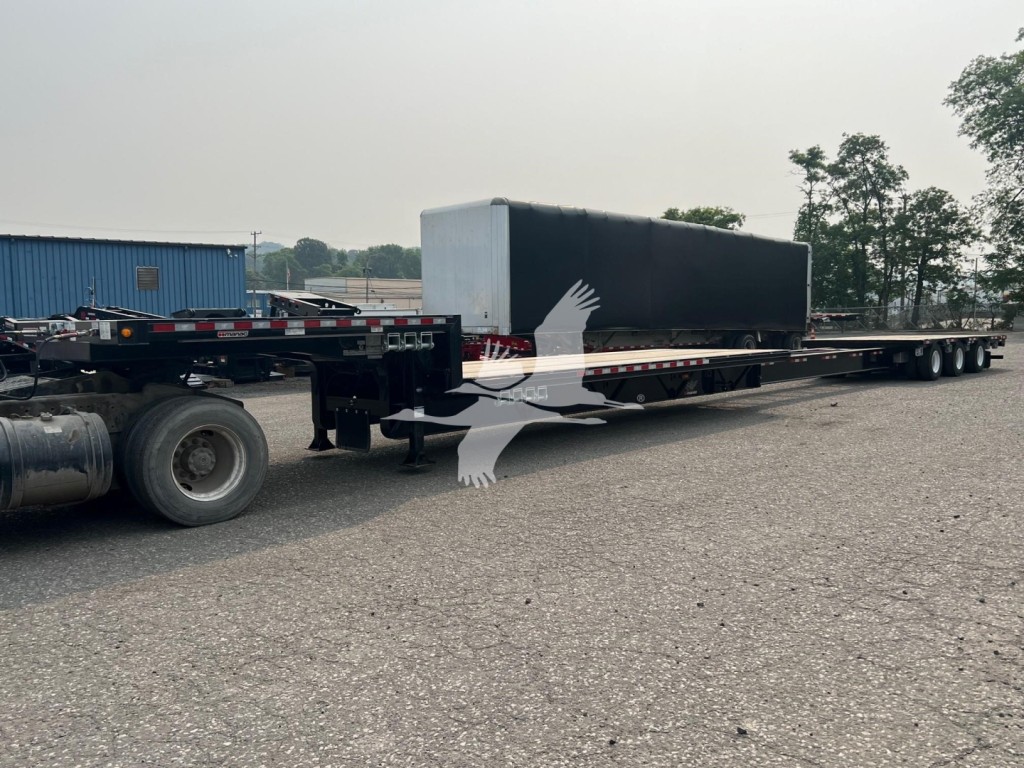
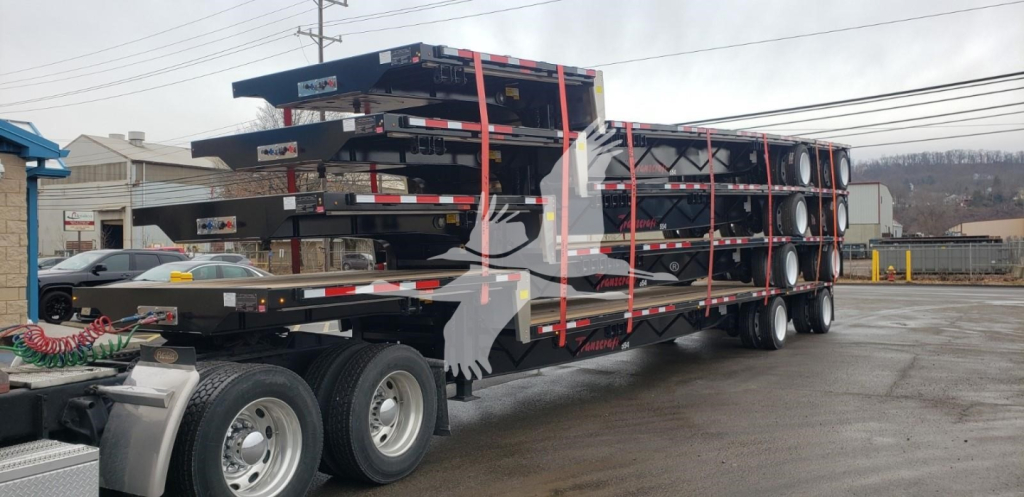
Selling a used 2023 drop deck trailer? List your used 2023 drop deck trailer for sale and reach thousands of commercial buyers.
Used 2023 Drop Deck Trailers
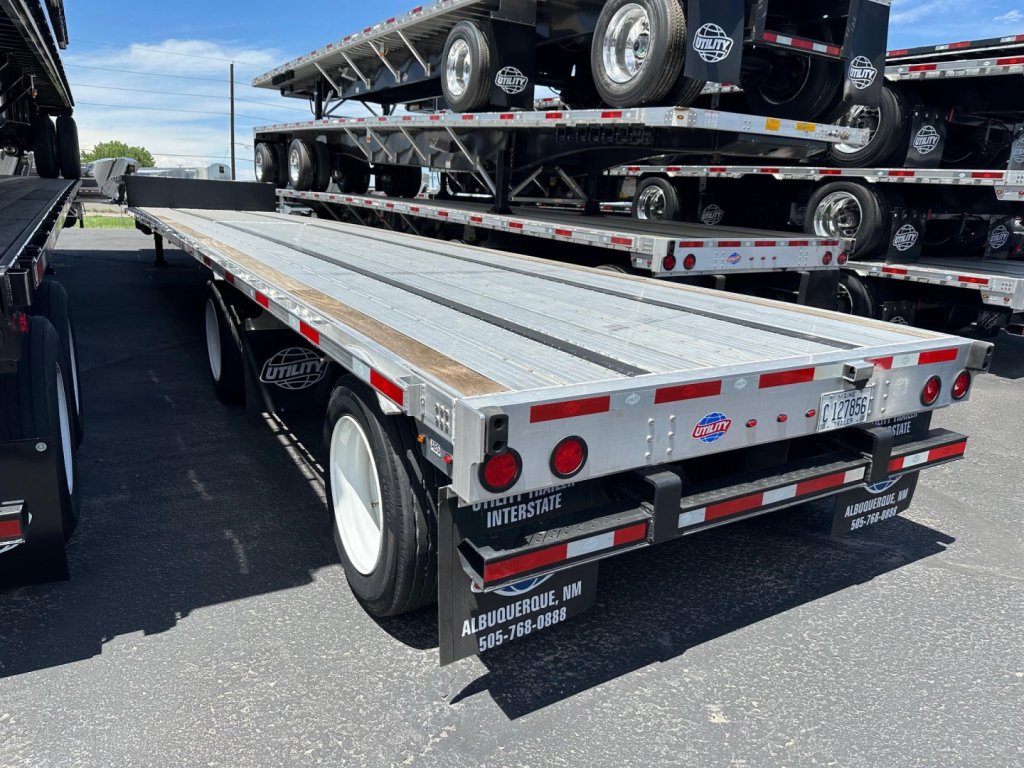
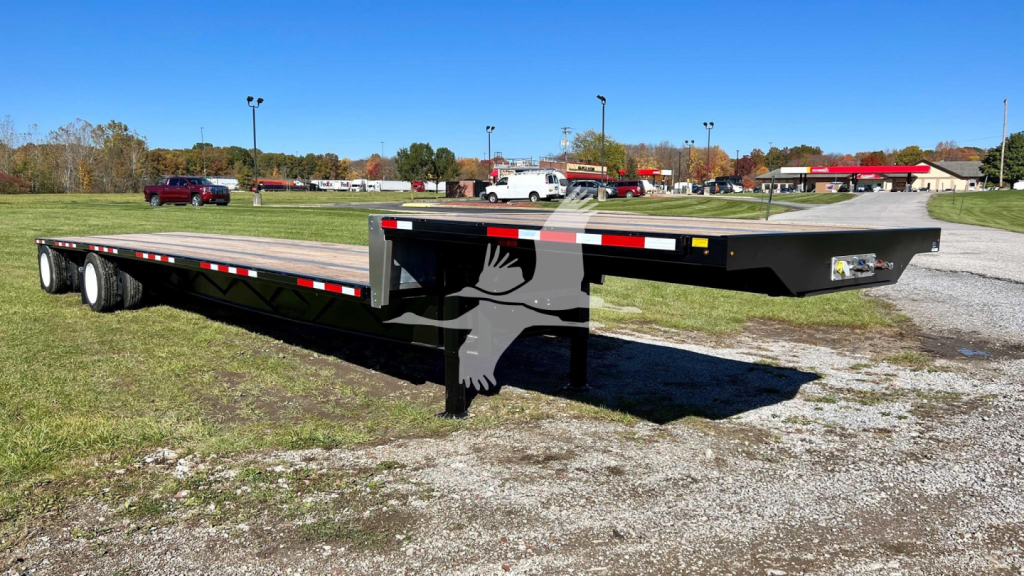
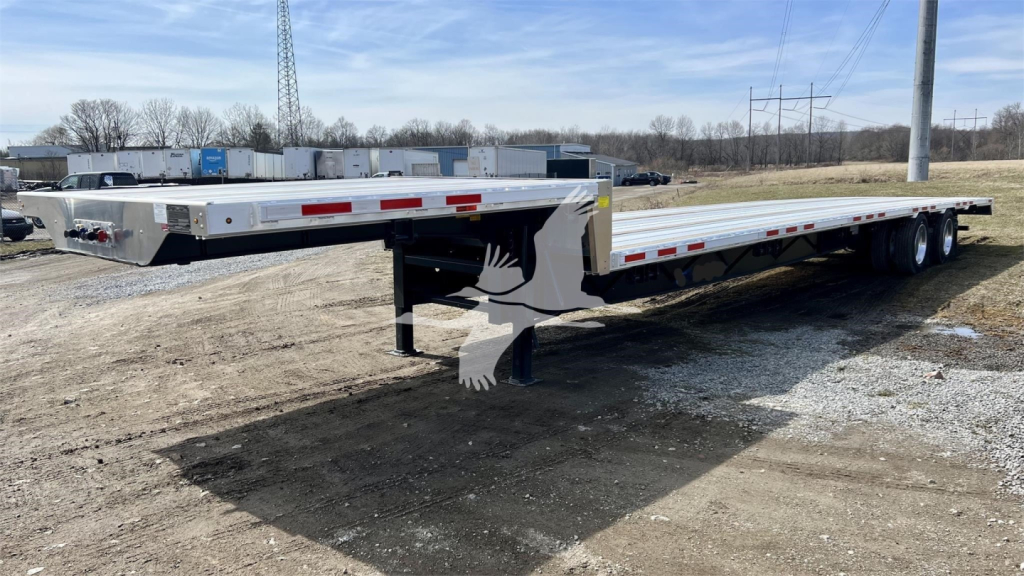
The first specs to compare are main deck height, trailer weight, and axle configuration. Many drop decks run a loaded deck height around 40 to 41 inches, though that can vary with suspension, tire size, and frame design. A lighter aluminum drop deck can improve payload, while a steel trailer may appeal to buyers prioritizing durability in tougher loading environments. Tandem axle models are common for general freight, while spread axle and tri-axle setups can help with bridge law compliance, weight distribution, and specialized loads. Air ride suspension remains the standard on most late-model trailers because it protects cargo better and improves ride quality for sensitive equipment.
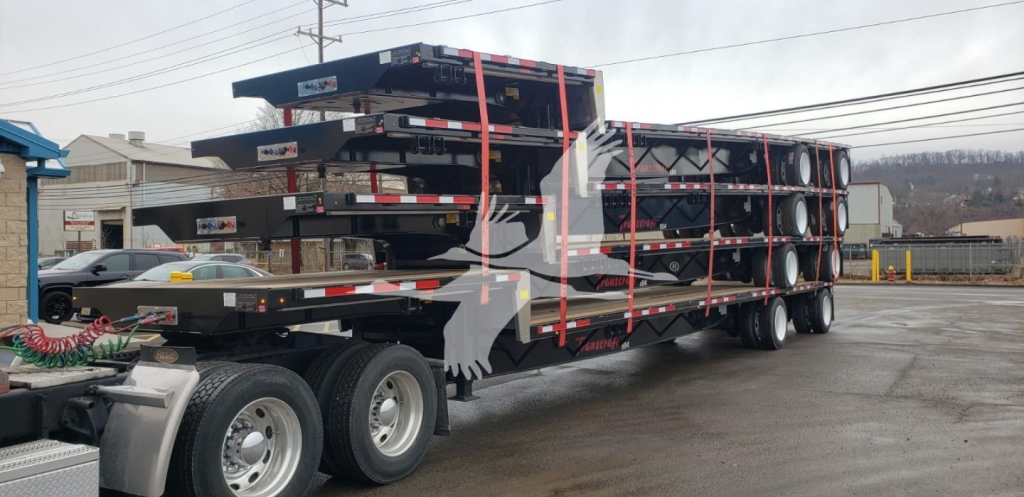
Deck construction and securement equipment matter as much as dimensions. Apitong flooring is still common on steel trailers because it holds up well under concentrated equipment loads, while aluminum floor designs reduce empty weight and can still be configured with nail strips, extra crossmembers, and coil packages. Buyers should pay close attention to crossmember spacing, side rail design, winch tracks, sliding winches, pipe spools, and whether the trailer is equipped for the type of freight they actually move. Features such as beavertails, spring-assisted ramps, tail rollers, bulkheads, disc brakes, tire inflation systems, lift axles, and dump valves can make a major difference in loading speed, cargo versatility, and maintenance cost.
On a used 2023 model, condition should be evaluated beyond the basic age of the trailer. Check floor wear, deck straightness, ramp hinge areas, suspension components, brake type and remaining life, tire condition, wheel mix, kingpin area, landing gear operation, and any signs of concentrated overloading around the drop transition. It is also worth confirming deck length on the lower section, kingpin setting, and the exact securement package, because those details affect everyday compatibility with your freight mix and tractor setup. A good drop deck should match your lanes, your commodity profile, and your loading method, not just your target price.
Frequently Asked Questions about Used 2023 Drop Deck Trailers
What is the main advantage of a drop deck trailer compared with a flatbed?
A drop deck trailer gives you more legal cargo height because the main deck sits lower than a standard flatbed deck. That extra height is the reason many carriers use step decks for machinery, building materials, and other freight that would exceed legal height on a flatbed. You still keep the loading flexibility of an open trailer, but with more room to stay compliant without permits on many loads.
What lengths and configurations are common on drop deck trailers?
The most common drop deck lengths are 48 feet and 53 feet, usually with a top deck around 10 to 11 feet long and a longer lower deck for the main cargo area. Width is typically 102 inches. Buyers will commonly see tandem axle, spread axle, and tri-axle configurations, depending on payload targets, bridge law needs, and the type of freight being hauled. The right configuration depends on your commodity mix and the states you run most often.
Should I choose an aluminum or steel drop deck trailer?
Aluminum drop deck trailers usually offer lower empty weight, which helps maximize payload and fuel efficiency. Steel drop decks generally weigh more but are often favored for rugged use, repetitive equipment loading, and operations where durability is prioritized over every pound of payload. The better choice depends on whether your business is limited more often by weight, loading conditions, or long-term structural wear.
What features should I look for on a used 2023 drop deck trailer?
Important features include deck height, lower deck length, floor type, crossmember spacing, winch track placement, number of sliding winches, pipe spools, and axle spread. Application-specific equipment such as ramps, a beavertail, bulkhead, lift axle, disc brakes, tire inflation system, or coil package can also add real value. A used 2023 trailer should also be inspected for tire wear, brake condition, suspension performance, frame alignment, landing gear function, and wear around the kingpin and drop transition.
What types of freight are best suited for a drop deck trailer?
Drop deck trailers are commonly used for taller legal freight that needs open-deck loading from the side, rear, or overhead. Typical cargo includes forklifts, skid steers, compact construction equipment, lumber, steel products, industrial components, palletized freight, and crated machinery. They are especially useful when cargo height rules out a flatbed but the load does not justify a lowboy or detachable trailer.