
Used 2017 Trailers For Sale in Colorado
Shop used 2017 trailers in Colorado, including van, reefer, flatbed, dump, and lowboy trailers with specs that matter to working fleets.
Learn more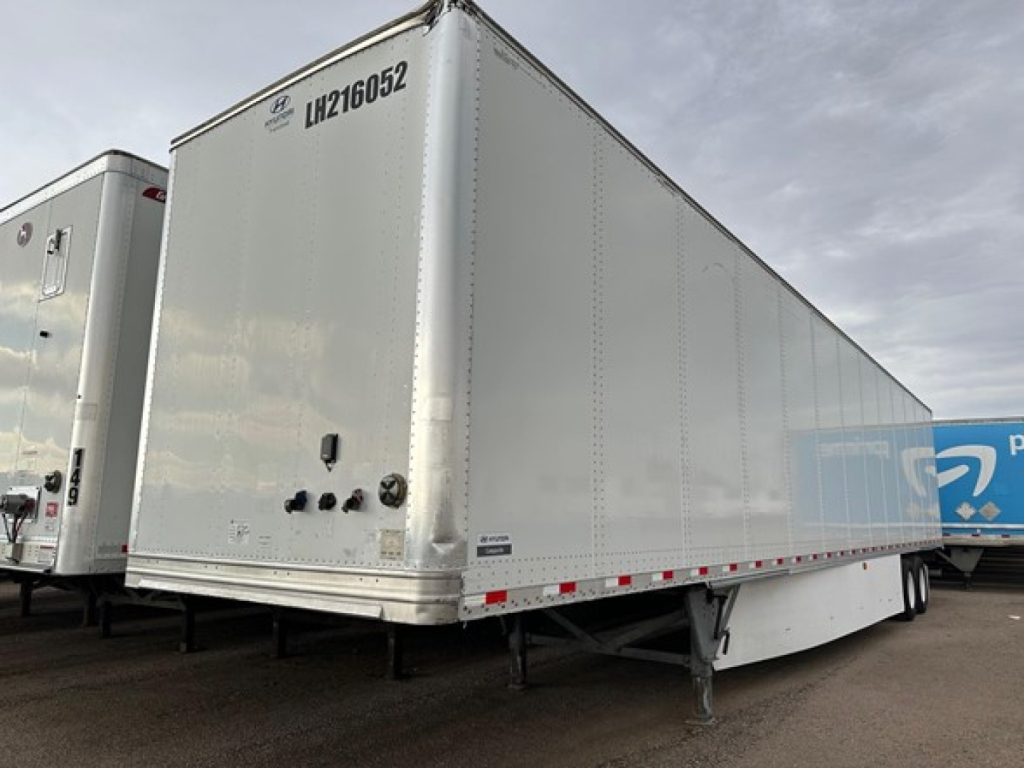
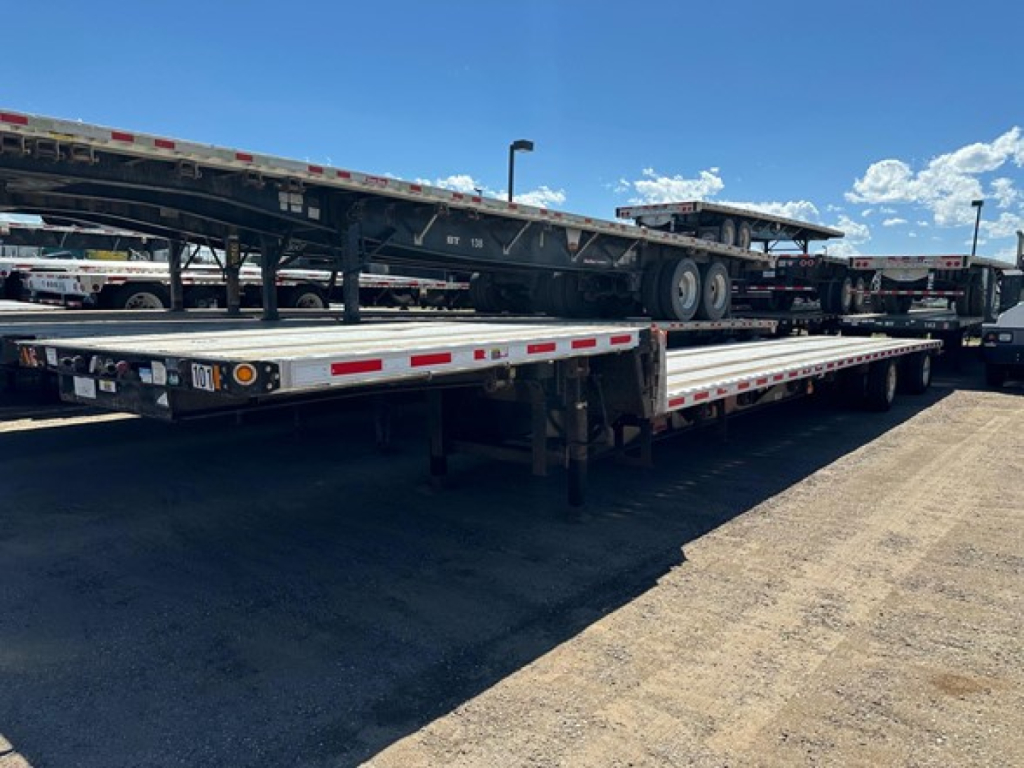
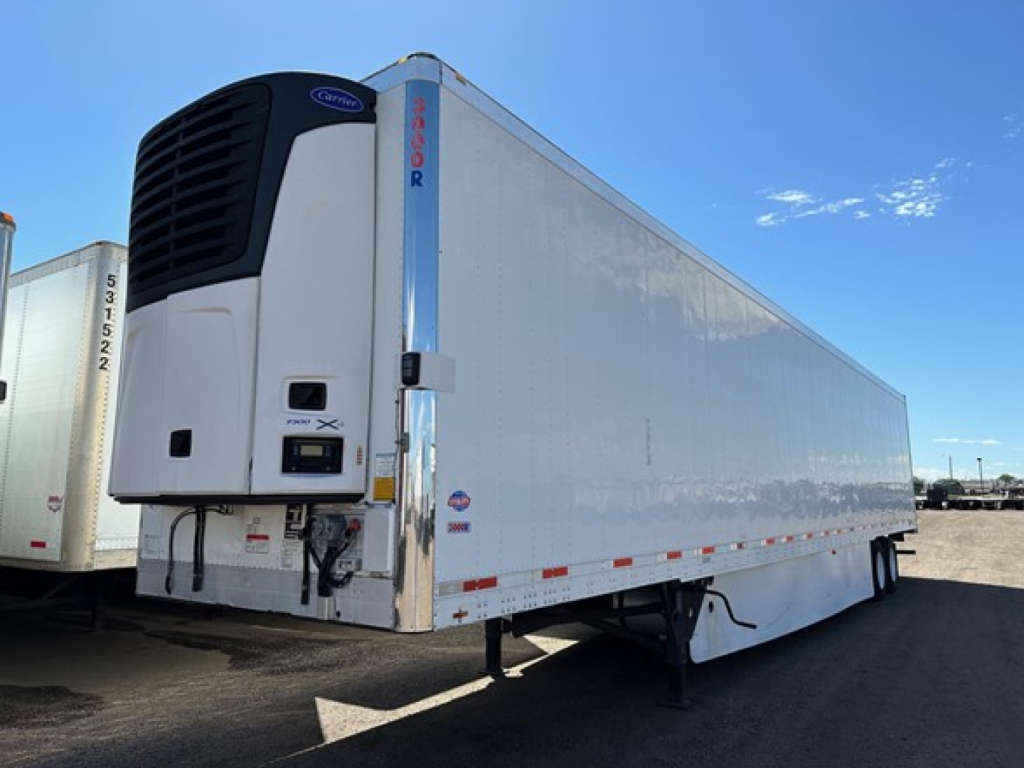
Showing 25 to 27 of 27 results
Have used 2017 trailer to sell? List it here to reach thousands of buyers.
About Used 2017 Trailers in Colorado
The biggest decision is trailer category. A 2017 dry van is often built around 53-foot by 102-inch dimensions, air ride, sliding tandems, wood or composite floors, scuff liners, logistics posts, and either swing or roll-up doors. Reefer trailers from this era commonly use Carrier or Thermo King units, aluminum duct floors, insulated walls, and air-ride slider suspensions. If cold chain freight is the target, reefer hours, unit service records, evaporator condition, and floor wear matter as much as the trailer shell itself. Flatbeds and combo flatbeds in this age range are typically evaluated by deck condition, crossmember fatigue, winch track setup, coil package, and corrosion around steel main beams or aluminum components. Lowboys and detachables need closer review of kingpin settings, deck height, hydraulic systems, pony motor condition, axle alignment, and concentrated load ratings.
Colorado buyers also need to think about application-specific durability. Dump and side dump trailers see high stress at pivot points, tub seams, suspension mounts, and hoist or hydraulic components, especially in aggregate, demolition, and road work. Vans and reefers used in regional grocery, retail, or warehouse freight should be checked for interior lining damage, threshold wear, rear frame fatigue, and tandem slider function. Lowboys and heavy-haul trailers should be matched carefully to machine weights, loading angles, bridge law needs, and route restrictions through mountain corridors. On any 2017 used trailer, tire size, wheel material, brake configuration, and suspension type can affect uptime and operating cost more than the badge on the nose.
A good buyer narrows the search by freight first, then by structural condition and serviceability. Look for signs of repair quality, not just signs of repair. Check VIN tags, suspension specs, axle ratings, and any evidence of prior fleet maintenance programs. A 2017 trailer in Colorado can make sense for owner-operators, private fleets, and construction outfits if the trailer has the right spec, a straight frame, and wear consistent with its job. The goal is not simply finding the lowest priced used trailer. The goal is finding a 2017 trailer that can go to work without creating avoidable downtime.
Frequently Asked Questions
What should I inspect first on a used 2017 trailer?
Start with the structural items that are expensive to correct. That includes the frame, crossmembers, suspension mounts, landing gear, brakes, wheel ends, tires, and floor or deck condition. On vans and reefers, inspect the rear frame, door hardware, scuff liners, and interior lining. On flatbeds and lowboys, pay close attention to deck wear, cracks around stress points, winch tracks, kingpin area, and axle alignment. Cosmetic wear is expected on a 2017 trailer, but structural damage, poor repairs, and uneven tire wear can point to ongoing operating problems.
Is a 2017 trailer too old for fleet use?
Not necessarily. Many 2017 trailers are still well within a productive service life if they were maintained correctly and matched to the right application. Age matters less than maintenance records, prior use, and current condition. A 2017 reefer with strong unit service history may be a better buy than a newer trailer with deferred maintenance. The same holds true for dry vans, flatbeds, dumps, and lowboys. Buyers should evaluate remaining life in the brakes, tires, floors, suspension, and major components instead of focusing on model year alone.
What trailer types are common in the used 2017 market?
The used 2017 trailer market usually includes dry vans, reefers, flatbeds, step decks, lowboys, dump trailers, and side dumps. Dry vans and reefers are common in general freight and temperature-controlled work. Flatbeds and step decks handle steel, lumber, equipment, and building materials. Lowboys are used for heavy equipment and over-dimensional loads. Dump and side dump trailers are common in construction, aggregate, and site work. The right choice depends on freight, route demands, loading method, and how much weight needs to be carried legally.
What matters most when buying a used 2017 reefer trailer?
Reefer buyers should focus on both the trailer body and the refrigeration unit. Unit hours, maintenance records, fuel system condition, evaporator and condenser cleanliness, and temperature performance are key. The trailer itself should be checked for insulated wall damage, floor wear, rear door seal condition, and air leaks. A reefer trailer can look clean and still have expensive deferred unit maintenance, so the refrigeration system deserves the same level of inspection as the trailer chassis.
Are used 2017 trailers in Colorado spec'd differently than trailers in other regions?
They can be. Colorado service often means more elevation change, winter operation, and mixed on-road conditions. Buyers may see stronger interest in air ride suspensions, tire inflation systems, durable wheel and tire packages, and trailer setups suited for mountain corridors and regional distribution. For vocational trailers, buyers should also watch for wear tied to aggregate, oilfield, or construction use. Regional use patterns affect how a trailer ages, so location is useful context when evaluating overall condition.