
Used 2016 Trailers For Sale in Pennsylvania
Shop used 2016 trailers in Pennsylvania, including dry vans, flatbeds, step decks, lowboys, reefers, dumps, and specialty trailer types.
Learn more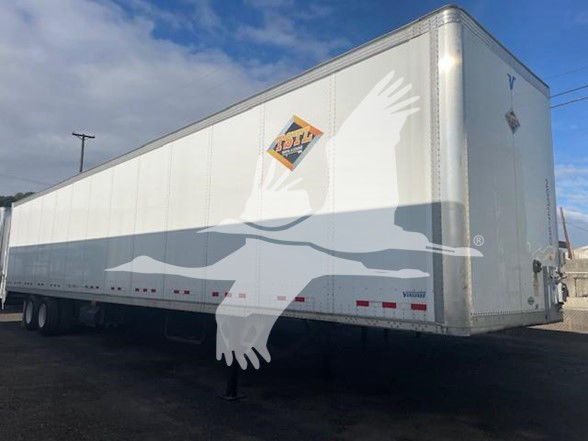
Showing 1 to 12 of 20 results
Have used 2016 trailer to sell? List it here to reach thousands of buyers.
About Used 2016 Trailers in Pennsylvania
For dry vans and reefers, buyers usually start with length, interior height, door opening, floor condition, and suspension setup. A 53-foot van with air ride, 49-inch sliding tandem, galvanized rear frame, and a sound oak floor is still a practical fleet spec for general freight, retail, and drop-and-hook work. Logistics posts, scuff liners, roof condition, threshold wear, and signs of sidewall repair matter as much as the tires and brakes. On refrigerated trailers, unit hours, evaporator condition, insulation integrity, and door seal condition are just as important as the trailer chassis. Pennsylvania buyers also tend to pay close attention to corrosion on crossmembers, rear impact guards, and landing gear because road salt can shorten service life if a trailer was not maintained well.
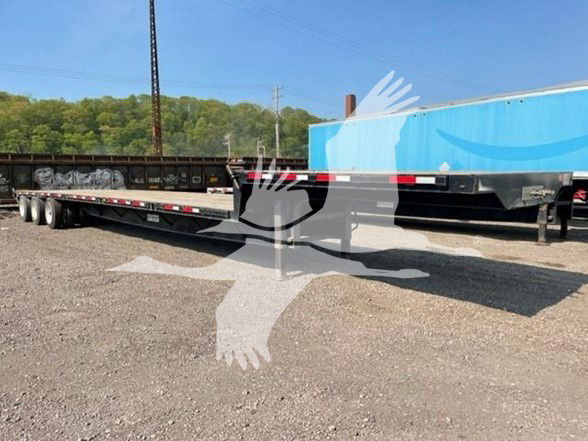
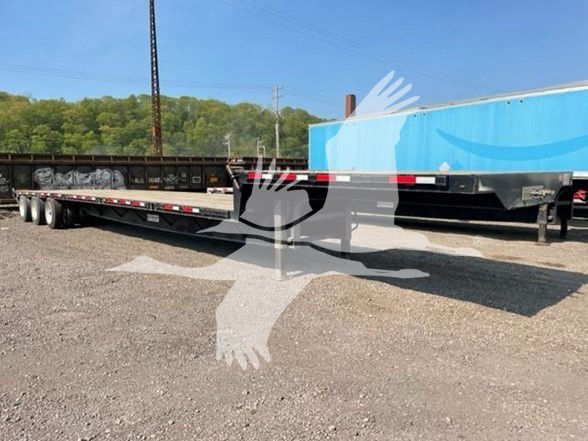
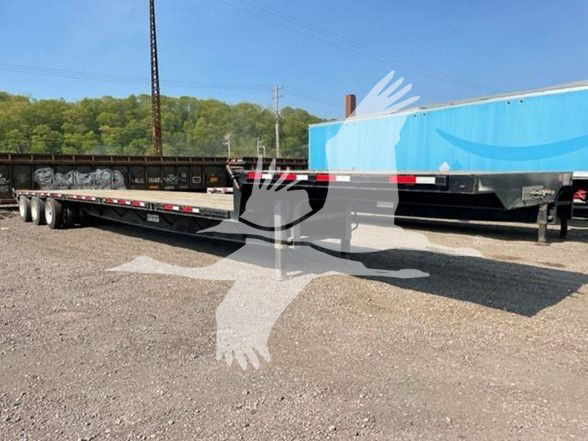
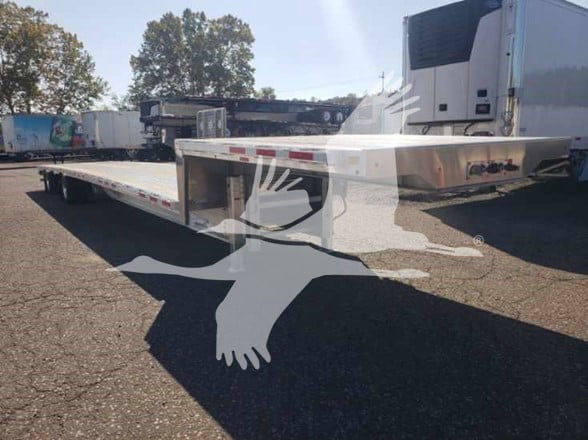
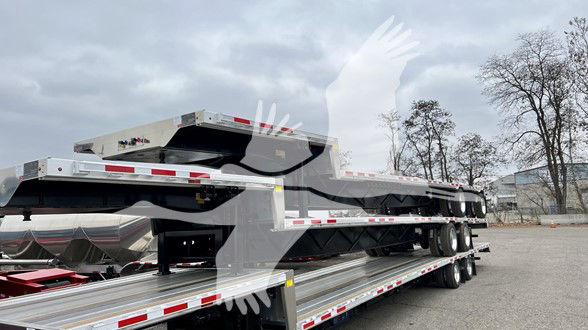
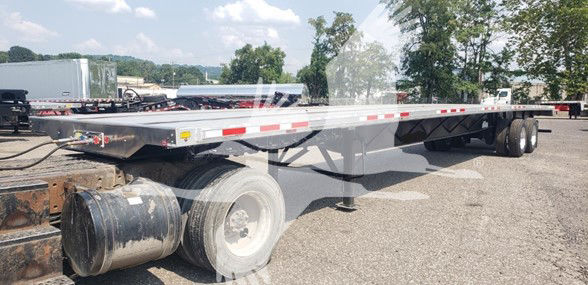
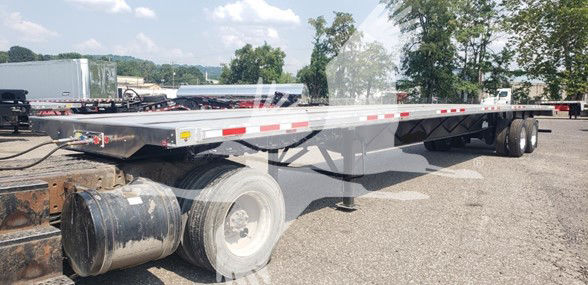
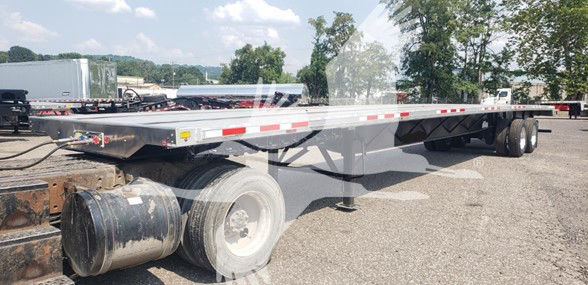
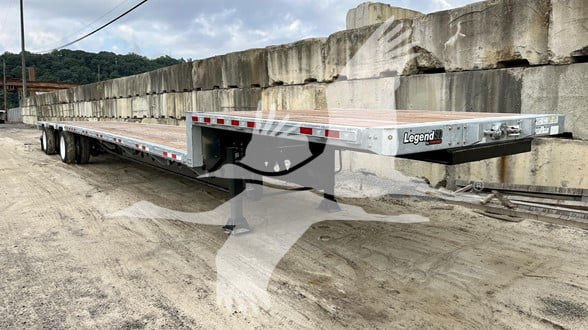
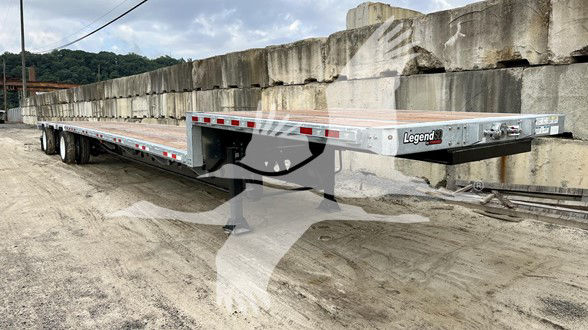
For flatbeds, drop decks, and other open-deck trailers, deck material, crossmember spacing, side rail condition, axle configuration, and kingpin setting deserve a close look. Aluminum flatbeds from this era remain popular because they keep tare weight down, while steel and combo construction may make more sense for heavier point-load applications. Spread axle, sliding tandem, and coil package specs all change how a trailer fits steel, building materials, machinery, or general open-deck freight. If you are comparing specialty units such as traveling axle, hydraulic tail, lowboy, or extendable trailers, focus on load angle, deck height, concentrated load ratings, extension design, and hydraulic system condition. Those details affect what the trailer can legally and efficiently haul more than the badge on the nose.
A used 2016 trailer should be evaluated like a working asset, not just a cheaper entry price. Look for brake and wheel-end history, frame alignment, bushing wear, tire pattern consistency, ABS function, and evidence of previous structural repairs. In Pennsylvania, registration, inspection readiness, and corrosion exposure are practical ownership factors, especially for buyers moving freight across the Northeast. A well-maintained 2016 trailer can still deliver dependable service in regional or long-haul work, but the right choice comes down to trailer category, weight rating, dimensions, and how cleanly the spec matches your freight mix.
Frequently Asked Questions
What should I check first on a used 2016 trailer?
Start with the structural condition and the running gear. On any used 2016 trailer, buyers should inspect the frame, crossmembers, suspension, axle alignment, brakes, wheel ends, tires, landing gear, lights, and ABS system before focusing on cosmetic issues. On enclosed trailers, floor wear, roof condition, door seals, and wall damage are major value factors. On flatbeds and specialty trailers, deck condition, side rails, concentrated load areas, and hydraulic components can be more important than paint or appearance.
Is a 2016 trailer too old for commercial use?
No, a 2016 trailer is not automatically too old for commercial use. Trailer life depends more on application, maintenance, mileage exposure, corrosion, and prior loading practices than on age alone. Many 2016 trailers remain productive in fleet and owner-operator service if they have been maintained properly and pass current inspection standards. Buyers should base the decision on condition, spec, and repair history instead of model year only.
What trailer types are common in the used 2016 market in Pennsylvania?
The used 2016 trailer market in Pennsylvania commonly includes dry vans, refrigerated trailers, flatbeds, drop decks, lowboys, dumps, tank trailers, and specialty equipment such as traveling axle or extendable trailers. Regional freight patterns in Pennsylvania support a wide mix of warehouse, retail, steel, construction, agricultural, and equipment-hauling applications. That means buyers can often compare both general freight trailers and more specialized specs in the same model year.
Why does corrosion matter so much on used trailers in Pennsylvania?
Corrosion matters because Pennsylvania and the broader Northeast expose trailers to road salt, moisture, and winter grime that can accelerate wear on crossmembers, brake components, rear frames, suspension parts, and electrical connections. Surface rust is common, but buyers need to distinguish normal cosmetic oxidation from structural deterioration. Galvanized components, well-maintained paint, clean wiring, and documented upkeep can make a significant difference in long-term operating cost.
How do I choose the right used 2016 trailer for my freight?
Match the trailer to the freight first, then confirm the condition supports that application. Dry vans are common for palletized freight and retail, reefers for temperature-sensitive loads, flatbeds for building materials and machinery, and lowboys or traveling axle trailers for equipment hauling. Key specs include overall length, deck or interior dimensions, axle setup, suspension type, floor or deck construction, kingpin setting, and weight rating. A lower-priced trailer is not the better buy if the spec does not fit your lanes, loading method, or cargo weight distribution.