
Used 2016 Vanguard Trailers For Sale in Pennsylvania
Browse used 2016 Vanguard trailers for sale in Pennsylvania. Compare dry van specs, suspension, trailer dimensions, and fleet-ready features.
No exact matches found for your search
Showing 2016 Used Trailers in Pennsylvania instead.
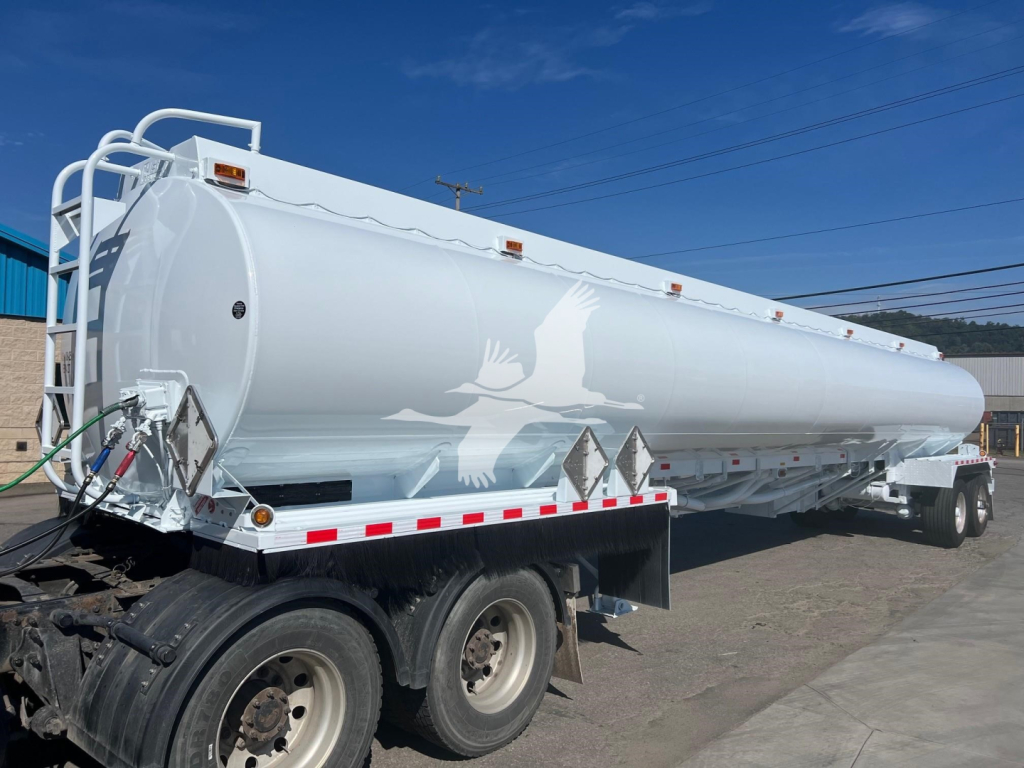
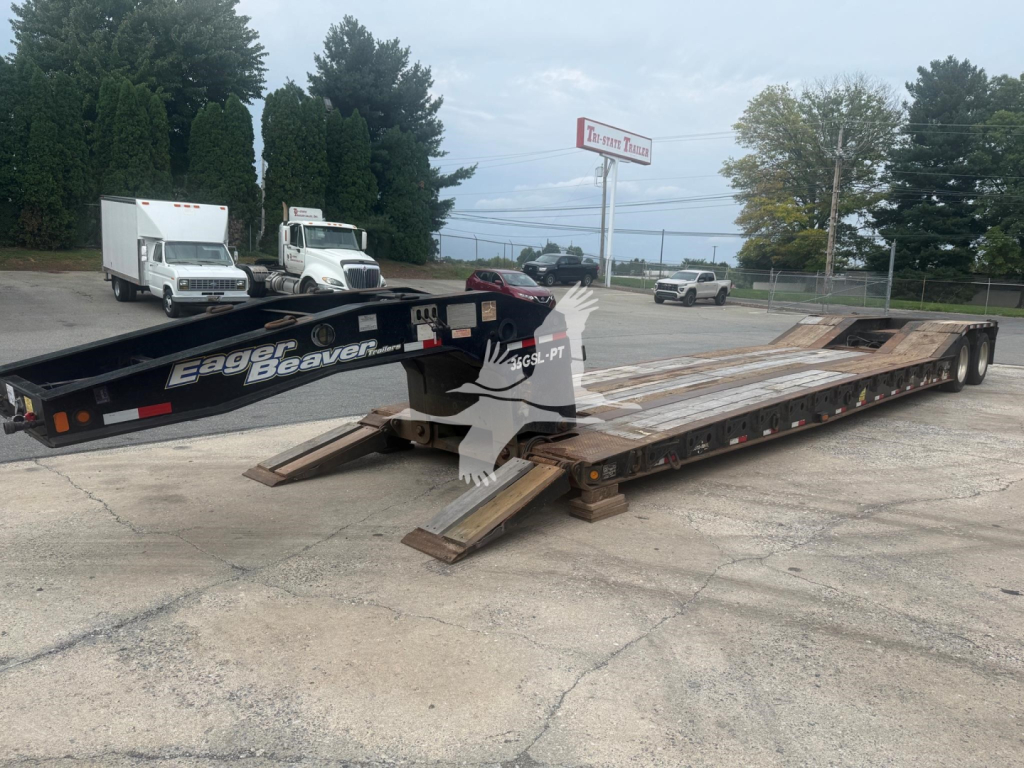
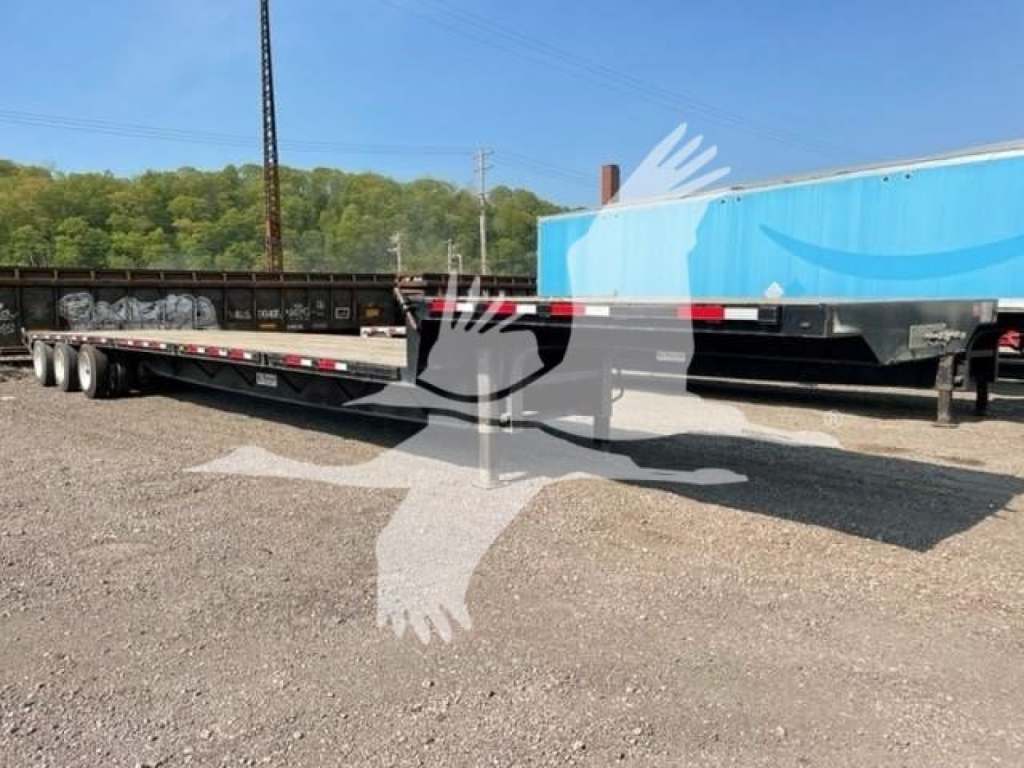
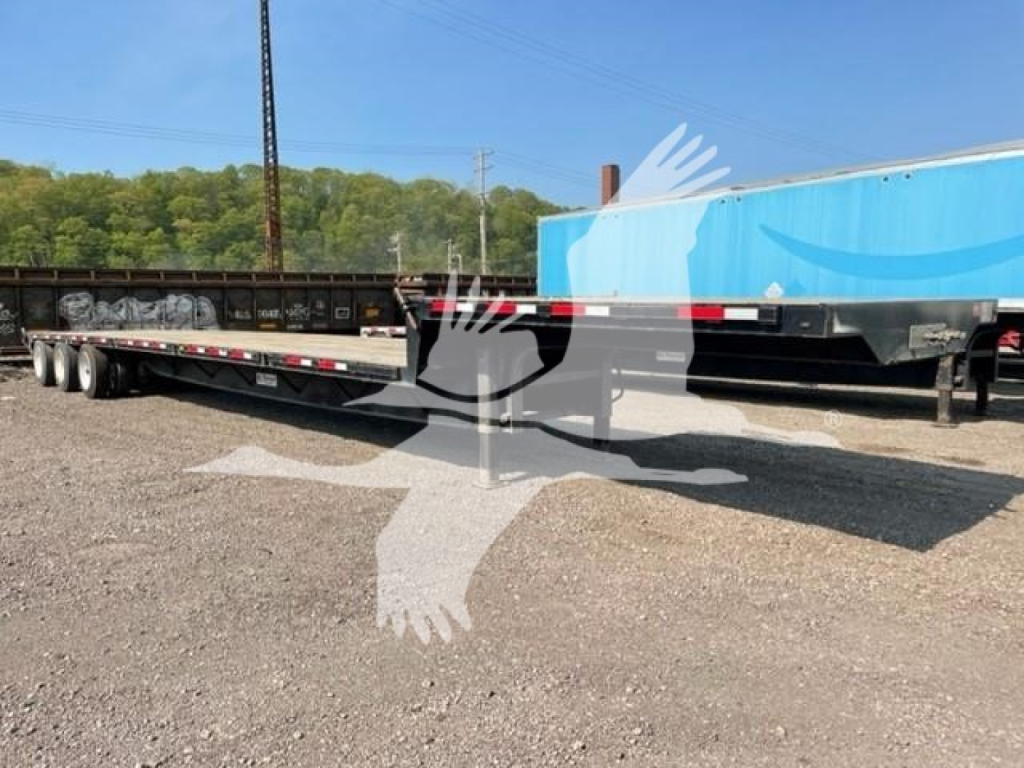
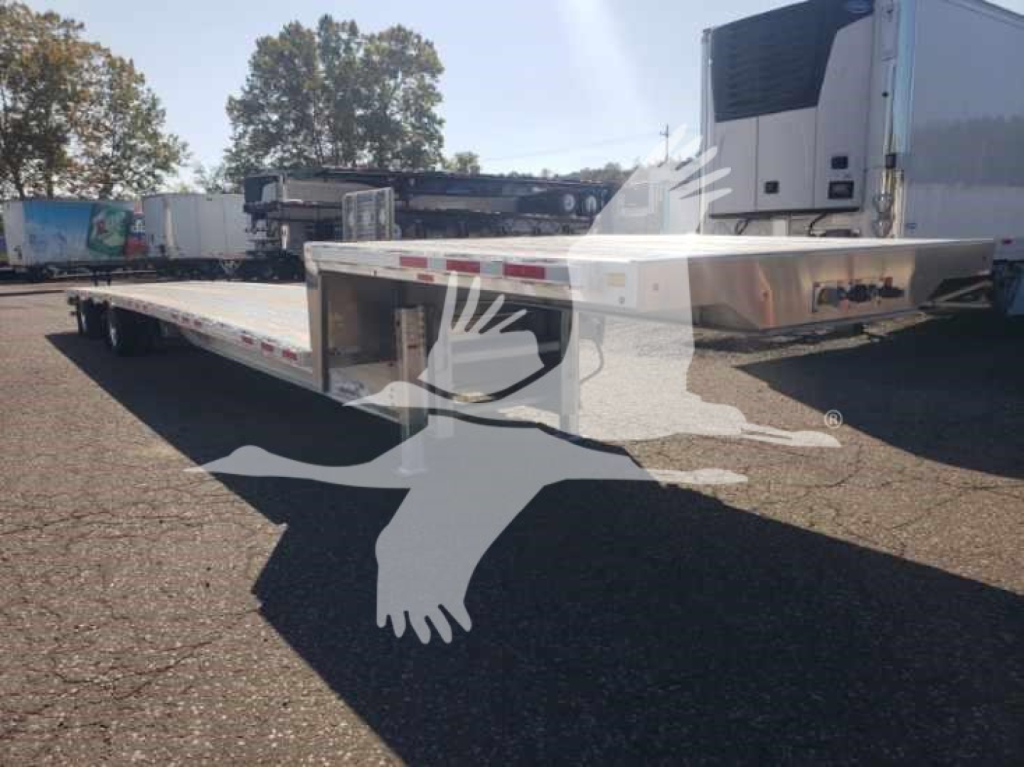
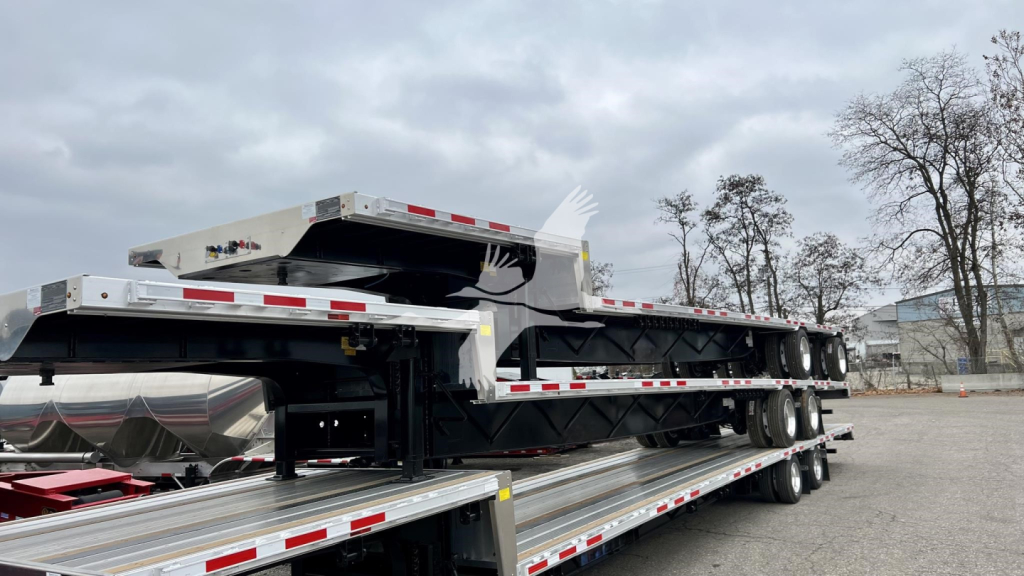
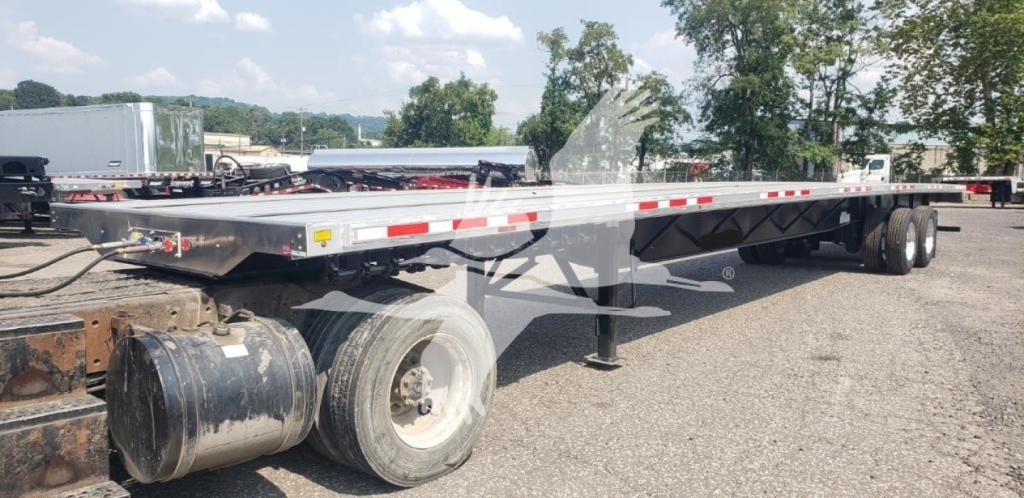
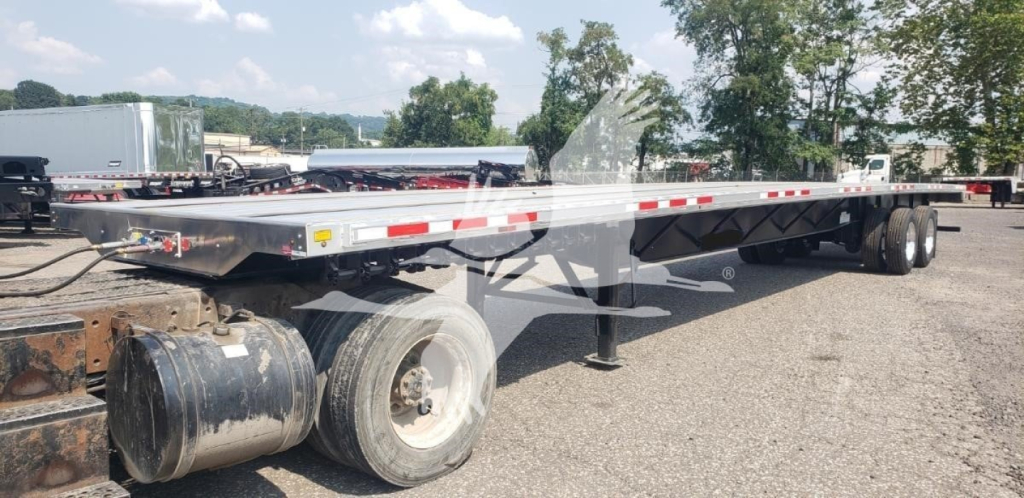
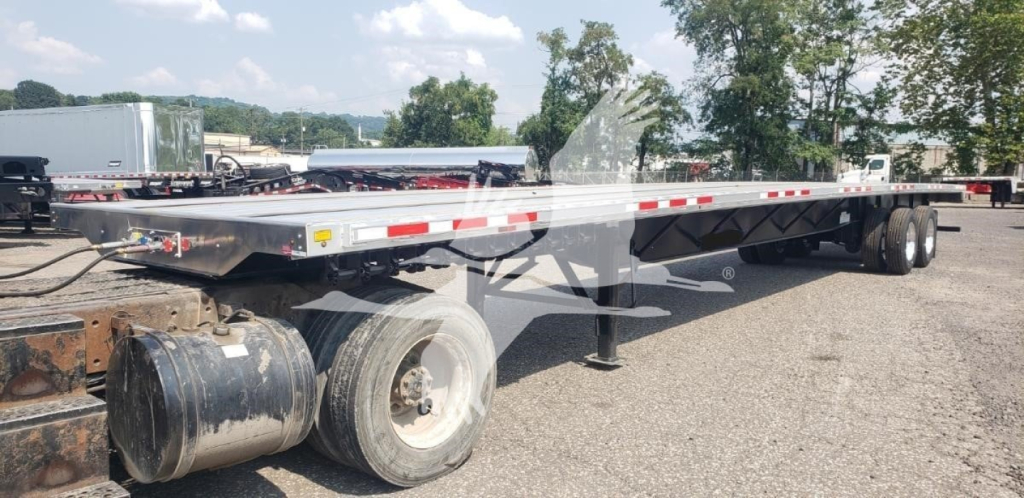
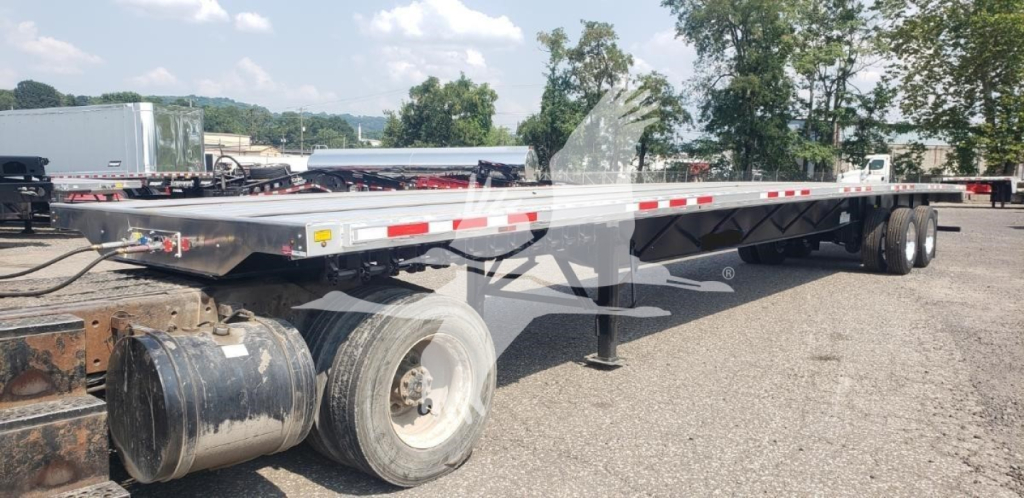
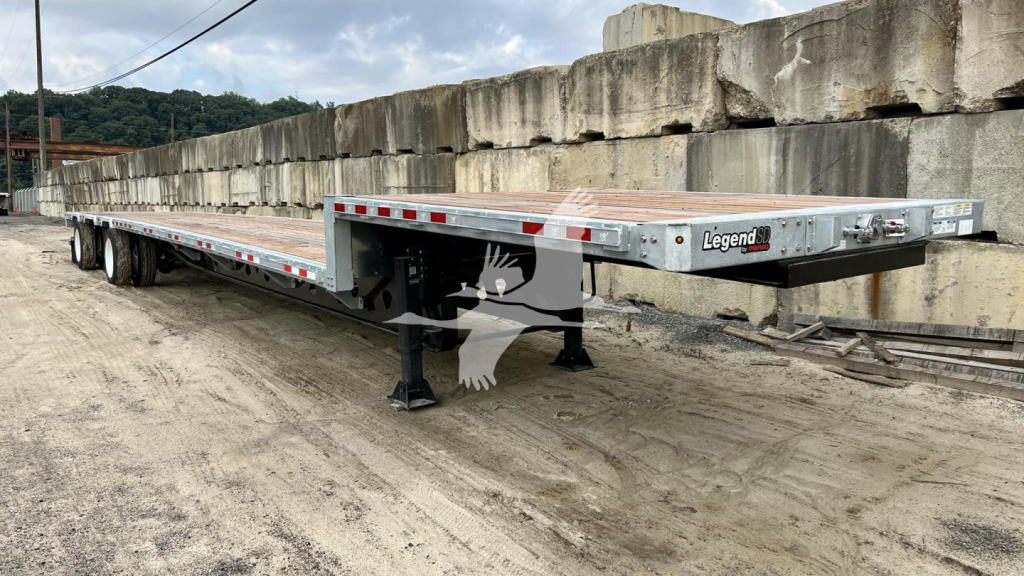
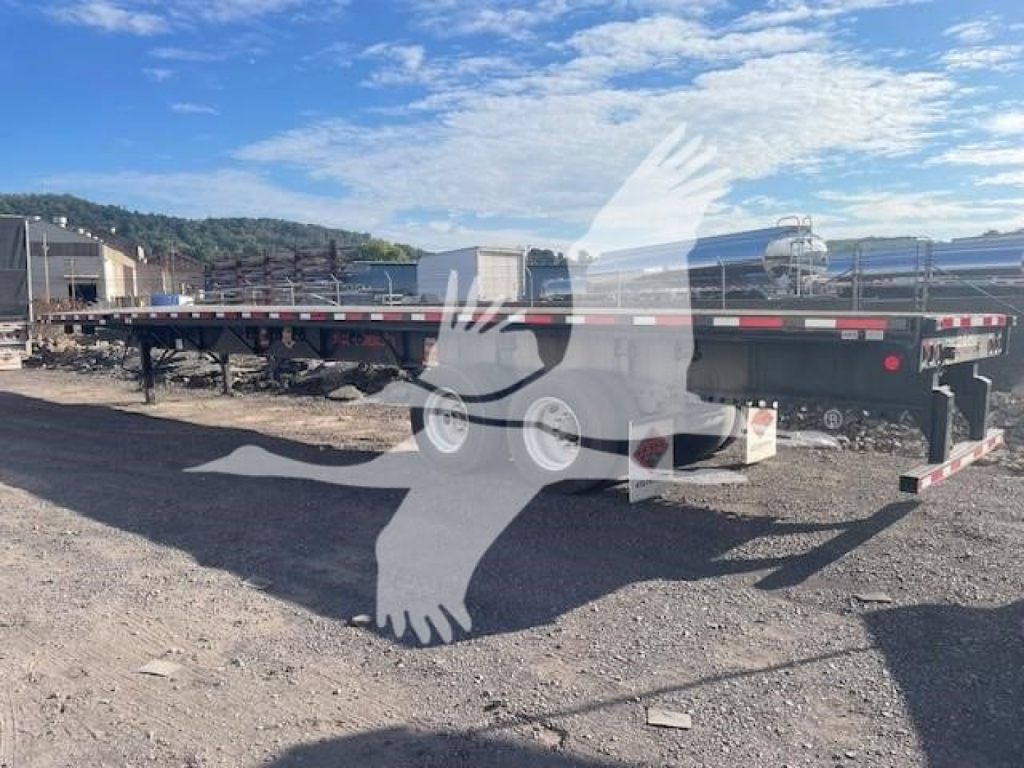
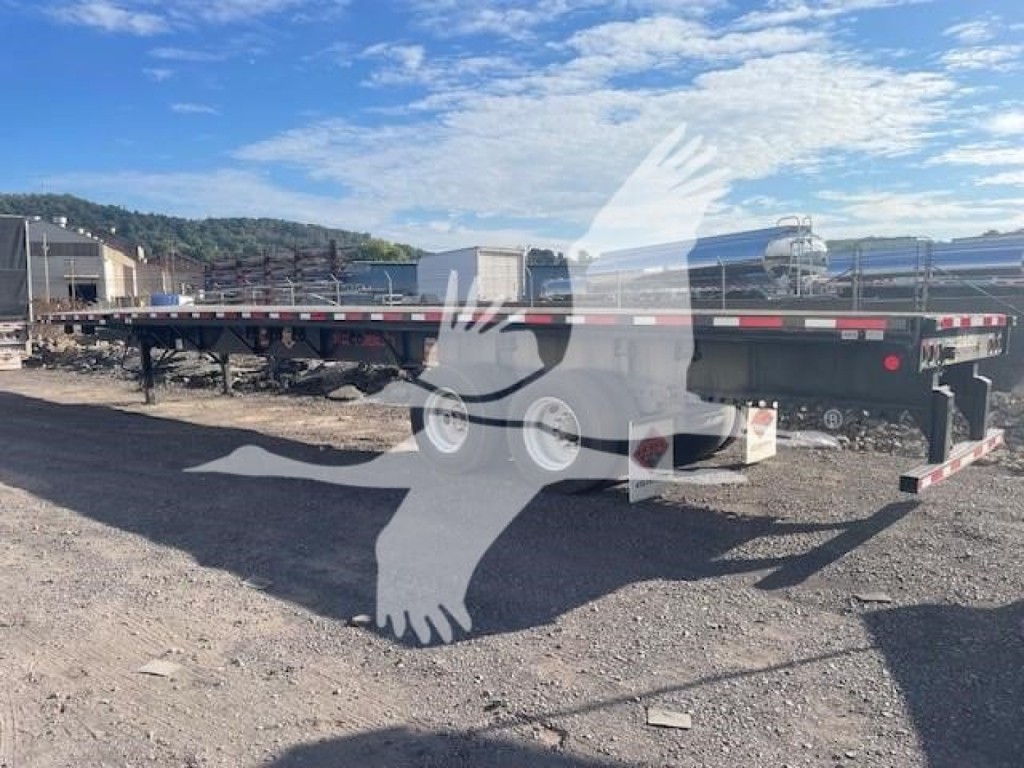
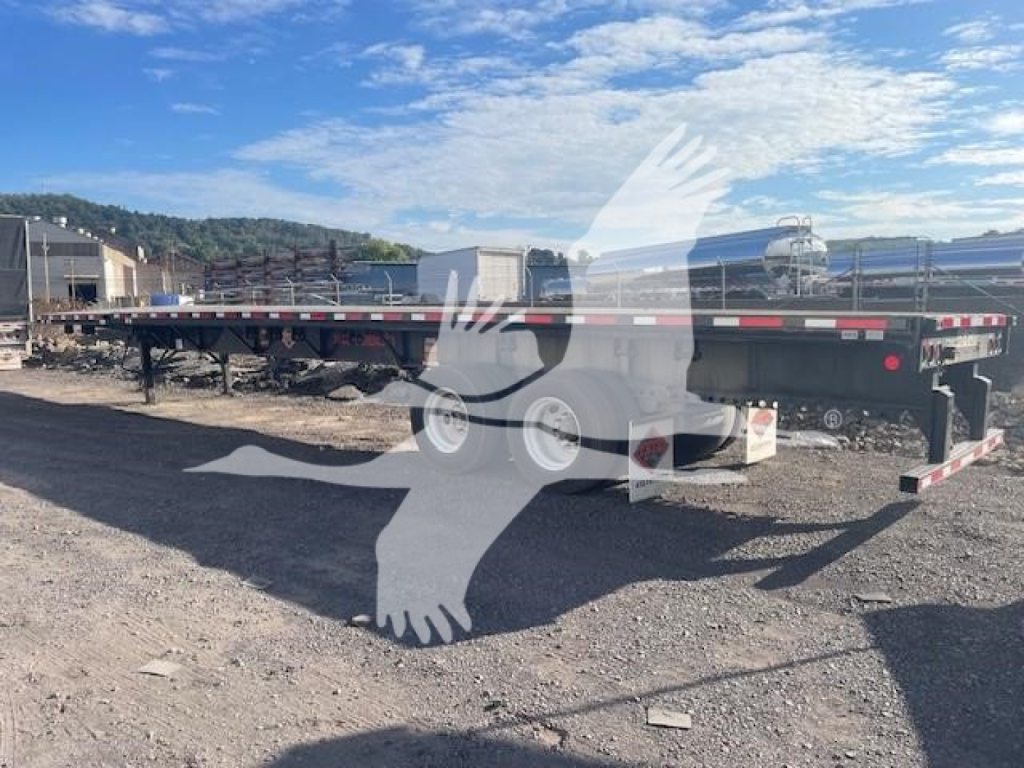
Selling a used 2016 vanguard trailer? List your used 2016 vanguard trailer for sale and reach thousands of commercial buyers.
Used 2016 Vanguard Trailers in Pennsylvania
For a Pennsylvania buyer, corrosion resistance and underbody condition matter as much as brand and age. Look closely at the rear frame, bumper, crossmembers, landing gear mounts, upper coupler plate, and any galvanized components that help the trailer hold up through road salt and winter moisture. Dry van buyers should also inspect the floor from both above and below, especially near the threshold plate and high-traffic forklift zones. On Vanguard vans, sidewall construction, logistics post spacing, scuff liners, roof bow spacing, and door hardware all affect long-term durability in grocery, retail, parcel, and general freight applications.
A 2016 Vanguard trailer can be a strong fit for fleets that want a straightforward van with common service parts and familiar specs. Air ride suspension is popular because it protects freight and improves ride quality, while a sliding tandem helps with bridge law compliance and axle placement. Many buyers prefer swing doors for dock use and full-height logistics-ready interiors for load securement flexibility. If the trailer has composite plate sides, aluminum roof components, galvanized rear structure, and a solid oak floor, it is generally aimed at demanding linehaul and distribution work rather than light occasional use.
The smartest way to compare used 2016 Vanguard trailers is by maintenance history and wear pattern, not just by price. Check for prior body repairs, roof patches, door frame damage, cracked scuff, uneven tire wear, suspension bushing wear, and signs of hard dock impact at the ICC bumper and rear corner posts. Also confirm VIN tags, inspection status, ABS function, and whether the trailer's dimensions and tandem slide length fit your lanes and customer docks. A clean, correctly spec'd 2016 Vanguard dry van still has value for dedicated freight, drop-and-hook operations, and private fleet replacement cycles.
Frequently Asked Questions about Used 2016 Vanguard Trailers in Pennsylvania
What type of trailer is a 2016 Vanguard trailer most commonly?
A 2016 Vanguard trailer is most commonly a 53-foot dry van, also called a van trailer or enclosed freight trailer. These trailers are widely used for palletized freight, retail loads, packaged goods, and general dry cargo that needs weather protection and secure dock loading.
What should I inspect first on a used 2016 Vanguard dry van?
Start with the floor, roof, rear frame, suspension, and tandem slide. The floor condition tells you a lot about forklift use and cargo abuse, while the roof and upper rails can reveal leaks or prior repairs. The rear frame, door opening, and bumper often show dock damage. On the running gear side, inspect air ride components, brakes, wheel ends, tires, and the tandem slide mechanism for wear, rust, and proper operation.
Are 2016 Vanguard trailers good for fleet use in Pennsylvania?
They can be, especially if the trailer has held up well structurally and has corrosion-resistant components. Pennsylvania buyers should pay extra attention to road salt exposure, undercarriage rust, and any deterioration around crossmembers, landing gear, and rear frame areas. A well-maintained Vanguard dry van with sound structure and current maintenance records can still serve effectively in regional fleet service.
What specs are common on a 2016 Vanguard dry van?
Common specs include 53-foot length, 102-inch width, 13-foot 6-inch overall height, swing doors, tandem axles, air ride suspension, and a sliding tandem assembly. Many are built with logistics posts, scuff protection, oak flooring, 295/75R22.5 tires, and standard kingpin settings used across large dry van fleets. Exact specifications vary by original fleet order.
How do I know if a used 2016 Vanguard trailer matches my operation?
Match the trailer to your freight, lanes, and dock environment. Check inside height, door opening, floor rating, suspension type, tandem spread and slide length, and securement features such as logistics posts or lining. If you run heavy forklift traffic, frequent dock turns, or long regional miles, structural condition and maintenance history are more important than cosmetic appearance.