
Used Transcraft Trailers For Sale
Browse used Transcraft trailers including flatbeds, drop decks, and curtainsides with specs buyers compare most: construction, suspension, deck, and axle setup.
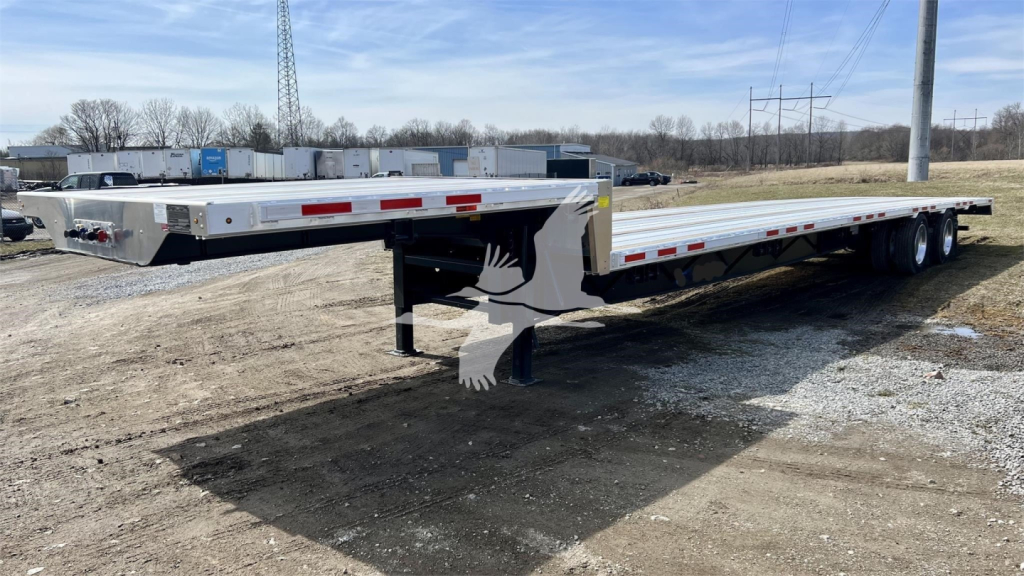
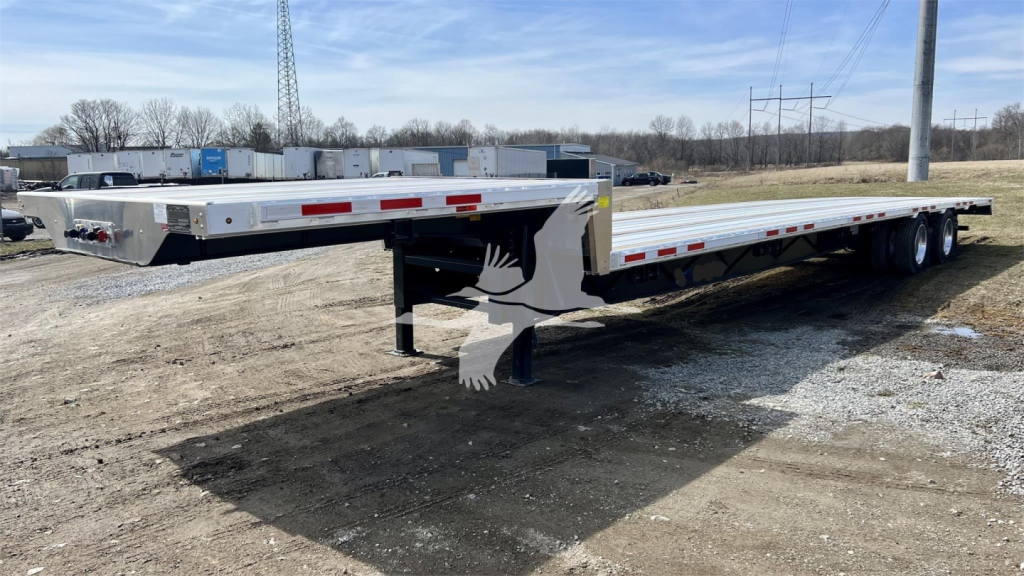
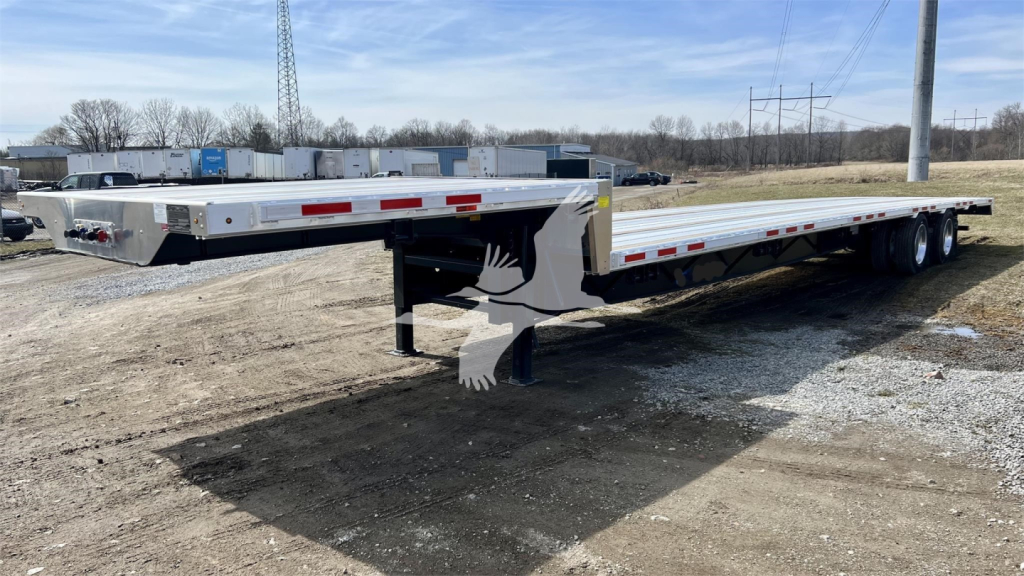
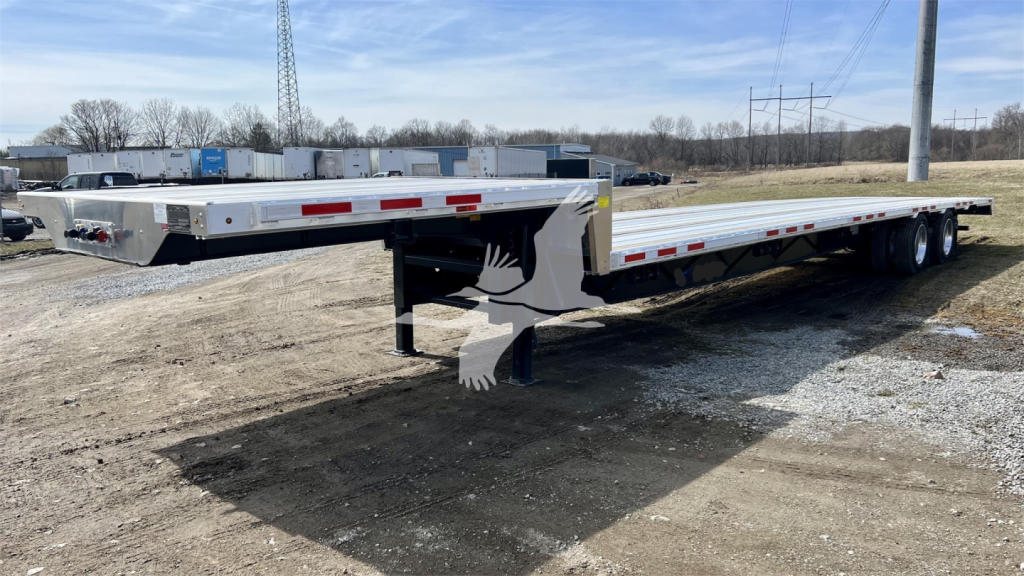
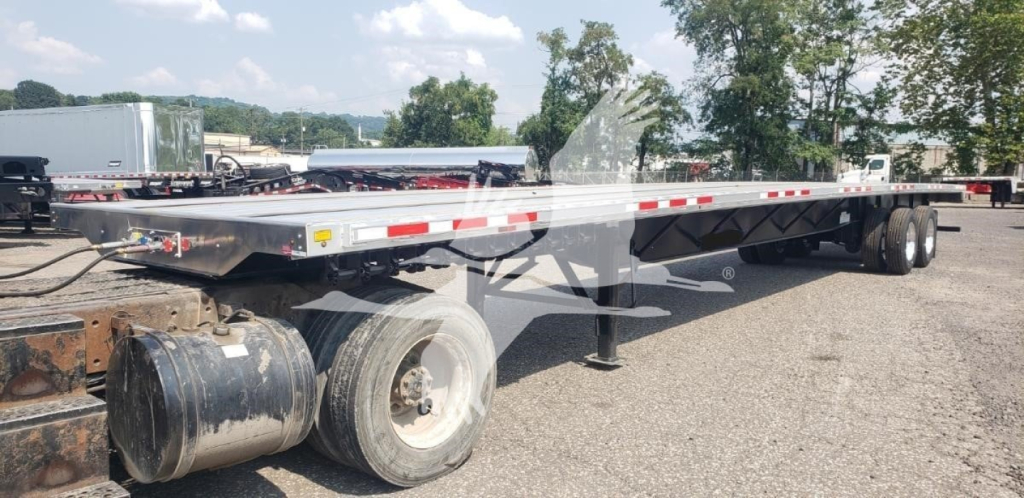
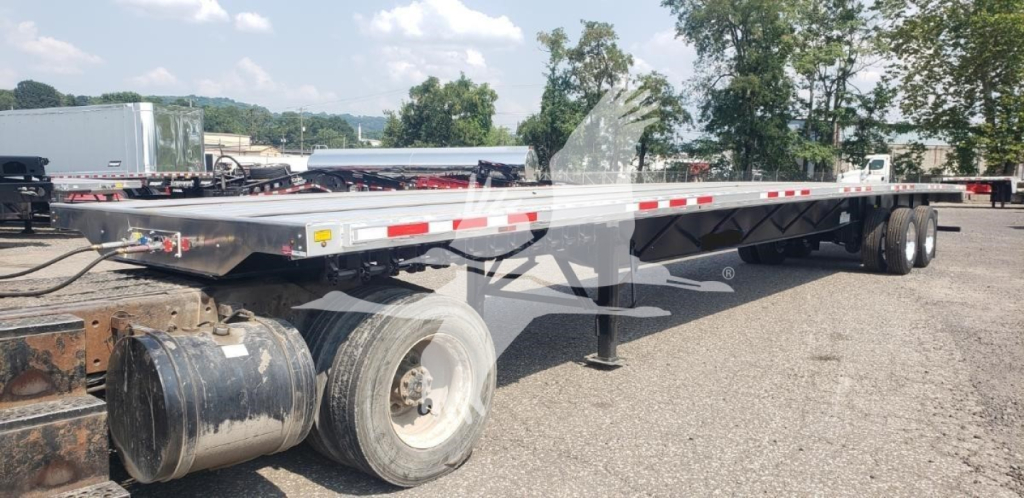
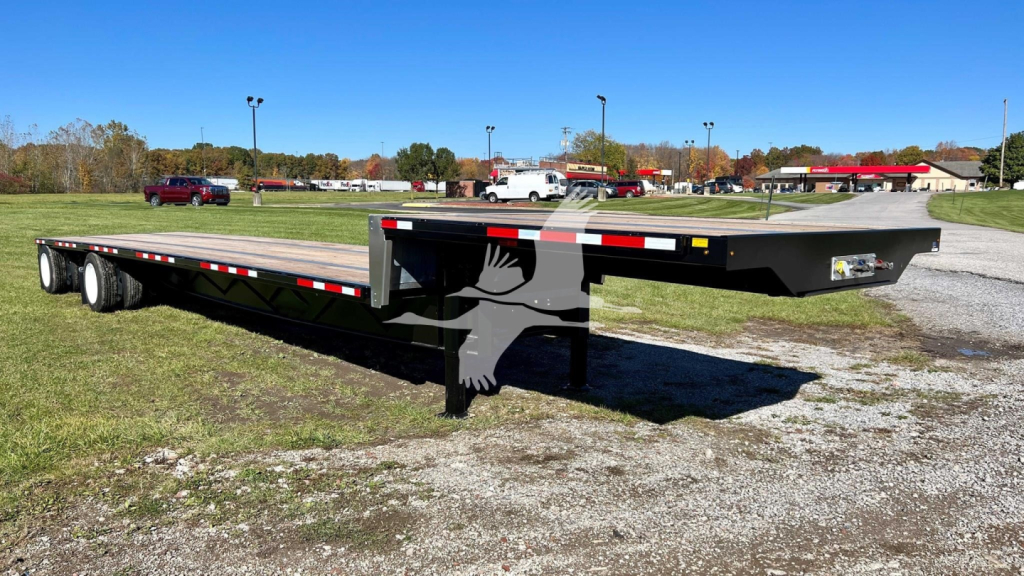
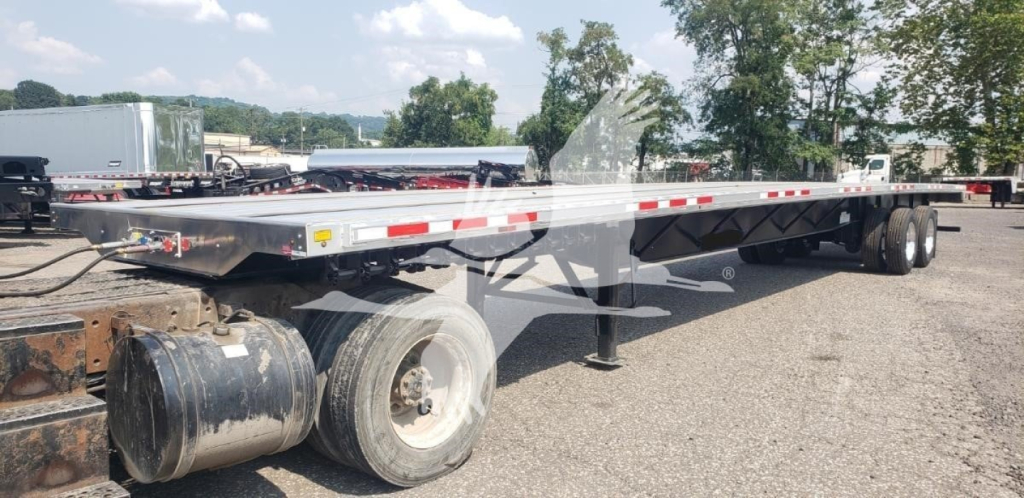
Showing 25 to 44 of 44 results
Have used transcraft trailer to sell? List it here to reach thousands of buyers.
Used Transcraft Trailers
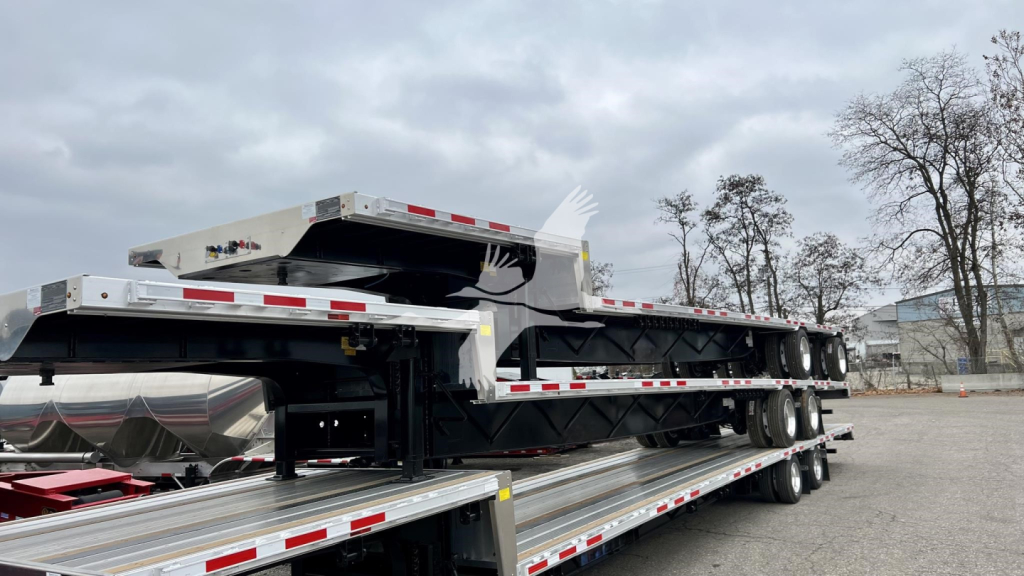
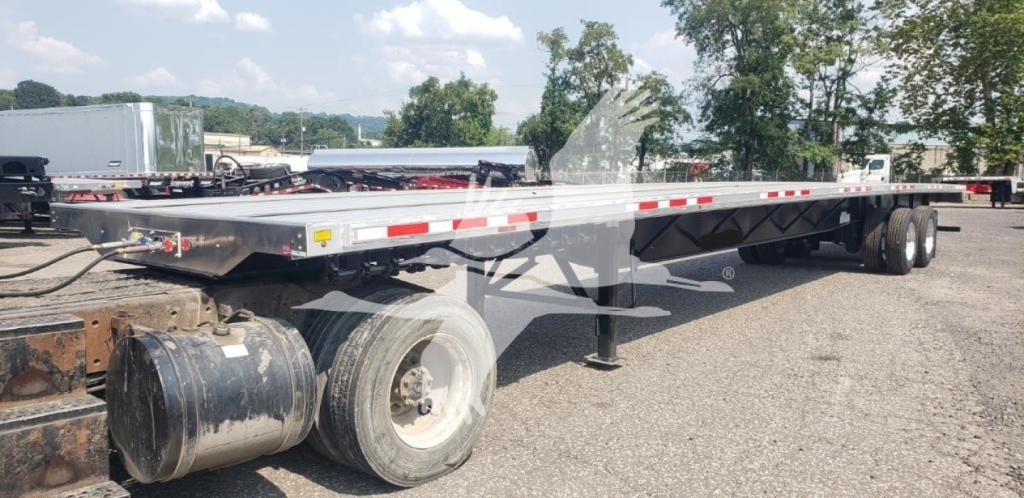
The spec differences that matter most on a used Transcraft trailer are suspension, axle spread, deck condition, and tiedown equipment. Air ride is often preferred for higher-value freight, more consistent ride quality, and broader shipper acceptance, while spring ride can still be a solid lower-cost option for rugged local or regional work. Sliding tandems, closed tandems, and spread axle layouts all show up in this brand, and each affects bridge compliance, turning radius, and loading flexibility. Deck details deserve close attention on used units. Apitong and wood floors are common, and buyers should look at floor wear, crossmember spacing, nail strips, side rail condition, pipe spools, stake pockets, and the condition of any sliding winch track, winches, and straps.
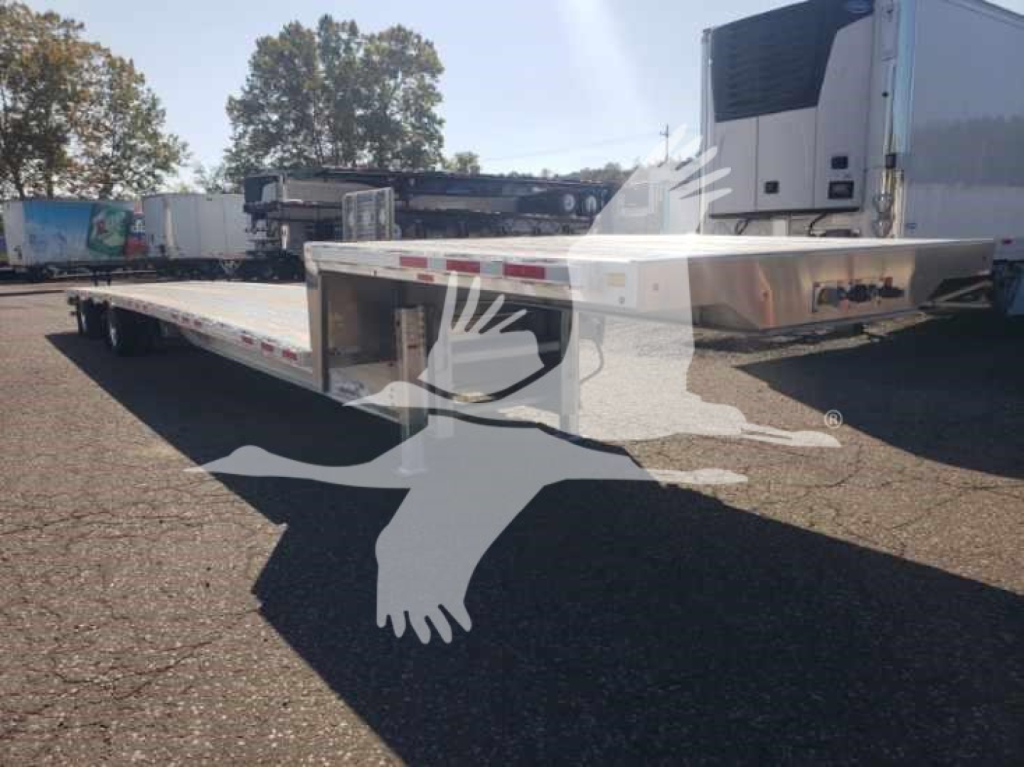
Transcraft drop deck trailers are often selected for freight that needs lower deck height without stepping into a true lowboy application. Important numbers include top deck length, main deck length, loaded deck height, kingpin setting, and beam rating. A 48-foot drop deck with a 10-foot upper deck and 38-foot lower deck is a familiar setup for machinery, crated equipment, and taller legal loads. Flatbeds and curtainside flatbeds, on the other hand, are often judged by how quickly they can be loaded and secured. Curtainside models add weather protection and side access while keeping much of the loading versatility of a flatbed, which can be valuable for building products, palletized freight, and cargo that should stay out of the elements.
When comparing used Transcraft trailers, buyers should also verify tire size, wheel type, brake life, landing gear condition, and overall frame alignment. Low-profile 22.5 tires are common, as are steel wheels, LED lighting, and Jost-style two-speed landing gear. On open-deck equipment, signs of concentrated loading near the rear, rail damage from chains, or floor repairs around high-traffic forklift zones can tell you a lot about prior use. A well-matched Transcraft trailer can serve anything from general flatbed freight to steel, lumber, machinery, and protected side-load cargo, so the best purchase is usually the one with the right axle layout, deck spec, and weight profile for your lanes.
Frequently Asked Questions about Used Transcraft Trailers
What types of used Transcraft trailers are most common on the market?
The most common used Transcraft trailers are flatbeds, combo flatbeds, drop decks, and curtainside flatbeds. Flatbeds are the volume category and are widely used for steel, lumber, machinery, and building materials. Combo trailers usually appeal to operators focused on lower tare weight, while steel models are often chosen for durability and lower repair sensitivity. Drop decks are used for taller freight that needs reduced deck height, and curtainsides fit operations that want side loading with weather protection.
Is a combo Transcraft trailer better than a steel Transcraft trailer?
It depends on the freight and operating style. A combo Transcraft trailer typically offers lower empty weight, which can improve payload capacity and make sense for long-haul commodity freight. A steel trailer is heavier but may hold up better in severe service, repetitive chain securement, and tougher loading environments. Buyers should weigh payload goals against expected abuse, repair costs, and how often the trailer will see concentrated loads or harsh dock and yard conditions.
What should I inspect first on a used Transcraft flatbed or drop deck?
Start with the frame, deck, suspension, and tiedown system. Check the main beams and side rails for bends, cracks, or repairs, then inspect the floor for rot, broken boards, patched sections, and wear in forklift traffic areas. After that, look at crossmembers, landing gear, axle alignment, bushings, brakes, tires, and wheel ends. On trailers with sliding winch tracks, stake pockets, or pipe spools, make sure the tiedown components are straight, usable, and not damaged from years of chain and strap wear.
What axle setup is best on a used Transcraft trailer?
The best axle setup depends on route restrictions, freight type, and how often the trailer has to maneuver in tight spaces. Sliding tandems offer flexibility for bridge laws and weight distribution, which is helpful in mixed lanes. Spread axles can improve load distribution and are popular in many flatbed applications, but they may scrub tires more in tight turns and can be less forgiving in crowded job sites. Closed tandems are still practical for operations that prioritize maneuverability and simple maintenance.
Are used Transcraft curtainside trailers a good alternative to a standard flatbed?
They can be an excellent alternative when freight needs weather protection but still benefits from side access. A curtainside trailer keeps cargo covered while reducing the need to tarp many loads manually. That can improve loading speed and reduce labor on freight such as palletized products, bagged materials, finished goods, and some building supplies. Buyers should inspect curtain condition, roller and track operation, rear frame integrity, and the floor and securement system just as carefully as they would on any open-deck trailer.