
New Timpte Trailers For Sale
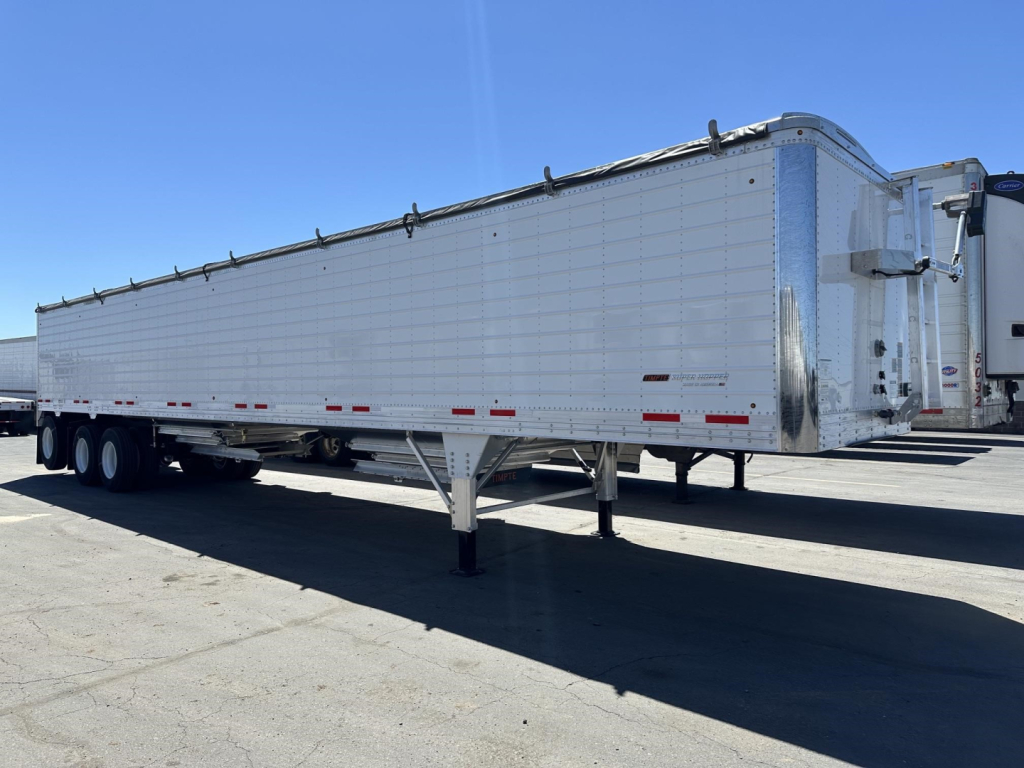
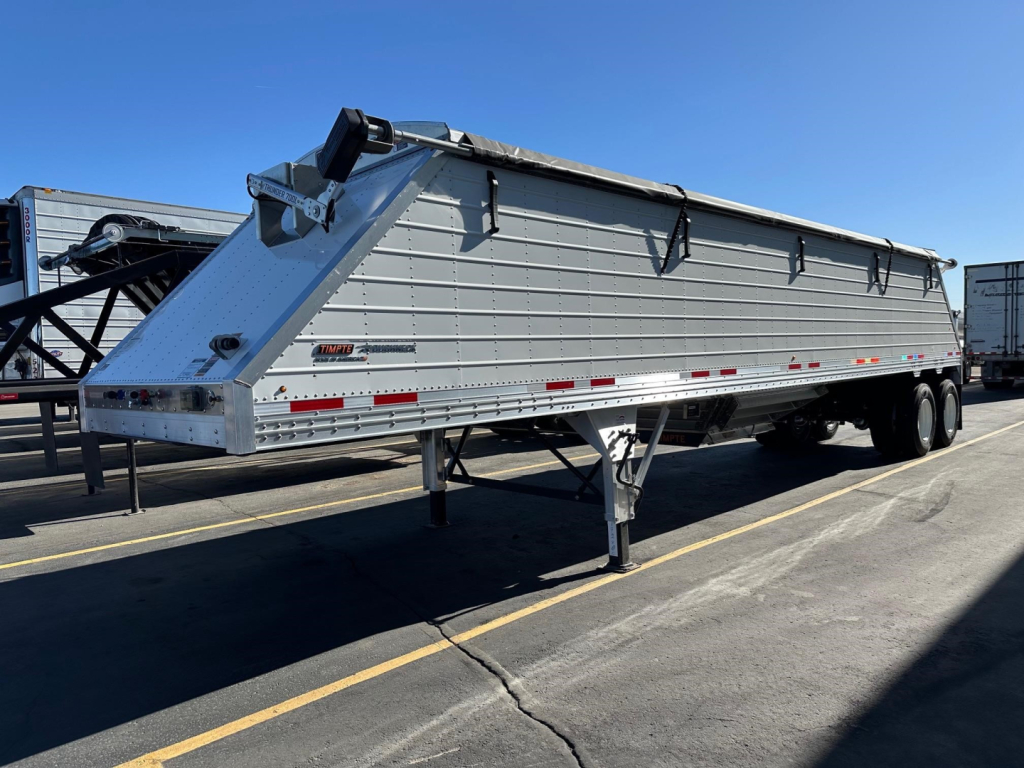
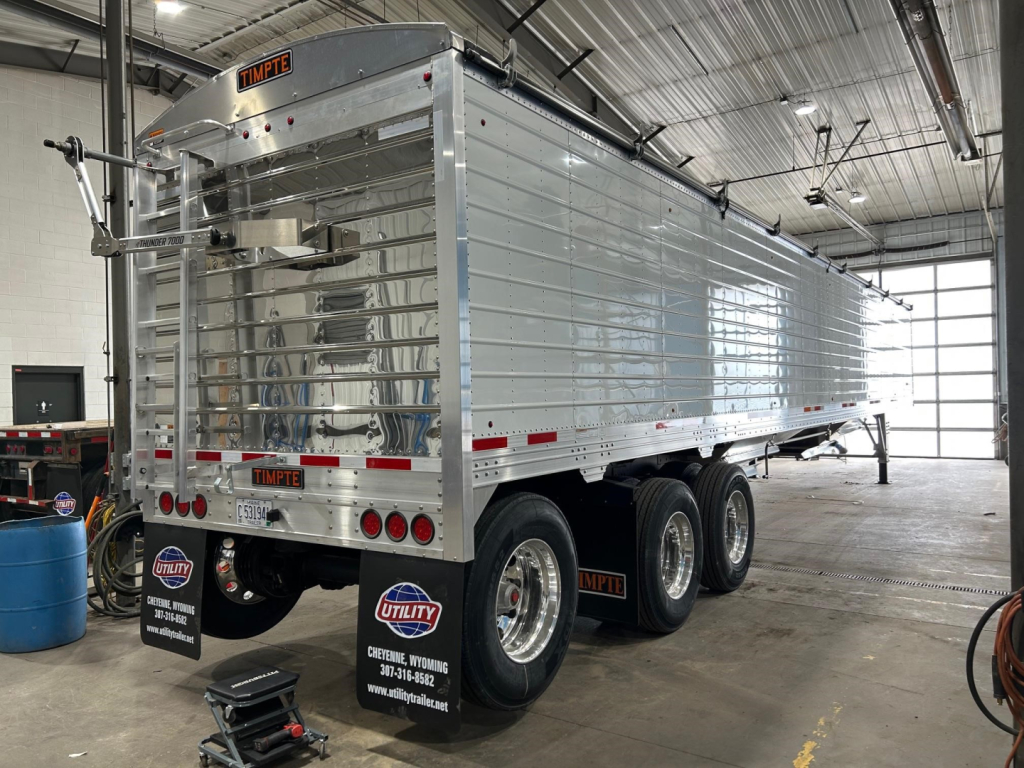
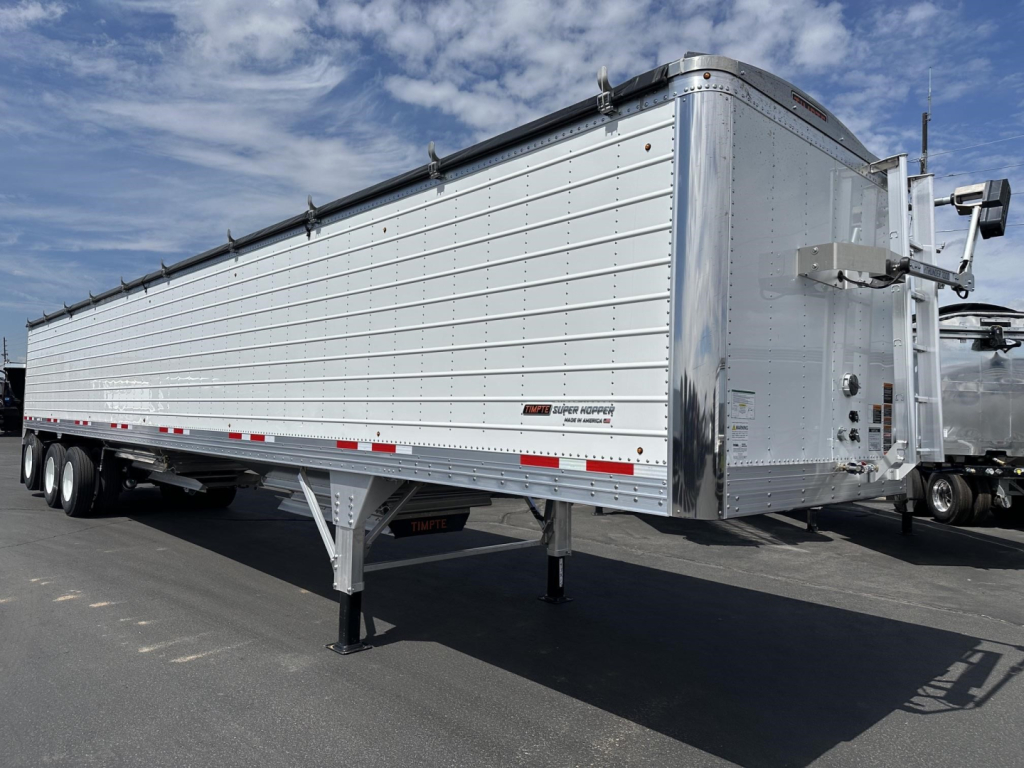
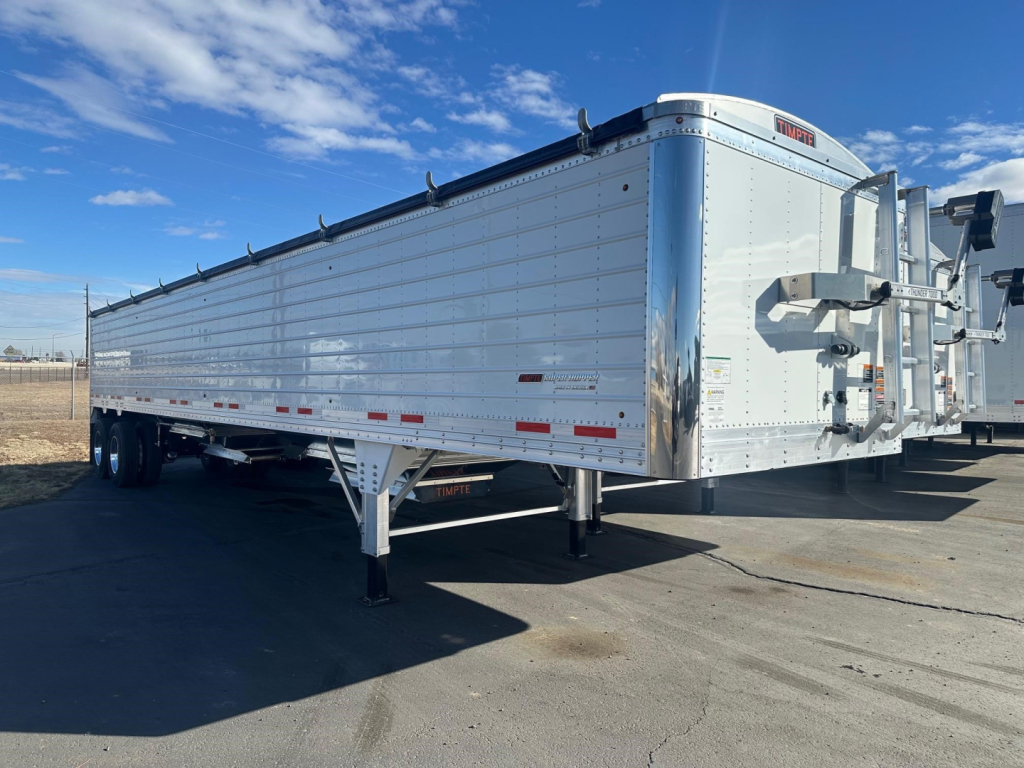
Shop new Timpte hopper trailers built for grain and bulk hauling, with ag hoppers, air ride suspensions, tarp systems, and scale options.
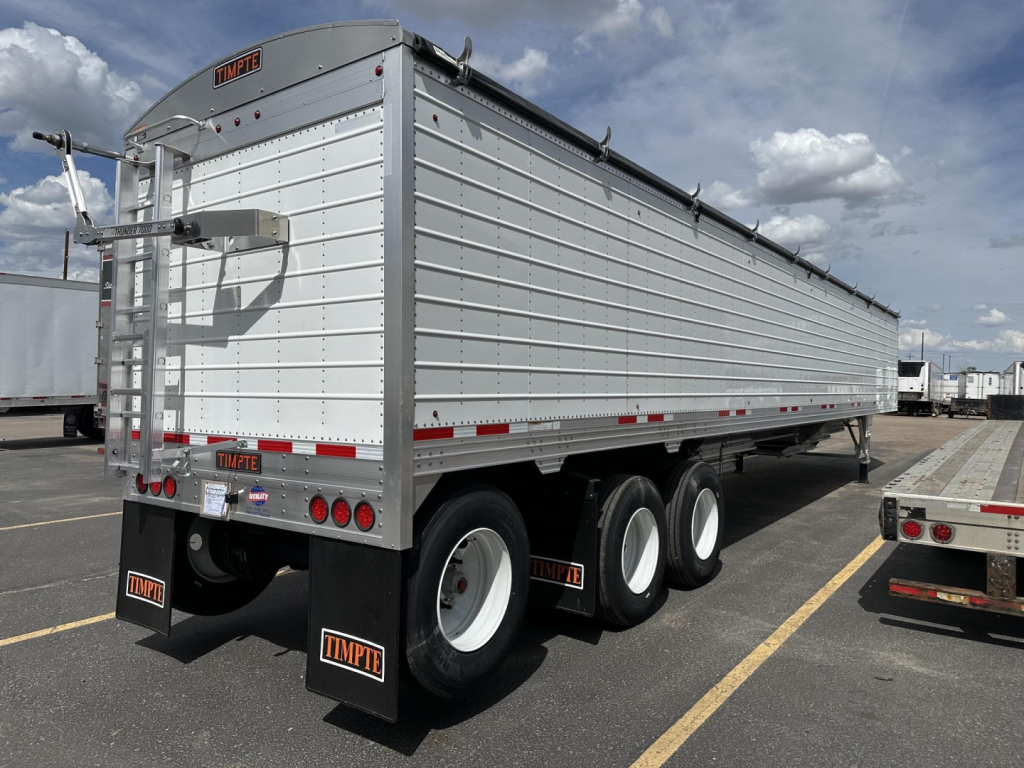
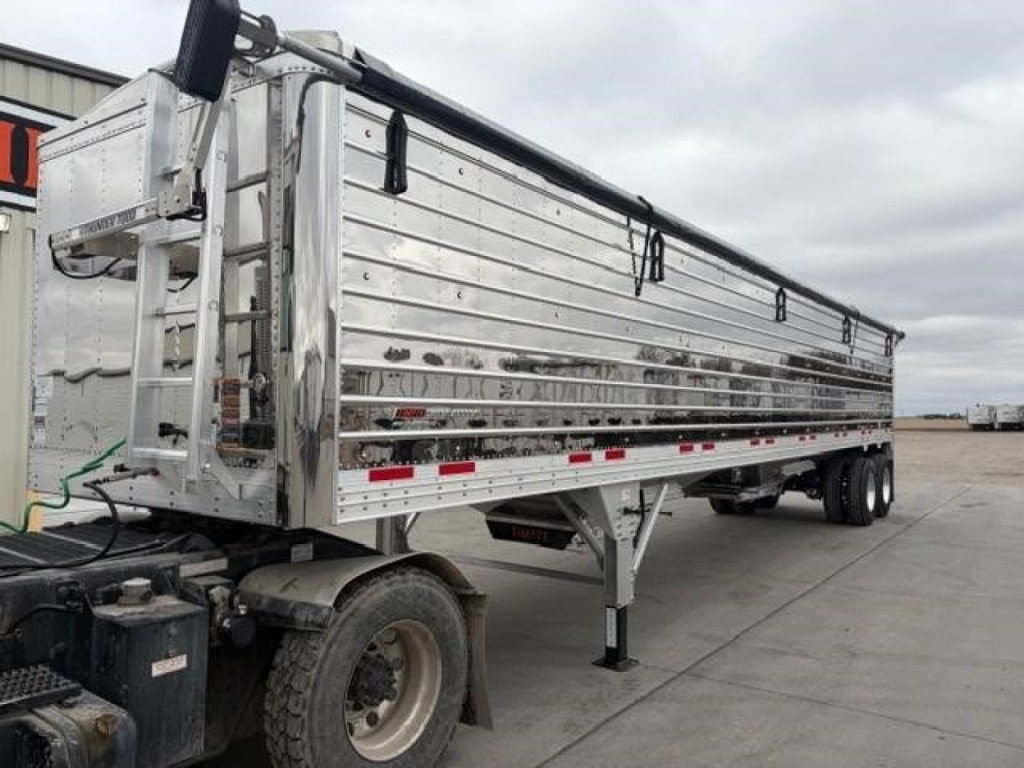
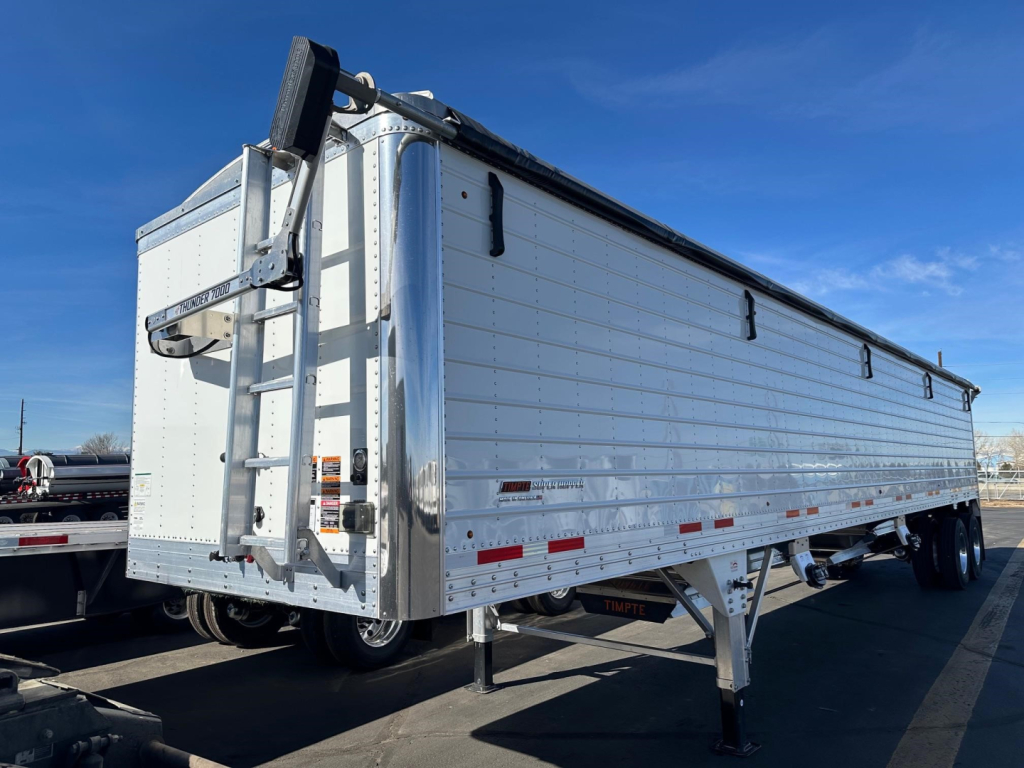
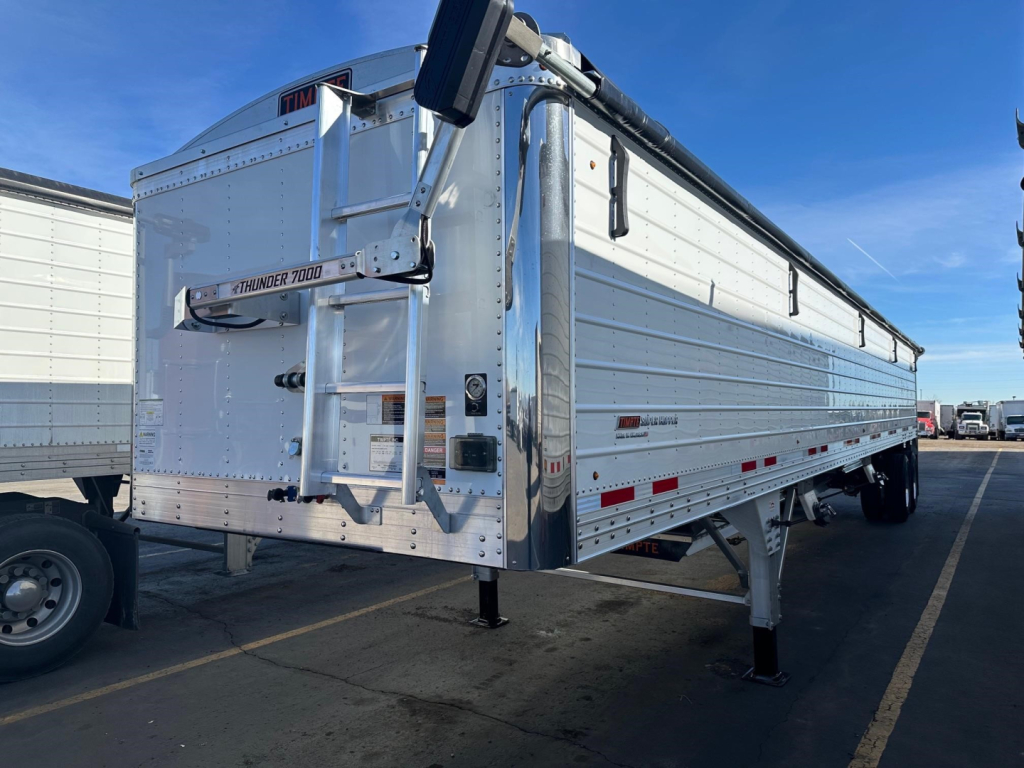
Selling a new timpte trailer? List your new timpte trailer for sale and reach thousands of commercial buyers.
New Timpte Trailers
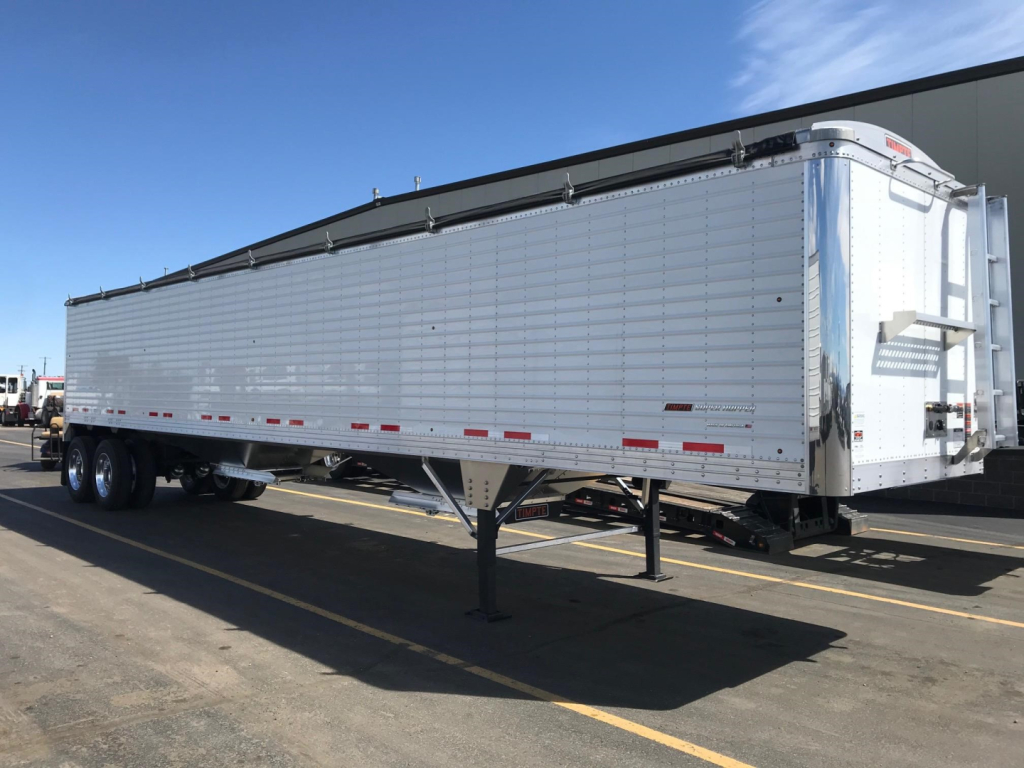
Common specs in this group include 96-inch width, tandem or tri-axle layouts, air ride suspension, and 11R22.5 or 11R24.5 rubber. Timpte trailers are often spec'd with outside aluminum wheels and inside steel wheels to balance appearance, weight, and cost. Buyers comparing listings should pay close attention to side height, axle count, and hopper configuration because those three items directly affect legal payload, center of gravity, and unload speed. A 42-foot tandem ag hopper is a common fit for grain, feed, and fertilizer routes, while a 48-foot tri-axle with a lift axle can make sense where bridge law, seasonal road limits, or higher volume loads drive the spec.
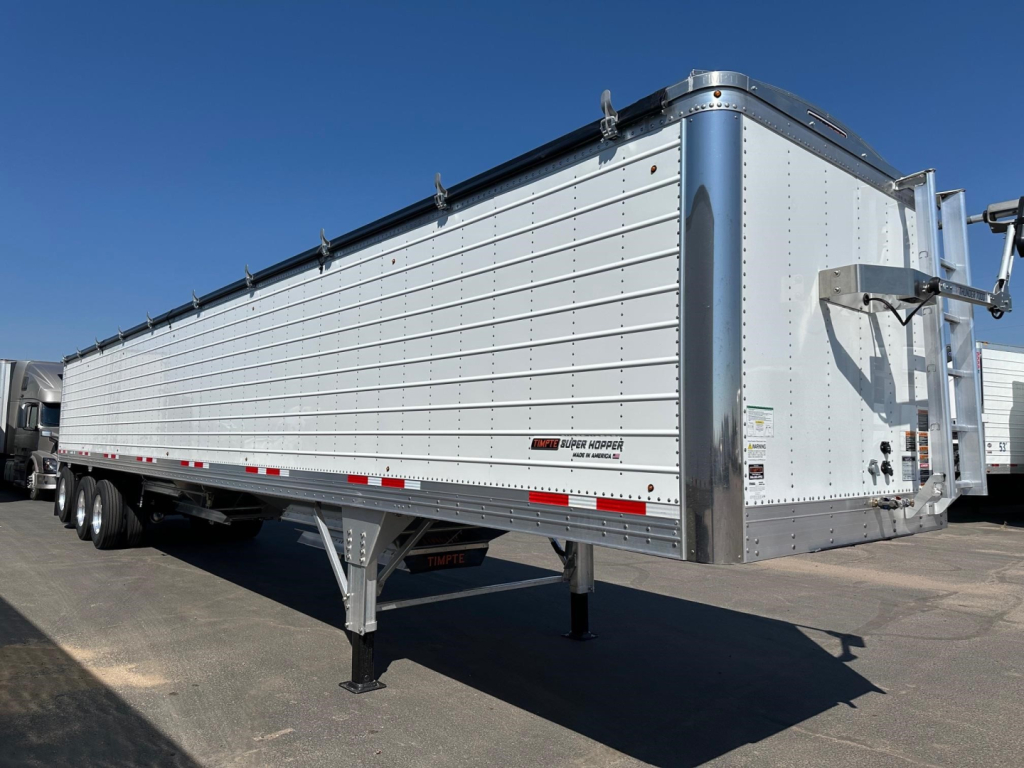
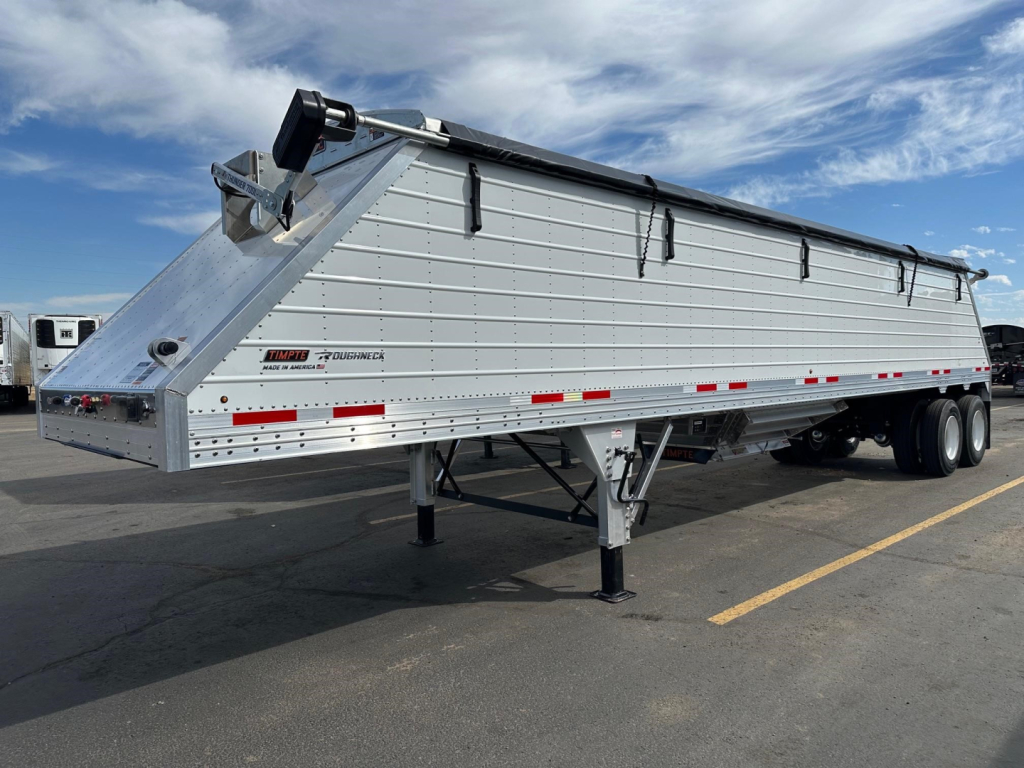
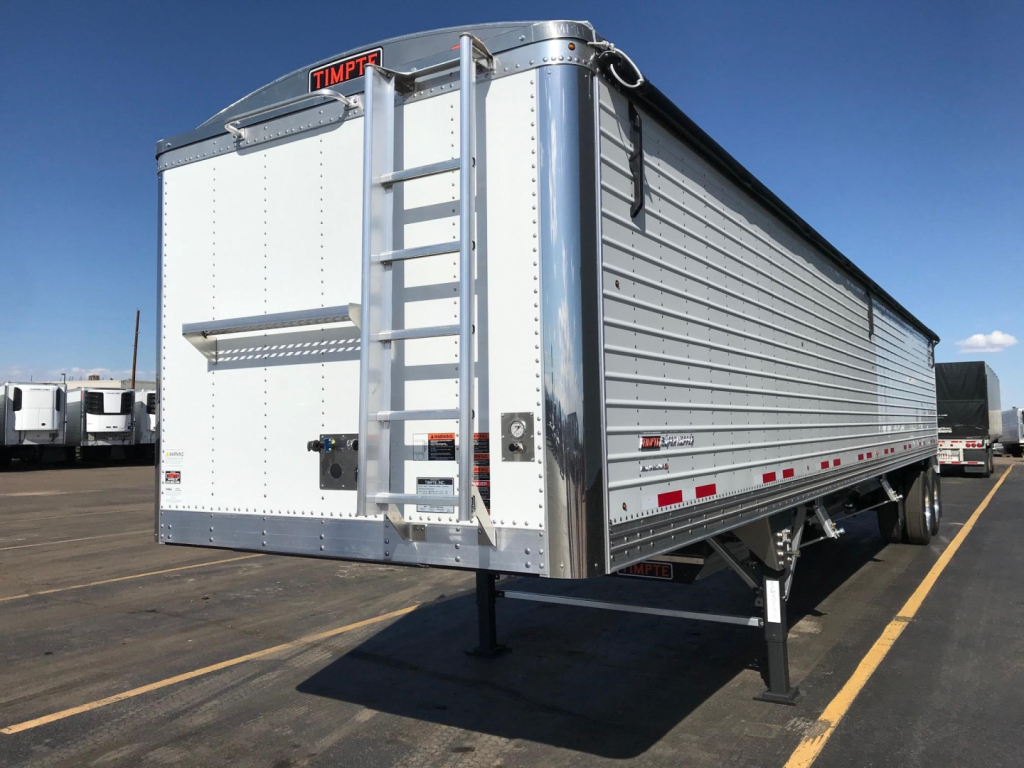
Operational details matter as much as the base dimensions. Many Timpte hopper trailers are equipped with front and rear ladders, catwalks, stainless front corners, corrugated side panels, manual or electric roll-over tarps, and integrated load scale systems. On grain trailers, ag hoppers and manual traps are still common because they are simple and easy to service. On rough-service or sand applications, buyers often look for knock rails, hydraulic trap doors such as EZFLOW-style setups, and electric tarp systems to speed loading and unloading cycles. Lighting packages, dump valves, vented hoppers, and full stainless rear panels can also affect long-term durability and day-to-day usability.
A buyer comparing new Timpte trailers should look beyond the make and focus on how the trailer is spec'd for the lane. Internal height influences cubic capacity. Hopper count and gate design influence product flow and cleanout. Suspension and axle configuration influence ride quality, tire wear, and scale flexibility. Timpte has a strong reputation in agricultural hauling, but the best trailer is the one matched to commodity density, unloading method, seasonal road conditions, and the tractor wheelbase it will run behind. When those details line up, a new Timpte hopper trailer can deliver strong payload efficiency, predictable unloading, and low-maintenance service over a long operating life.
Frequently Asked Questions about New Timpte Trailers
What are new Timpte trailers most commonly used for?
New Timpte trailers in this category are most commonly used for hauling grain, feed, fertilizer, seed, and other dry bulk commodities. Certain configurations are also built for more demanding jobs such as frac sand service. The exact use depends on body length, side height, hopper design, and discharge system. Ag-focused trailers usually favor high cubic capacity and simple two-hopper unloading, while sand and heavier bulk applications often require stronger structural specs and hydraulic gate operation.
What is the difference between a Timpte Super Hopper and a Roughneck-style hopper trailer?
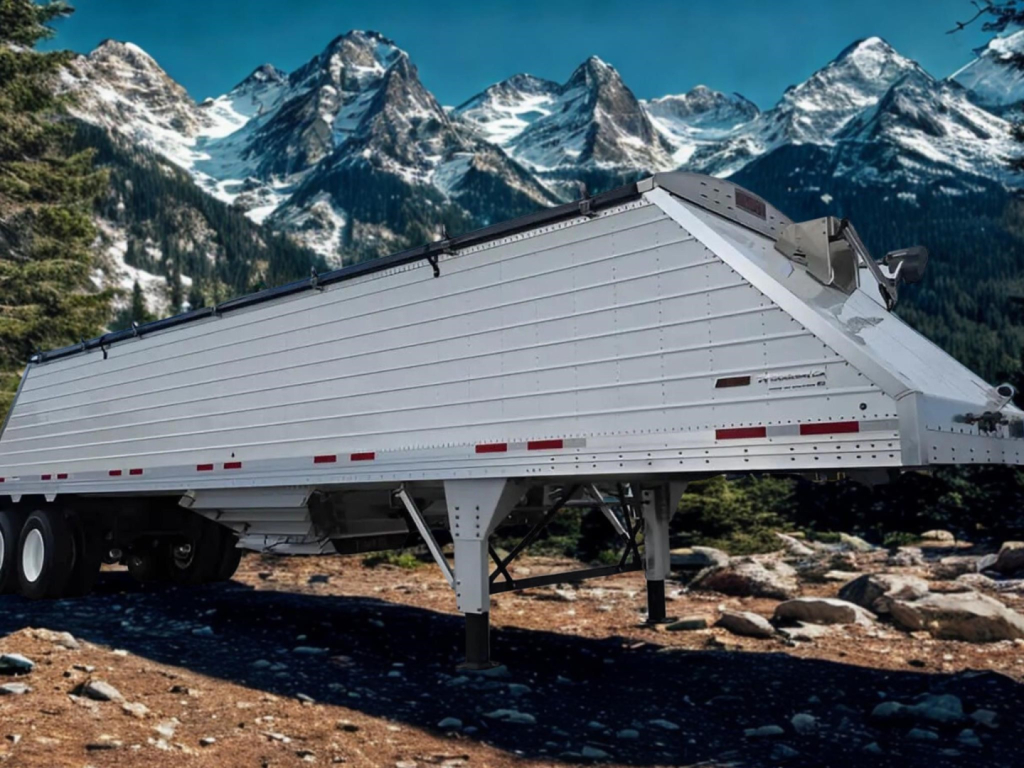
A Timpte Super Hopper is generally aimed at high-volume agricultural and commodity hauling, with lightweight aluminum construction and specs designed around payload efficiency. A Roughneck-style hopper trailer is typically built for more abrasive or severe-duty applications, including frac sand and rougher loading environments. These trailers may have reinforced features, single-hopper layouts, knock rails, and hydraulic trap systems that are better suited to dense materials and faster unload cycles.
Should I choose a tandem axle or tri-axle Timpte hopper trailer?
A tandem axle trailer is a common choice for straightforward grain and bulk commodity work because it is lighter, simpler, and often easier to maintain. A tri-axle trailer can offer advantages in bridge compliance, axle weight distribution, and legal payload in certain states or hauling patterns. The tradeoff is added complexity, more tires and brake components, and potentially higher tare weight. The right choice depends on the states you run, your commodity weight, and how often you need added flexibility at the scale.
Are manual or electric tarp systems better on a new hopper trailer?
Manual tarp systems remain popular because they are simple, proven, and typically less expensive to repair. Electric tarp systems add convenience and can improve efficiency when the trailer is loaded and covered multiple times per day. For operators working in bad weather, high cycle routes, or applications where drivers need faster turnaround, electric tarps can be a practical upgrade. For lower-cycle agricultural use, a manual roll tarp still makes sense for many fleets and owner-operators.
What specs matter most when comparing new Timpte hopper trailers?
The most important specs are body length, side height, axle configuration, hopper count, trap style, and suspension. These determine cubic capacity, legal payload, unload speed, and how well the trailer fits your route. Buyers should also look at wheel material, tire size, ladder and catwalk layout, scale options, tarp type, and stainless protection in high-wear areas. A trailer that looks similar on paper can perform very differently once commodity density, unloading requirements, and state weight laws are factored in.