
Tank Trailers For Sale in New Mexico
Shop tank trailers for fuel, water, chemical, and bulk liquid hauling. Compare capacities, compartments, materials, axle setups, and specs.
No exact matches found for your search
Showing Tank Trailers instead.
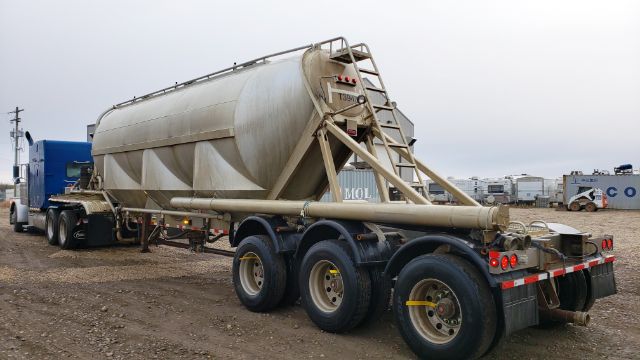
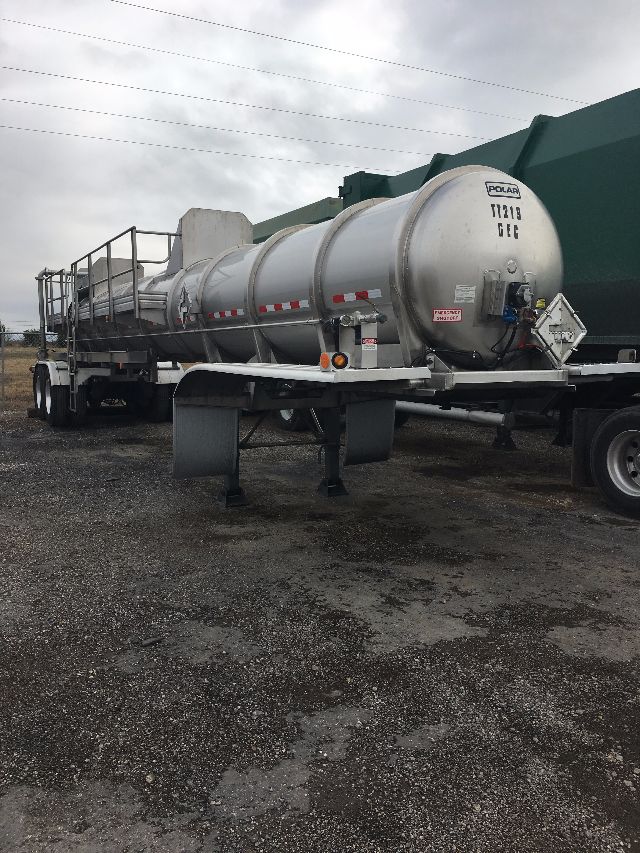

Selling a tank trailer? List your tank trailer for sale and reach thousands of commercial buyers.
Tank Trailers in New Mexico
Fuel tank trailers are one of the most common configurations, often built with multiple compartments so different grades can be hauled on the same run. A trailer in the 9,000 to 10,500 gallon range is typical for highway petroleum service, with tandem axle setups common for balancing payload and maneuverability. Buyers should look closely at compartment count, internal baffling, down piping, valve controls, pump package, and rack-ready equipment if the trailer will load at terminals. Features like vapor recovery, rear ladder access, emergency shutoffs, and current certification status can directly affect where and how the trailer can operate. MC-306 and similar petroleum-spec trailers remain common in fuel service, but compliance and current testing always need to be confirmed against the intended product and route.
Material and tank shape affect both durability and operating cost. Aluminum tank trailers are popular in fuel and water service because they keep tare weight down and resist corrosion well. Stainless is more common where chemical compatibility or sanitary requirements drive the spec. Buyers should also evaluate barrel shape, tapered versus straight design, suspension type, axle spread, brake configuration, and tire condition because these factors influence stability, maintenance, and legal payload. In a dry climate like New Mexico, many operators also pay attention to seal condition, hose storage, sun exposure on fittings, and the overall condition of gaskets, valves, and dome lids, especially on older trailers that may still be structurally sound but need line-item refurbishment.
A good tank trailer match comes down to product, route, and unload process. Short-haul fuel delivery, lease-road water hauling, municipal water service, and specialized liquid transport all demand different plumbing and tank internals. Before buying, confirm gallon capacity, compartment sizing, tank code, bottom or top load setup, pump and meter requirements, and inspection records. It also pays to verify kingpin setting, overall length, and axle configuration against local bridge laws and customer sites. A tank trailer can look right on paper and still miss the application if the valves, fittings, or certifications do not line up with the freight.
Frequently Asked Questions about Tank Trailers in New Mexico
What should I check first when buying a used tank trailer?
Start with the tank code, product history, and current inspection status. A used tank trailer may appear serviceable but still require testing, recertification, or component replacement before it can legally haul the intended commodity. After that, review capacity, compartment layout, material type, valve and piping configuration, suspension, brakes, and overall structural condition. The right first question is not just how many gallons it holds, but what it is certified and equipped to haul.
How do I choose between an aluminum and stainless steel tank trailer?
Aluminum is common when low tare weight and corrosion resistance are priorities, especially in fuel and water service. Stainless steel is heavier and usually more expensive, but it offers broader chemical compatibility and is often preferred for certain corrosive or sanitary applications. The decision should be based on the product being hauled, expected cleaning requirements, and how much payload sensitivity matters in daily operation.
Why does compartment count matter on a fuel tank trailer?
Compartment count determines how many separate products or grades can be carried on one trip and how flexibly the trailer can serve different drops. A five-compartment fuel trailer, for example, can support multi-stop retail or fleet delivery with better load segregation than a single-compartment unit. The tradeoff is added complexity in valves, plumbing, and maintenance. Buyers should compare total gallons and individual compartment sizes against the actual delivery pattern, not just maximum capacity.
What inspections and certifications are important for tank trailers?
The required inspections depend on the trailer type and the commodity, but tank trailers used in regulated liquid service often need periodic pressure tests, leakage tests, thickness checks, and valve or safety device inspections. Documentation matters as much as the mechanical condition because customers, terminals, and enforcement agencies may all require proof of compliance. Before purchase, confirm the testing intervals, review the current paperwork, and make sure the trailer's spec plate matches the intended use.
Can a fuel tank trailer be converted for water hauling?
Some fuel tank trailers are repurposed for water service, but conversion depends on the tank design, plumbing, prior product history, and local regulatory requirements. The trailer may need changes to valves, spray equipment, pumps, and internal cleaning before it is suitable for the new application. Buyers should also consider whether the tank code, residual contamination risk, and overall trailer value make conversion practical compared with buying a trailer already configured for water service.