
Fruehauf Tank Trailers For Sale
Browse Fruehauf tank trailers for sale, including petroleum and bulk liquid tanks with common specs, capacities, compartment layouts, and compliance details.
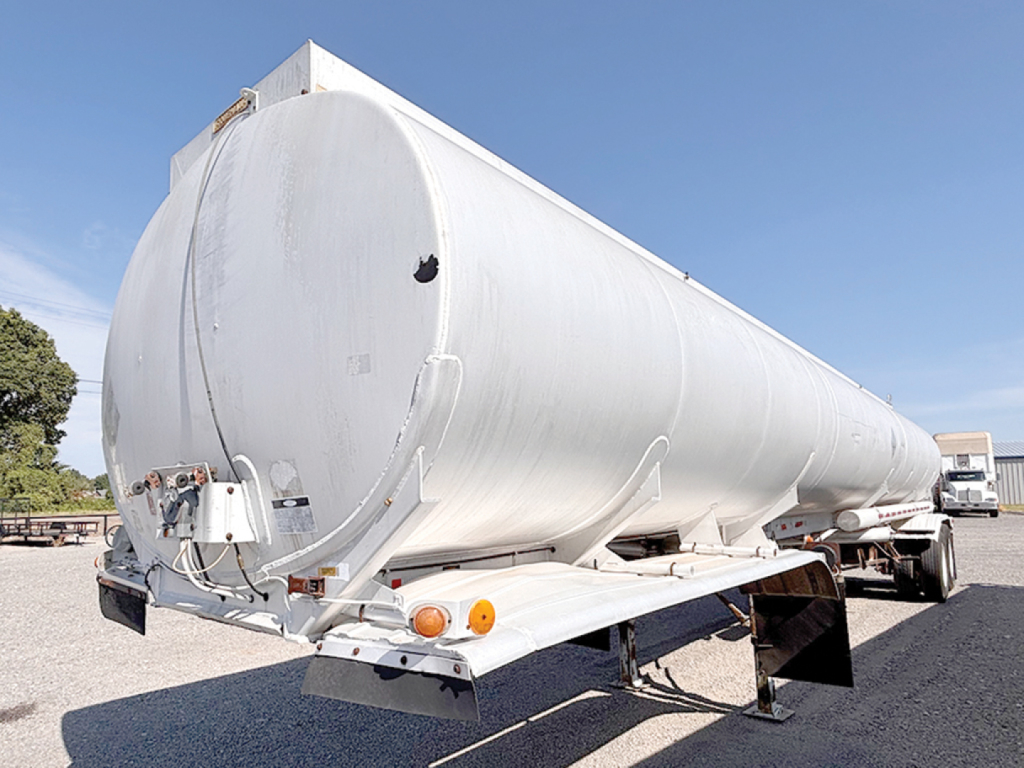
Have fruehauf tank trailer to sell? List it here to reach thousands of buyers.
Fruehauf Tank Trailers
The first buying decision is application. A Fruehauf tank trailer used for refined fuels has very different value than one intended for non-hazardous liquid service or farm transfer duty. Petroleum-spec tanks often include bottom or side discharge, stainless or aluminum piping, API equipment, vapor recovery, Scully-style monitoring, hose tubes, and rear access provisions. Buyers should verify the tank’s original specification plate, pressure or atmospheric design, compartment sizes, manhole count, and whether the plumbing matches the products being hauled. If the trailer will remain in on-road commercial service, inspection history, current test status, and compatibility with present DOT and cargo-tank requirements should be reviewed closely.
Construction details drive long-term ownership cost. Many Fruehauf tank trailers were built with aluminum shells and frames to reduce tare weight and improve payload, but condition is everything on an older tanker. Look closely for barrel repairs, baffle issues, cracked welds, corrosion around saddles and suspension mounts, and any damage near manholes, discharge piping, and kingpin structure. Suspension type, brake spec, wheel end condition, tire size, and parts support all affect downtime. On petroleum units, disc or drum brake configuration, emergency shutoff components, overfill protection, and vapor system integrity can be as important as the tank itself.
A used Fruehauf tank trailer can be a practical buy when the spec matches the lane and the tank has been maintained with documentation. Buyers comparing listings should focus on capacity, compartment layout, code designation, test and inspection records, lining or barrel material where applicable, and the condition of valves, meters, and loading or unloading hardware. For fuel delivery fleets, the right trailer is the one that fits terminal requirements, state regulations, and product mix without forcing immediate rework. For private carriers and farm or industrial use, the priority may shift toward usable capacity, clean plumbing, and overall structural condition.
Frequently Asked Questions about Fruehauf Tank Trailers
What should I check first on a used Fruehauf tank trailer?
Start with the tank specification and service history. Confirm the cargo tank code, gallon capacity, compartment layout, and intended product use, then review inspection and test records if the trailer is staying in regulated highway service. After that, inspect the barrel, welds, suspension, kingpin area, discharge system, and safety equipment such as vapor recovery and overfill protection. On an older Fruehauf tanker, condition and compliance usually matter more than age alone.
Are Fruehauf tank trailers commonly used for petroleum hauling?
Yes. Many Fruehauf tank trailers found on the used market were built for refined fuel and petroleum delivery. These units often have elliptical aluminum tanks, multiple compartments, bottom or side discharge systems, vapor recovery equipment, and Scully-style monitoring components. Buyers should still verify current legality and terminal compatibility because an older petroleum trailer may need updates or may be better suited for limited service depending on its specification and condition.
What tank capacity is common on Fruehauf petroleum trailers?
Used Fruehauf petroleum tank trailers are often found in capacities around 8,000 to 9,500 gallons, though exact volume depends on length, compartment configuration, and barrel design. A 5-compartment layout is common for fuel delivery because it allows split loads of gasoline, diesel, and additive blends. The best capacity is not simply the largest one. It is the one that matches axle weight limits, delivery routes, and the product mix you need to haul.
How important are compartments on a tank trailer?
Compartments are critical on petroleum and multi-product tank trailers because they determine how many grades or products can be carried on one trip. More compartments provide delivery flexibility, but they also add complexity in plumbing, loading sequence, cleaning, and maintenance. Buyers should look beyond the number of compartments and check the actual compartment sizes. A trailer with the right compartment distribution can be more useful than one with a higher total gallon rating but a poor split for your delivery pattern.
Is an older Fruehauf tank trailer still a good buy?
It can be, if the trailer has the right specification and solid maintenance history. Fruehauf built many durable tanks, and older aluminum units can still offer good service value when the barrel, frame, suspension, and discharge components are in sound condition. The key is to evaluate structural integrity, available records, required testing, and the cost of bringing valves, brakes, and safety systems up to the standard your operation requires. A low purchase price does not help if the trailer needs major compliance or structural work right away.